



2025 Annual Year-End Party Survey Spotlight: Generational Gaps and Attitudes
2025 Year-End Party Attitudes: A Deep Dive into Generational Perspectives
In light of significant changes in workplace culture over recent years, particularly influenced by the COVID-19 pandemic, the Job Research Institute, operated by Persol Career Company, conducted the 2025 Year-End Party Awareness Survey. This research examined various aspects of the year-end parties that are often seen as an integral part of Japanese corporate culture. The survey targeted 421 working men and women across various age groups and provided vital insights into the participation desires, past experiences, and evolving perspectives regarding year-end parties.
Revival of Year-End Party Culture
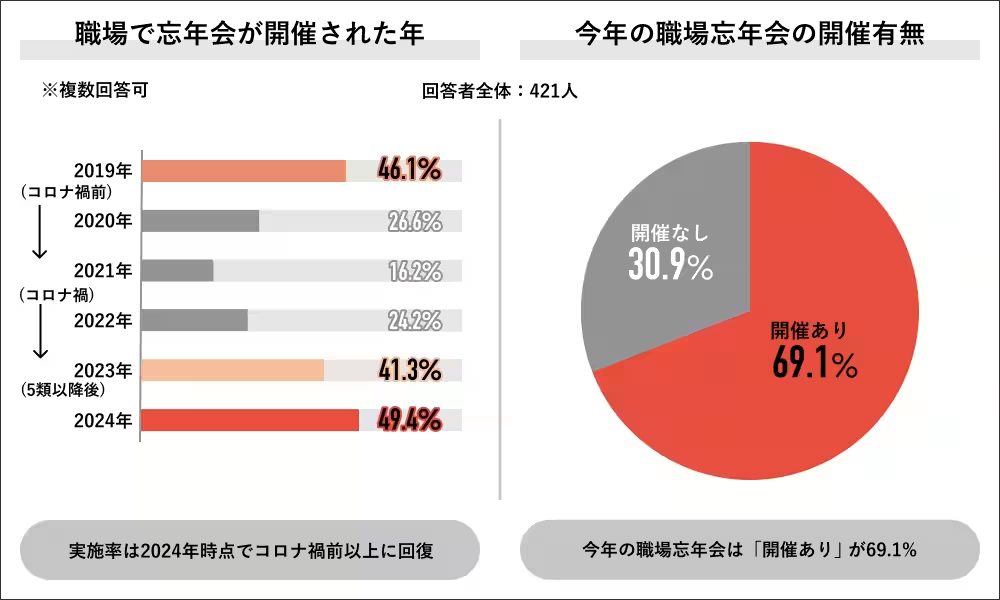
According to the findings from previous surveys, specifically the one conducted in 2024, the hosting rate for year-end parties had seen a resurgence, now exceeding 70%. Furthermore, over 50% of the respondents expressed a desire to attend these gatherings. Youths in their 20s, particularly those who entered the workforce during the pandemic, demonstrated the highest interest in attending year-end parties, marking a notable trend over the past three years. This article explores the implications of these trends and the motivations behind them, particularly focusing on the generational divide.
Survey Overview
The 2025 survey gathered responses from current users of JobQ Town, a platform for career insights. The survey period spanned from October 29 to November 4, 2025. The participants were a balanced mix of genders aged between 20 and 50. A total of 421 valid responses were collected through online means.
Key Findings:
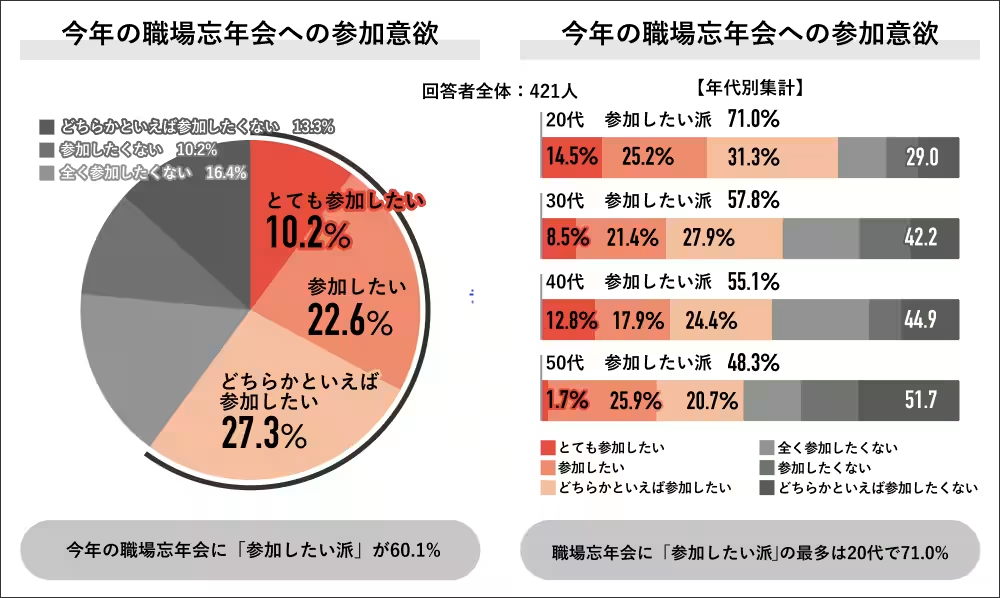
- - Participation Rate: 69.1% of respondents reported that their workplace would host a year-end party this year, with 60.1% expressing their intention to participate.
- - Desires for Connection: The primary reason for wanting to attend was the opportunity to build relationships with colleagues, especially among the younger crowd. In contrast, the leading reason provided by those who declined the invitation was a preference for personal time.
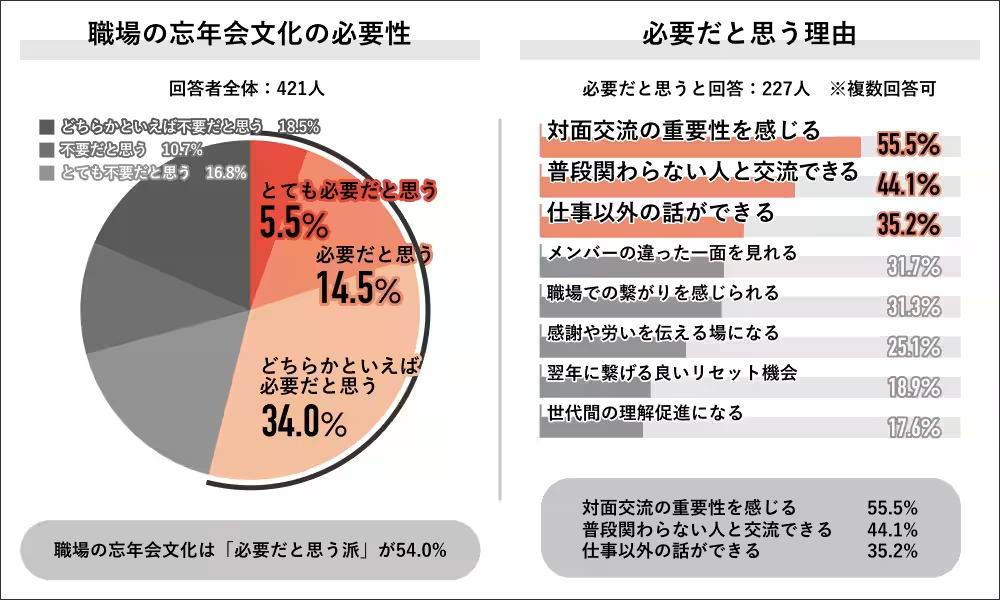
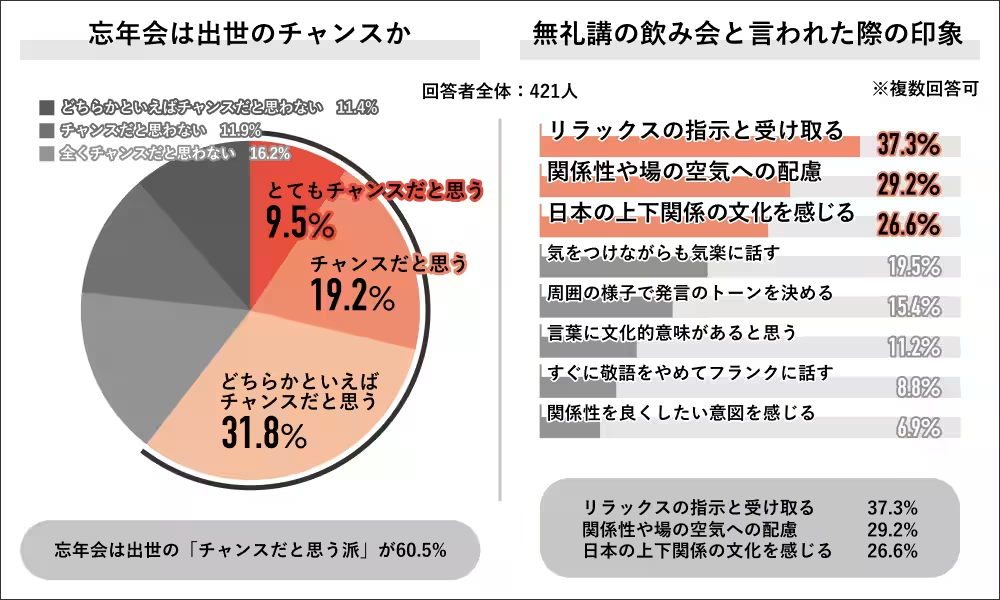
- - Cultural Importance: 54% of respondents believed that the tradition of year-end parties remains necessary for workplace culture, with over 60% viewing these gatherings as potential opportunities for career advancement. The perception of 'informal gatherings' as relaxed settings was also prevalent.
Changing Dynamics of Participation
When specifically examining the desire to attend these events by age group, the results were striking. Seventy-one percent of the 20s demographic were keen to participate, compared to 57.8% in their 30s, 55.1% in their 40s, and 48.3% in their 50s. This pattern indicates a substantial difference in attitudes towards these social gatherings among varying age groups.
Reasons for Attending and Not Attending
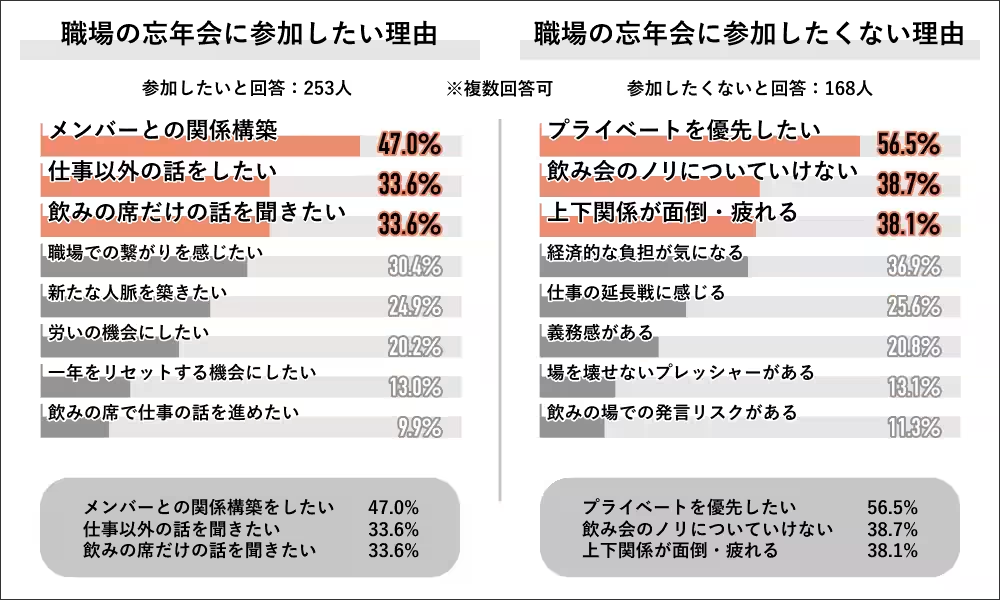
Among the respondents who wished to go, 47.0% cited 'building relationships with colleagues' as the key reason. Many participants wanted to have discussions beyond workplace topics. Conversely, those opting out primarily prioritized personal concerns, with over 56% indicating they wanted to focus on private matters.
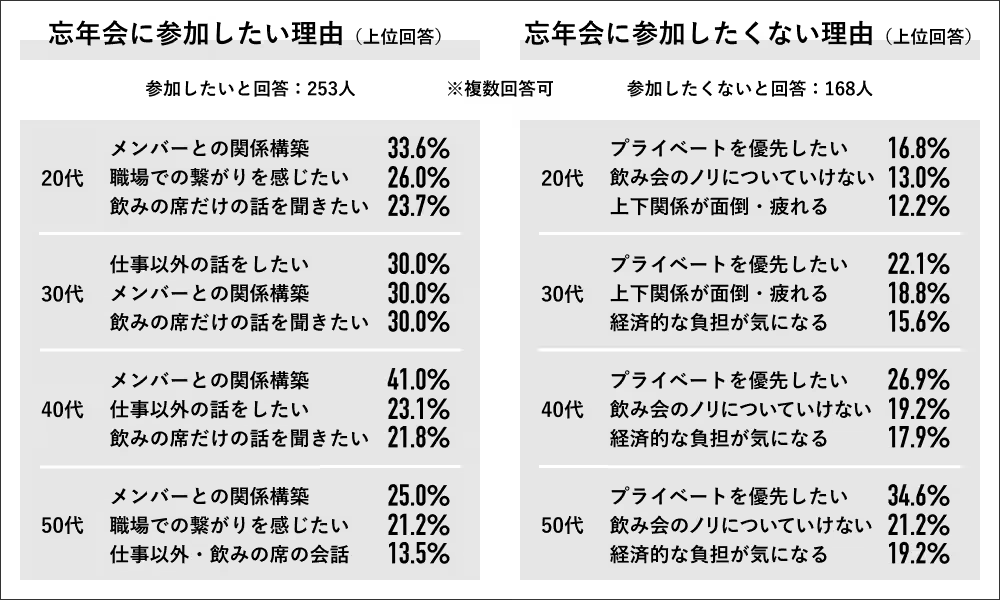
Examining the motives further by age group revealed that the 20s, 40s, and 50s prioritized relationship-building, while the 30s favored off-duty conversation.
The Necessity of Year-End Party Culture
A larger conversation emerged about the importance of maintaining year-end party culture. Over half of the respondents stated its necessity for fostering interpersonal relationships and understanding among colleagues. Interestingly, the relevance of direct face-to-face communication continues to resonate, as many expressed that such gatherings allow opportunities to interact with colleagues who they do not engage with frequently.
Perceived Career Opportunities
About 60.5% of the participants saw year-end parties as a chance for career progression. These perspectives reveal a lingering belief that participating in such social gatherings may influence job-related success. The way these informal get-togethers are perceived reflects a cultural transition from obligation-driven participation to personal choice and equal social engagement.
Conclusion
Through the 2025 Year-End Party Awareness Survey, we see a clear reflection of the evolving workplace dynamics. Younger generations are increasingly interested in these cultural practices, valuing the chance for connection and meaningful conversation in an era defined by remote work and digital communication. As the concept of work itself shifts, so too does the relevance of these traditional gatherings. Cultivating an inclusive bottom-up approach to workplace culture could redefine how colleagues perceive professional interactions moving forward. These shifting dynamics indicate that while we retain elements of traditional practices, the emphasis is now on personal choice and establishing genuine relationships in the workplace.
Moving forward, Job Research Institute aims to continue exploring workplace behaviors and the underlying societal trends affecting them. Under the motto of “Challenging conventional norms,” we aim to delve deeper into the essential emerging patterns influencing how we engage and interact within our professional environments.

Topics People & Culture)


【About Using Articles】
You can freely use the title and article content by linking to the page where the article is posted.
※ Images cannot be used.
【About Links】
Links are free to use.