


Unlocking Human Resource Potential: AI Use Case Report Revealed
Trustyyle's Comprehensive AI Utilization Report in HR
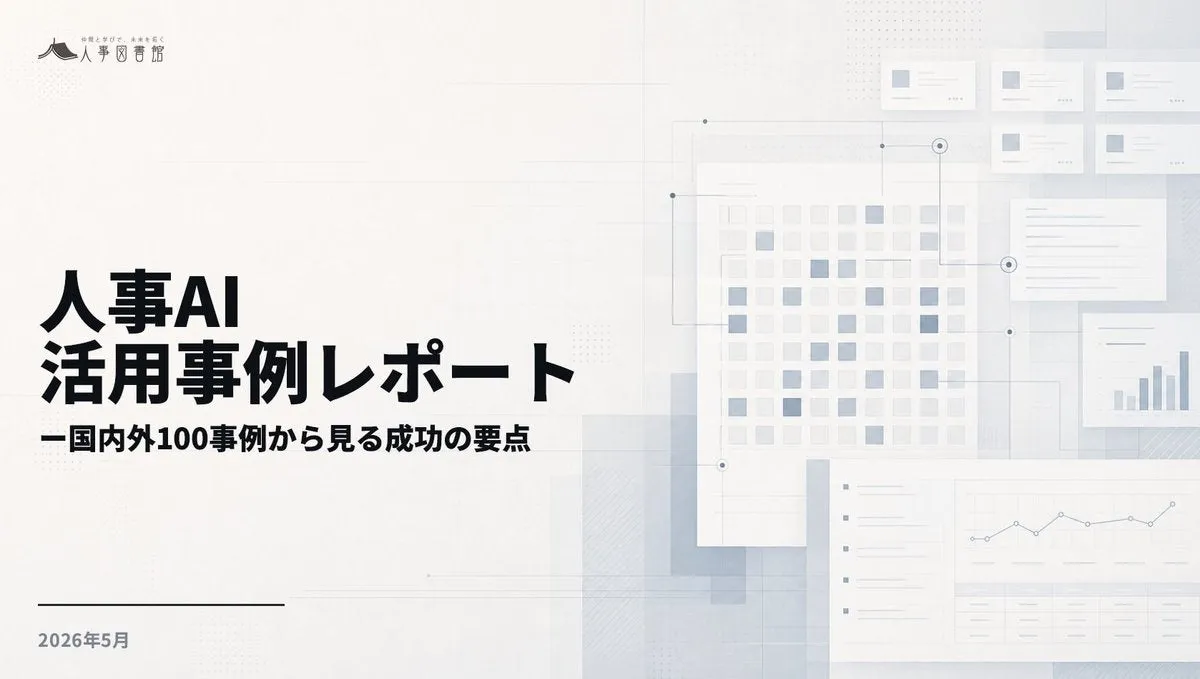
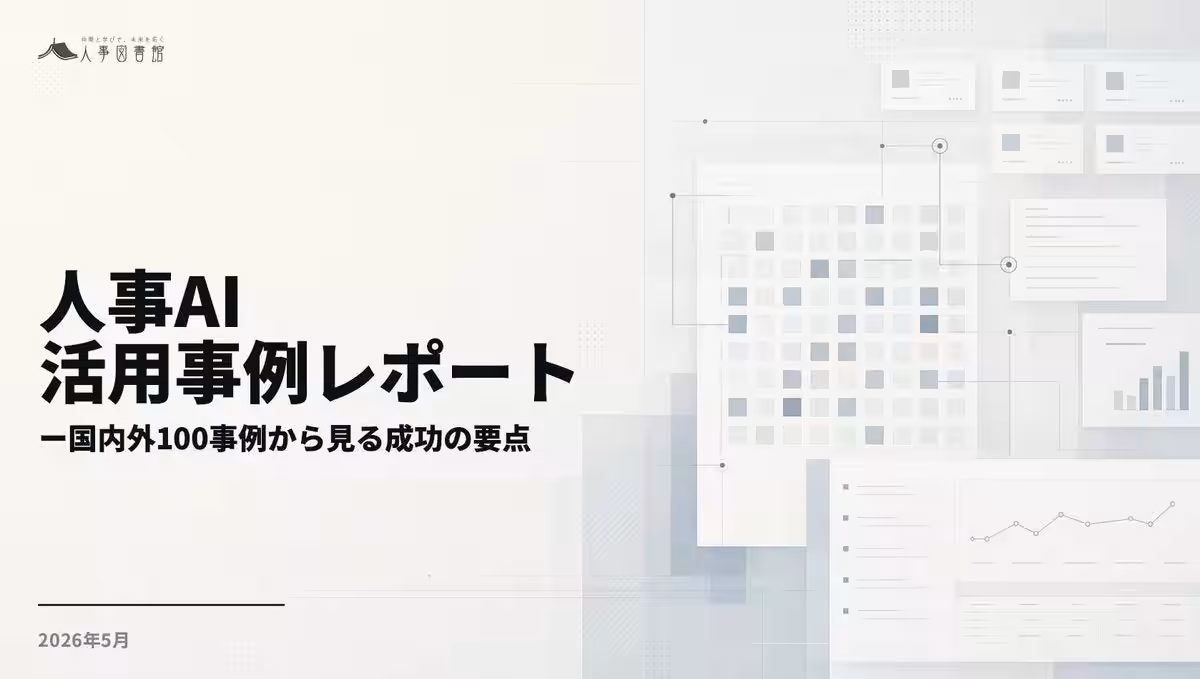
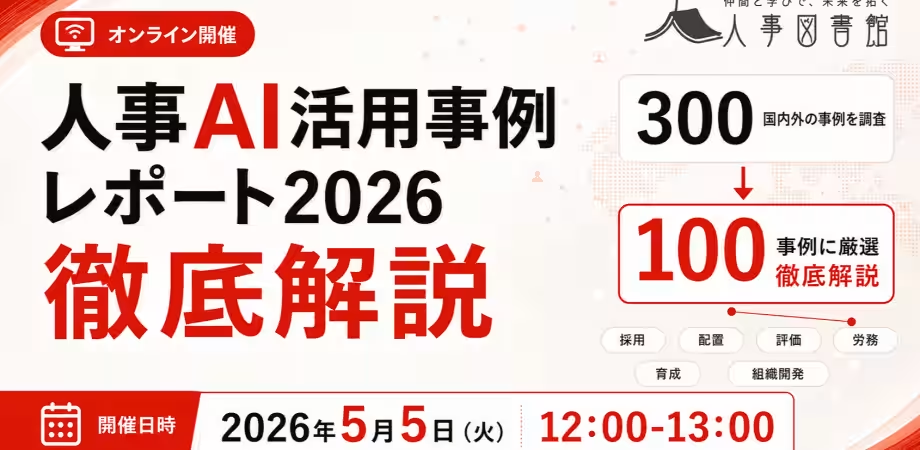
In May 2026, Trustyyle, a company operating the HR Library—a co-working community for HR professionals—launched its latest report, "AI Utilization in HR: Key Success Points from 100 Domestic and International Cases." This report synthesizes insights from 300 examples of AI applications in human resources, narrowing them down to 100 highly relevant cases that demonstrate practical implications across various HR areas.
Report Overview
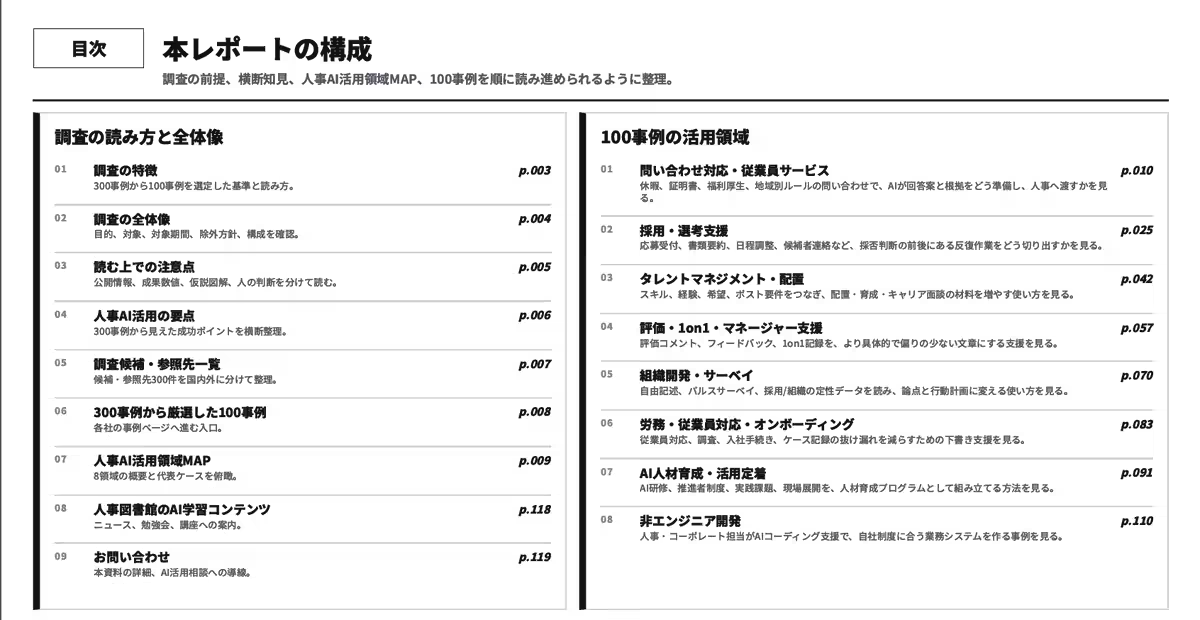
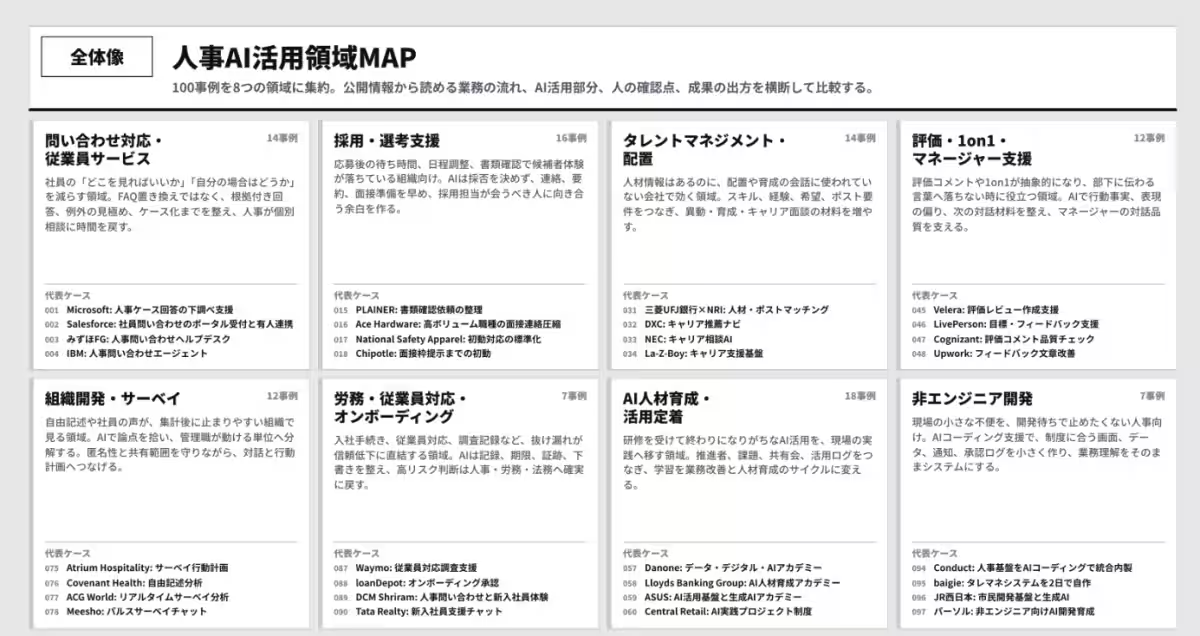
The report categorizes the examined cases into eight domains: recruitment, employee services, job placement, performance evaluation, organizational development, labor management, AI talent training, and non-engineer development. Each category details how AI is being utilized in these specific fields and the significant insights gained from each case.
Background of the Report
As Generative AI and AI agents become increasingly prevalent, their application within HR is diversifying significantly. AI is being deployed for various tasks including query handling, recruitment notifications, drafting evaluation comments, analyzing surveys, managing internal job markets, and training on AI use. However, there are notable concerns among HR professionals regarding how extensively to integrate AI into their workflows, particularly in decision-making areas that traditionally require human judgment.
Trustyyle aims to foster a learning environment where HR professionals can share experiences and insights. The intention behind this report is to ensure that stories of AI adoption aren't limited to just major corporations but instead serve as a valuable resource for HR departments across organizations seeking to reassess their operations.
Key Features of the Report
1. Rigorous Selection of 100 Cases
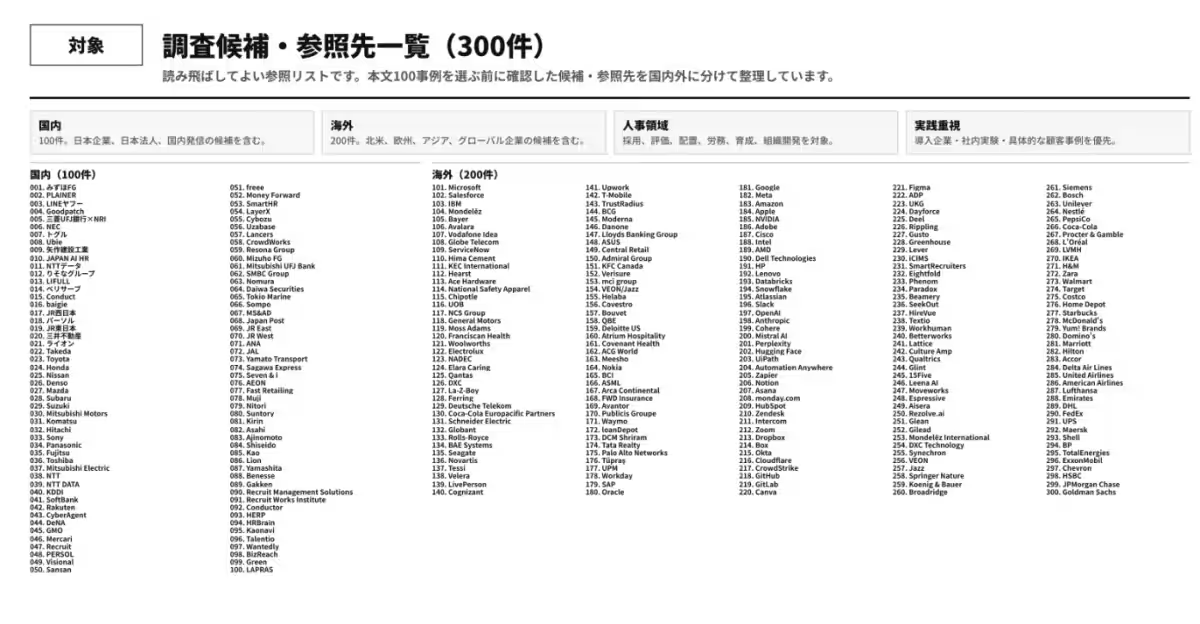
From the initial 300 instances of AI utilization gathered from public releases, press reports, and media articles, the team selected 100 cases based on their applicability in HR, clarity of obtainable information, and the remaining human involvement necessary.
2. Organization into Eight HR Domains
The documented cases are divided into the following domains:
- Query Handling & Employee Services
- Recruitment & Selection Support
- Talent Management & Placement
- Evaluation & One-on-One Meetings
- Manager Support
- Organizational Development & Surveys
- Labor Relations & Employee Engagement
- AI Talent Development & Utilization
The report compares suitable tasks for AI application, expected outcomes, and crucial evaluation points for human oversight across these domains.
3. Practical Case Representation
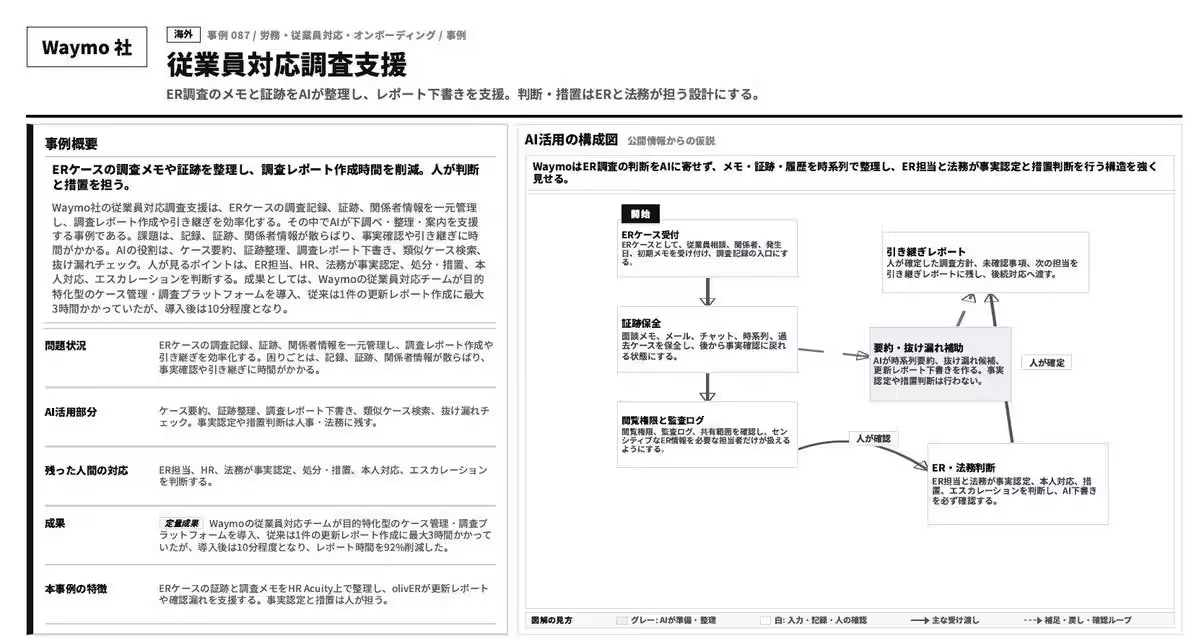
Each example is categorized beyond mere names and products to include five essential elements:
- The issue being addressed
- The specifics of AI implementation
- The human interactions still required
- The results achieved
- Unique attributes of the case
This structure is designed to allow non-engineer HR professionals to relate these case studies to their operational contexts easily.
Key Insights on AI Utilization in HR
Through the aggregation of these 100 case studies, the report indicates that the core of effective HR AI integration is not solely about efficiency or automation. While speeding up tasks remains significant, the real challenge lies in how to utilize the additional time and insights gained for meaningful interactions and improvements—such as fostering dialogue with employees, enhancing manager support, identifying organizational challenges, and advancing HR functions to propel the business forward.
In summary, the report delineates several key points:
- - AI acts as a tool that helps implement desired organizational states before it facilitates faster operations.
- - Organizations effectively integrating AI attribute clear demarcations between areas where AI operates and functions requiring human discretion.
- - Successful implementations leverage AI for pre-judgment preparations in tasks such as inquiry responses and recruitment communications.
- - Companies that can reconvene the time savings from AI towards constructive dialogues, training, and organizational development are positioned to realize the greatest benefits from AI adoption.
- - Embracing AI is a transformative process that necessitates a reevaluation of workflows and human roles, rather than simply adopting a new tool.
Examples of Implemented Areas
Query Handling & Employee Services
Various examples demonstrate how AI assists in addressing employee inquiries related to vacations, welfare, regulations, and procedural clarifications. AI handles standard queries, while human HR representatives step in for nuanced interpretative aspects and scenarios with significant implications for the employee.
Recruitment & Selection Support
AI is also featured in the recruitment process, aiding in application handling, candidate notifications, scheduling interviews, and organizing interview notes—tasks which can precede human judgment in hiring decisions.
Evaluation & Managerial Support
Moreover, the report cites instances of AI contribution in drafting evaluation comments, streamlining feedback records, and assisting managerial communication without making crucial evaluative decisions on their behalf, ensuring relevance in the human touch.
Building AI Talent Proficiency
Further, HR professionals are implementing comprehensive AI training, workshops, and prompt exercises to embed AI use sustainably into daily operations rather than ending with momentary training sessions.
Final Thoughts from Trustyyle’s Director
Yosuke Yoshida, the director of the HR Library, emphasizes that utilizing AI in HR transcends merely automating processes. It's imperative to leverage the time and insights produced by AI to focus on the elements that truly matter to the organization and its workforce. Through examining various domestic and international cases, it is evident that AI acts more as a facilitator for better human decision-making rather than a replacement of it. The essence of HR work involves not just data and processes, but also the emotions and relationships that constitute a vibrant workplace. Therefore, as reliance on AI grows, clarity on what humans observe and decide becomes paramount. This report aims to guide organizations in reevaluating their HR practices to leverage AI in advancing both organizational and human potential.

Topics People & Culture)

【About Using Articles】
You can freely use the title and article content by linking to the page where the article is posted.
※ Images cannot be used.
【About Links】
Links are free to use.