


Introducing the Innovative Tomica Parking Tray 10 with Double Certification for Eco-Friendliness and Accessibility
Tomica's Innovative Parking Tray 10: A Coming Revolution in Eco-Friendly Toys
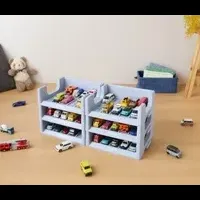
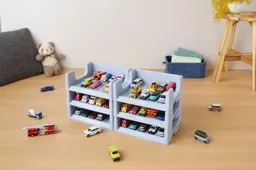
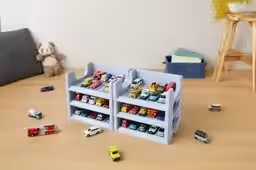
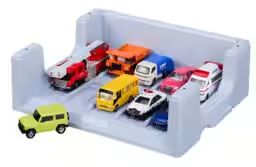
In December 2026, Takara Tomy is set to release the Tomica Parking Tray 10, a groundbreaking parking tray designed to store and display its popular die-cast mini cars, known as Tomica. This innovative product is making headlines not only for its functionality but also for its remarkable dual certifications: the EcoMark and the Guide Dog Mark. This double recognition is a first in the toy industry, showcasing the company’s commitment to environmental sustainability and inclusivity.
Features of the Tomica Parking Tray 10
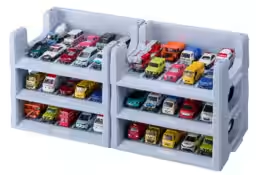
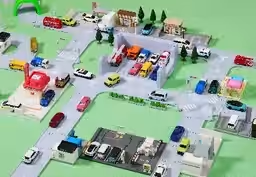
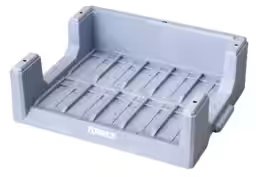
The Parking Tray 10 accommodates up to ten Tomica cars and allows for vertical and horizontal stacking, making it a space-saving solution for display and storage. The tray is also designed to connect seamlessly to Tomica Town roads, enhancing play opportunities for children.
Eco-Friendly Design
Manufactured using over 50% recycled plastics collected from waste production routes, the Tomica Parking Tray 10 meets the stringent criteria set by the EcoMark, which identifies products that minimize environmental impact throughout their lifecycle. This certification highlights Takara Tomy’s dedication to reducing plastic waste and using sustainable materials in toy manufacturing. It's noteworthy that this will mark the company’s first EcoMark certification for any new product since 2014.
Additionally, packaging is crafted from forest-certified paper to further reinforce Takara Tomy's commitment to responsible resource management and environmental preservation.
Accessibility for All
The toy also boasts features that allow it to be enjoyed by children of all abilities. The Guide Dog Mark certification ensures that the Tomica Parking Tray 10 is safe and engaging for visually impaired children. Notable features include raised sections in parking spaces to indicate a car's position, as well as textured patterns for tactile interaction. These elements were thoughtfully integrated to encourage collaborative play among children with diverse needs.
Background and Company Vision
Founded in 1955, Takara Tomy has established itself as a leading company in the toy industry. Their commitment to quality and innovation is evident in their extensive collection of products, particularly the Tomica line, which debuted in 1970 as Japan's first hand-sized die-cast cars. Since then, it has grown tremendously, offering over 10,000 vehicle types and selling over 1 billion units worldwide.
The launch of Tomica Parking Tray 10 exemplifies Takara Tomy’s strategic direction focusing on eco-friendly practices and inclusivity, which have become essential in today’s market. Their ongoing Eko Toy Activities, initiated in 2011, are fundamental to their approach towards sustainable product development.
With the arrival of this exciting new product, Takara Tomy aims to inspire a generation of children to engage with their environment responsibly through play. The hope is that by integrating fun with education about sustainability and inclusivity, they will broaden young minds’s awareness of important global issues.
Consumer Insights and Demand
Market research conducted by Takara Tomy revealed a significant consumer demand for official storage solutions for Tomica cars, with 92% of respondents expressing interest in such products. Features important to consumers included ease of use and the ability to display a larger number of vehicles, which have directly influenced the parking tray's design.
Conclusion
The anticipated release of the Tomica Parking Tray 10 heralds a new era in toy design that not only prioritizes playfulness and engagement but also champions sustainability and inclusivity. As Takara Tomy continues to innovate and adapt to consumer needs while maintaining a firm commitment to responsible practices, the Parking Tray 10 stands out as a significant advancement in the world of toys. Consumers can look forward to purchasing this eco-conscious product through various physical and online retail channels by the end of 2026.
In embracing the future, Takara Tomy reminds us that toys can be more than just objects of play; they can also be instruments for learning, caring, and environmental consciousness.


Topics Consumer Products & Retail)

【About Using Articles】
You can freely use the title and article content by linking to the page where the article is posted.
※ Images cannot be used.
【About Links】
Links are free to use.