


Discover How Millennials Are Cutting Energy Costs This Winter Amid Rising Electricity Prices
The Struggles of Living Alone in a Cold Winter
In the face of a harsh winter and soaring electricity costs, young adults living alone are finding innovative ways to reduce their energy consumption and stay warm. A recent survey conducted by ECODA, a Tokyo-based company specializing in solar energy and storage systems, reveals that over 70% of millennials living in rental homes have become more conscious of their electricity usage since moving out on their own. The survey included 504 participants aged in their 20s and 30s living in single-person households, shedding light on the expense of heating and the lifestyle adjustments they’ve adopted in response to the increasing costs.
Energy Awareness Among Young Adults
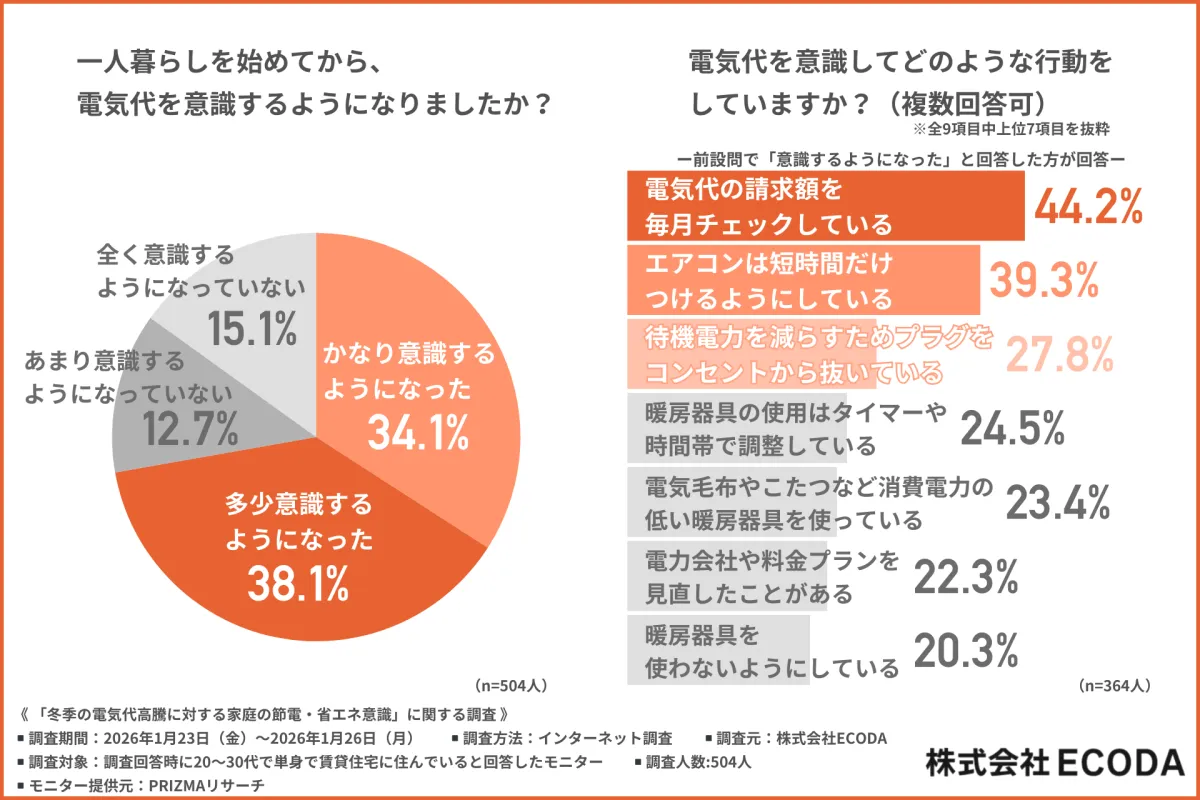
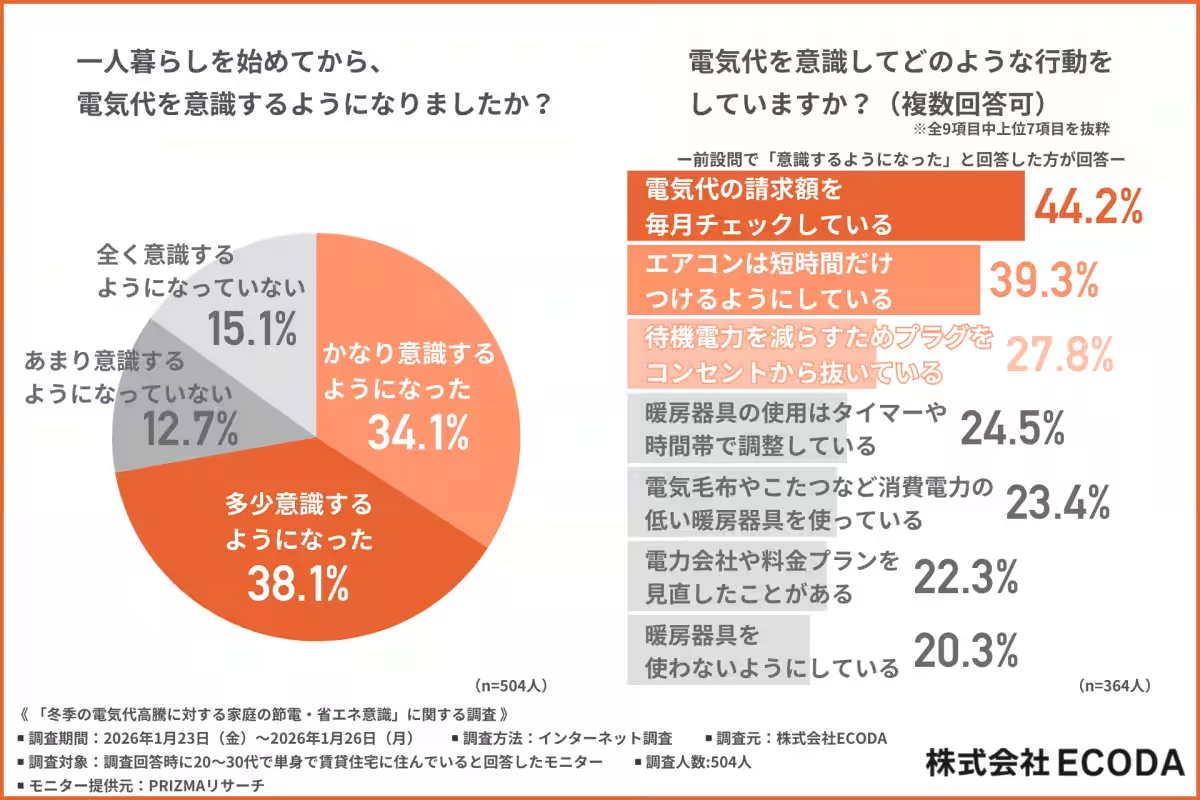
The transition to independent living has sparked a heightened awareness about electricity expenses among young adults. When asked about their sensitivity to electricity costs, over 34% reported they have become significantly aware, while 38% stated they have somewhat increased their awareness. This shift indicates a growing recognition of electricity bills as a critical household expense, urging them to think more about how they consume energy.
Among those who noted a change in consciousness, 44.2% check their monthly electricity bills diligently. Furthermore, many have adopted practical habits such as limiting air conditioning to short bursts (39.3%) and unplugging devices to reduce standby power (27.8%). These statistics highlight a proactive approach in managing daily expenses and suggest that despite frigid temperatures, some individuals opt for reduced heating to save on bills.
Cold Weather Adaptations
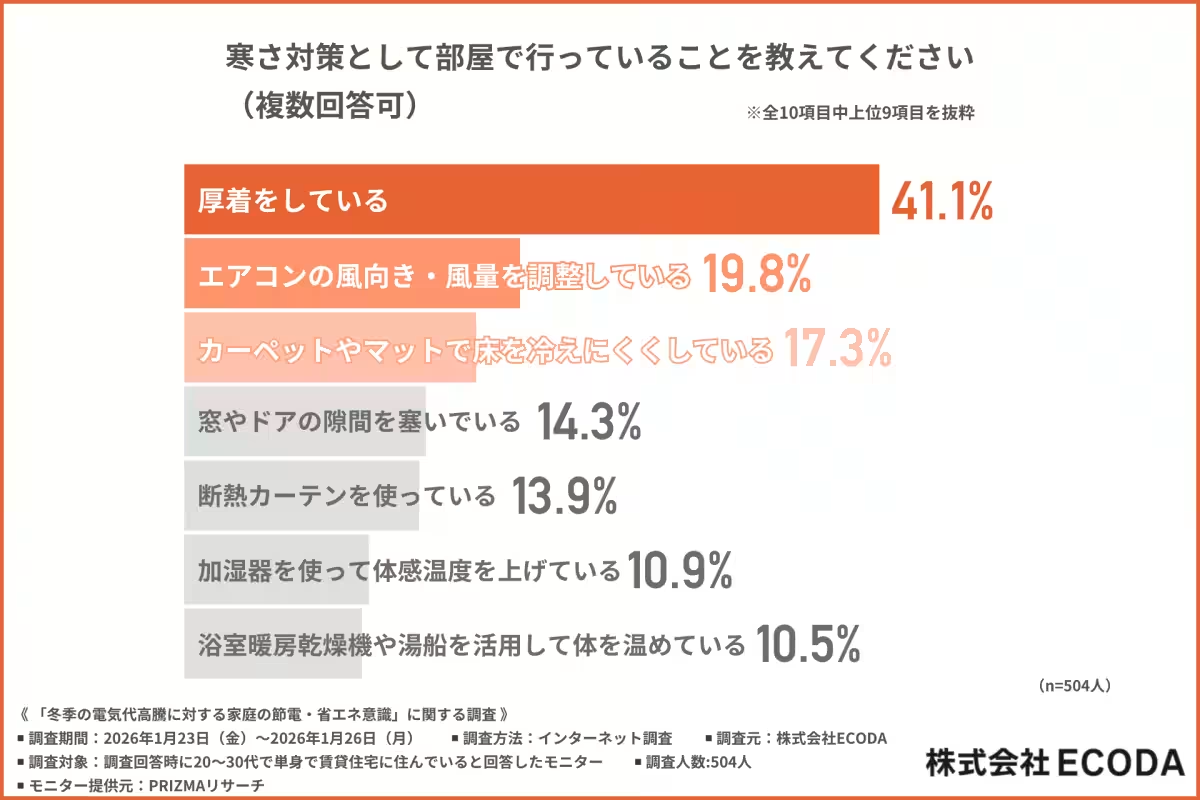
To cope with the cold, respondents were asked about their strategies. The most common adjustment involves layering clothing, with 41.1% indicating they dress warmly to conserve energy. Other tactics include altering air conditioning settings (19.8%) and using carpets or mats to insulate floors (17.3%). These methods underscore the resourcefulness of young renters who maximize their current living situations rather than implementing large-scale renovations.
Aspirations for Energy Independence
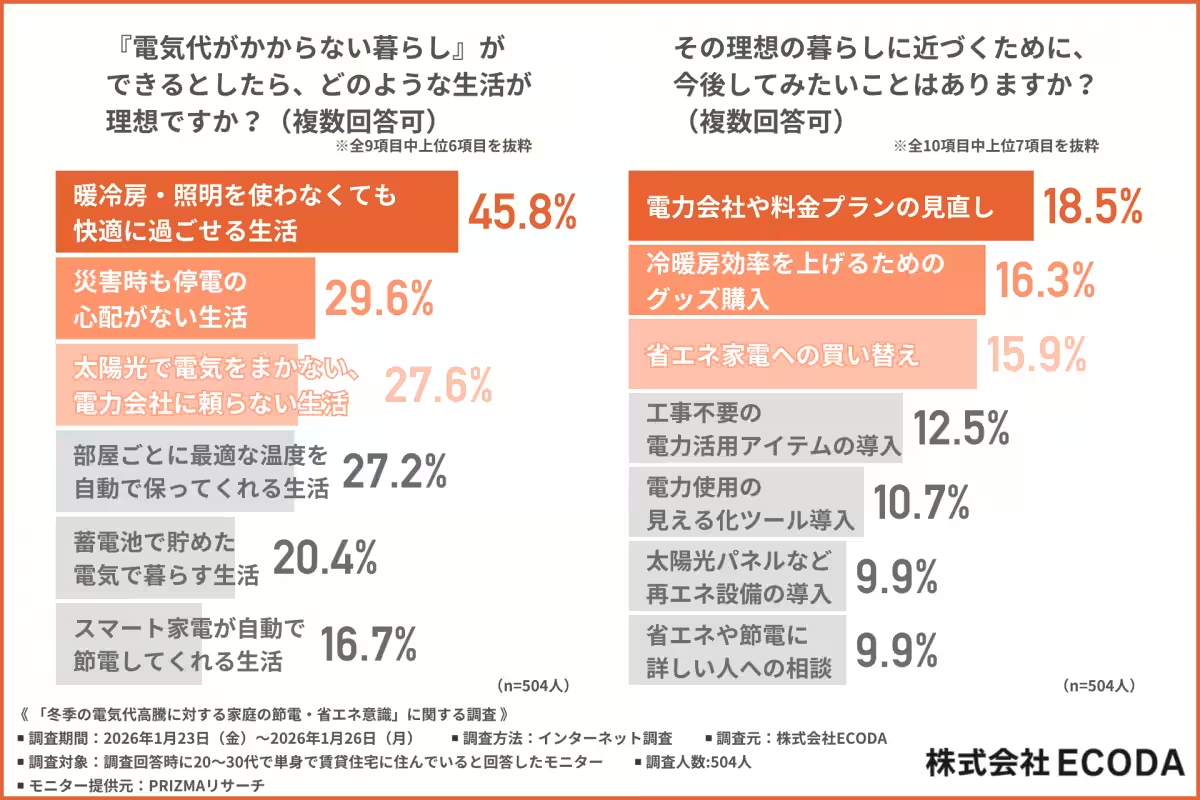
When discussing an ideal lifestyle without electricity-related costs, 45.8% of respondents expressed desire for a comfortable environment that doesn’t rely on heating, cooling, or lighting. Additionally, 29.6% wished for a life free from power outages during emergencies, while 27.6% hoped for solar-powered independence from utility companies. These responses reflect a robust focus on energy stability and self-sufficiency, suggesting a clear trend towards sustainable living.
Steps Toward a Sustainable Future
To bridge the gap between their current living situation and their energy-efficient aspirations, numerous individuals mentioned wanting to reassess their energy providers or plans (18.5%). Other preferred actions included purchasing efficiency-enhancing products (16.3%) and upgrading to energy-efficient appliances (15.9%). These approaches carry the potential for significant energy savings without needing drastic alterations to their homes.
Conclusion: Responsibility Amidst Constraints
The findings from ECODA's survey indicate a noteworthy trend of increasing awareness and responsibility regarding electricity costs among single-person renters. With a majority recognizing the need to manage energy efficiently, various shared strategies reflect a commitment to balancing comfort with cost savings. As colder weather persists, young individuals have creatively adapted, proving that one can be responsible and proactive while still keeping warm and comfortable. The path toward energy independence blends awareness with practical steps, setting a standard for sustainable living that could influence future generations.
ECODA, committed to supporting this journey towards energy efficiency, continues to offer tailored solutions and expert guidance for anyone interested in making the shift towards sustainable energy practices.
Topics Consumer Products & Retail)

【About Using Articles】
You can freely use the title and article content by linking to the page where the article is posted.
※ Images cannot be used.
【About Links】
Links are free to use.