



Understanding Alcohol Intolerance: How Age Affects Drinking Habits and Recovery
Understanding Alcohol Intolerance: How Age Affects Drinking Habits and Recovery
As the holiday season approaches, many people find themselves reflecting on their drinking habits. A recent survey conducted by the Natural Food Research Company has revealed some startling truths about how drinking habits and body responses to alcohol have transformed over the years for adults aged 30 to 50.
The Survey Findings
Between January 5 and 6, 2026, 1,004 individuals aged 30–50 who drink at least once a week, along with over 500 healthcare professionals, participated in the study. The survey highlighted significant insights into how alcohol preferences and body responses change with age.
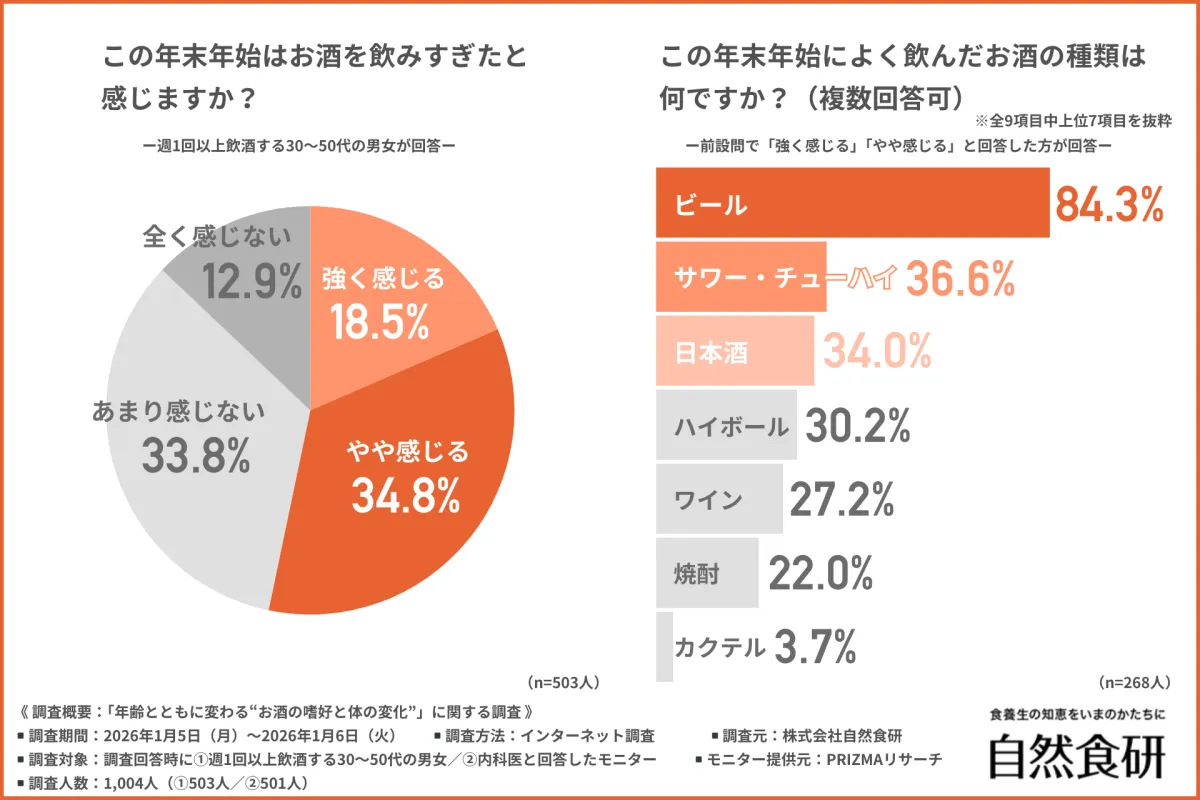
Nearly 50% of respondents reported feeling that they drank more than usual during the recent holiday season, with favorites being beer (84%), followed by sour cocktails and sake. This excess in drinking can often lead to issues the next day, particularly for older adults.
Changing Alcohol Preferences and Effects
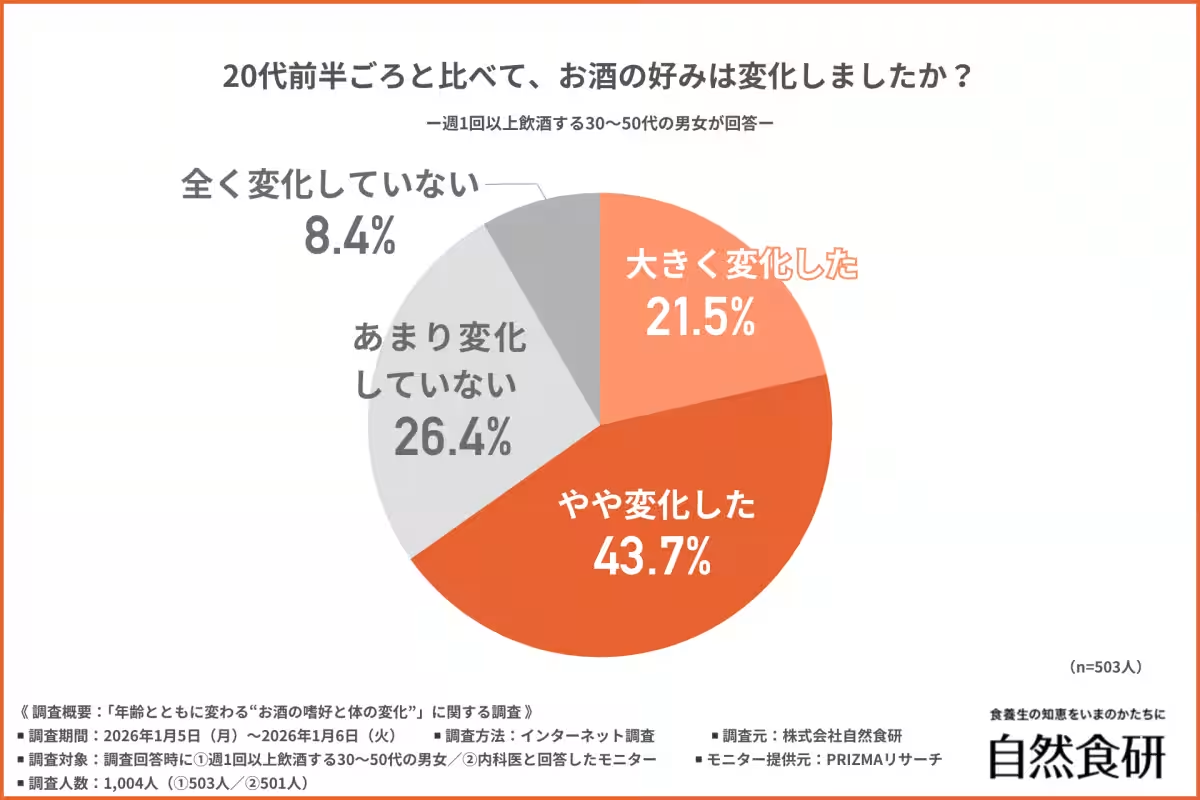
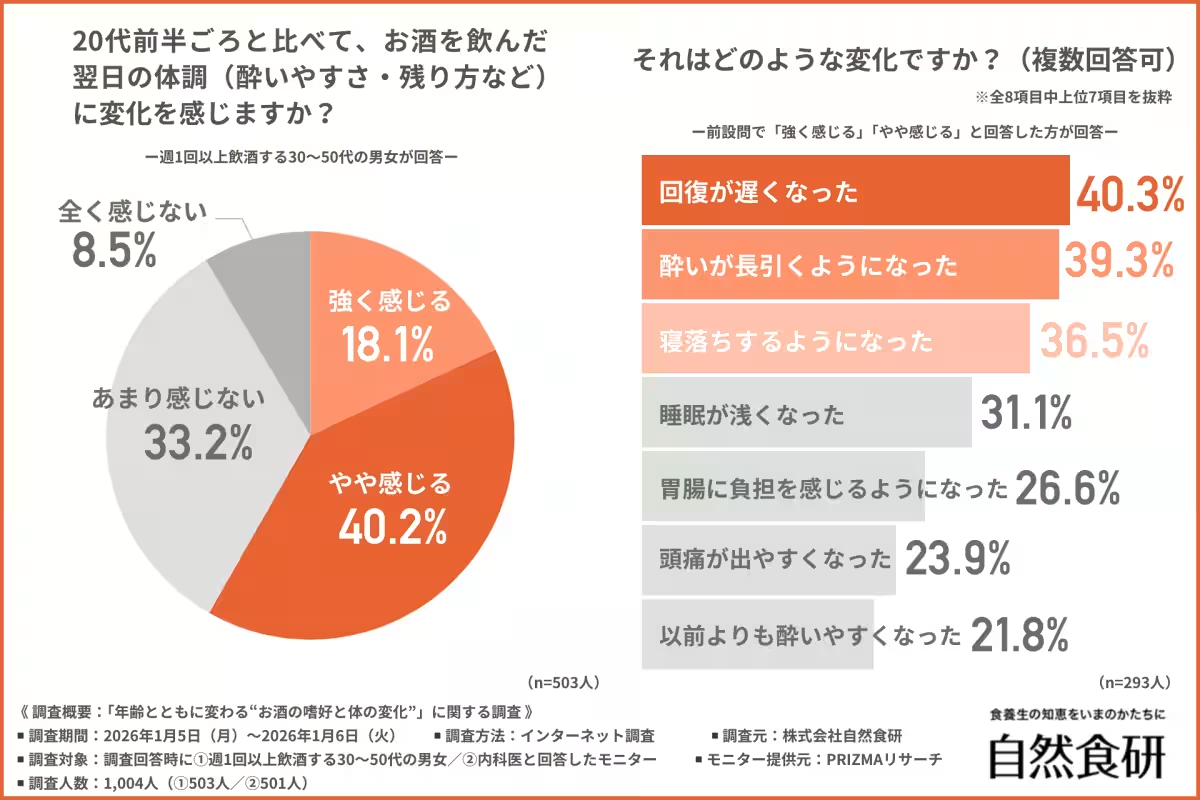
When asked if their alcohol preferences have changed since their 20s, about 70% of people indicated a noticeable shift. The most commonly reported changes include having a slower recovery the next day, increased sensitivity to alcohol, and a longer hangover period. Approximately 60% of respondents acknowledged feeling these changes in how their body responds to alcohol.
These changes raise concerns about how alcohol consumption impacts daily life and productivity, as the recovery process appears to have slowed considerably for many individuals.
Experts Weigh In
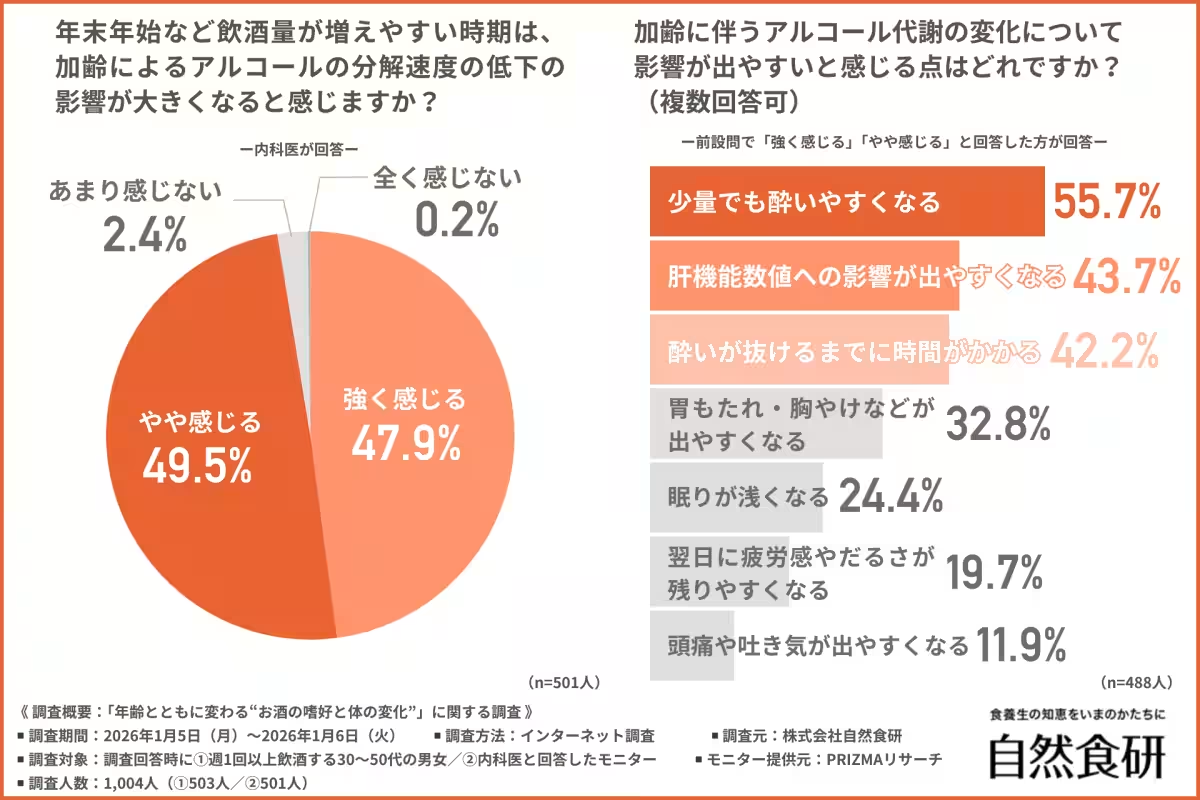
Healthcare professionals mirror these sentiments, with over 90% expressing agreement that the metabolism of alcohol significantly decreases with age. Doctors frequently remark that the holiday season is an especially tough time for older adults regarding alcohol consumption, as their bodies struggle more to manage the effects compared to younger years.
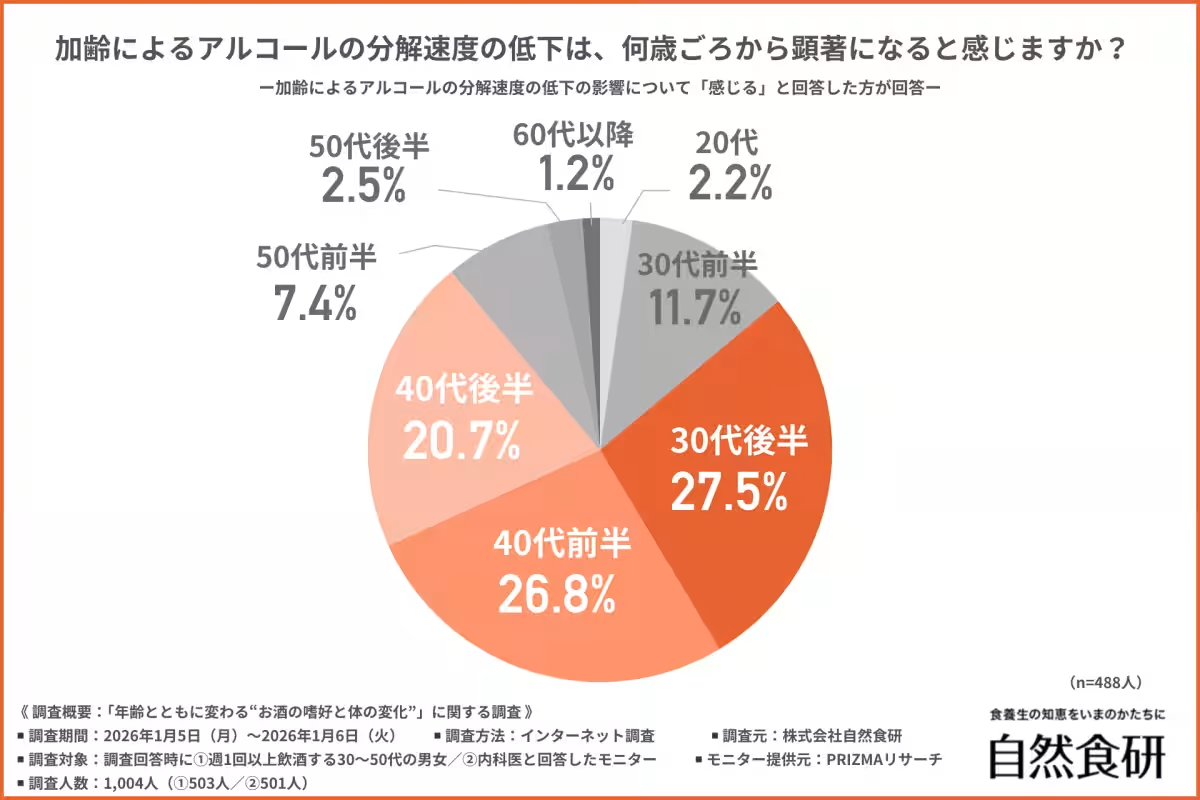
Common observations include a lower tolerance to alcohol, where even small amounts can lead to intoxication, and prolonged recovery times from drinking sessions. Most experts noted that this decline in alcohol metabolic rate typically begins around the late 30s.
Health Recommendations
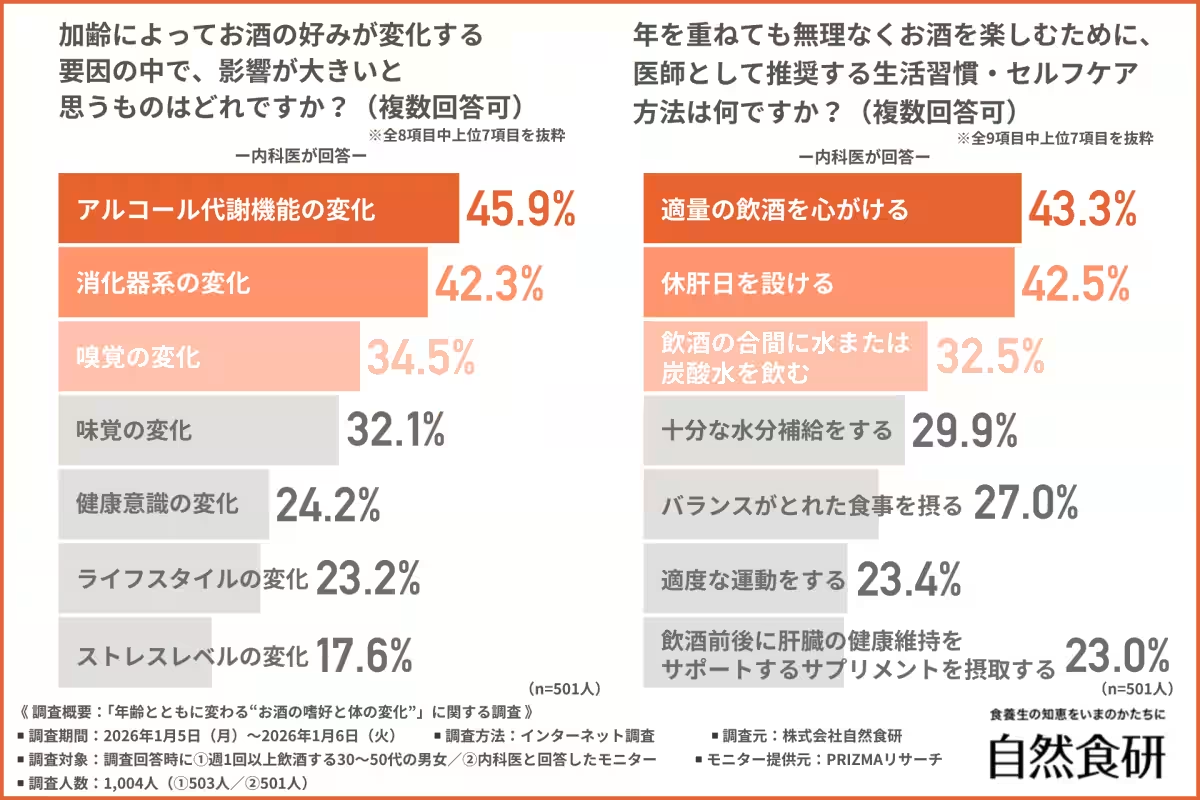
To enjoy alcohol without negative repercussions, experts suggest a balance in drinking habits. Recommendations include maintaining moderate drinking, establishing alcohol-free days, and increasing hydration between alcoholic beverages. Adapting to physiological changes and being mindful of one's body can greatly enhance the drinking experience while reducing adverse effects.
Moreover, integrating supplements that support liver health, like the products offered by Natural Food Research Company, can be beneficial for those looking to continue enjoying alcohol responsibly as they age. Their product, 'Shijimi Habit', is designed to help individuals maintain their vitality and reduce hangover effects, emphasizing nutritional completeness derived from natural ingredients.
Conclusion
As individuals enter their late thirties and beyond, it becomes increasingly critical to manage alcohol consumption wisely. The joy of drinking does not need to fade with age; instead, it can transform into a more refined experience that prioritizes quality over quantity. By embracing healthier habits and acknowledging the body's natural changes, one can maintain an enjoyable and responsible drinking lifestyle well into their later years.
For more information about alcohol metabolism, health, and responsible drinking, visit the Natural Food Research Company.
For inquiries: Natural Food Research Company
Topics Health)
【About Using Articles】
You can freely use the title and article content by linking to the page where the article is posted.
※ Images cannot be used.
【About Links】
Links are free to use.