



How High-Earning Engineers Spend Their Time to Increase Income
Understanding High-Earning Engineers' Time Management
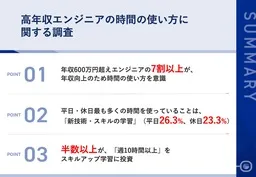
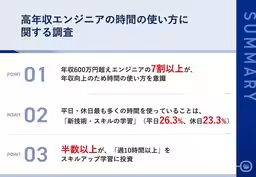
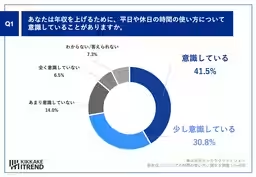
A recent investigation by KIKKAKE CREATION reveals profound insights into how engineers earning over 600万円 allocate their time to enhance their income. According to the survey conducted between September 22–25, 2025, which involved 400 IT engineers, a remarkable 72.3% reported consciously managing their time with a focus on income growth.
Conscientious Time Management
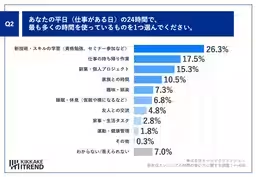
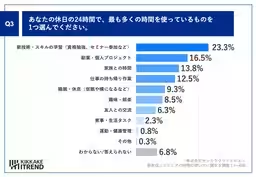
Survey data highlights that more than 70% of respondents actively strategize their daily schedules—both weekdays and weekends. The findings reveal a predominant investment in skill acquisition, with 26.3% of their weekday hours dedicated to learning new technologies and skills, followed closely by time spent on work-related projects brought home (17.5%). During weekends, the trend continues with 23.3% of their day allocated to skill development.
The Learning Commitment
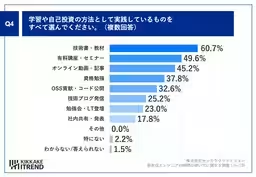
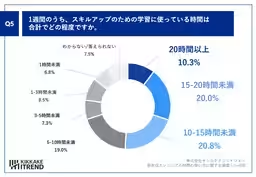
A concerning point from the research shows that over half of the engineers dedicate no less than 10 hours weekly to enhancing their skills. Reports indicate that 20% spend between 15 – 20 hours per week, while 20.8% allocate 10 – 15 hours. When asked about their preferred learning resources, 60.7% cited the use of technical books and materials, and 49.6% pointed to attendance at paid lectures or seminars.
Managing Flexibility and Work-Life Balance
The survey didn’t just detail the percentage of hours spent on work-related activities, but also explored methods used by engineers to enhance their efficiency.
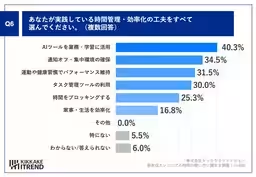
Among the top strategies identified was the application of AI tools for task management, favored by 40.3% of the respondents, and ensuring a distraction-free environment, chosen by 34.5%. Other popular methods included exercise and maintaining healthy habits (31.5%) to sustain work performance, along with the use of task management applications (30%).
Frequent Time-Management Techniques
In a direct narrative from participants, insights like “I finish household chores on weekends and work at a coworking space” and “I use housekeeping services” reflect their attempts to maximize productivity. Furthermore, recurring themes from open-ended survey responses indicated a significant emphasis on maintaining social connections and reducing idle time as integral components of their routines.
Psychological Impact of Learning
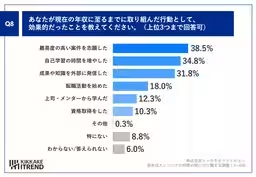
The learning landscape for these engineers is not just about hard skills; it encompasses attending seminars and engaging with industry peers and experts. An interesting statistic surfaced: nearly 38.5% expressed that volunteering for more challenging assignments has been a crucial part of their career advancement. Self-directed study received affirmation from 34.8%, demonstrating a robust culture of proactive career management.
Conclusively Emphasizing Growth
Overall, the investigation by KIKKAKE CREATION has shed light on the time management habits of high-earning engineers. They consistently prioritize learning irrespective of the day and practice effective time management strategies in their professional journey. In the backdrop of rapid technological advancement, continuous investment in personal development and an eagerness to tackle challenging tasks emerge as pivotal drivers to increase one’s earning potential.
Such findings not only serve as self-awareness prompts for engineers striving for career growth but also signal businesses to cultivate environments that foster professional development and support their talent's ambitious endeavors.


Topics People & Culture)
【About Using Articles】
You can freely use the title and article content by linking to the page where the article is posted.
※ Images cannot be used.
【About Links】
Links are free to use.