



The Rise of Social Media Among Seniors: Insights from Cosmo Lab's Survey
Understanding the Social Media Landscape for Seniors
In a significant shift in digital engagement, a recent survey conducted by Cosmo Lab—a marketing platform specializing in the senior demographic—has unveiled that more than 70% of seniors are actively using social media. This trend highlights an increasing reliance on platforms like LINE, which has become the preferred medium for communication and information sharing among older adults. The report offers a detailed examination of how seniors use social media, the frequency of their engagement, the types of information they value, and their trusted sources.
Key Findings from the Survey
1. Major Adoption of Social Media
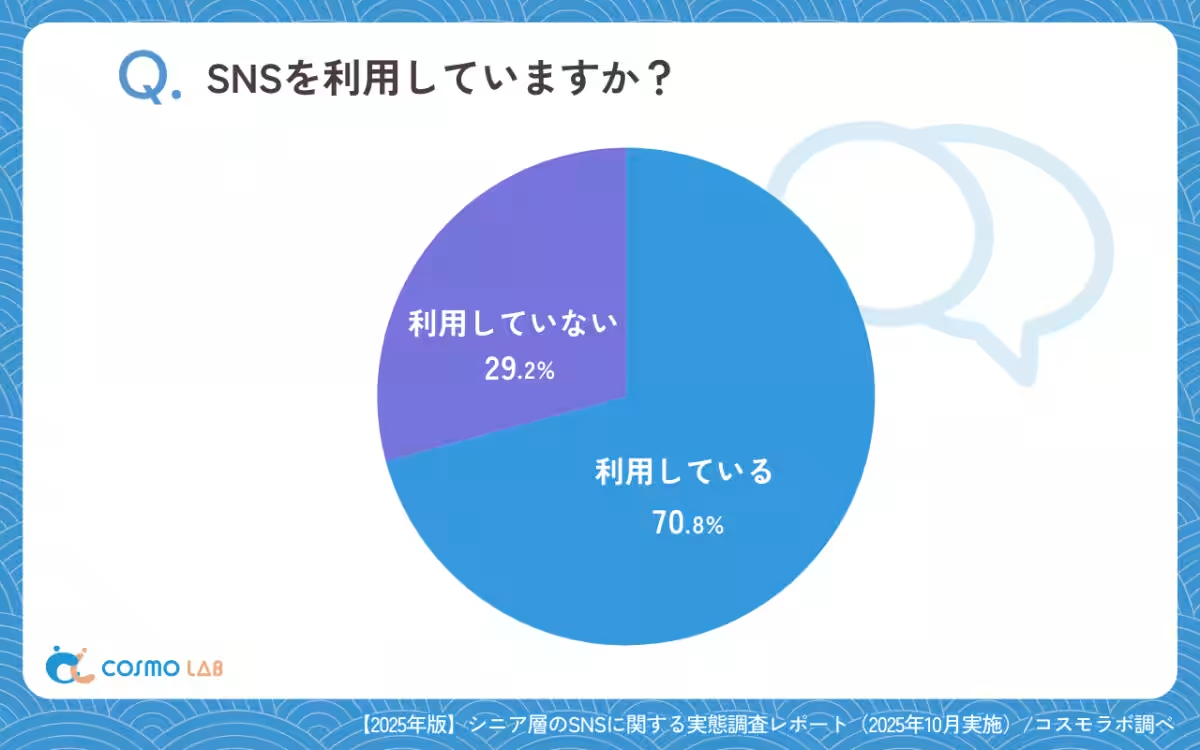
According to the survey results, 70.8% of the 432 respondents indicated that they are users of social media. This statistic signifies that social media is not just a trend among younger generations but is also becoming a routine fixture in the lives of seniors. However, it’s critical to note that nearly 30% of seniors remain non-users, indicating a certain divide in access to information through social platforms.
2. LINE Dominates as the Preferred Platform
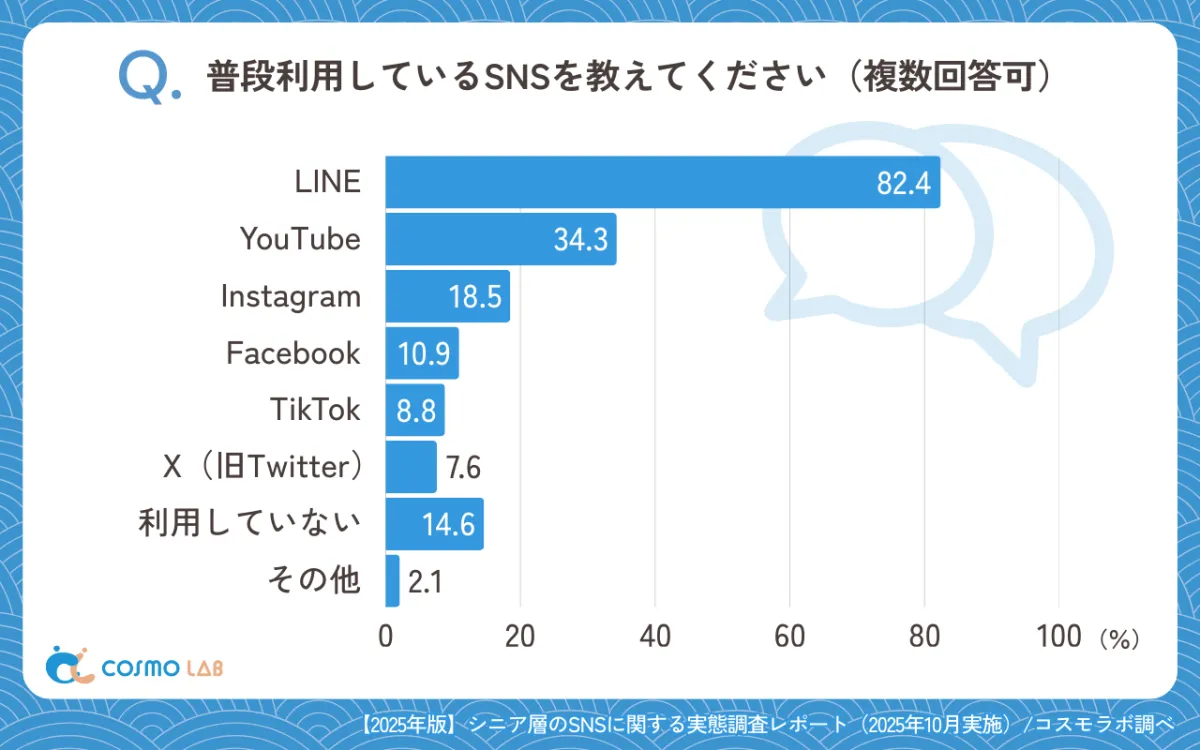
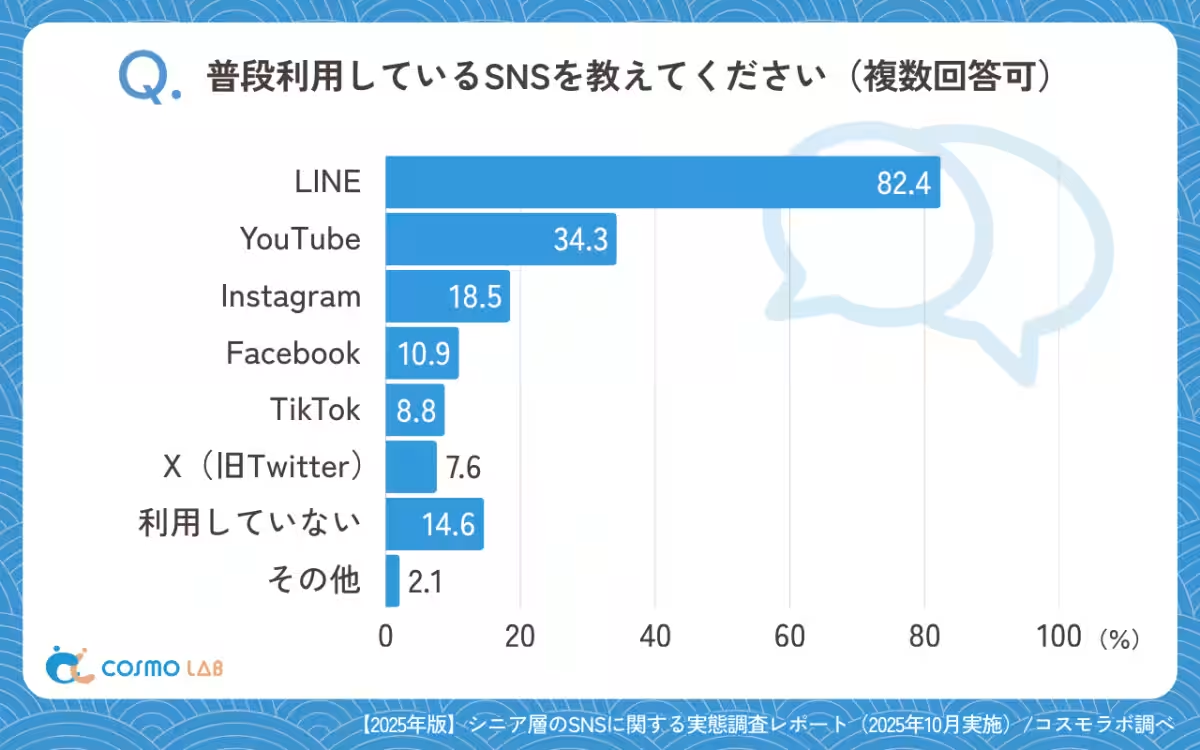
When respondents were asked about their choice of social media platforms, LINE emerged as the most prominent, with a staggering 82.4% of users reporting regular use. The survey suggests that LINE primarily fulfills practical communication needs such as messaging and sharing with family and friends. Next in popularity was YouTube (34.3%), which serves as a bridge for entertainment and information gathering. Other platforms like Instagram were less frequently utilized (18.5%), pointing to a specialization in the type of content that seniors engage with.
3. Frequency of Use
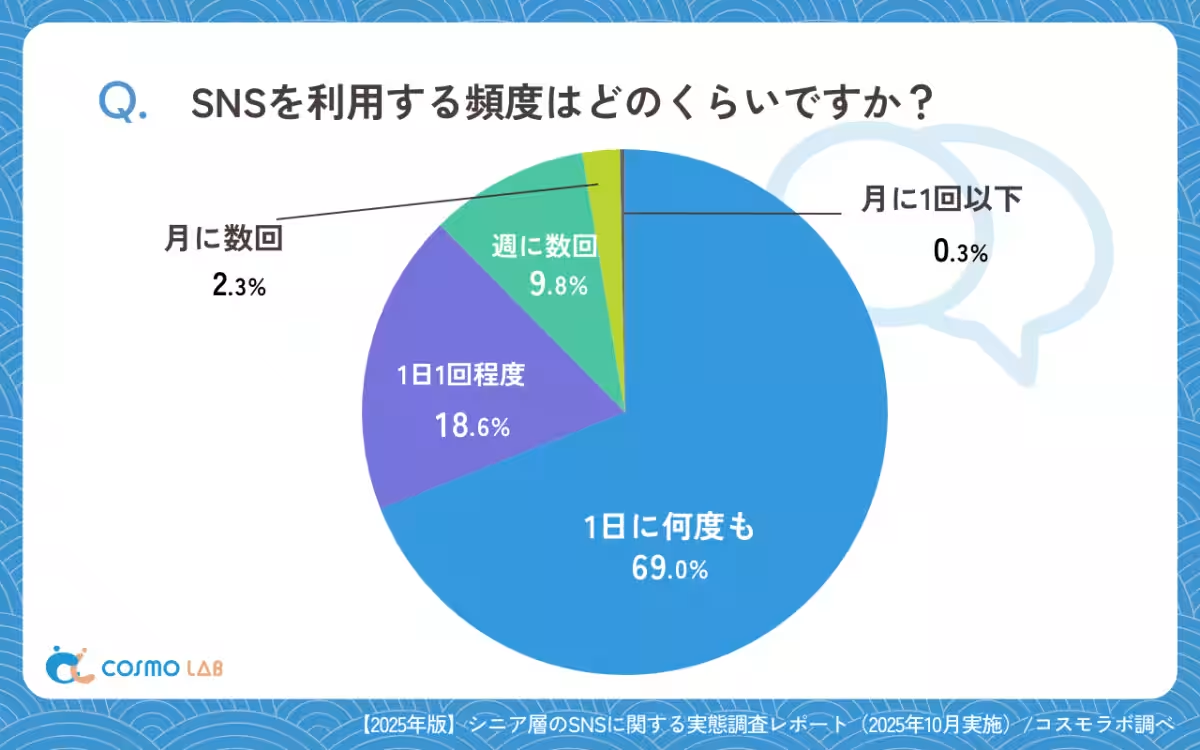
Among those who use social media, 69% claimed they access it multiple times a day, with 18.6% logging in at least once a day. This pattern indicates that for many seniors, social media has integrated into their daily routines, acting as a critical touchpoint for information and connection.
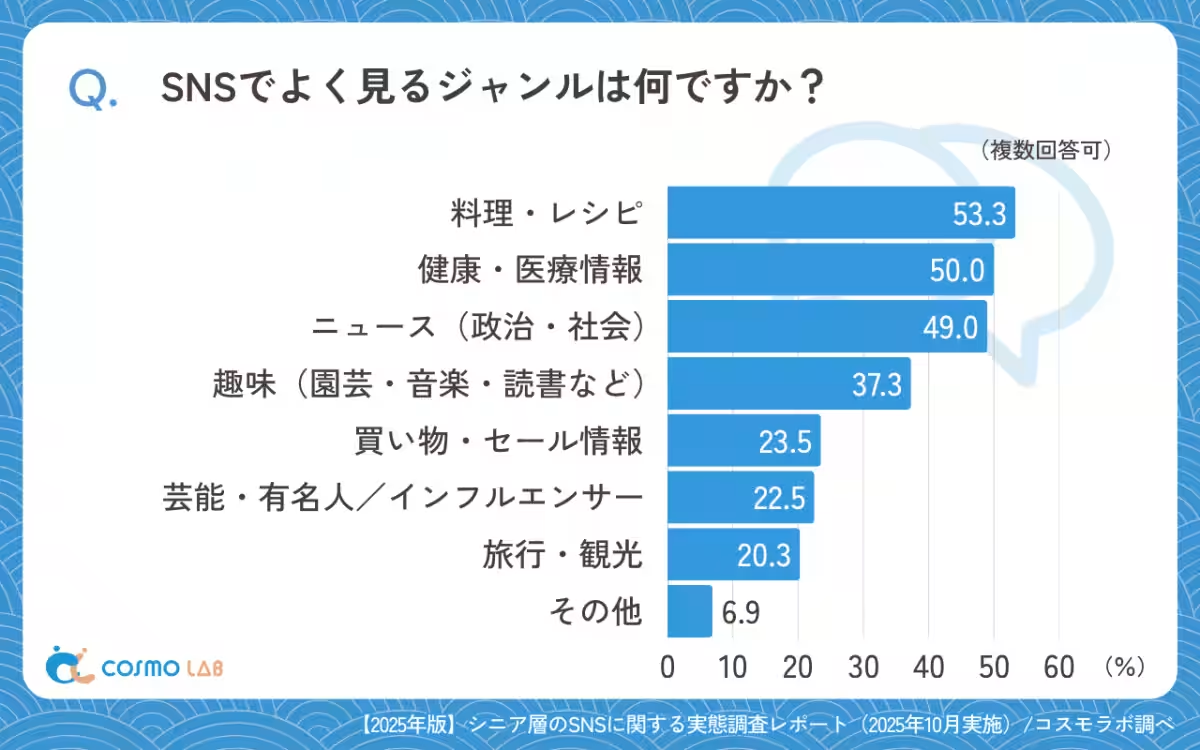
4. Popular Content Categories
When queried about the types of content they consume on these platforms, the survey revealed that "recipes and cooking" ranked highest at 53.3%, closely followed by health and medical information at 50%, and political/social news at 49%. This data suggests that seniors lean toward content that directly impacts their daily lives and decision-making processes.
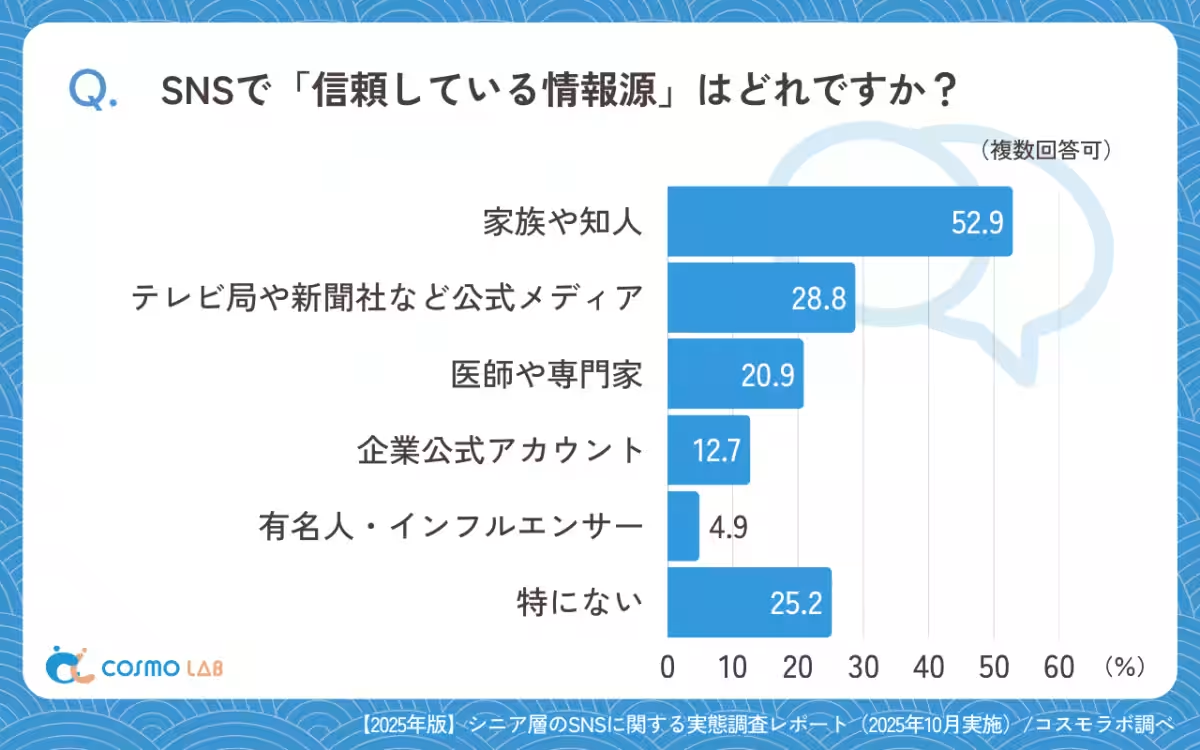
5. Trustworthy Information Sources
Interestingly, the most trusted sources of information for seniors on social media were their family and friends (52.9%). This preference highlights a trend where personal relationships outweigh the influence of mainstream media and experts. Official media outlets and professionals still hold importance, but a quarter of respondents reported having no specific trusted source, indicating a need for clearer communication pathways.
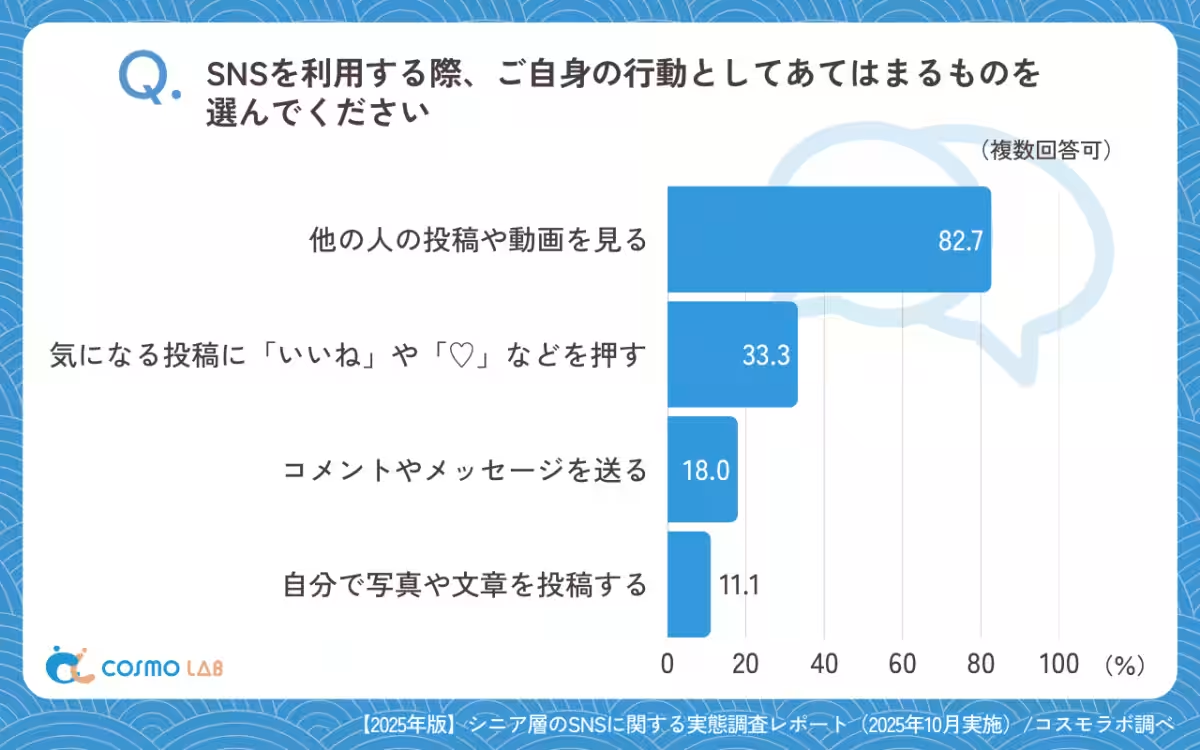
6. Engagement Patterns
Seniors predominantly engage with content passively; 82.7% prefer viewing posts and videos, while significantly fewer (11.1%) actively post their own content. This suggests that, while seniors are embracing social media, their interaction tends to be more observational than participatory, reflecting a preference for passive consumption.
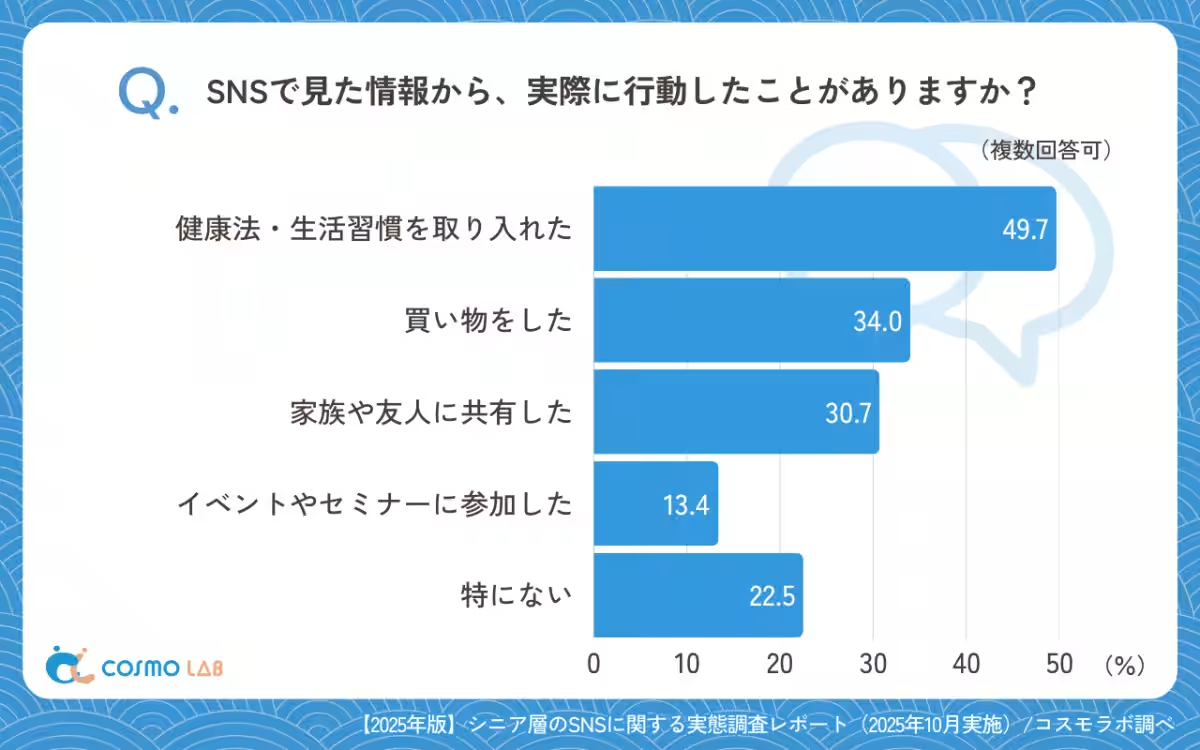
7. Impact on Behavior
Remarkably, 49.7% of respondents admitted to adopting new health practices based on information seen on social media, indicating that these platforms can influence behavior beyond mere social interaction. Shopping and sharing with others also emerged as significant activities driven by social media usage.
8. Positive Experiences
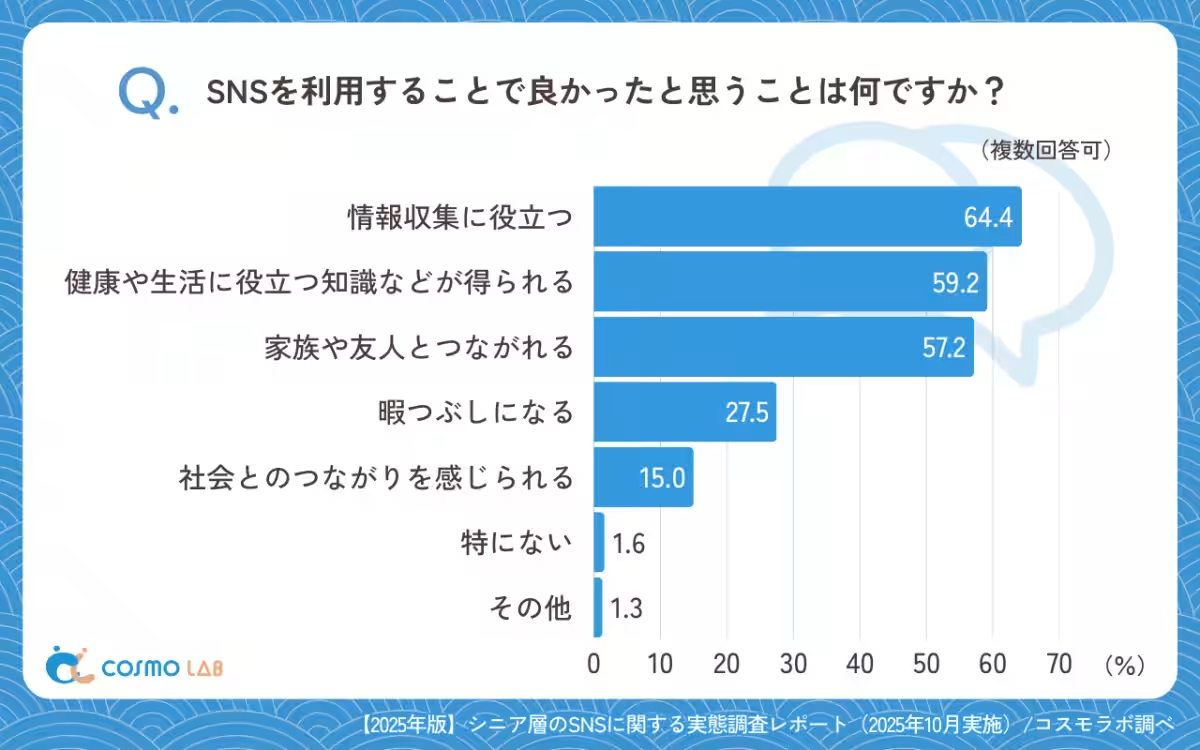
When asked about the benefits of using social media, 64.4% of respondents noted it helped with information gathering, while 59.2% appreciated the useful knowledge relating to health and lifestyle. The connection with family and friends was also highlighted by 57.2%, showcasing the social aspect’s vital role in enhancing their lives.
9. Reasons for Joining
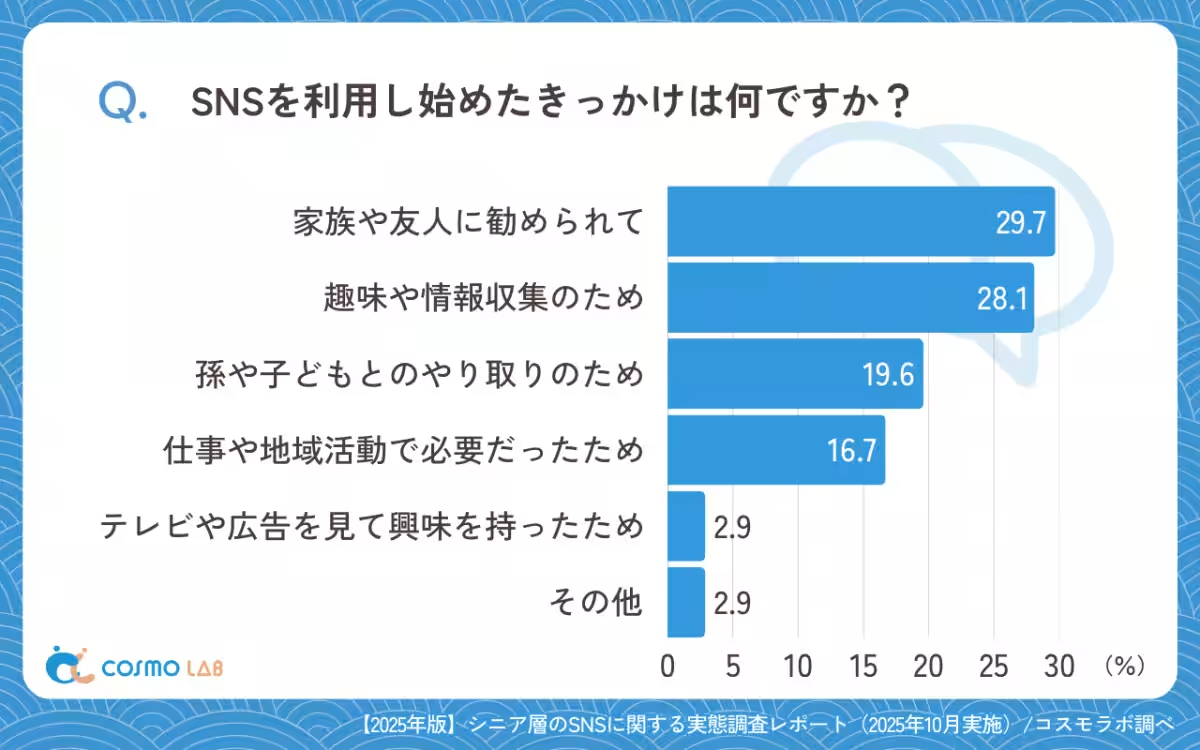
The reasons seniors began using social media were often family-influenced. About 29.7% started using these platforms due to recommendations from family and friends, indicating a communal approach to technology adoption.
10. Concerns and Challenges
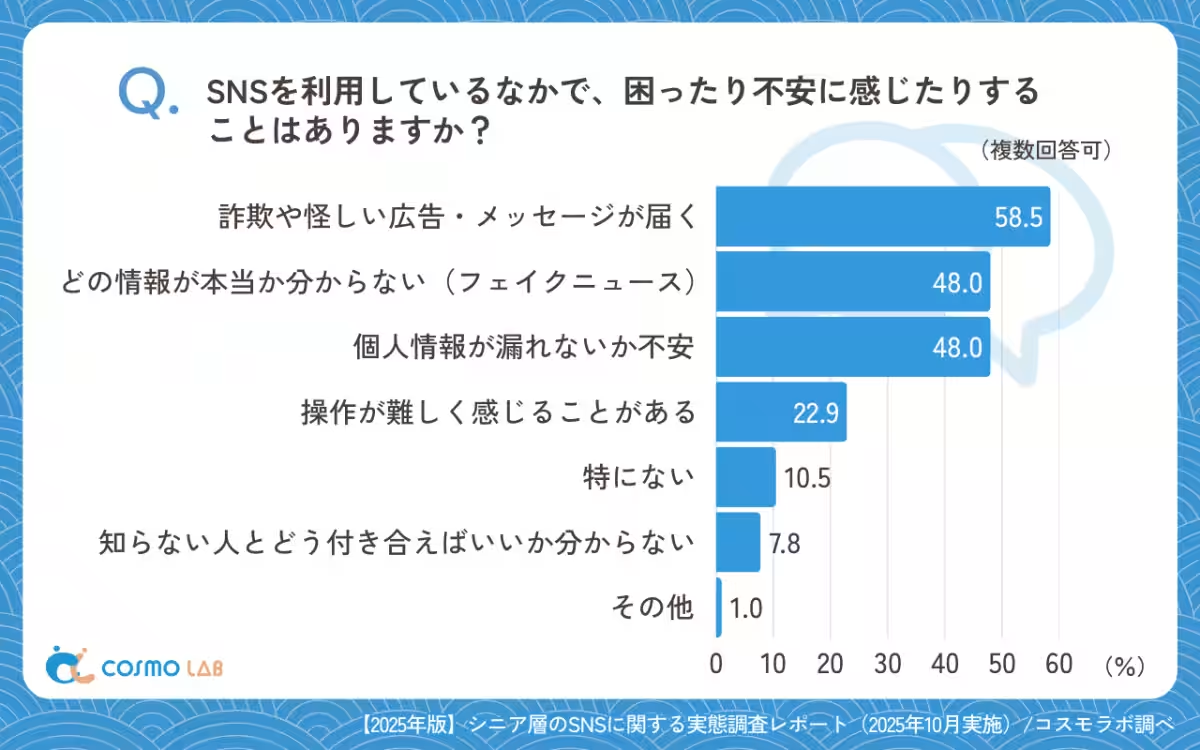
Despite the benefits, many seniors expressed concerns about social media. The main issue was encountering scams or dubious advertisements (58.5%), followed closely by uncertainties regarding the truth of information (48.0%). This emphasis on security and trustworthiness indicates that while engagement is high, so too are the perceived risks associated with social media use.
11. Non-Usage Factors
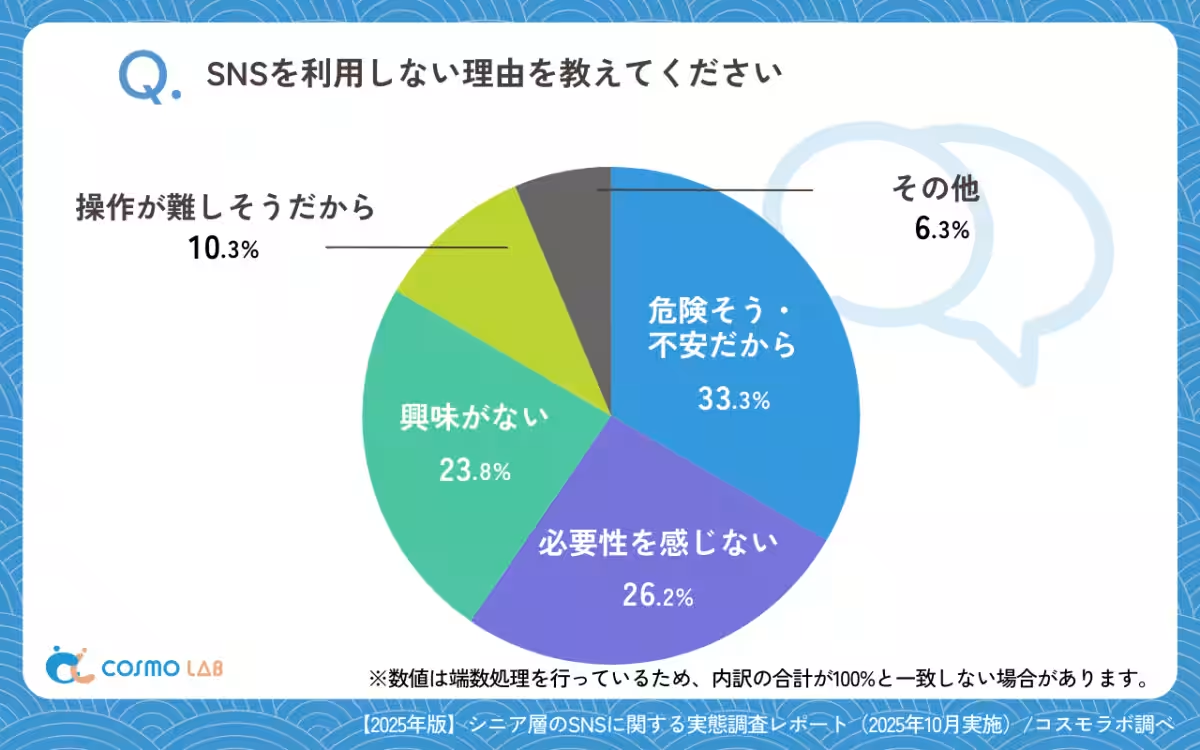
For the 29.2% of seniors not engaged in social media, the most common reasons cited were feelings of danger or insecurity (33.3%) and a lack of perceived necessity (26.2%). This emphasizes the importance of addressing safety concerns and demonstrating the value of social media in their daily lives.
Conclusion
The survey conducted by Cosmo Lab reveals that social media is firmly entrenched in the lives of many seniors. With LINE leading the charge and a focus on practical information needs, the way seniors interact with digital media is evolving. Importance is placed on maintaining trust and security within these platforms, presenting opportunities for marketers and service providers to create supportive environments that encourage more seniors to engage positively and safely with social media. Emphasizing user-friendly design, regular updates on trustworthy information sources, and community-building will be essential to foster a more significant connection between seniors and the digital world.

Topics Consumer Technology)
【About Using Articles】
You can freely use the title and article content by linking to the page where the article is posted.
※ Images cannot be used.
【About Links】
Links are free to use.