



Training for Disaster Prevention Officials Held by JICA for Global Resilience
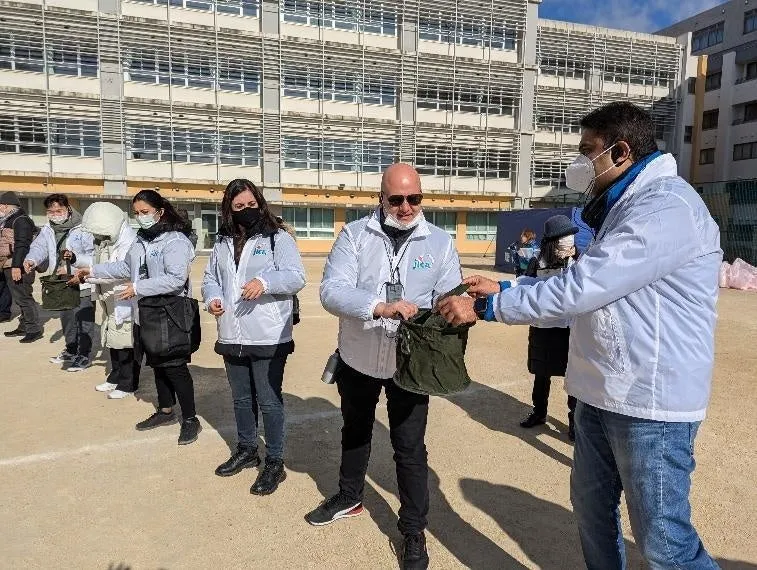
The Japan International Cooperation Agency (JICA), in collaboration with Hyogo Prefecture, has established the Disaster Risk Reduction Training Center (DRLC). This center serves as a hub for conducting various training programs aimed at disaster risk reduction, particularly for officials from developing countries. The upcoming training sessions are set to take place in January 2026.
These programs leverage Japan’s vast experience and knowledge in disaster management to equip participants with a deeper understanding of natural disasters. The goal is to empower these officials to develop effective disaster prevention plans and enhance human resources in their respective countries.
The focus of these training sessions is on creating sustainable and resilient communities through effective disaster risk management. Two distinct training courses are planned: one for officials in Central Asia and the Caucasus region and another for those in Latin America. In these courses, training will be delivered in the participants' native languages, Russian and Spanish, respectively.
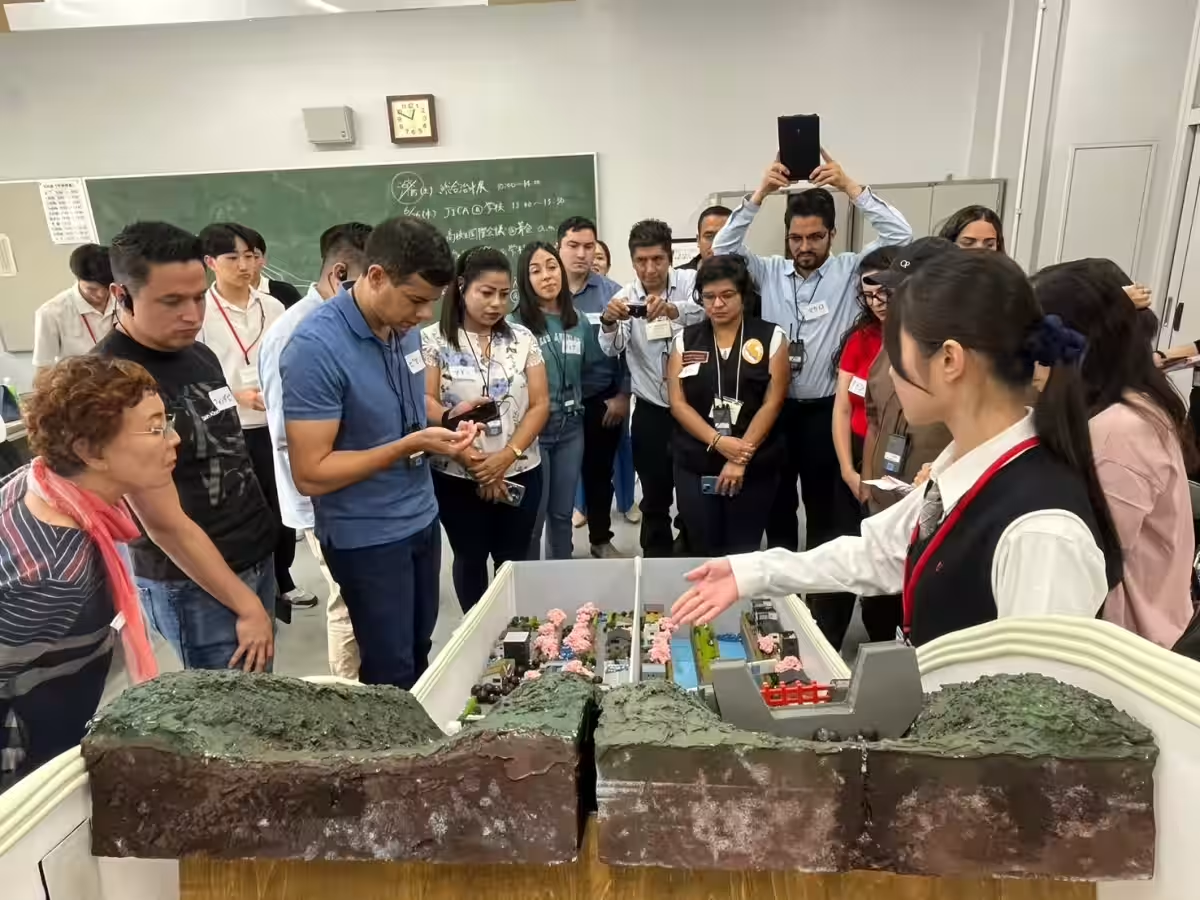
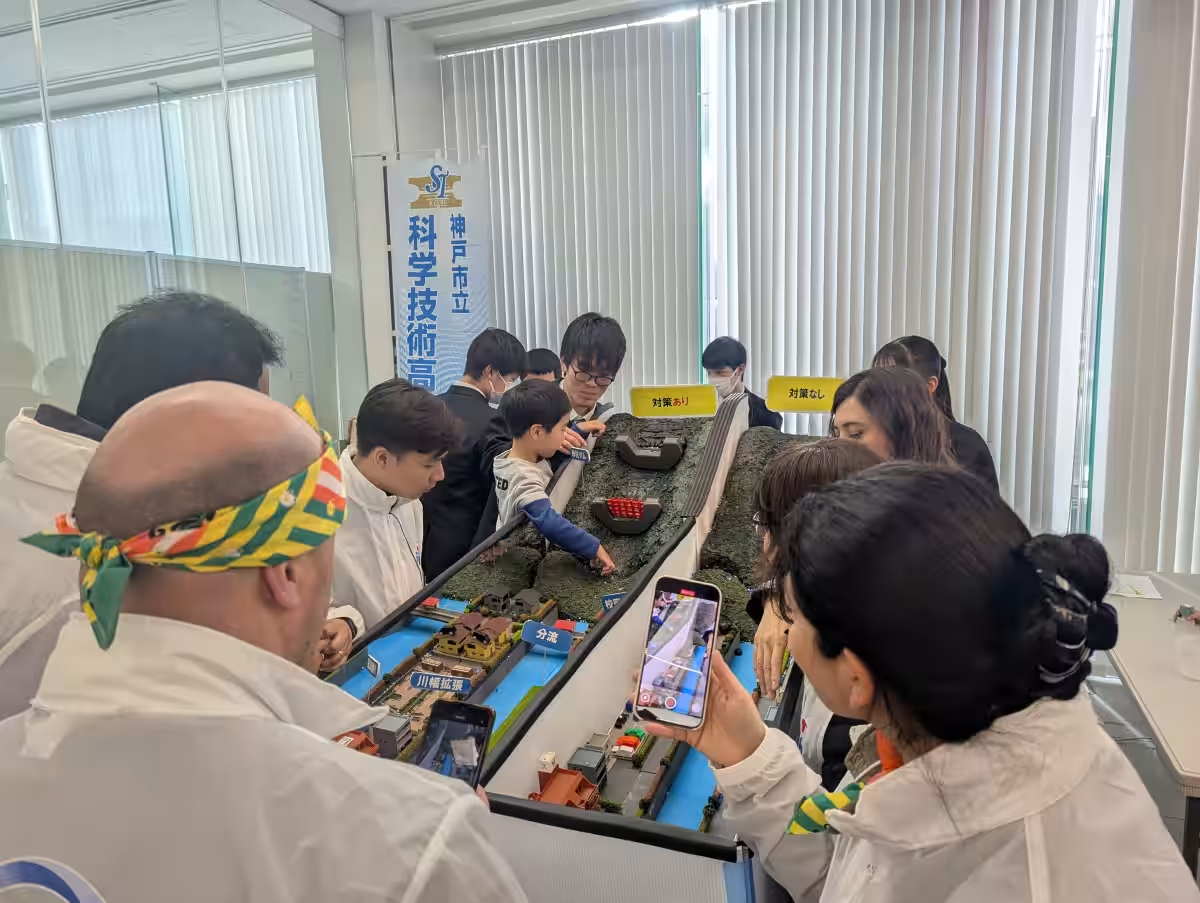
Participants from various countries, including Armenia, Uzbekistan, Kyrgyzstan, Tajikistan, and Mongolia, will engage in a series of workshops. The training will include basic concepts of disaster risk reduction, as well as practical exercises for formulating local disaster prevention plans based on appropriate risk assessments specific to their nations. Key site visits will include the flood control facilities in Nikko, the E-Defense facility in Hyogo, and several other disaster management centers in the area.
Officials from countries such as Costa Rica, the Dominican Republic, Guatemala, Honduras, Nicaragua, Panama, Brazil, Peru, and Mexico are expected to participate. This training will focus on sharing Japan's experience in disaster management, particularly looking at flood control measures in Kumamoto and volcanic disaster management surrounding Mount Fuji. Participants will also have the opportunity to learn about disaster risk reduction at the People and Disaster Future Center.
Training here aims to educate the officials on community-level disaster preparedness, highlighting the importance of self-help, mutual aid, and public assistance. Learning from Japan’s initiatives in community disaster prevention, officials will visit locations that exemplify proactive disaster response practices. Notable visits include local autonomous disaster organizations and regional agencies committed to enhancing public awareness and response capabilities.
Participating countries include the Philippines, East Timor, Maldives, Sri Lanka, Papua New Guinea, Solomon Islands, Jordan, Somalia, Serbia, and North Macedonia. The overall structure will foster understanding of local disaster plans and how to integrate community readiness into broader disaster strategies.
During their stay, participants will engage in several key events to enhance their learning experience further and network with local communities:
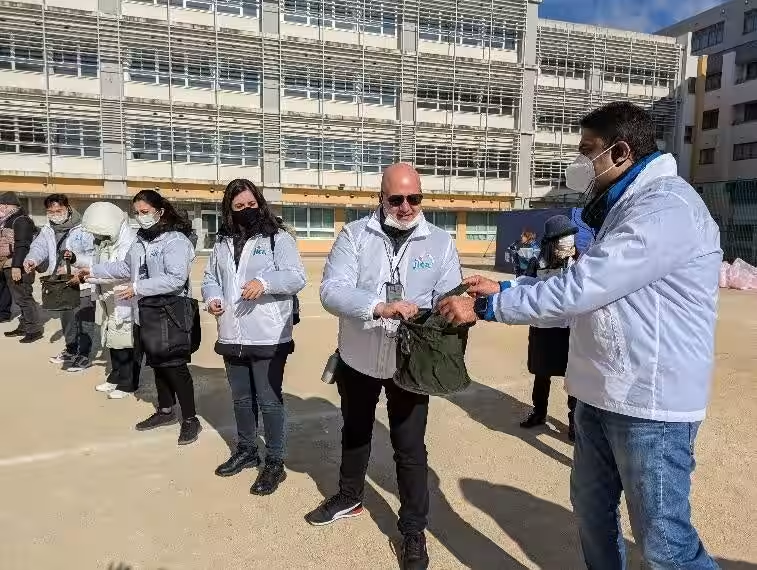
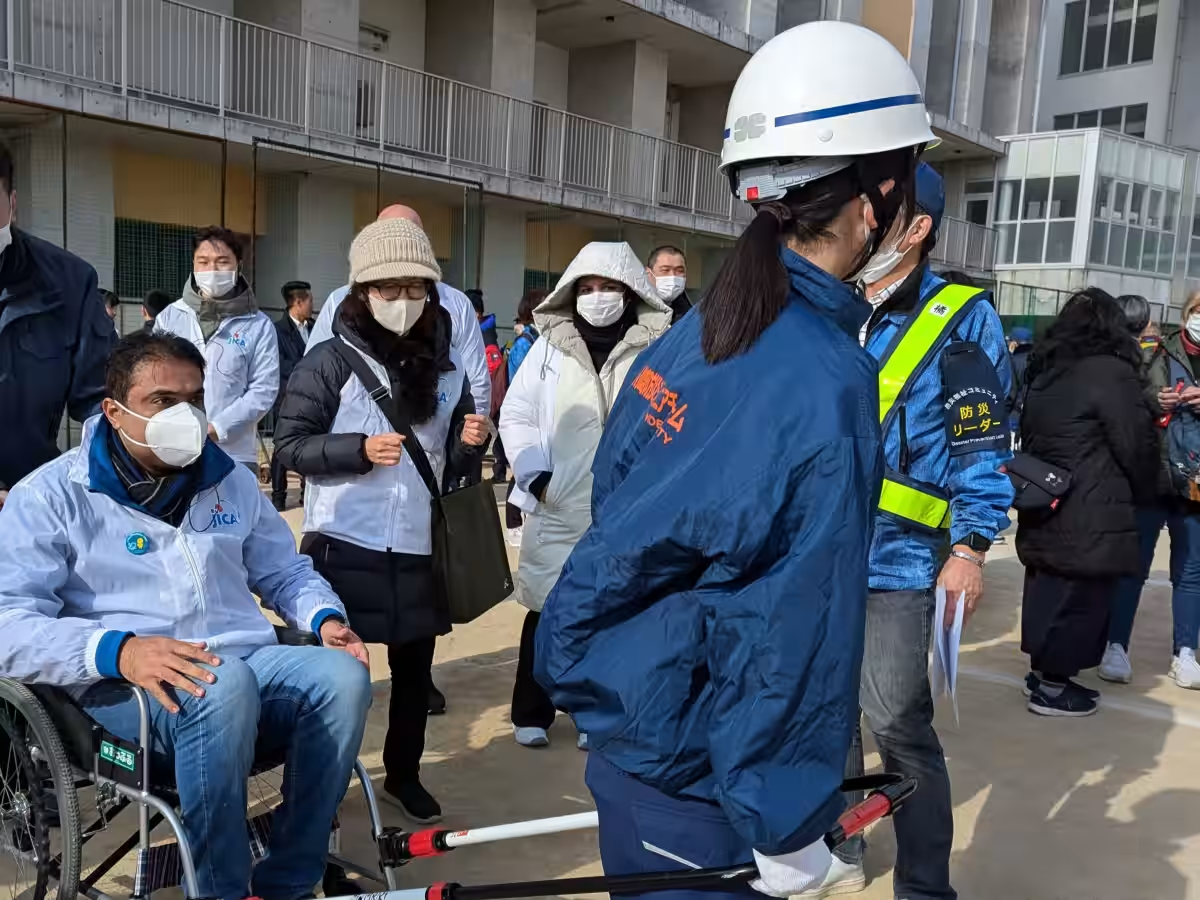
1. Disaster Gathering: On January 17, attendees will participate in a public drill that highlights the importance of community collaboration in disaster response.
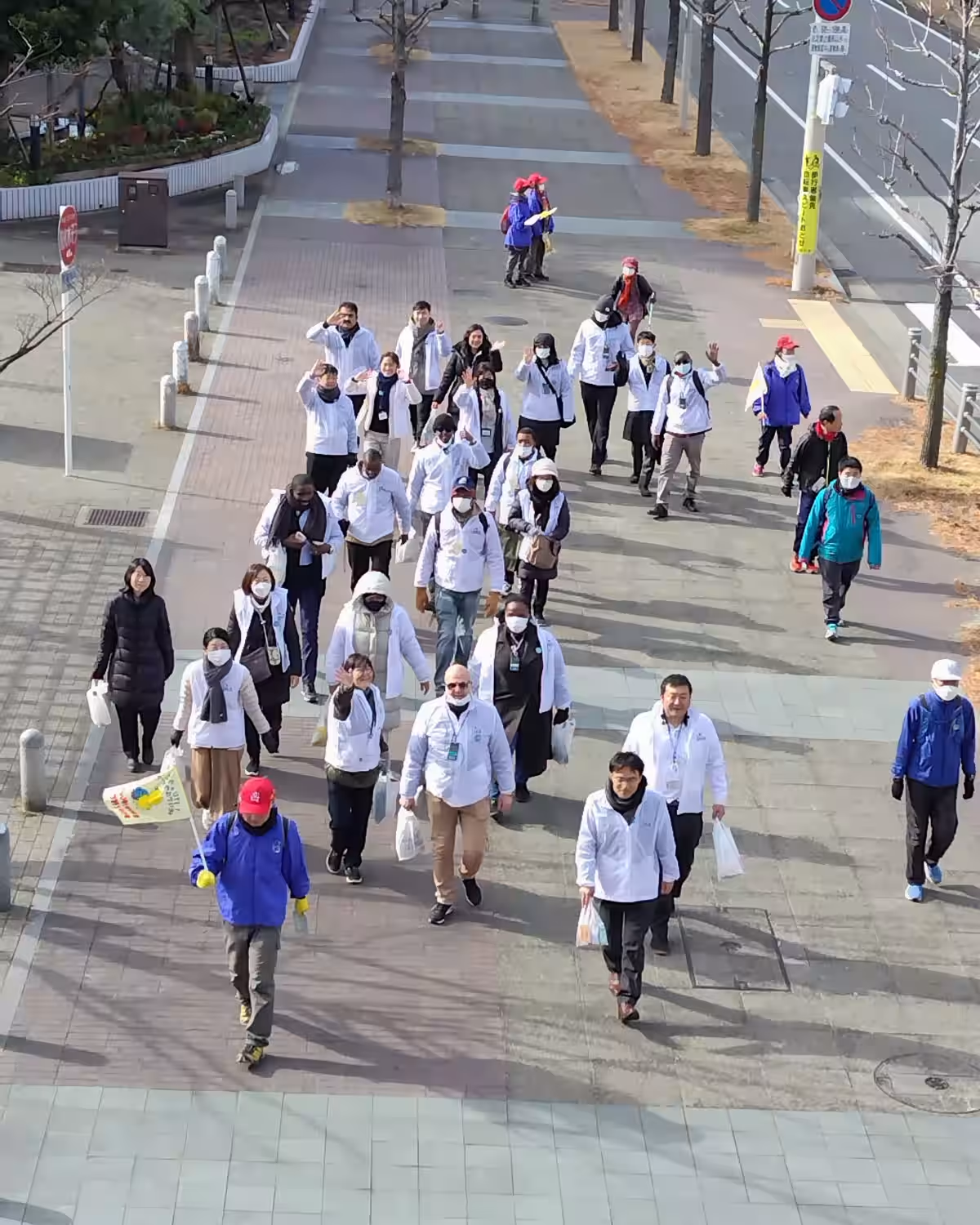
2. Hyogo Memorial Walk: Participants will partake in a symbolic walk to commemorate the 31st anniversary of the Great Hanshin-Awaji Earthquake, reinforcing the cultural significance of disaster resilience through collective remembrance.
3. Disaster Education Expo: Scheduled for January 25, this event will feature interactive booths and educational activities that highlight Japan's approach to disaster education, providing valuable insights for replication in participants' home countries.
Through these comprehensive programs, JICA is ensuring that the wisdom gained from Japan’s disaster experiences continues to inform and inspire global strategies for disaster risk reduction. These training sessions aim not only to prepare countries for future challenges but also to foster a shared commitment towards building resilient societies worldwide.
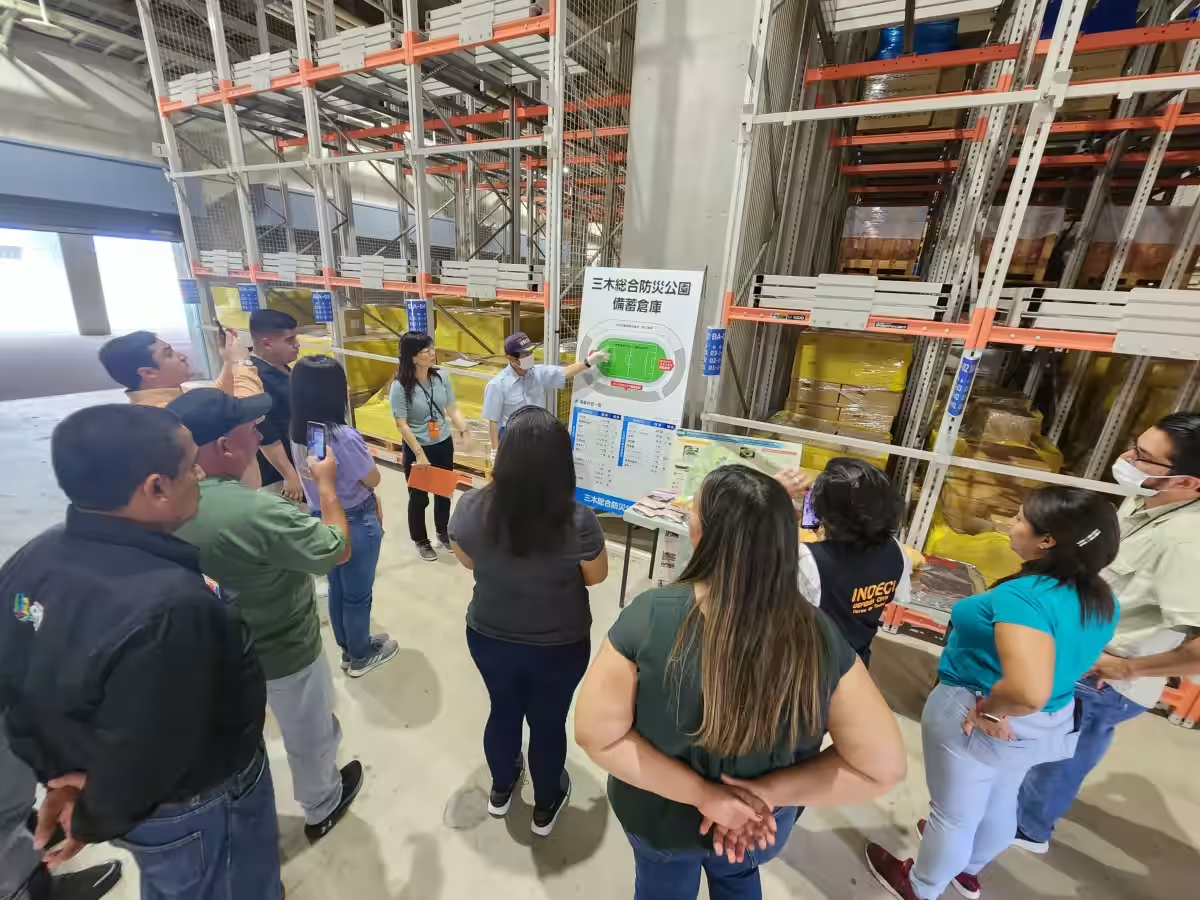
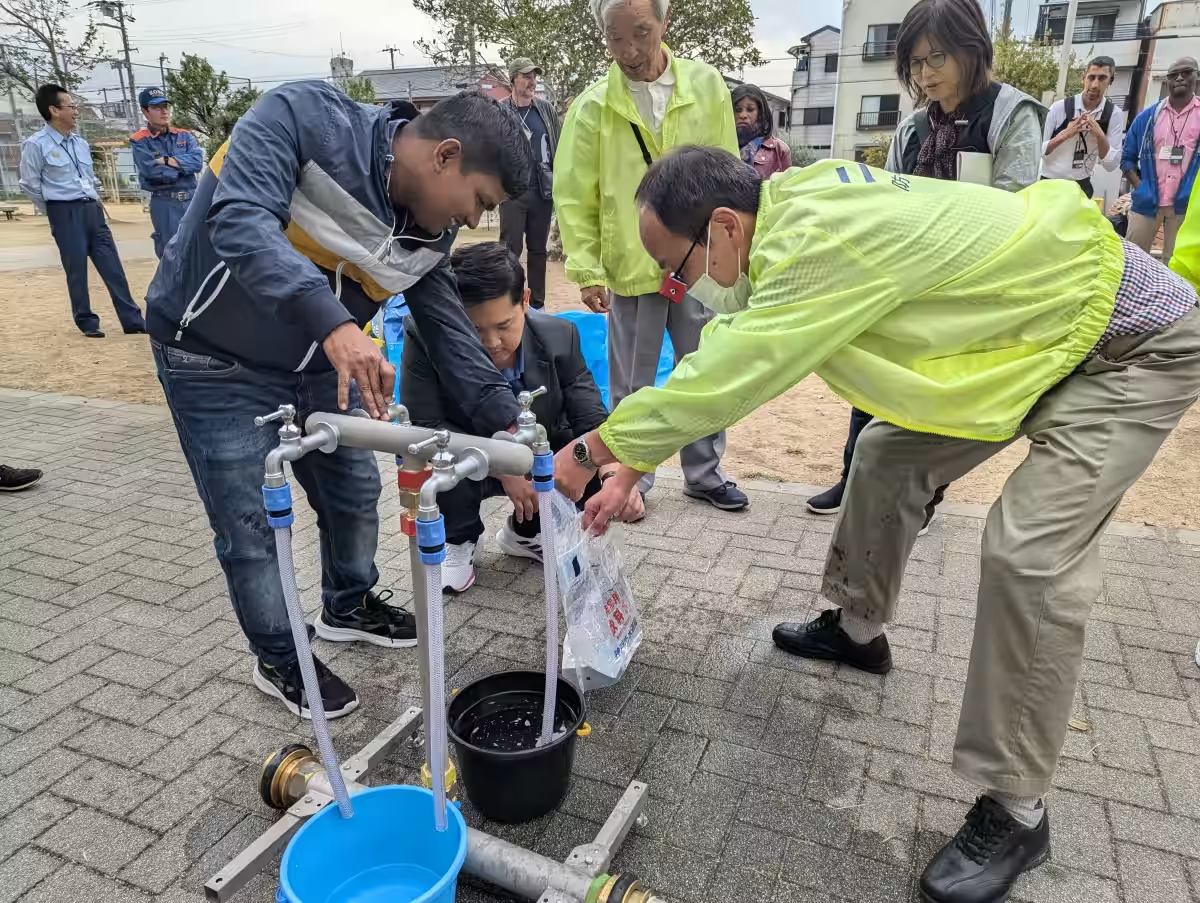
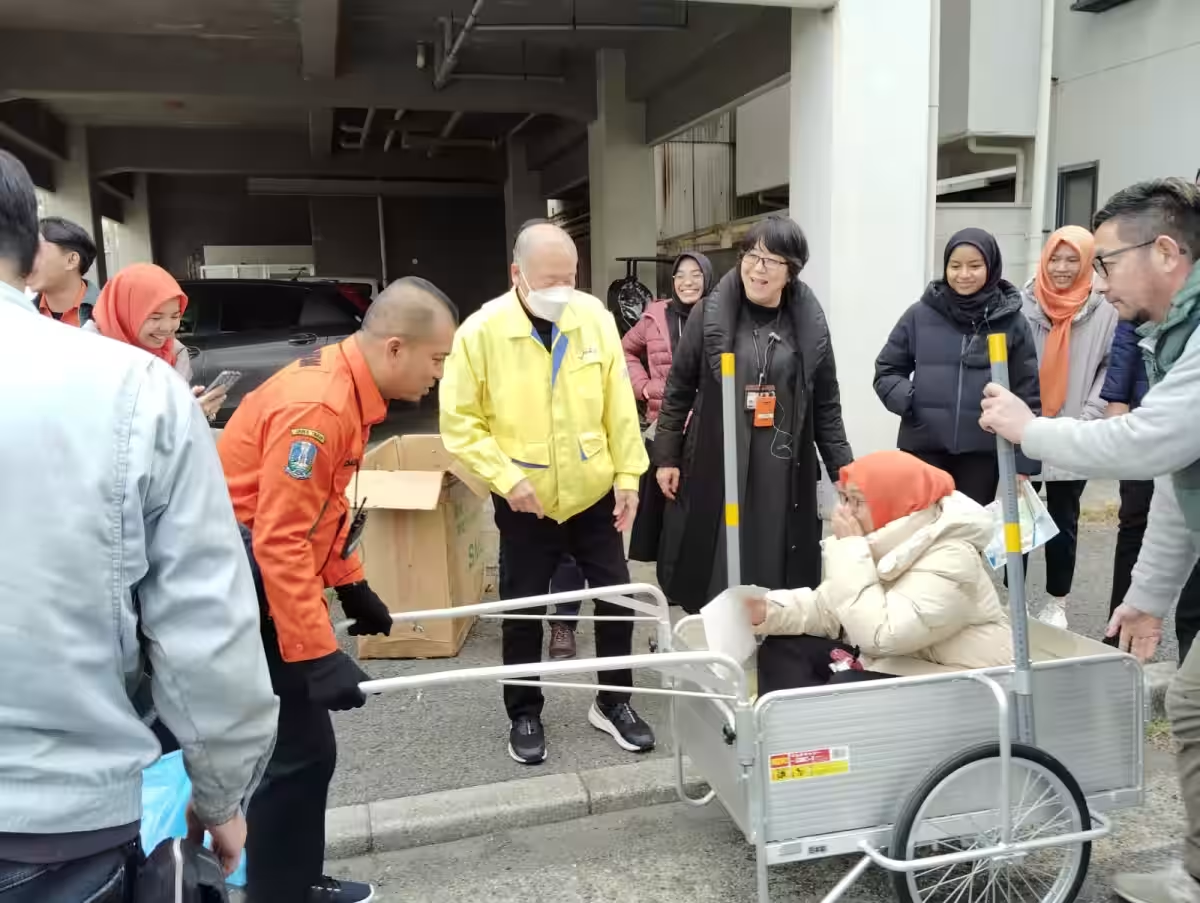
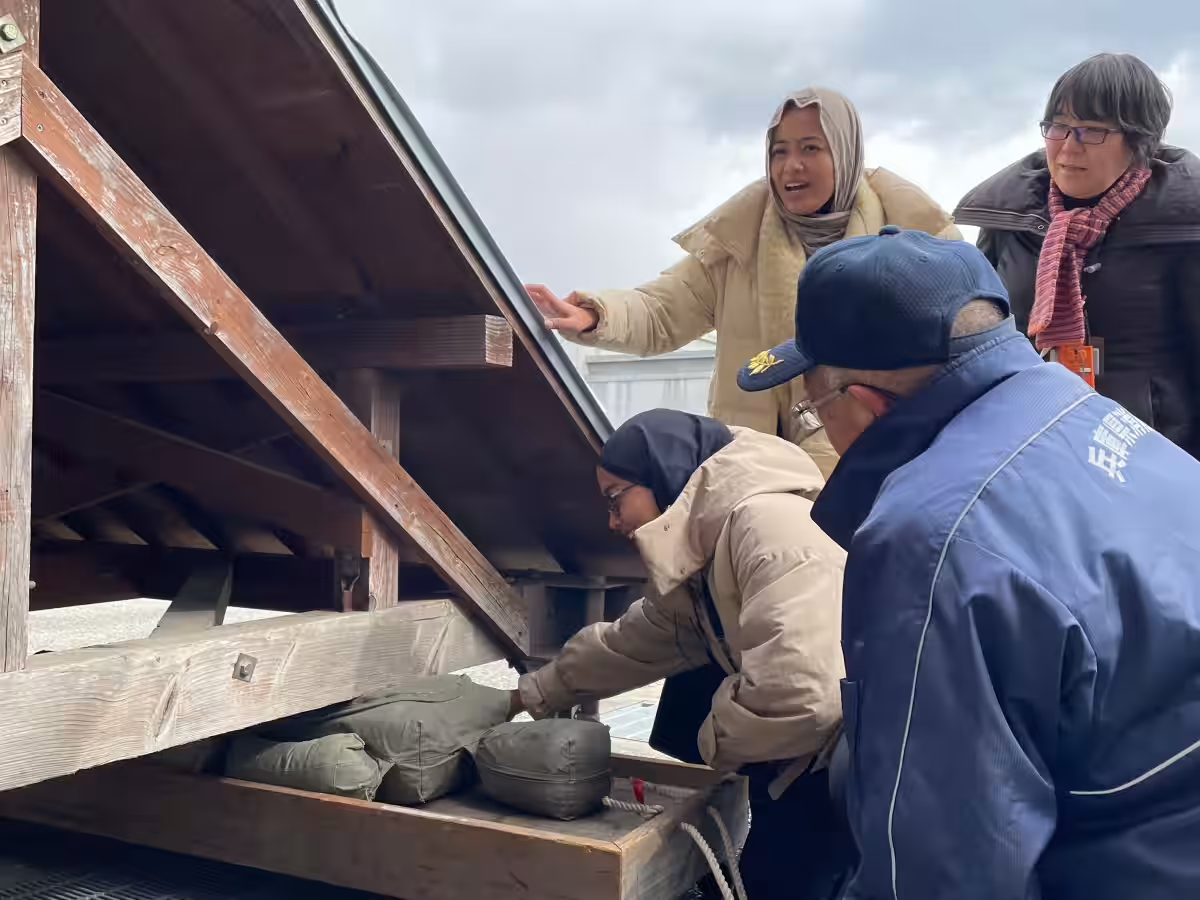
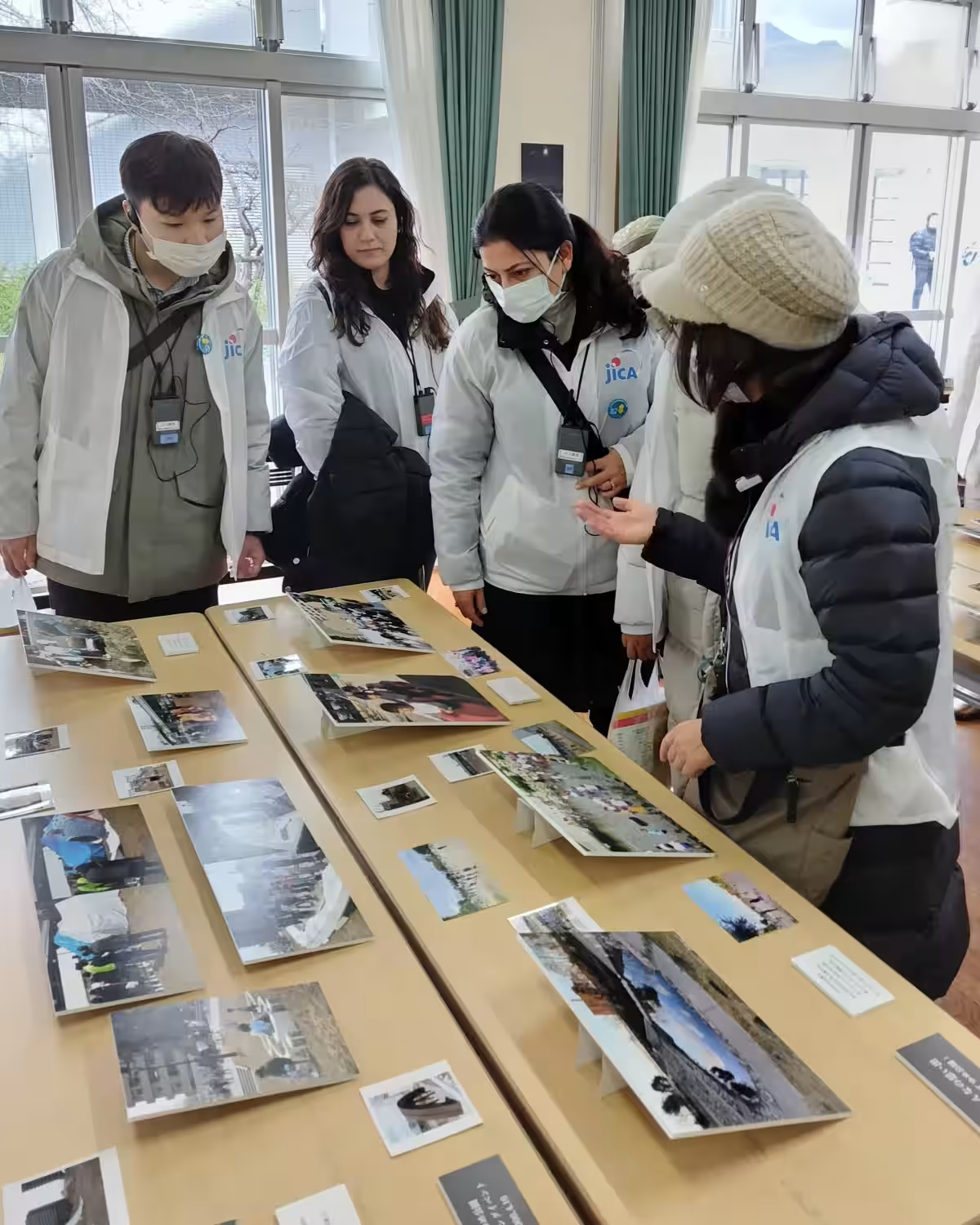
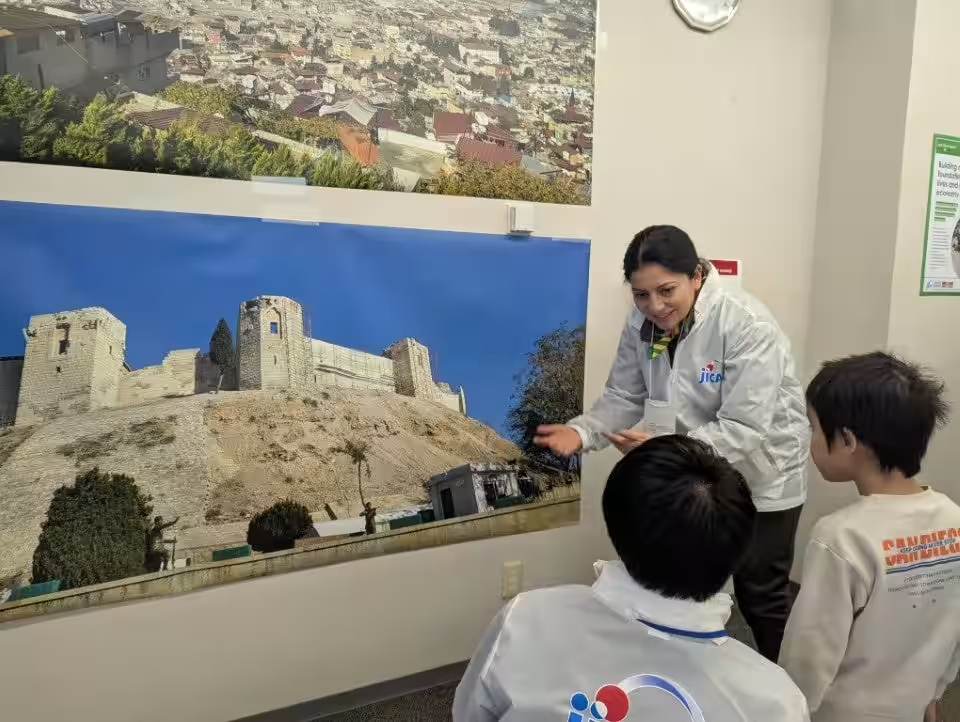
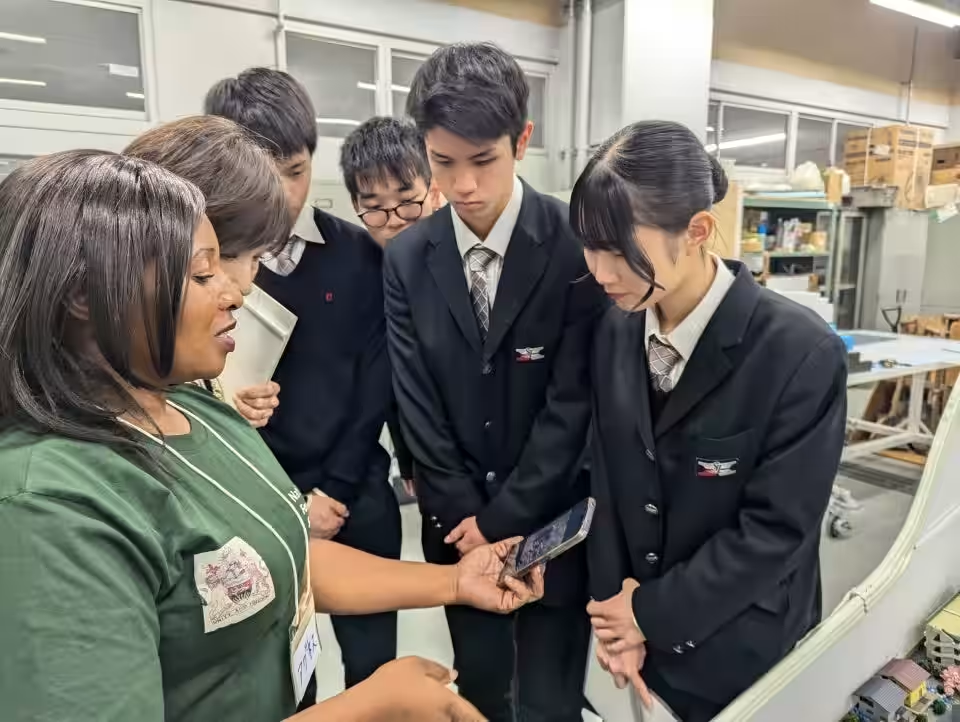
These programs leverage Japan’s vast experience and knowledge in disaster management to equip participants with a deeper understanding of natural disasters. The goal is to empower these officials to develop effective disaster prevention plans and enhance human resources in their respective countries.
The focus of these training sessions is on creating sustainable and resilient communities through effective disaster risk management. Two distinct training courses are planned: one for officials in Central Asia and the Caucasus region and another for those in Latin America. In these courses, training will be delivered in the participants' native languages, Russian and Spanish, respectively.
Overview of Training Programs
Central Asia and Caucasus
Participants from various countries, including Armenia, Uzbekistan, Kyrgyzstan, Tajikistan, and Mongolia, will engage in a series of workshops. The training will include basic concepts of disaster risk reduction, as well as practical exercises for formulating local disaster prevention plans based on appropriate risk assessments specific to their nations. Key site visits will include the flood control facilities in Nikko, the E-Defense facility in Hyogo, and several other disaster management centers in the area.
Latin America
Officials from countries such as Costa Rica, the Dominican Republic, Guatemala, Honduras, Nicaragua, Panama, Brazil, Peru, and Mexico are expected to participate. This training will focus on sharing Japan's experience in disaster management, particularly looking at flood control measures in Kumamoto and volcanic disaster management surrounding Mount Fuji. Participants will also have the opportunity to learn about disaster risk reduction at the People and Disaster Future Center.
Community-Based Disaster Prevention
Training here aims to educate the officials on community-level disaster preparedness, highlighting the importance of self-help, mutual aid, and public assistance. Learning from Japan’s initiatives in community disaster prevention, officials will visit locations that exemplify proactive disaster response practices. Notable visits include local autonomous disaster organizations and regional agencies committed to enhancing public awareness and response capabilities.
Participating countries include the Philippines, East Timor, Maldives, Sri Lanka, Papua New Guinea, Solomon Islands, Jordan, Somalia, Serbia, and North Macedonia. The overall structure will foster understanding of local disaster plans and how to integrate community readiness into broader disaster strategies.
Upcoming Events and Activities
During their stay, participants will engage in several key events to enhance their learning experience further and network with local communities:
1. Disaster Gathering: On January 17, attendees will participate in a public drill that highlights the importance of community collaboration in disaster response.
2. Hyogo Memorial Walk: Participants will partake in a symbolic walk to commemorate the 31st anniversary of the Great Hanshin-Awaji Earthquake, reinforcing the cultural significance of disaster resilience through collective remembrance.
3. Disaster Education Expo: Scheduled for January 25, this event will feature interactive booths and educational activities that highlight Japan's approach to disaster education, providing valuable insights for replication in participants' home countries.
Through these comprehensive programs, JICA is ensuring that the wisdom gained from Japan’s disaster experiences continues to inform and inspire global strategies for disaster risk reduction. These training sessions aim not only to prepare countries for future challenges but also to foster a shared commitment towards building resilient societies worldwide.
Topics Other)
【About Using Articles】
You can freely use the title and article content by linking to the page where the article is posted.
※ Images cannot be used.
【About Links】
Links are free to use.