



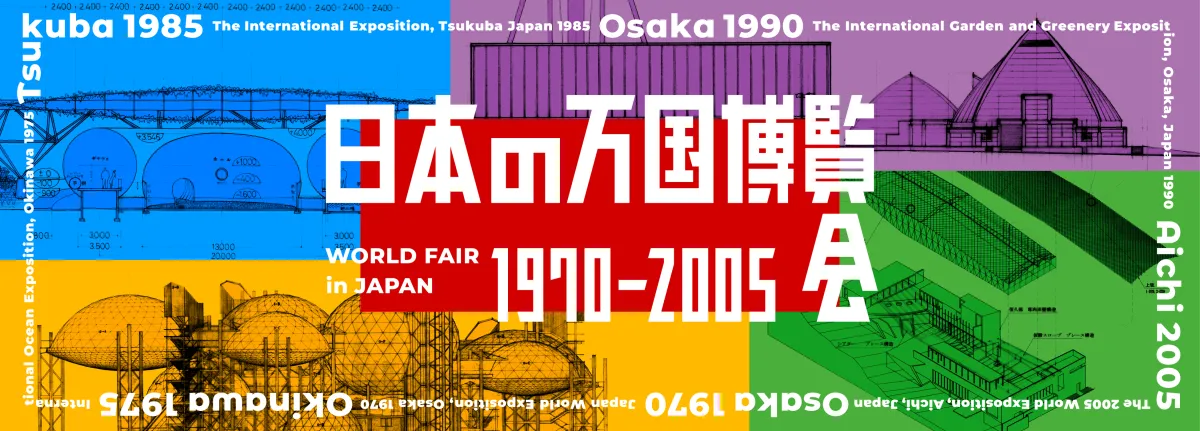
Exploring Japan's World Expositions from 1970 to 2005: A Journey Through Architecture and Nature
Overview of the Exhibition
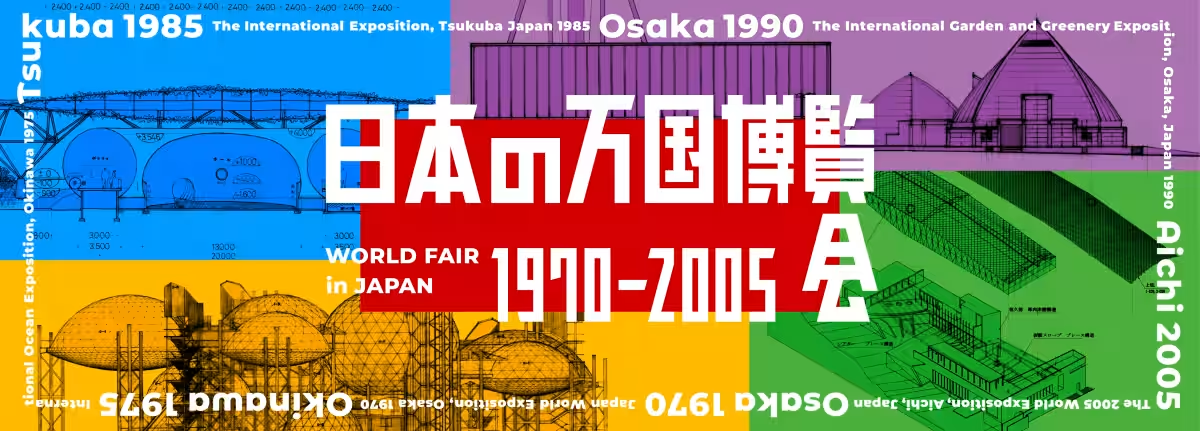
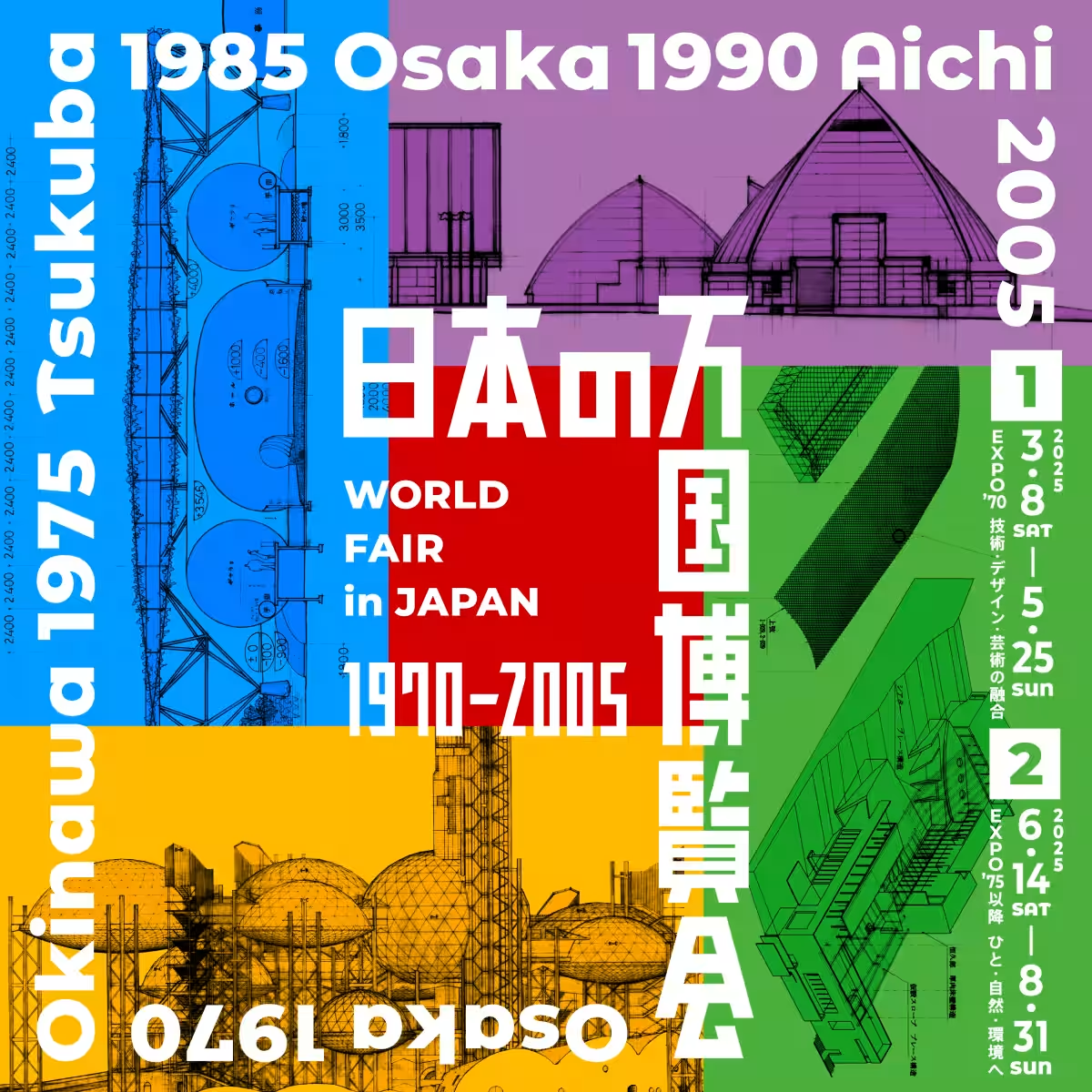
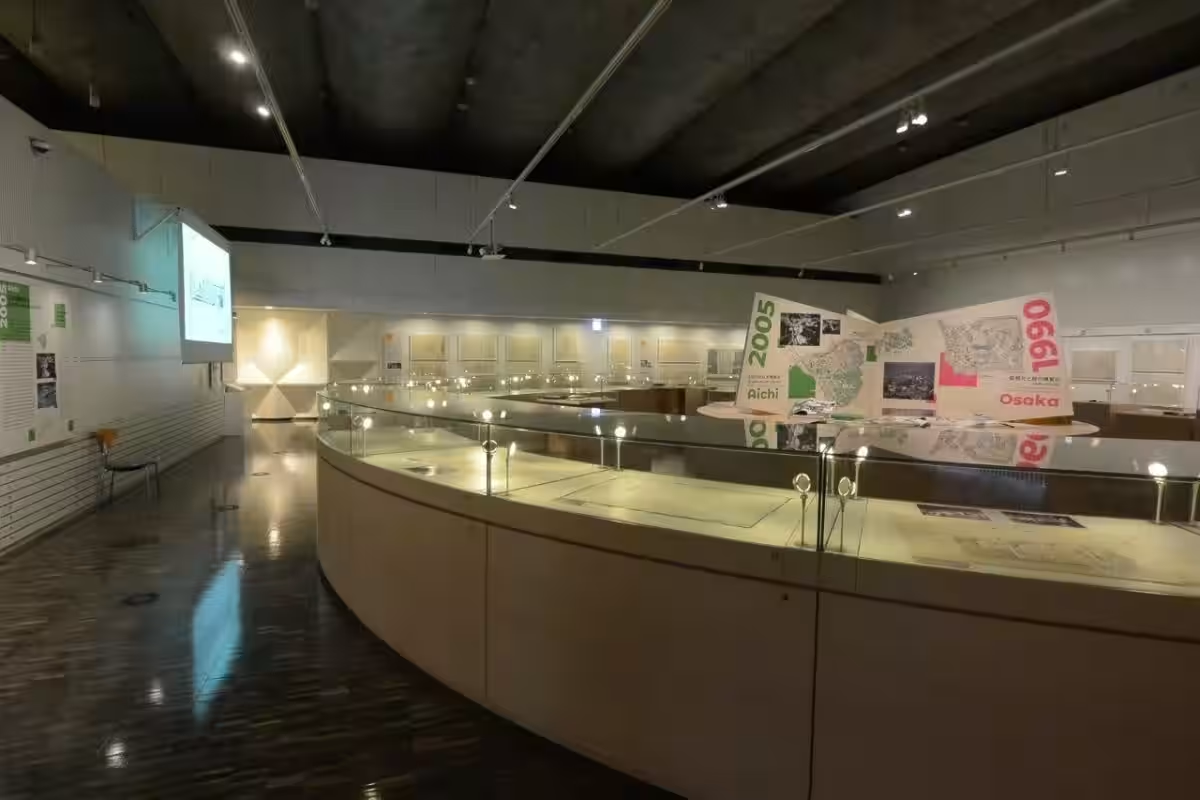
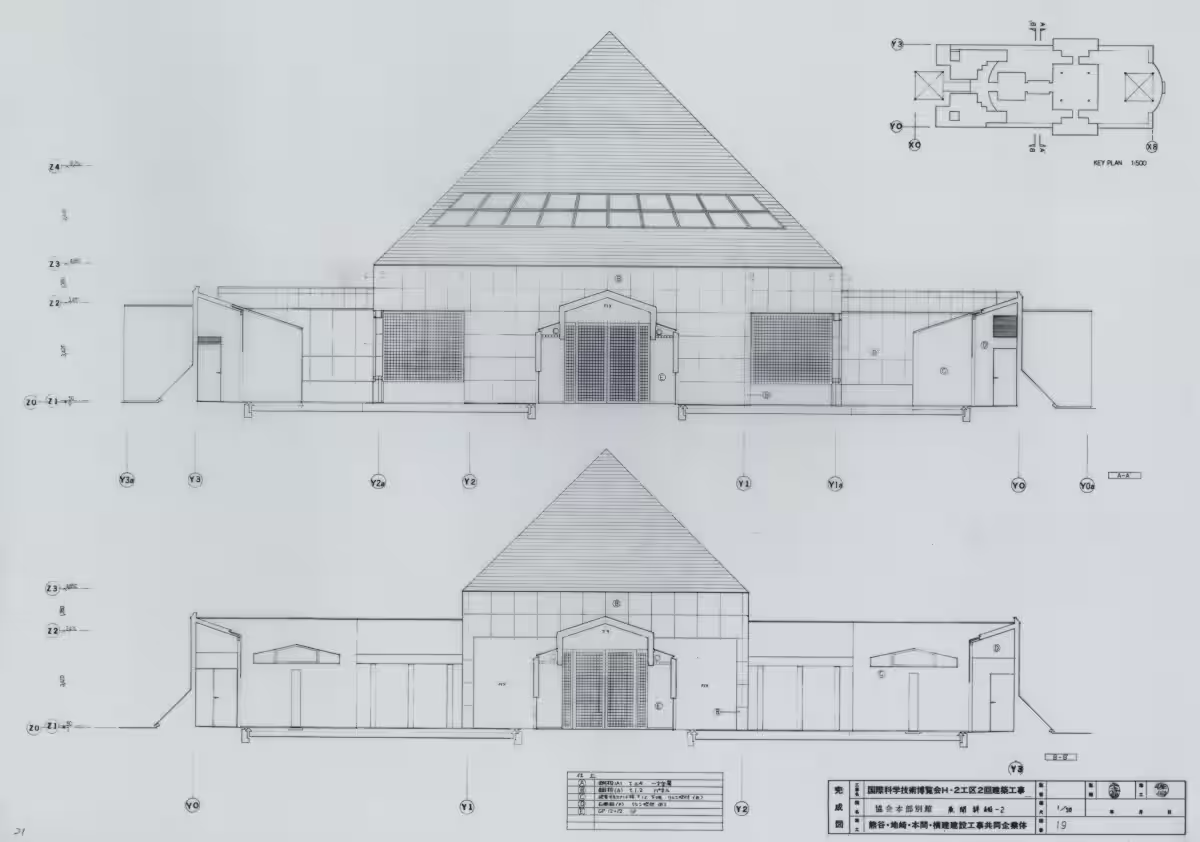
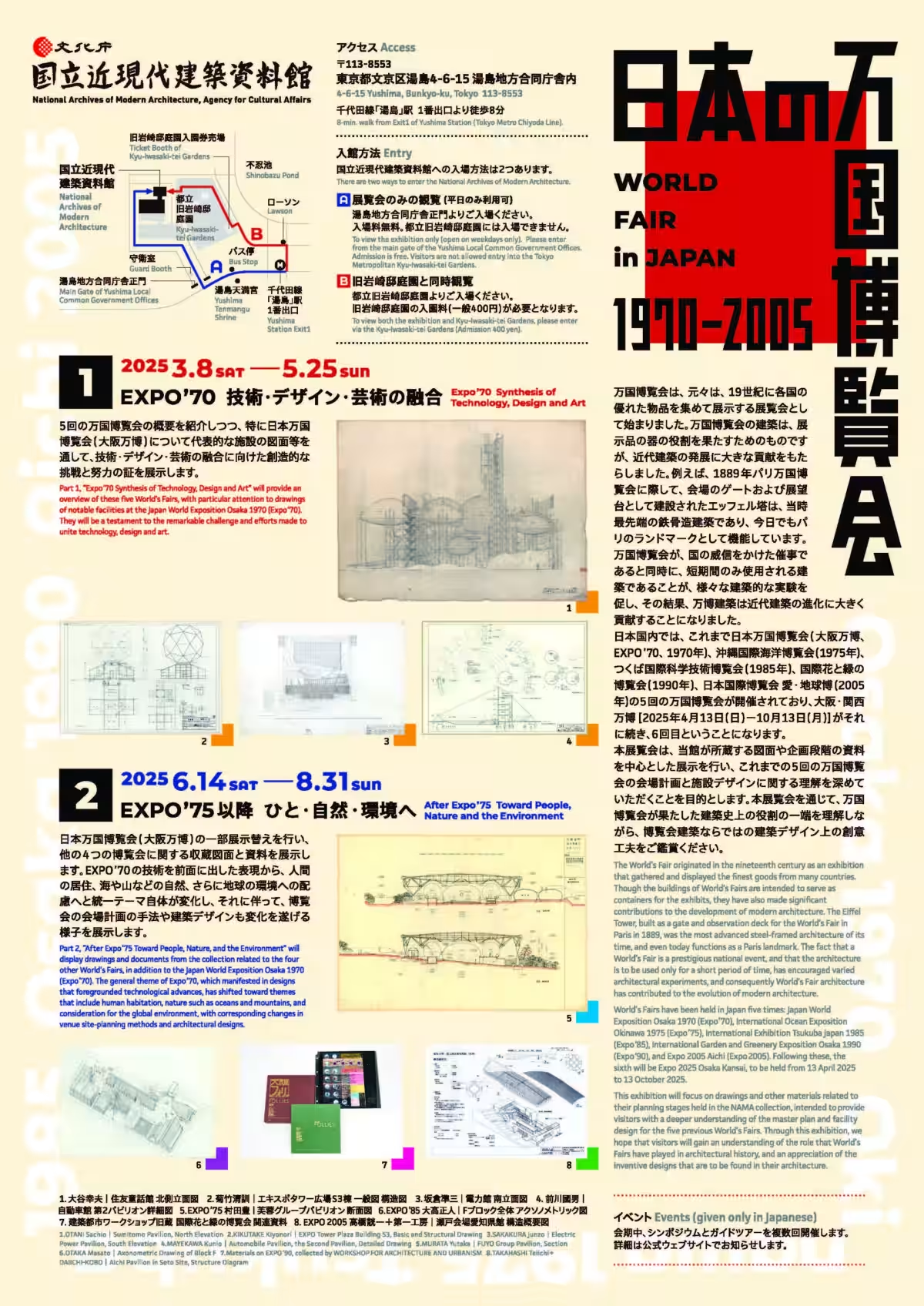
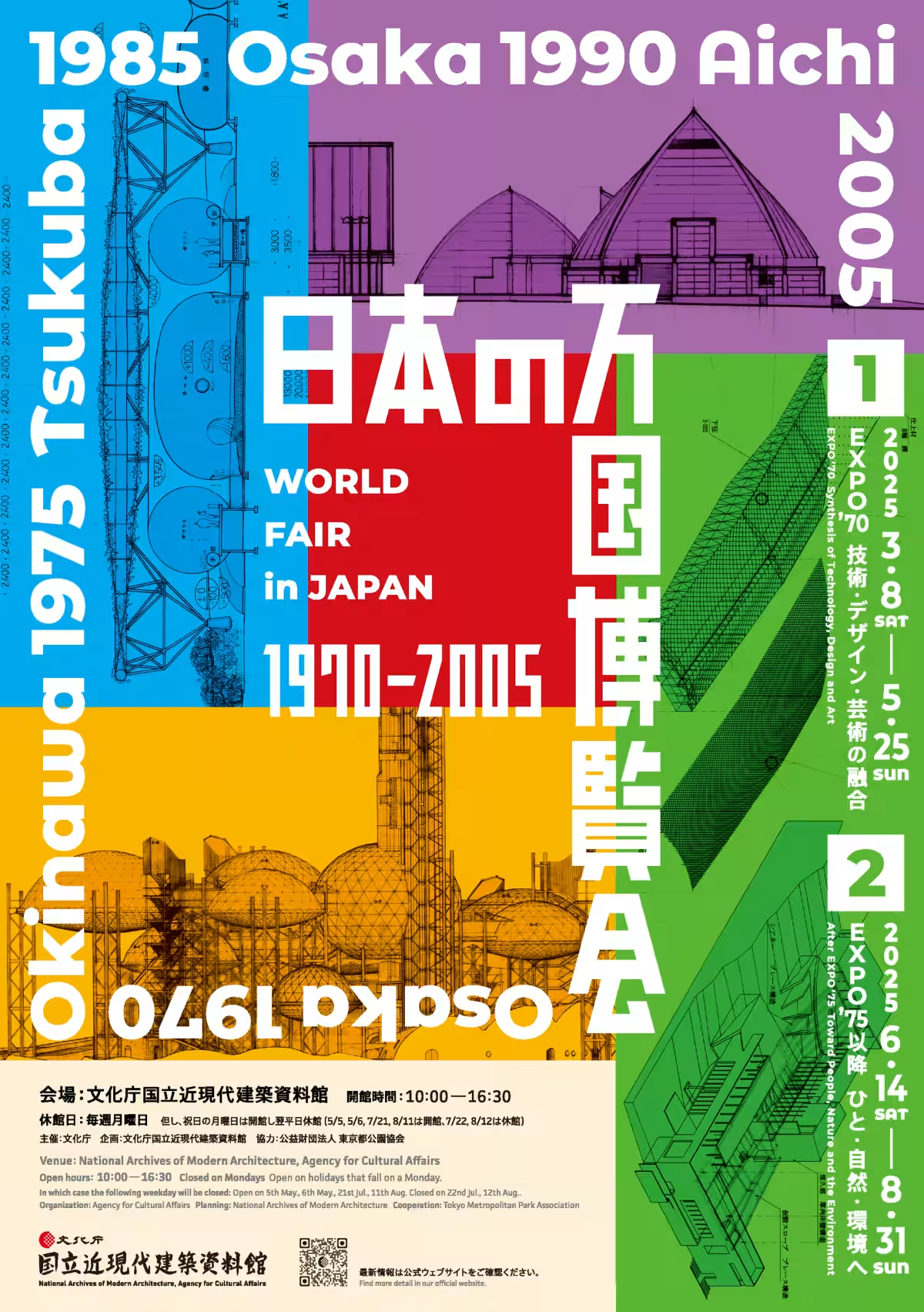
The upcoming exhibition titled 'Japan's World Expositions 1970-2005: Part II - Post EXPO'75: Man, Nature, and Environment' will be held from June 14 to August 31, 2025. This event is organized by the Cultural Agency and the National Museum of Modern Architectural Heritage. The exhibit aims to enhance the public's understanding of the architectural design and venue planning of Japan's five World Expositions. It will feature a collection of blueprints and documents that illustrate the development of these events over the decades.
Historical Context
World Expositions, known as international exhibitions or expos, began in the 19th century primarily to display the world's finest goods. Today, under the BIE Convention established in 1928, these events have evolved into a significant global framework that includes diverse exhibits, events, and entertainment.
The architectural marvels created for these expositions have not only served as venues for the displays but have also contributed significantly to the evolution of modern architecture. For instance, the Crystal Palace showcased in the 1851 London Expo was a groundbreaking feat, boasting glass walls framed in iron, signaling the dawn of an era defined by these materials. Similarly, the Eiffel Tower, constructed for the 1889 Paris Expo, stands as a testament to innovative architectural practices of its time and remains an iconic symbol of Paris.
Japan has hosted five major World Expositions, beginning with Expo '70 in Osaka, followed by the Okinawa International Ocean Expo in 1975, the Tsukuba International Science and Technology Exposition in 1985, the International Flower and Greenery Expo in 1990, and the Aichi Earth Expo in 2005. The upcoming Osaka-Kansai Expo, scheduled for April 13 to October 13, 2025, marks Japan’s sixth exposition.
Exhibition Highlights
In the second part of this exhibition, the spotlight will be on the developments following EXPO'75, emphasizing themes of human living spaces, natural environments, and environmental consciousness. The transformation from a technology-centric theme in EXPO'70 to one that focuses on nature and community is profound.
Section 1 focuses on the Japan World Exposition with notable displays such as Kenzo Tange's designs for the central facility, Kenzō Kuma's Expo Tower, and other significant structures that illustrate the artistic vision of their creators.
The exhibit will include:
- - Kenzō Tange - Main Facility Plan (Covering Rooftop and Festival Square)
- - Kikuo Takabatake - Expo Tower
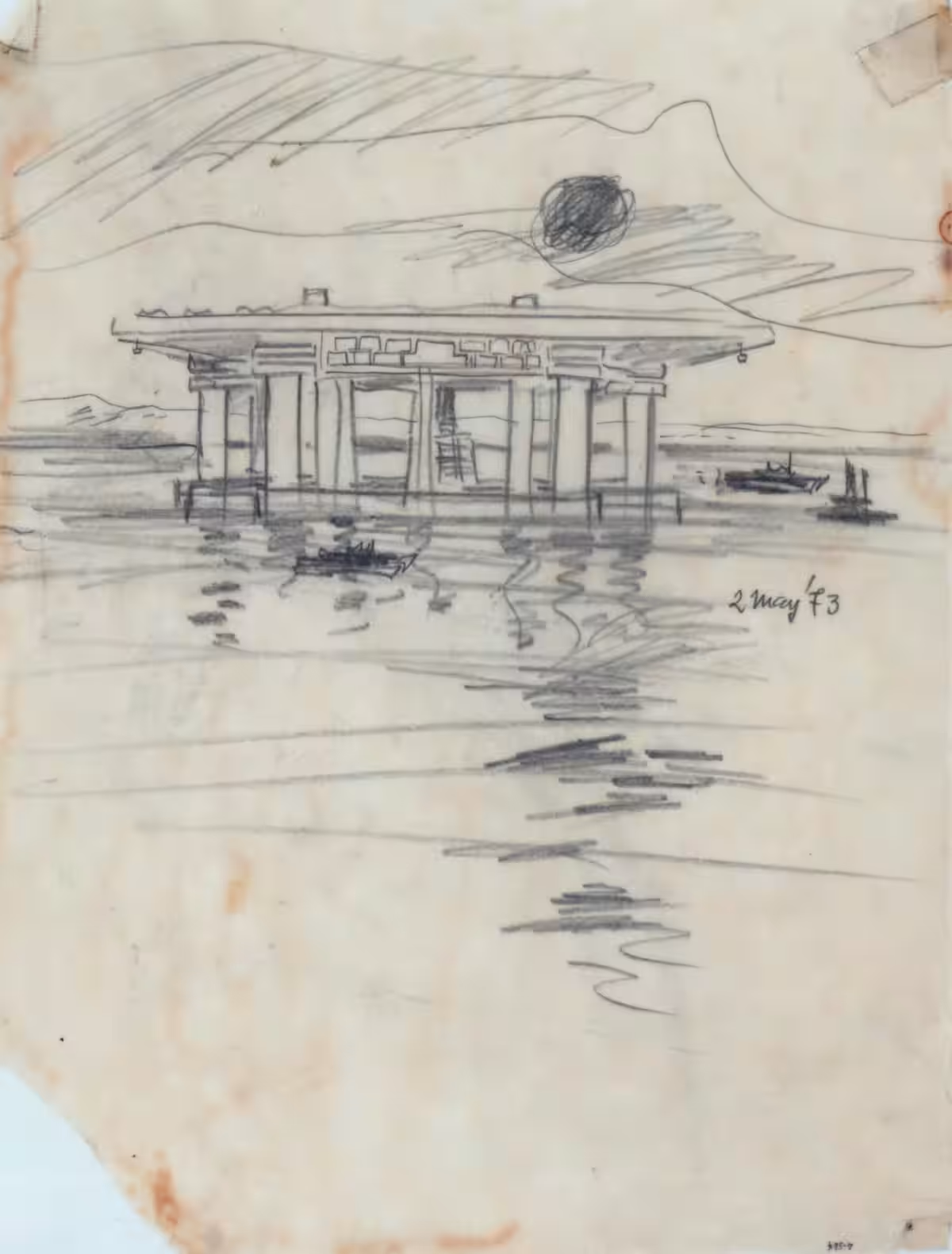
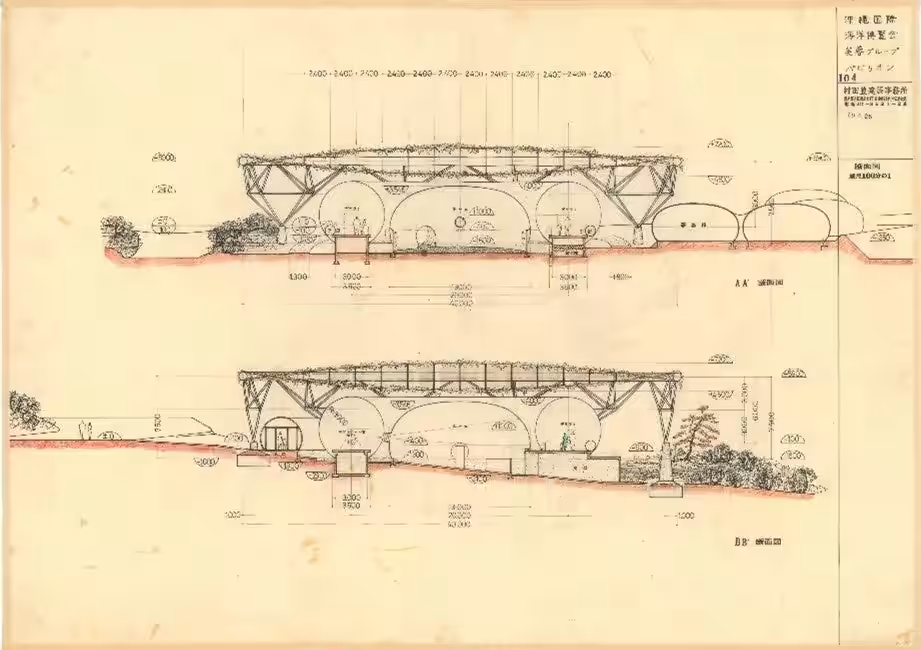
Section 2 addresses the Okinawa International Ocean Expo with key presentations focusing on maritime architecture.
Section 3 covers the International Science and Technology Exposition with materials related to venue planning and architecture.
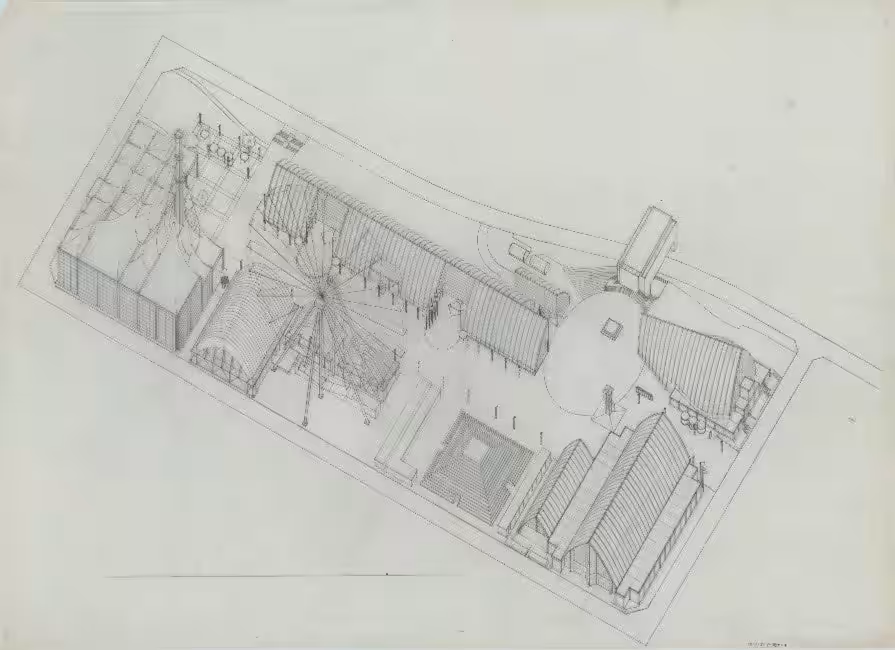
Section 4 delves into the International Flower and Greenery Expo, detailing significant architectural contributions from renowned architects.
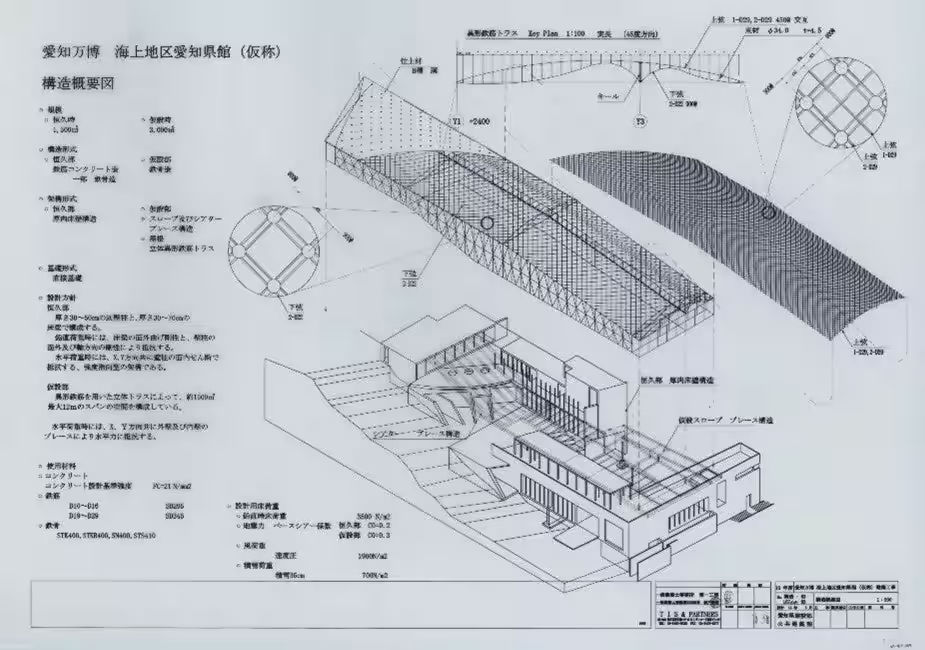
Finally, Section 5 will discuss the 2005 Aichi Expo, featuring innovative designs such as Kikuo Takabatake's Global Loop.
Engaging Activities
In addition to the exhibition, visitors are invited to participate in enriching activities:
1. Symposiums: Two symposiums will be conducted, tackling forgotten designs and their societal impacts, as well as revisiting the significance of EXPO'70.
2. Guided Tours: Hosted by museum staff on select dates, these tours will offer unique insights into the exhibition's features.
3. YouTube Documentaries: Oral histories from architects involved will be accessible on the Cultural Agency's YouTube channel.
Conclusion
This exhibition provides an exceptional opportunity to appreciate the architectural advancements and societal impacts Japan's World Expositions have achieved between 1970 and 2005. Each section offers a glimpse into the evolution of design, informing visitors of the architectural ingenuity that has shaped public spaces and international presentations over the decades. We hope the exploration of these historical and aesthetic narratives will leave a lasting impression on all attendees. For more details, visit the official website.
Topics Entertainment & Media)



【About Using Articles】
You can freely use the title and article content by linking to the page where the article is posted.
※ Images cannot be used.
【About Links】
Links are free to use.