




The Rise of Side Hustles: Exploring Success in Airbnb Investments
The Rise of Side Hustles: Exploring Success in Airbnb Investments
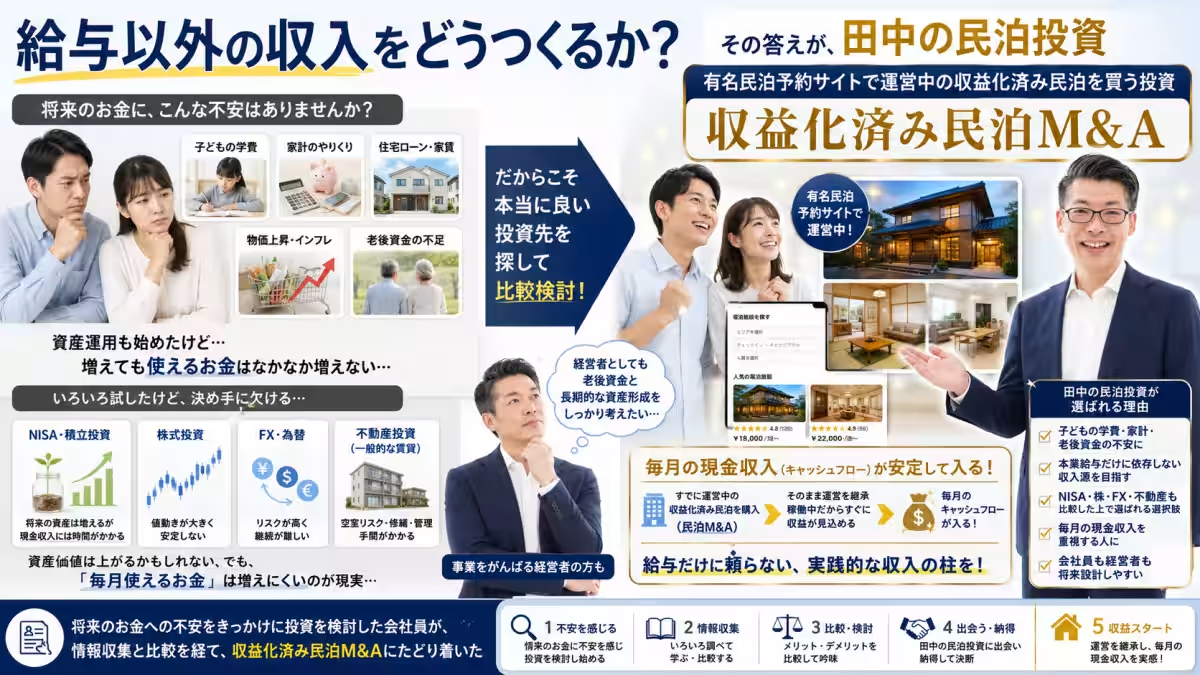
In recent times, there has been a notable increase in individuals taking on side hustles through short-term rental investments, particularly in the Airbnb sector. A case in point is a dialogue with I-san, a company employee in his 40s from Aichi Prefecture, striving to achieve financial independence. He initially considered traditional real estate investments but found himself drawn to the unique opportunity of acquiring already profitable Airbnb properties through a method known as 'Profitable Airbnb M&A'. This article delves into I-san's journey and insights into why he opted for Airbnb investments over traditional real estate.
Understanding the Shift to Airbnb Investments
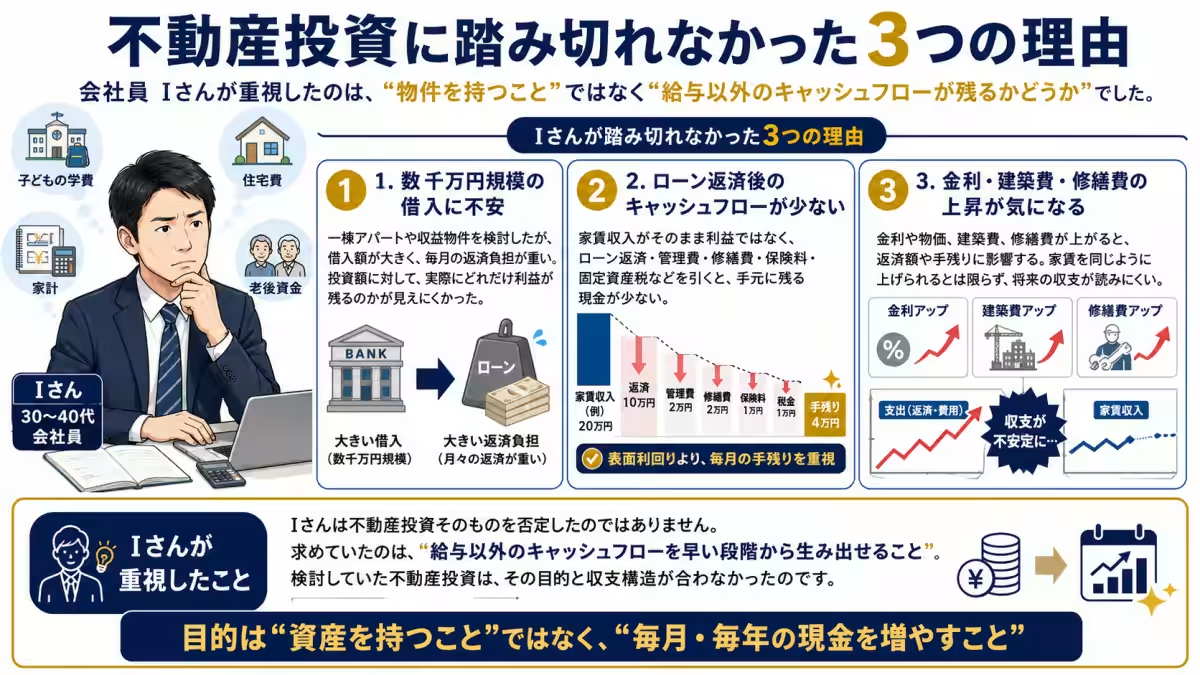
The traditional route of real estate investment involves buying properties, obtaining loans, and managing rental income, which can be daunting for many. I-san had been exploring various avenues for investing in real estate since 2022, receiving advice from real estate investment firms and banks. Despite his interest, he hesitated at the thought of borrowing millions in loans, which naturally came with anxieties surrounding monthly repayments and the sustainability of profit generation post-expenses.
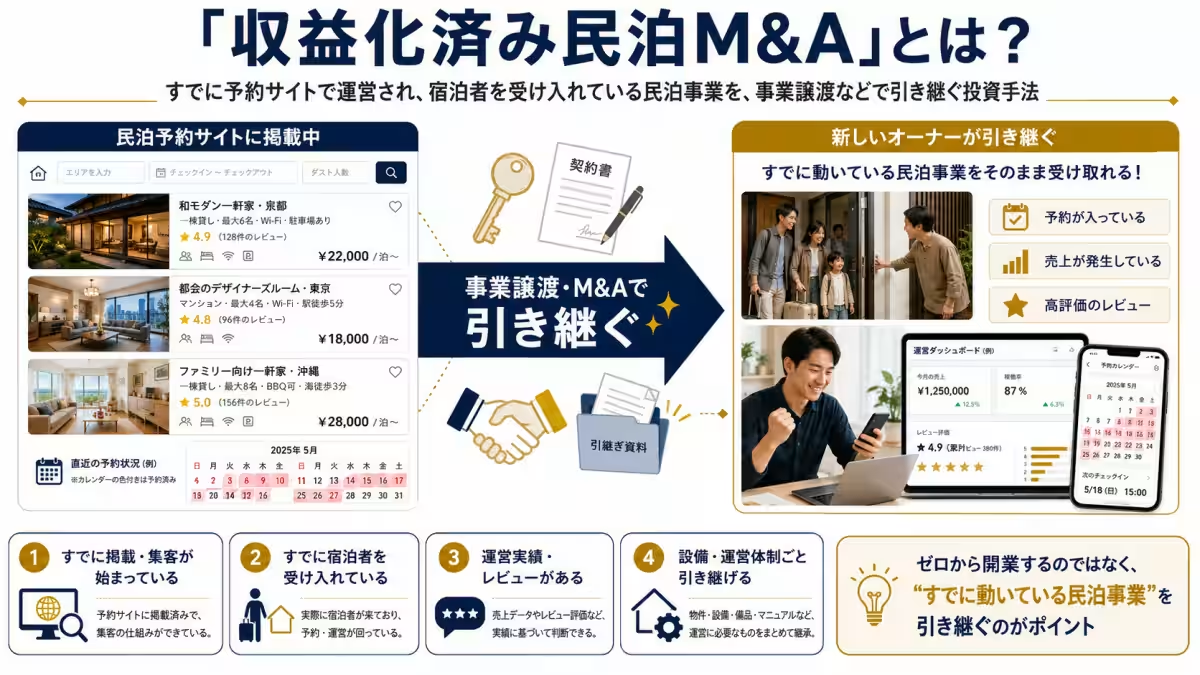
This led him to discover 'Profitable Airbnb M&A'. This innovative approach allows investors to take over existing operations that are already making a profit on platforms like Airbnb. In I-san's case, this option seemed more aligned with his financial goals, prompting him to seek guidance from Tanaka's Airbnb investment program, which offers personalized support in analyzing potential investment opportunities.
The Conversation with I-san
During the dialogue with Tanaka, I-san shared his reasoning behind pursuing the Airbnb investment route:
1. Concerns Over Large Loans: I-san had been considering investing in multi-unit buildings but was wary of the hefty debts that would come with them. The prospect of understanding how much cash flow remained after loan repayments and operating expenses made him reconsider this approach.
2. Cash Flow Post-Repayment: He realized that traditional rental income models might not provide the cash flow he was seeking quickly enough. Investing in a profitable Airbnb business could potentially generate revenue sooner, aligning with his objectives of enhancing his income for family expenses like children's education and retirement savings.
3. Changing Interest Rates and Costs: The financial landscape of real estate is ever-evolving. With rising interest rates and construction costs, I-san felt traditional real estate investments to be too risky.
Why Choose Profitable Airbnb M&A?
The alternative approach of Profitable Airbnb M&A presented a way forward. It allows investors to acquire a business that has already proven its profitability through operational history rather than starting from scratch, which carries more risk and uncertainty.
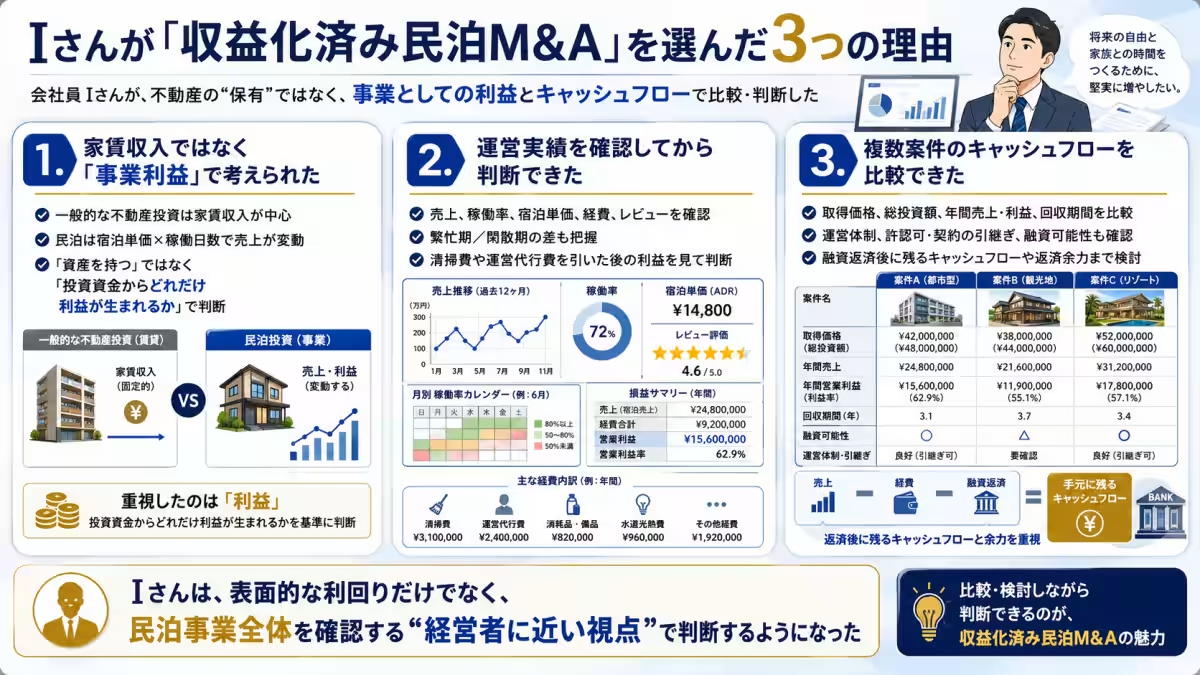
- - Evaluating Track Record: With this method, I-san can assess various parameters from previous sales, occupancy rates, and guest reviews to make informed decisions about potential investments.
- - Business Model Over Real Estate: He appreciates viewing the investment as a part of the hospitality sector rather than just acquiring a physical asset. This shift in perspective has changed the way he evaluates potential returns.
- - Comparative Analysis: I-san is currently analyzing multiple profitable Airbnb projects that vary in scope and location, giving him comparability on cash flow potentials and profitability.
Supported by Tanaka’s Expertise
Tanaka's Airbnb investment framework doesn’t simply provide educational resources on general Airbnb practices; it comprehensively supports students through individual consultations, looking at the specifics of the deals, costs, and projected revenues. By analyzing each project closely, students like I-san can see the value not only from a cash flow view but also from the larger perspective of long-term business sustainability.
Furthermore, they benefit from Tanaka's established connections with financial institutions, including collaboration with Japan Finance Corporation, which supports employees in solidifying their business plans to secure funding for Airbnb investments.
Conclusion: A Future of Financial Freedom
I-san's experience highlights the evolution of side hustles in today's economic climate, showcasing how adaptable one can be when seeking diverse income sources. His transition from apprehensive first-time investor to a thoughtful, analytical prospective Airbnb owner underscores the empowerment that education and informed decision-making can provide.
As he navigates this journey, sharing his thoughts and experiences might inspire fellow employees stuck in the conventional mindset of income generation to rethink their paths towards financial security and fulfillment.











Topics Consumer Products & Retail)








【About Using Articles】
You can freely use the title and article content by linking to the page where the article is posted.
※ Images cannot be used.
【About Links】
Links are free to use.