



Kadoya's Sesame Future Project: Empowering Young Minds in Shodoshima
Kadoya's Commitment to Sustainable Practices
Founded 168 years ago, Kadoya Oil Co., a dedicated sesame oil manufacturer based in Tokyo, has embarked on a remarkable initiative—the 'Sesame Future Project on Shodoshima Island.' Amidst the peaceful backdrop of this beautiful island in Kagawa Prefecture, Kadoya aims to explore the potential of sesame while fostering a sustainable community through collaboration with local producers. This project not only emphasizes sesame cultivation but also focuses on revitalizing the region and enhancing education about food and industry for young students.
On September 8, 2026, Kadoya celebrated the fourth year of its project by offering a special field learning experience to 67 third-grade students from Toyonokuni Elementary School in Tonosho, Shodoshima. Engaging in hands-on agricultural activities, the students learned about sesame from planting to harvesting, deeply enhancing their understanding of the farming process. This educational outreach is part of a broader mission that began in 2024, all aimed at nurturing the next generation through experiential learning.
Engaging with Nature through Sesame
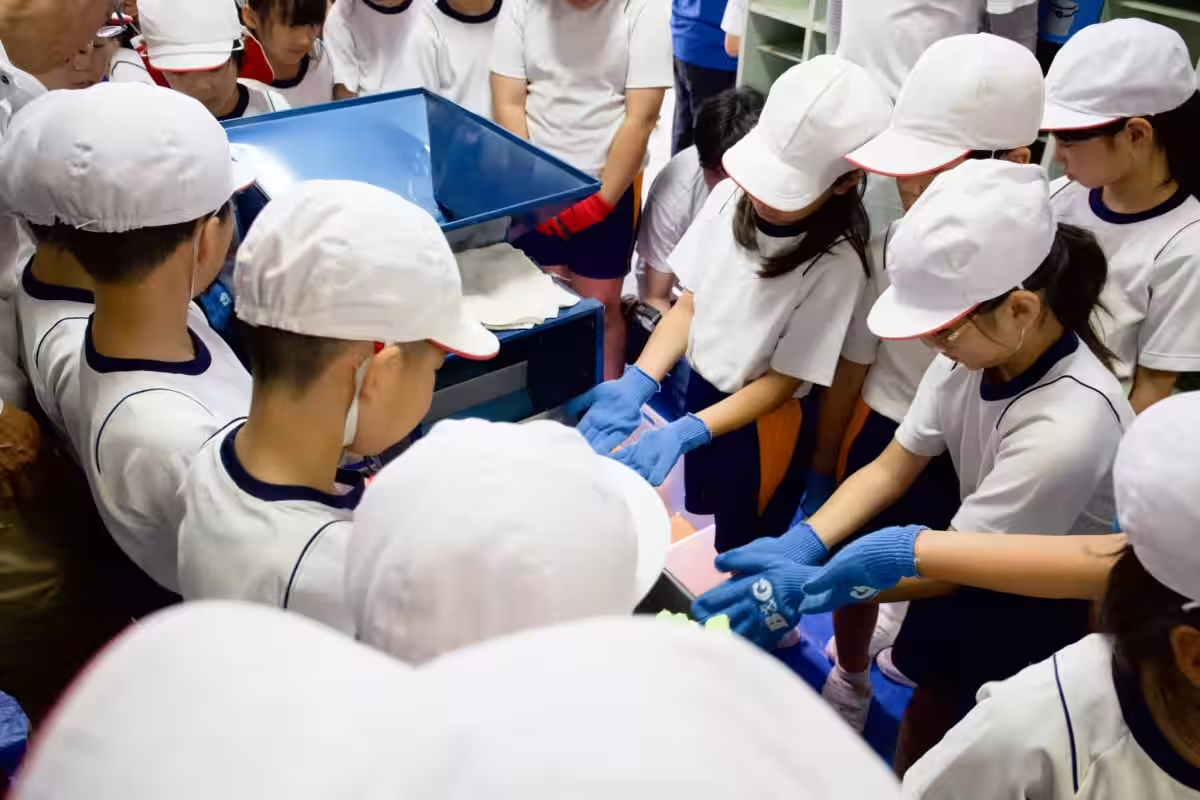
The objective of the program is to spark students' interest in food production and agriculture while enriching their understanding of local culture through direct engagement with the community's producers. This year’s fieldwork took place in a repurposed section of the defunct Shikai Elementary School, located in Ikisue, where students could extract sesame seeds from dried bundles. The spectacle of harvested sesame bundles elicited excited reactions from the children, who had never encountered such sights before.
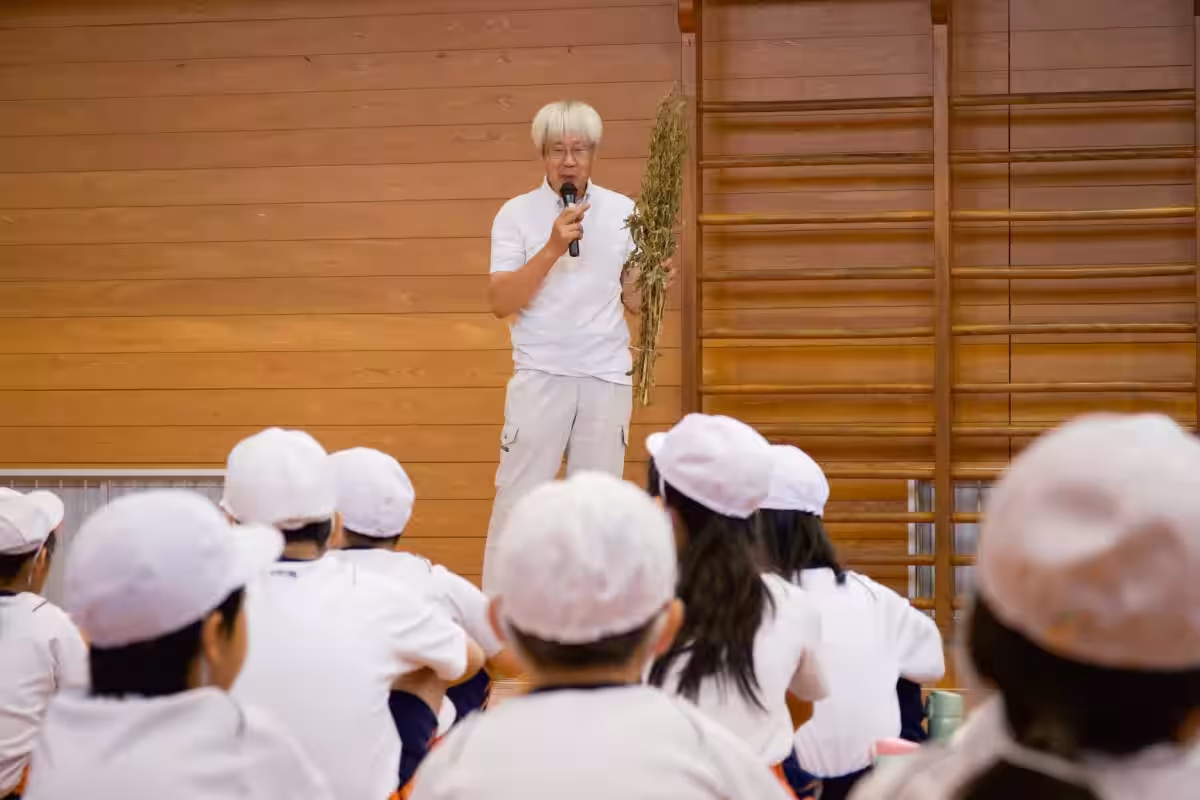
During the opening remarks, Maeda, the chairperson of the Local Production for Local Consumption Promotion Council, shared the foundation of this collaborative initiative:
"This council, now in its 13th year, aims to connect agricultural experiences with school life, an opportunity students don't typically have. The sesame harvested today will feature in school lunches next January. Enjoy your day with sesame!"
Following this, Mima from the Shodoshima Agricultural Improvement Center introduced the students to the particular sesame variety they would be working with, the "kin-goma" or golden sesame. He explained that the sesame seeds take about 100 days to grow from planting to harvest.
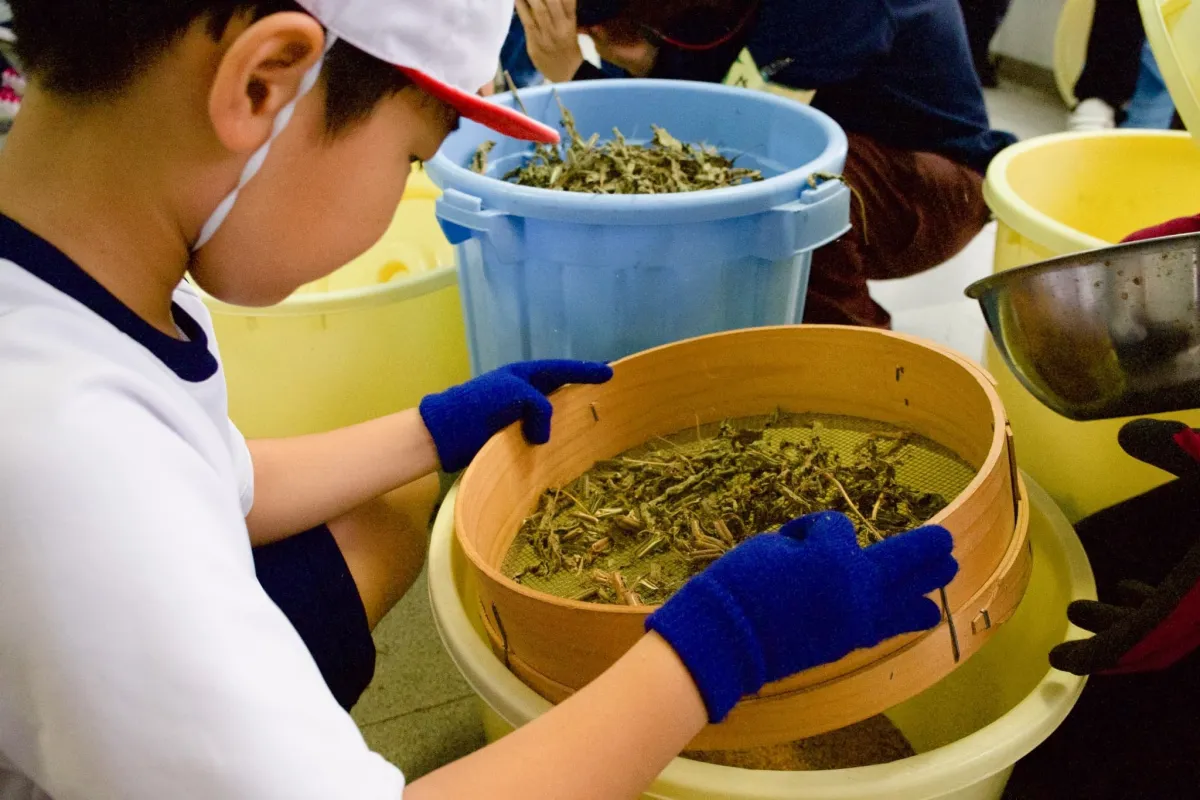
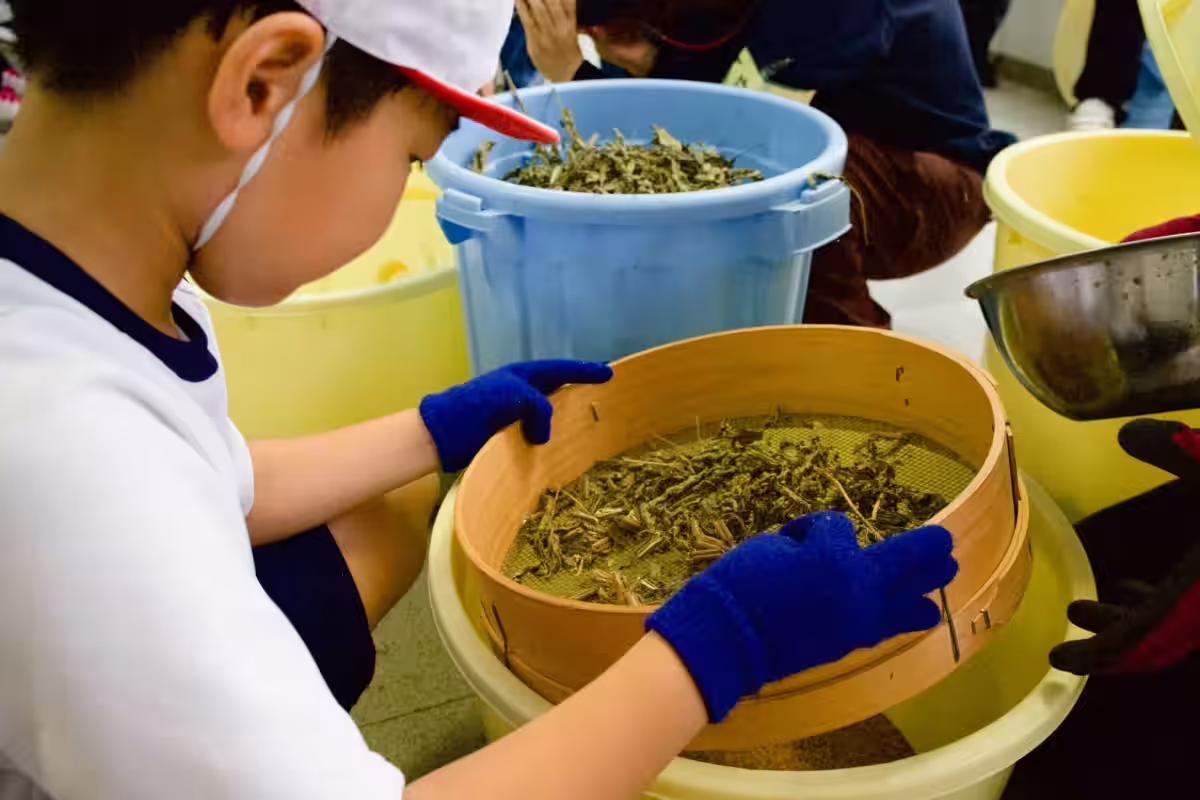
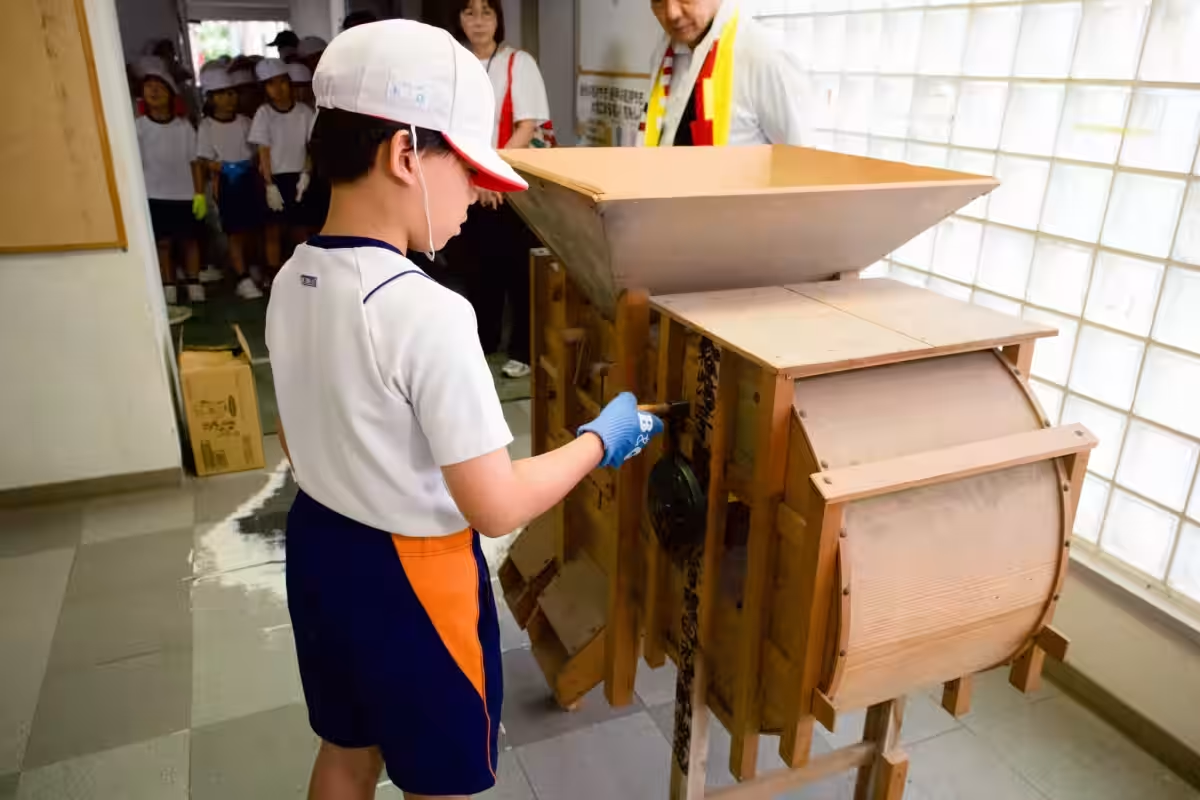
The students engaged in three practical tasks: pounding the dried sesame bundles, sifting the seeds, and using a toomi (a traditional winnowing device). With every pound, sesame seeds spilled out, captivating the children’s attention. Many voiced their amazement at discovering the labor involved in producing a single sesame seed, igniting a newfound appreciation for food and nature.
In the closing remarks, Hamana, chair of the Ikisue Association, expressed pride in the successful harvest, while also acknowledging the community’s collaborative spirit:
"Today's sesame comes from seeds planted on May 31 and harvested on August 26. With the help of Tonosho and Kadoya, we’ve grown fantastic sesame here in Ikisue. We look forward to welcoming new third graders next year for this initiative."
Learning Beyond the Fields
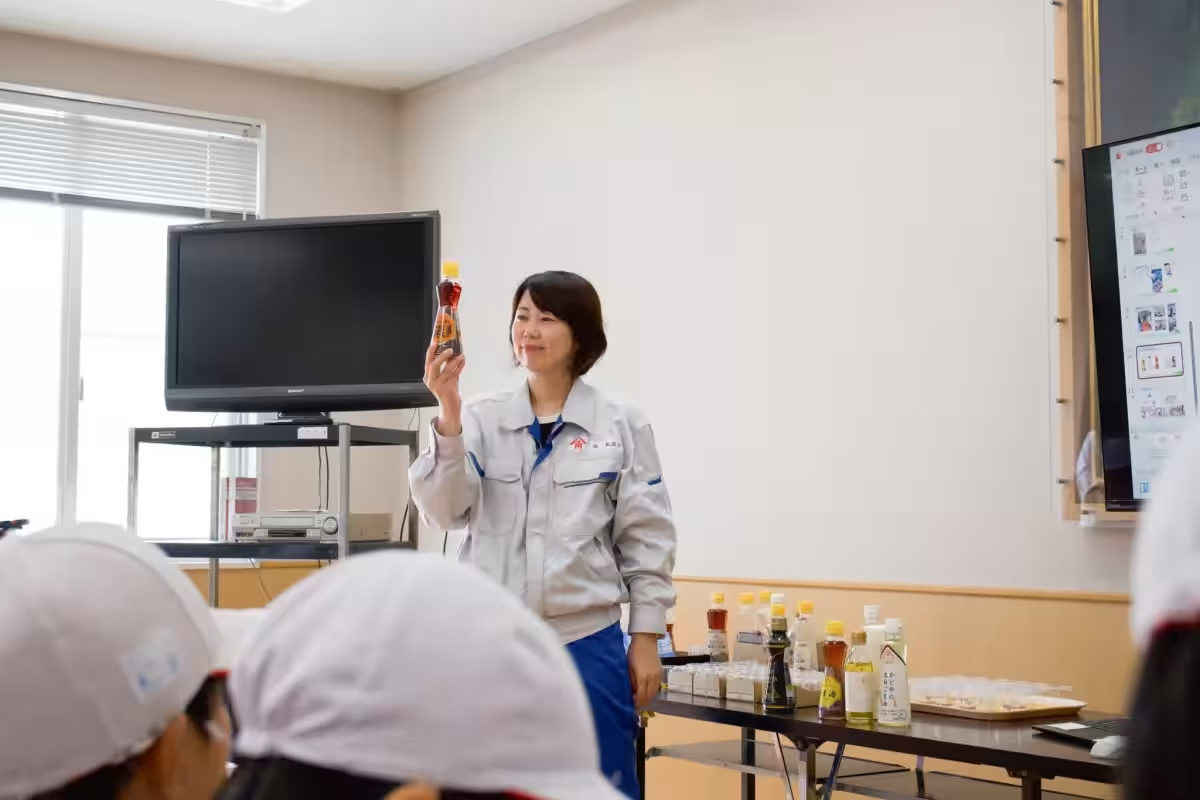
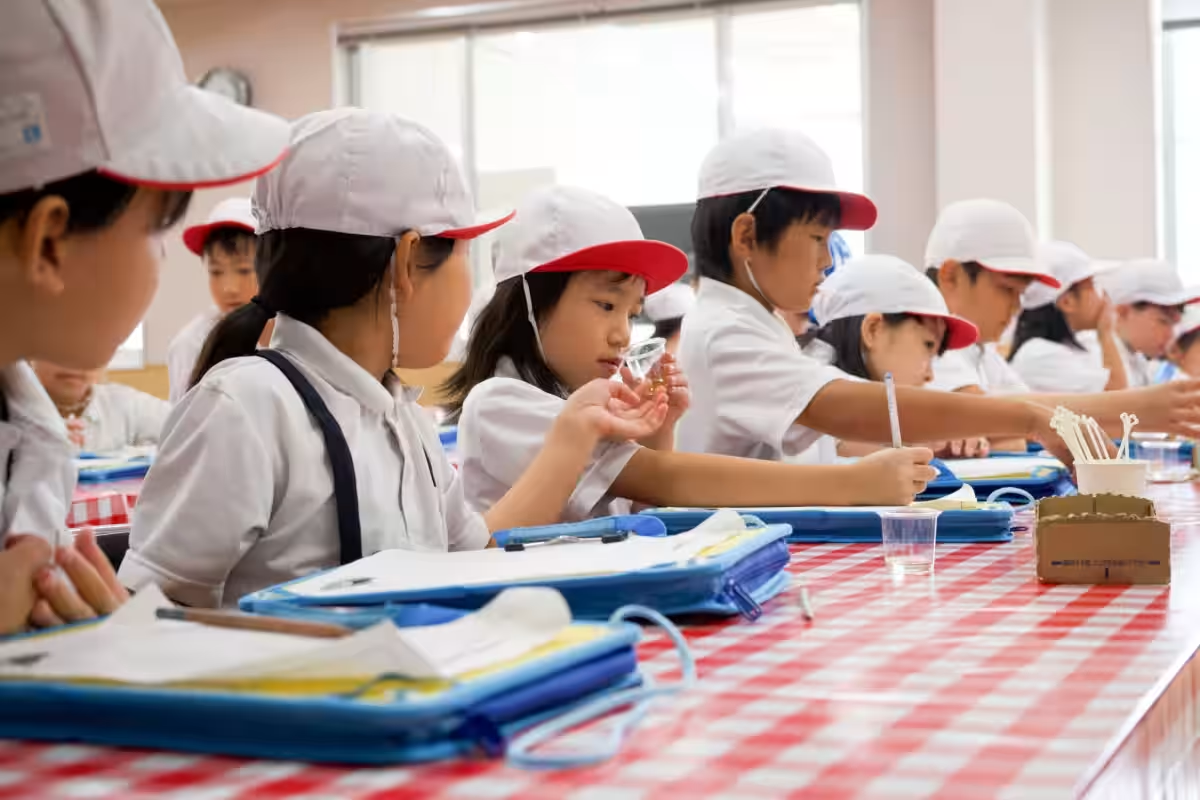
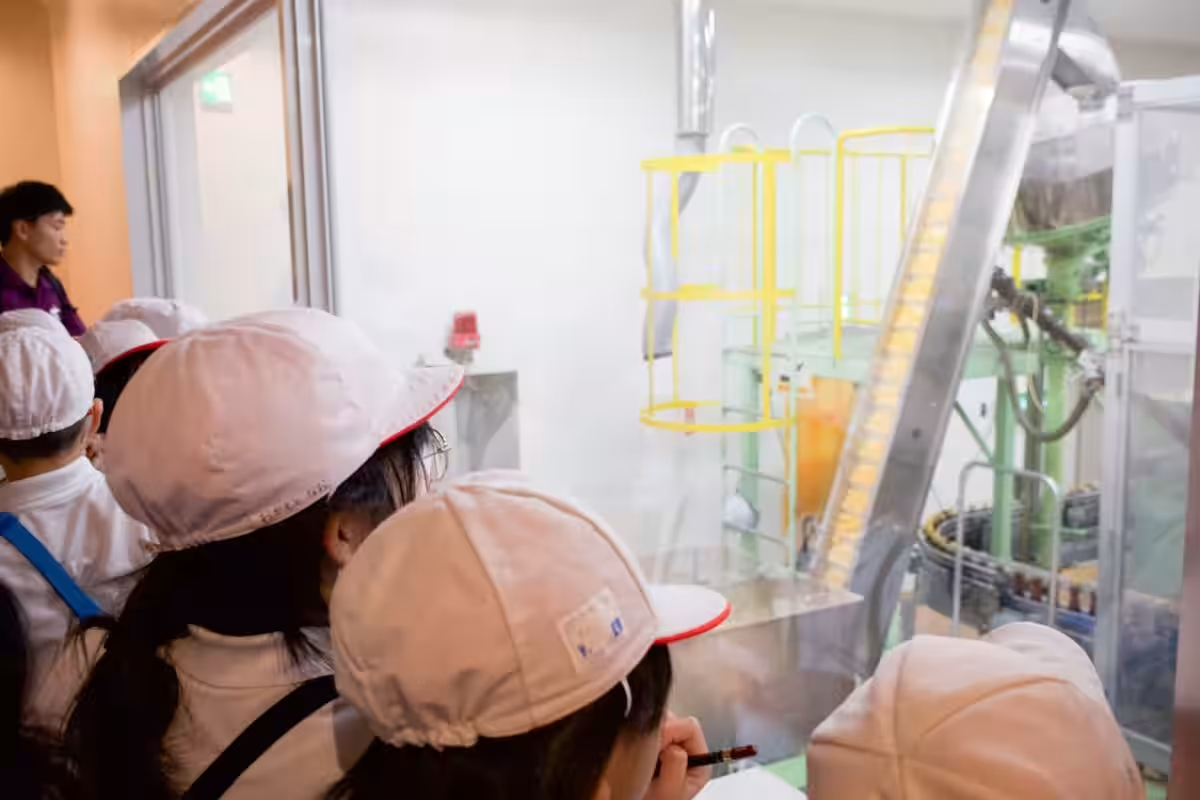
In the afternoon, the students visited Kadoya's Shodoshima factory for an insightful tour about the history and manufacturing processes of sesame oil. Eager to learn, they absorbed the techniques behind oil production, reinforcing their connection to local industry. This year, Kadoya introduced a special class focused on their newly released sesame oil product, "ISOLETTA." The students learned about the differences in production methods for various oils, allowing them to taste and compare the flavors.
As the students experienced the intricate relationships between sesame oil and other local products like handmade "sanuki somen" (a type of udon), they gained a profound understanding of the interconnectedness of their local food culture.
Future Commitment to Food Education
The 'Sesame Future Project' also plans to provide a school lunch using sesame harvested by students in January 2027, underscoring Kadoya's long-term commitment to food education and regional revitalization. By integrating agricultural education with practical applications, Kadoya seeks to address key community issues, such as revitalizing unused lands and generating local employment within the context of an aging population.
Conclusion
Kadoya Oil's 'Sesame Future Project' represents a vital effort to blend education, sustainable practices, and community enhancement. Through experiences that connect children with their agricultural roots, Kadoya aims to inspire future generations, showcasing the power of sesame not only as a commodity but as a catalyst for change within their community.
Topics Consumer Products & Retail)








【About Using Articles】
You can freely use the title and article content by linking to the page where the article is posted.
※ Images cannot be used.
【About Links】
Links are free to use.