



BIPROGY Undertakes Project to Establish Clean Fuel Certificate System for Syngas and Biogas
BIPROGY's Commitment to Sustainable Energy
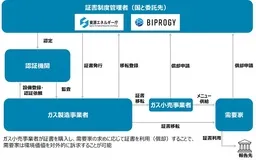
BIPROGY has recently undertaken a project that focuses on establishing a Clean Fuel Certificate System aimed at certifying and transferring environmental values associated with syngas and biogas. This initiative is part of a larger effort to achieve a decarbonized energy supply in Japan, addressing critical energy consumption which compromises approximately 60% of energy use in domestic and industrial sectors.
Background of the Initiative
In the context of Japan's energy consumption, the demand for heat—used in heating, hot water, and industrial processes—is a major area to address in the push for carbon neutrality. The decarbonization of city gas, which currently supports a significant portion of this heat consumption, has emerged as a pivotal challenge. Given their compatibility with existing city gas infrastructure, syngas and biogas have gained attention as next-generation fuels that can support stable energy supply while also contributing to decarbonization.
With the aim to inject a certain percentage of syngas or biogas into the city gas pipelines by 2030, city gas companies are now more inclined to focus on integrating these renewable sources into their established operations. However, challenges such as high production costs compared to natural gas, along with a lack of formal mechanisms to objectively quantify and trade the environmental values of these gases, hinder broader adoption.
Establishing the Clean Fuel Certificate System
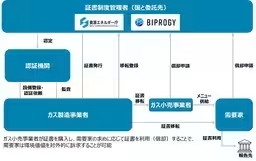
To address these challenges, the Japanese Ministry of Economy, Trade and Industry is exploring the establishment of a Clean Fuel Certificate System that allows for the buying and selling of environmental values associated with next-generation fuels. This system aims to facilitate proper utilization by customers and promote wider adoption of renewable fuel sources into the energy market.
As the main executor of the project, BIPROGY will play an essential role in establishing and managing the certification process, as well as validating its effectiveness. By leveraging insights from overseas systems and its extensive experience in IT services, particularly in the energy sector, BIPROGY strives to create a transparent and user-friendly framework for trading these clean fuel certificates.
Details of the Project
The project will encompass multiple use cases for syngas and biogas produced both domestically and internationally. It will examine the entire process, from environmental value certification through to certificate issuance, transfer, and retirement. This comprehensive evaluation will be conducted in collaboration with several key stakeholders, including:
- - Japan Energy Economics Research Institute: Research and discuss long-term system operations.
- - Japan Gas Appliance Inspection Association: Aid in certification processes and support in the establishment of relevant guidelines.
- - Mitsubishi Research Institute: Provide broad advisory expertise to support the initiative.
- - Klammer: Assist with project management and operational support.
Future Efforts
BIPROGY intends to apply the insights gained from this initiative to implement a comprehensive framework for certifying and trading environmental values across multiple energy sectors—including electricity, fuel, and gas. Through these efforts, the company aims to continue contributing to the sustainable use of energy and the realization of a decarbonized society.
Conclusion
The establishment of the Clean Fuel Certificate System represents a significant stride towards sustainable energy utilization. With BIPROGY leading the effort, there is a clear pathway emerging for integrating renewables into the mainstream energy supply, helping to meet the urgent need for a clean, environmentally friendly energy future for Japan.
For more information regarding this initiative, please visit the official resources from the Ministry of Economy, Trade and Industry, which outline the status and future directions of the Clean Fuel Certificate System.
Note: Company names and trademarks mentioned are owned by their respective companies.
Disclaimer: The information is valid as of the announcement date and is subject to change without notice.
Topics Energy)
【About Using Articles】
You can freely use the title and article content by linking to the page where the article is posted.
※ Images cannot be used.
【About Links】
Links are free to use.