



Enhancing Employment Opportunities for International Students in Japan: Insights from a Recent Survey
Expanding Job Opportunities for International Students in Japan
Introduction
The landscape for international students seeking employment in Japan is evolving rapidly. In a recent comprehensive survey conducted by OriGinator Inc., insights were gathered from career support officers at higher education institutions. The survey highlighted both the active recruitment of international students and the obstacles they face in securing jobs within Japan's corporate landscape.
Survey Findings
Acceptance of International Students
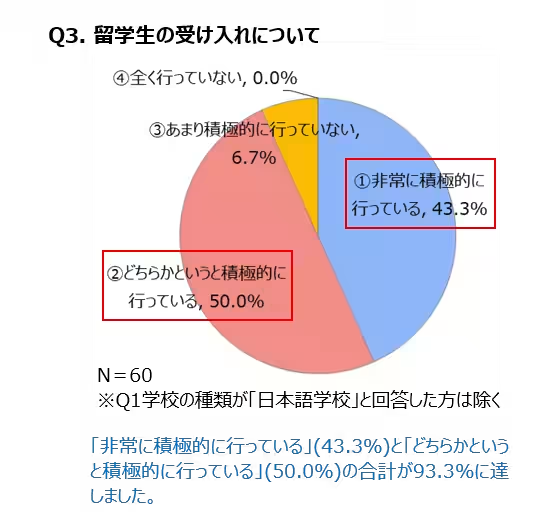
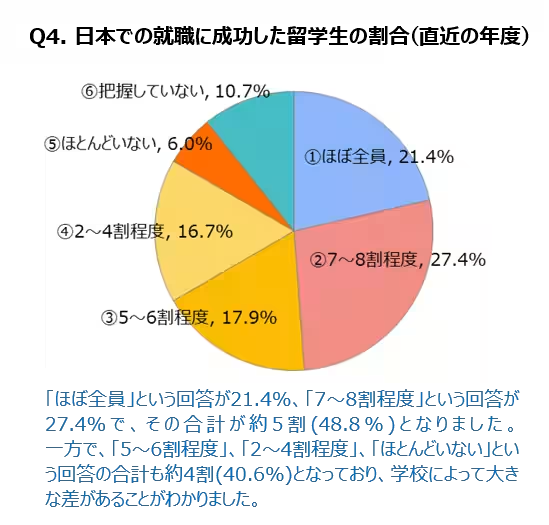
The survey revealed that over 93% of institutions actively welcome international students, a notable trend among higher education establishments excluding Japanese language schools. Despite this welcoming stance, roughly 40.6% of these schools reported that less than half of their international graduates successfully find jobs in Japan. This disconnect illustrates a pressing issue: although many institutions are eager to accept international talent, the employment outcomes are lacking.
Language Barriers
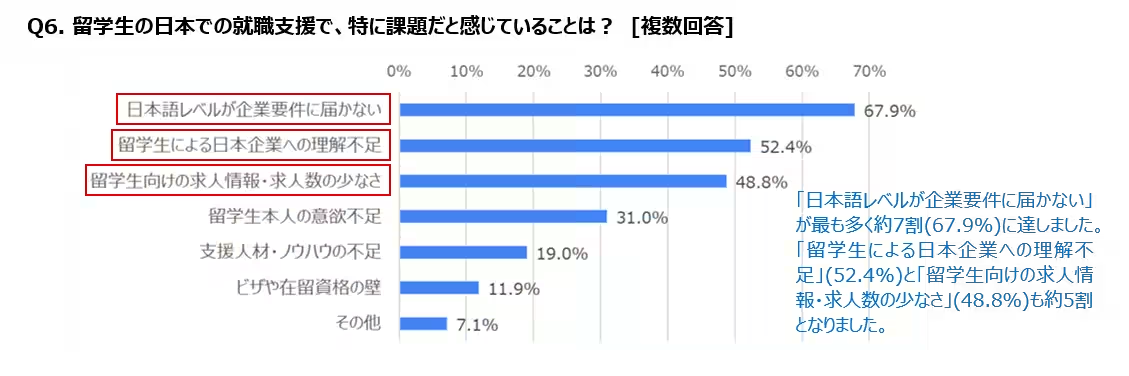
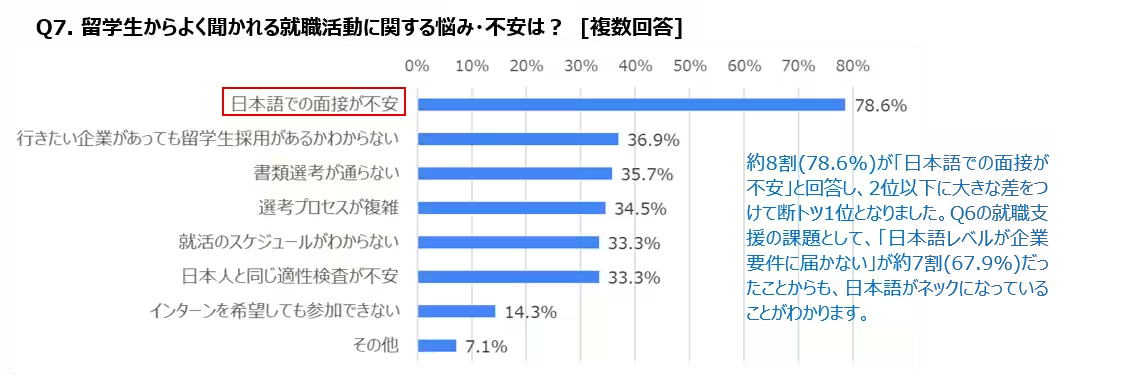
A significant finding from the survey indicated that language proficiency remains a primary hurdle. About 67.9% of the schools surveyed noted that international students often lack the requisite Japanese language skills demanded by employers. Particularly, the inability to effectively communicate in Japanese contributes to a sense of insecurity among students regarding job interviews, with a staggering 78.6% expressing anxiety about facing interviews conducted in Japanese.
Success Stories and Innovative Approaches
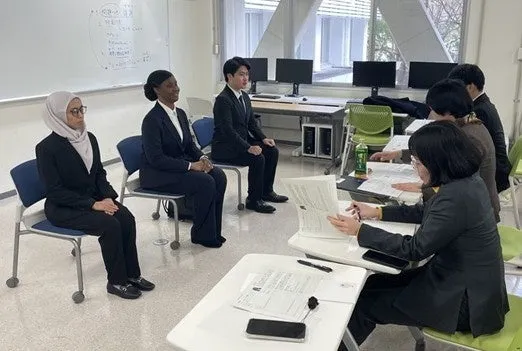
Interestingly, institutions like Nagoya Institute of Technology are innovating their career support strategies to address these challenges. Their proactive measures include internship programs with local small-to-medium enterprises (SMEs) and tailored workshops to enhance students' employability. Students with a Japanese Language Proficiency Test (JLPT) level of N4 have even managed to secure positions that typically required higher proficiency levels, showcasing that potential talent should not be overlooked based solely on language tests.
Insights from Career Support Officers
The feedback from career support officers indicated a growing recognition that not every successful international student fluent in Japanese. For instance, many of the institute's overseas students hail from countries such as China and Malaysia. Between 2023 and 2025, it was observed that around 33% to 44% of graduates found employment in Japan, signaling a need for corporate partners to be more adaptable in their language requirements.
Comprehensive Career Support Initiatives
To support international students, Nagoya Institute of Technology implements various programs focused on career education. This includes workshops tailored to help students understand the nuances of the Japanese job market, focusing on resume writing, interview preparation, and internship readiness. Despite the importance of these programs, participation remains a challenge as many students prioritize their academic responsibilities.
Individualized Counseling
Another effective approach is offering personalized counseling sessions. In addition to group sessions, dedicated advisors provide support in both English and Japanese, helping students navigate the complexities of job application processes. This one-on-one interaction fosters a comfortable environment for students to express their concerns and seek guidance on overcoming linguistic barriers.
Recommendations for Employers
As businesses seek to diversify their workforce, they are encouraged to shift from a strict language proficiency focus to a more holistic view of candidates' potential. Companies are invited to engage with candidates that exhibit enthusiasm, regardless of their Japanese language proficiency, thus paving the way for discovering intriguing talents who can contribute significantly to their teams. By facilitating interviews with candidates who may have lower language scores but possess strong technical skills, businesses can reap the benefits of unique perspectives brought by international students.
Moreover, collaborations with educational institutions can enhance employer understanding of the international talent pool. Employers are urged to clarify their expectations regarding language skills in job postings to better align with the capabilities of international students, which can foster a more inclusive hiring process.
Conclusion
The desire of skilled international students to work in Japan is increasingly met with support from educational institutions and proactive employers. By collectively addressing language barriers and adapting recruitment strategies, companies can unlock a wealth of potential talent eager to thrive in Japan's dynamic workforce. As the global landscape continues to evolve, fostering a culture of diversity and inclusion will be key for Japan's future workforce.
Ultimately, it is time to embrace the vibrant tapestry that international students represent and the unique contributions they can bring to Japan's economy. By working together, universities, students, and employers can create pathways that not only benefit individual career aspirations but also enrich Japan's innovation and growth.





Topics People & Culture)

【About Using Articles】
You can freely use the title and article content by linking to the page where the article is posted.
※ Images cannot be used.
【About Links】
Links are free to use.