


Exploring Resonance in Chinese and Japanese Wood Sculpture Art: A Unique Exhibition
Exploring Resonance in Chinese and Japanese Wood Sculpture Art
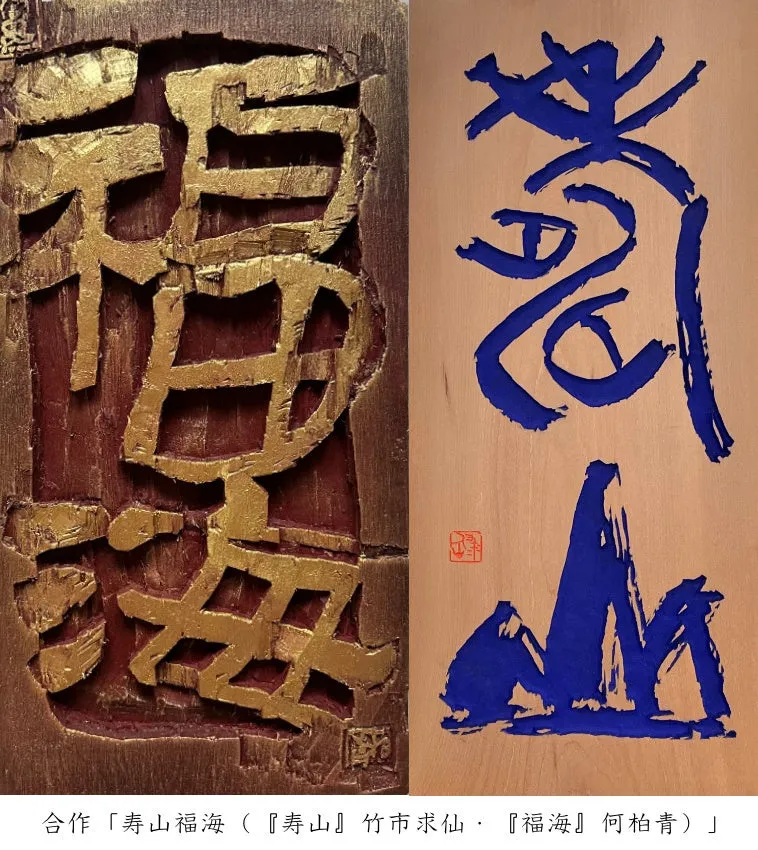
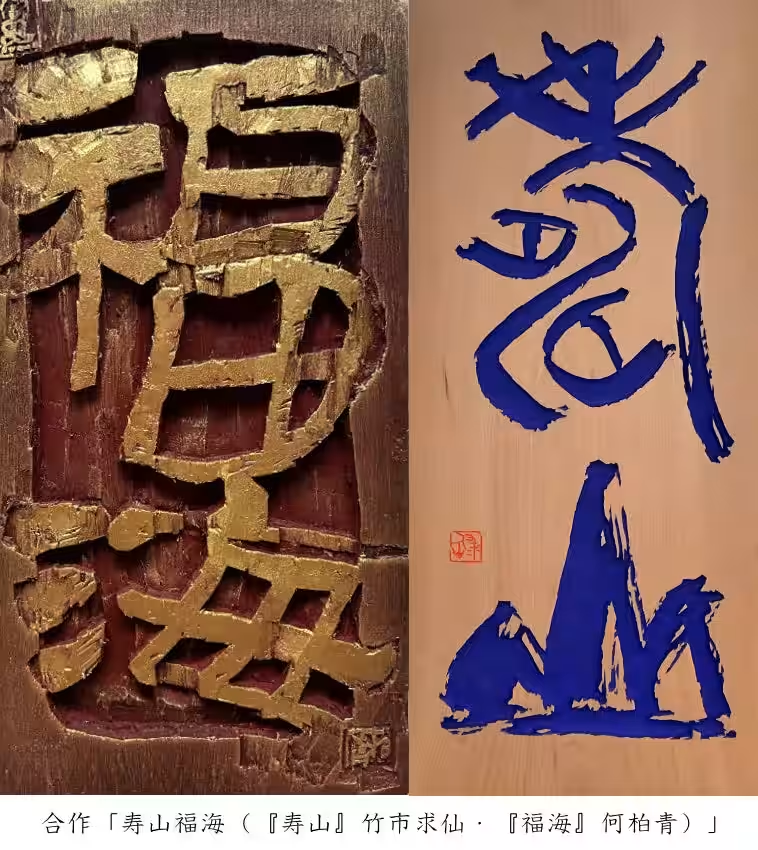
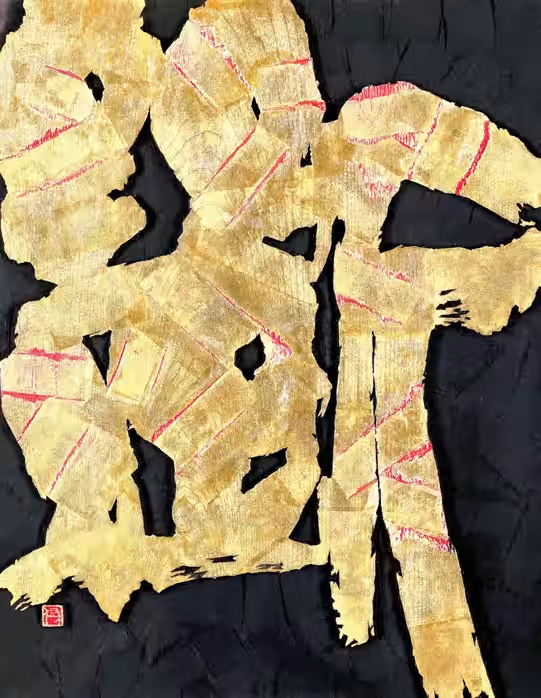
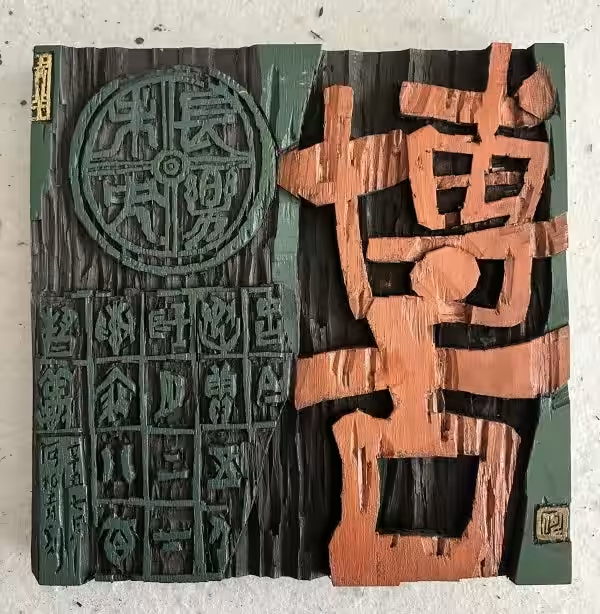
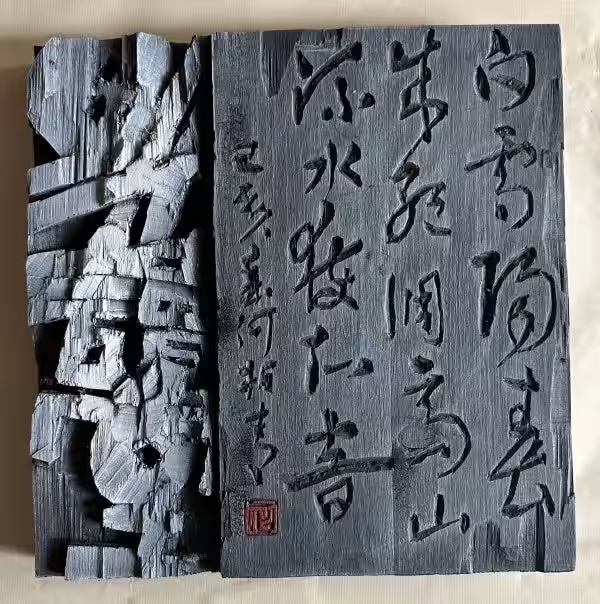
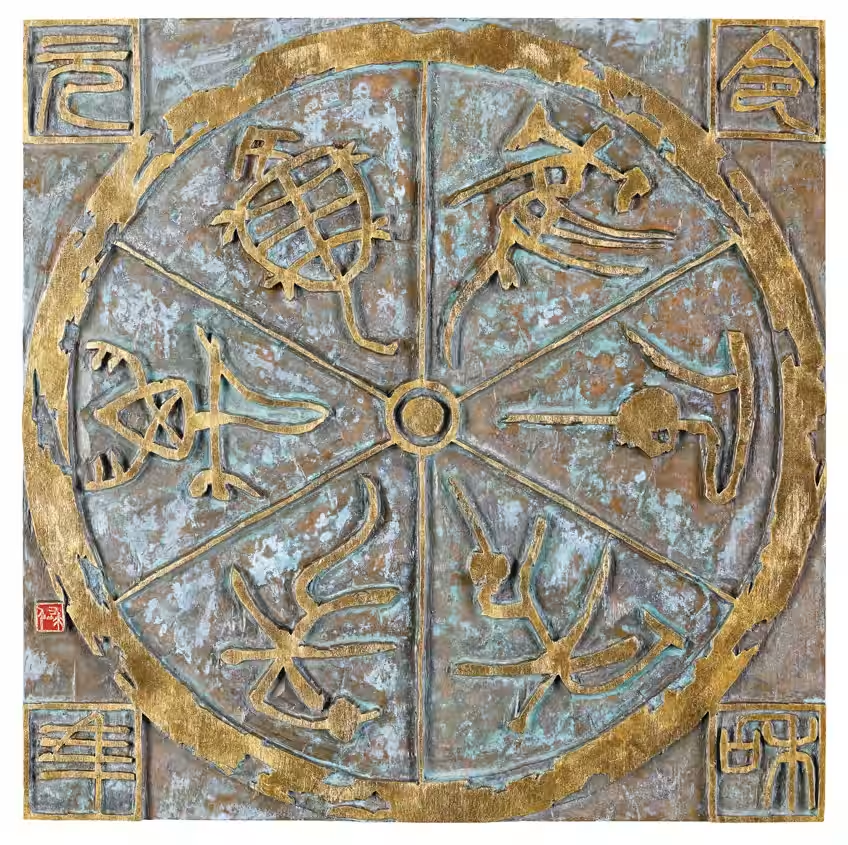
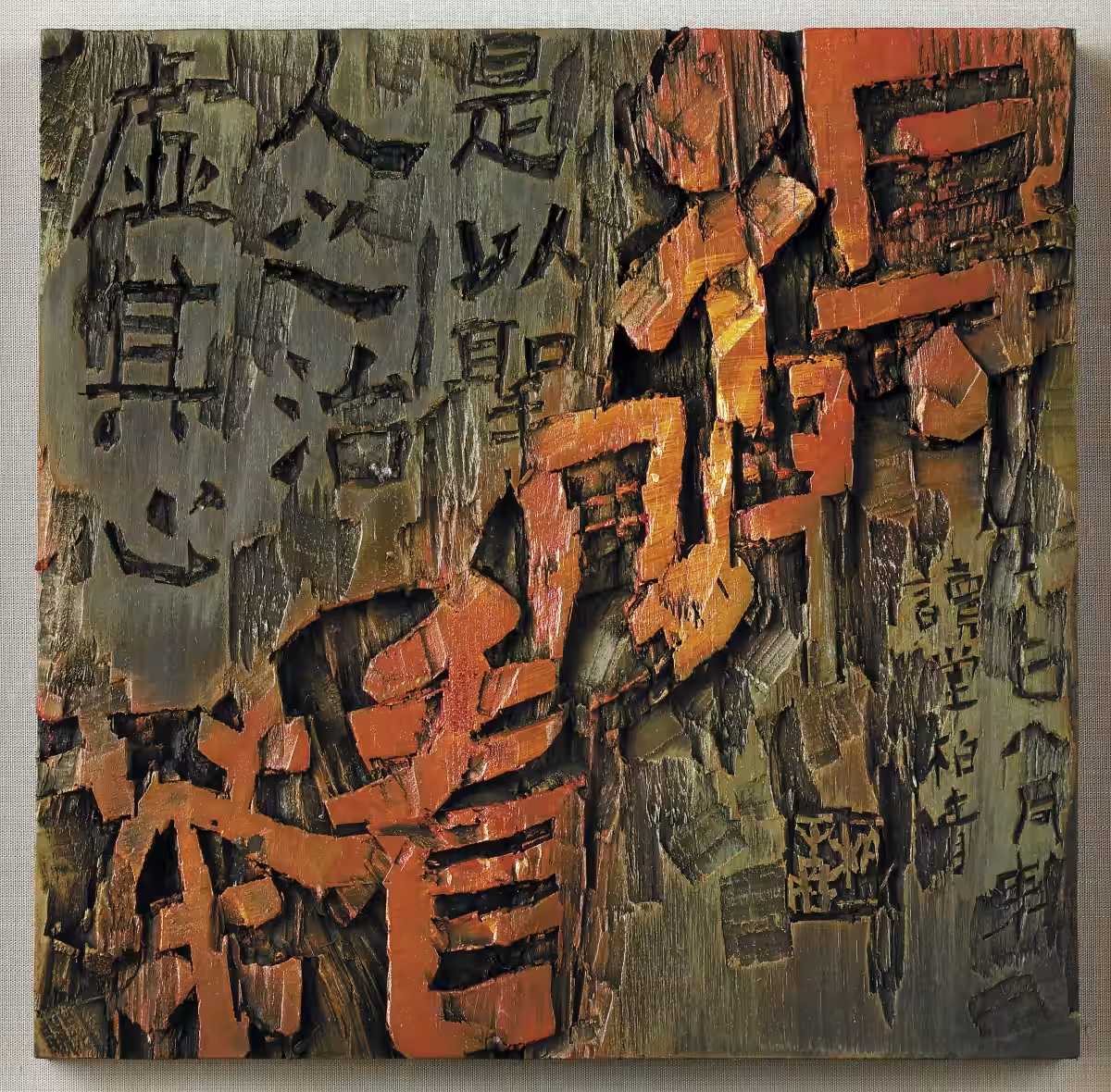
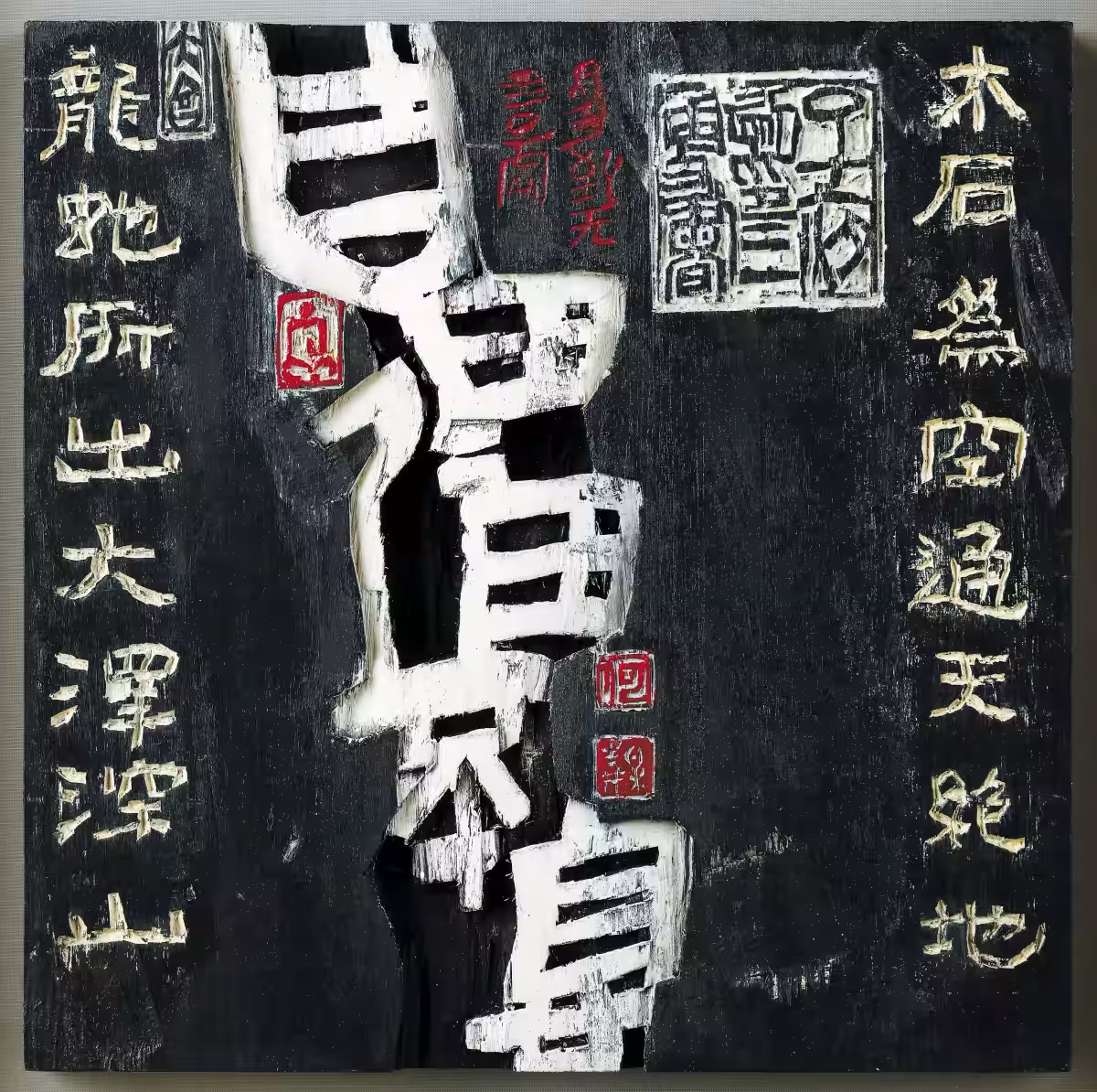
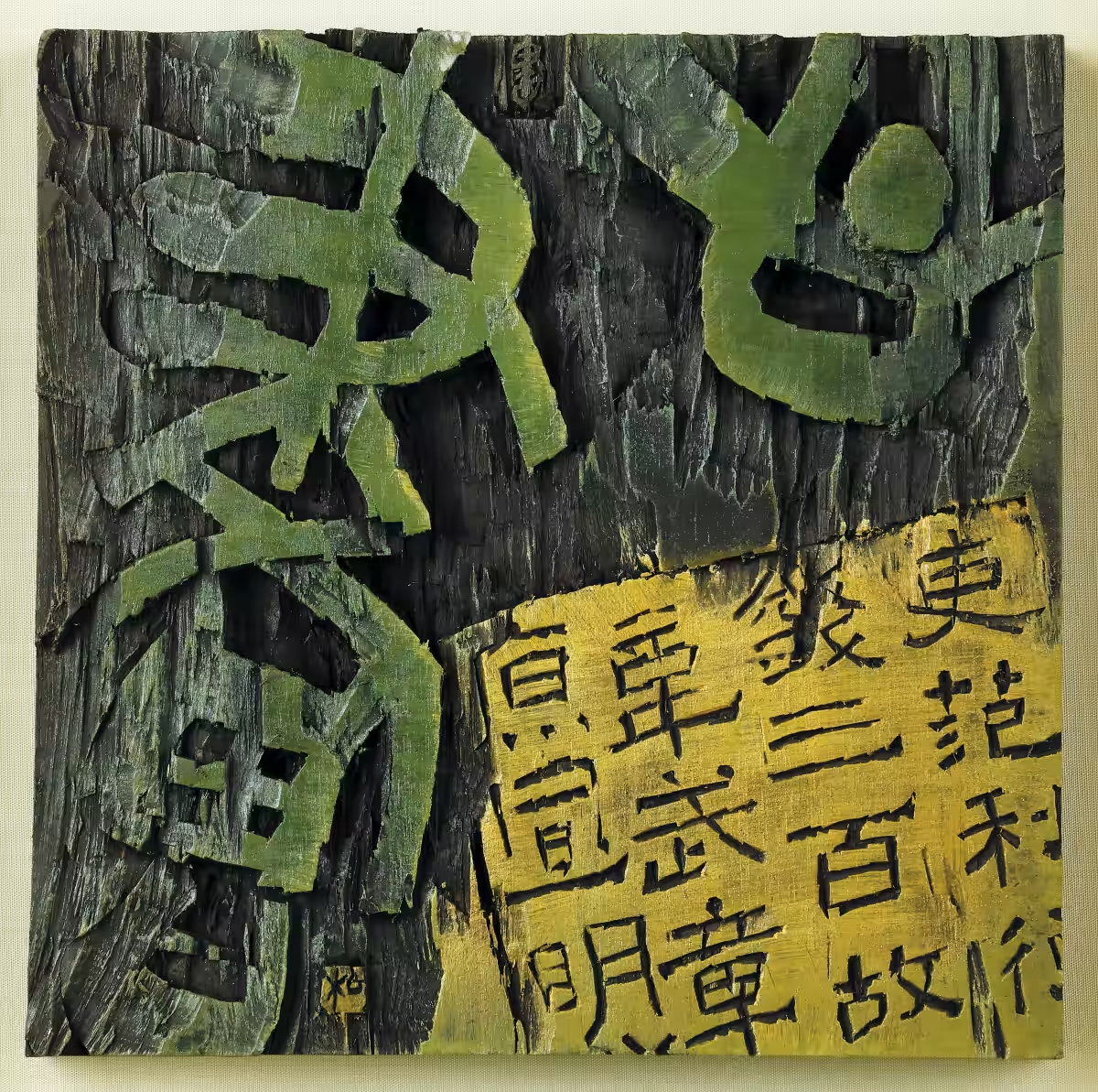
The art exhibition titled "Resonance of Carvings – Takeichi Kyusen and He Baiqing's Sino-Japanese Calligraphy Art Exchange Exhibition" will be held from November 24 to November 30, 2025, at the Central Museum Ginza in Tokyo. Curated by Dariku Co., Ltd., this event showcases 80 remarkable carving works that delve into the aesthetic beauty of characters, highlighting the intricate artistry of both Japanese and Chinese calligraphers.
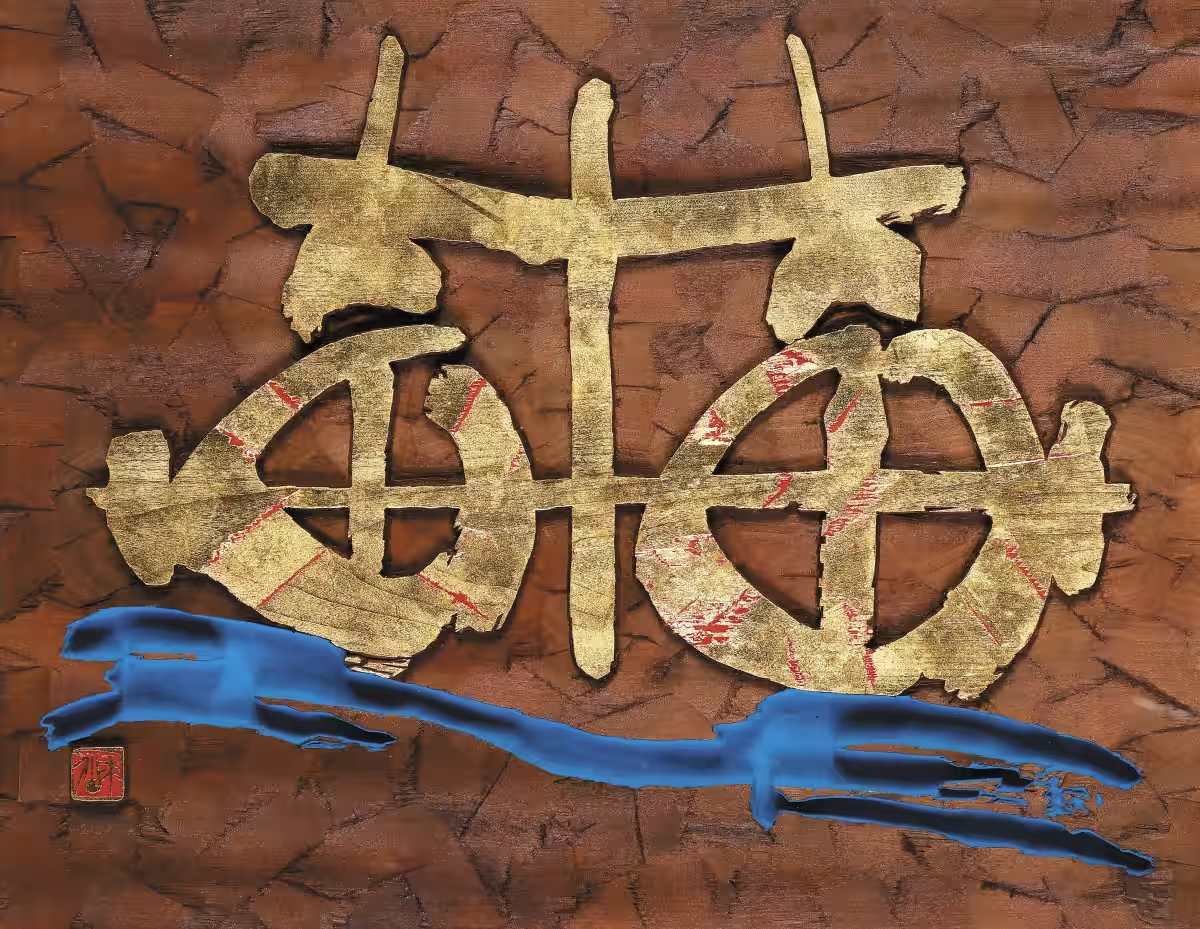
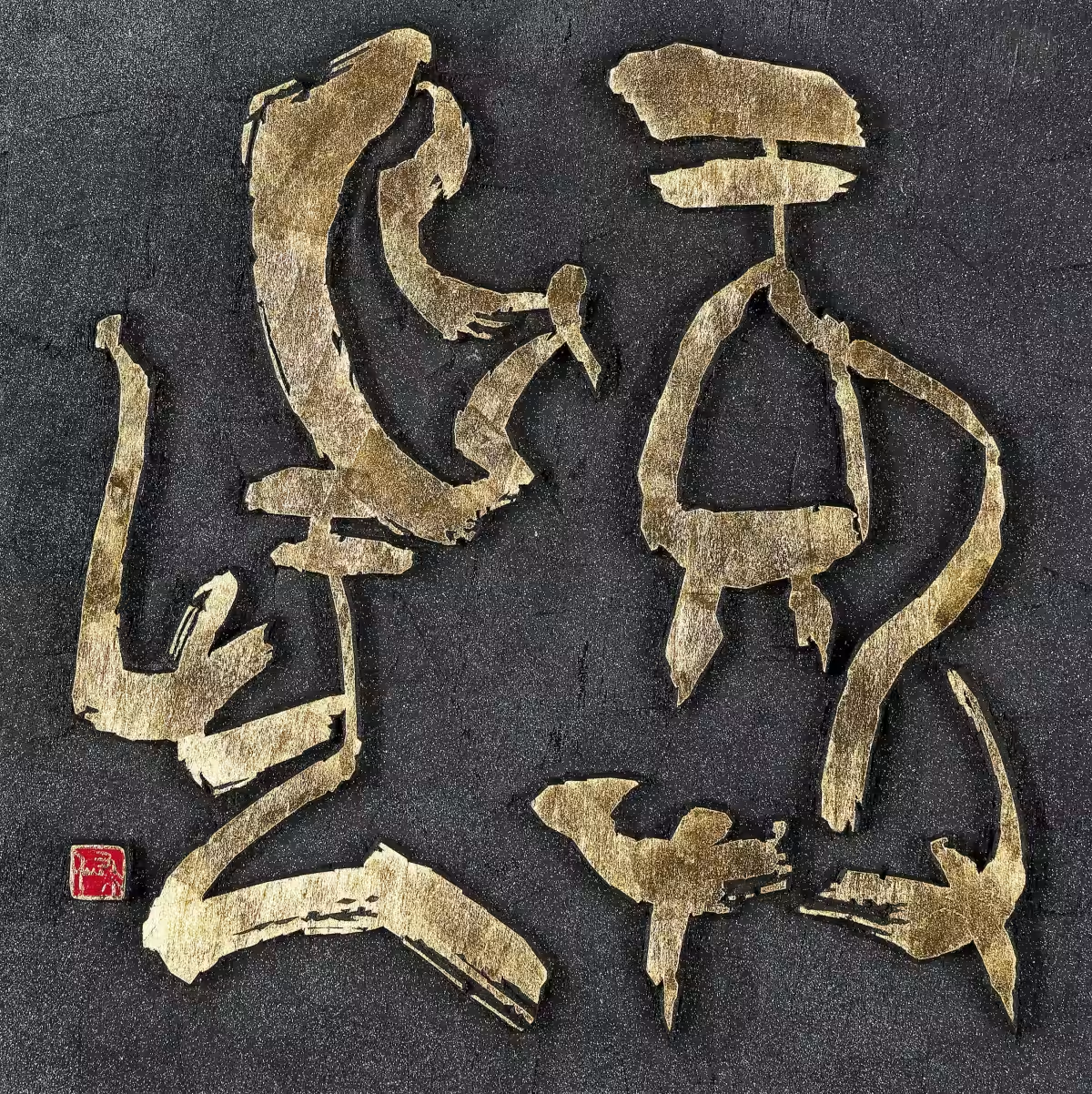
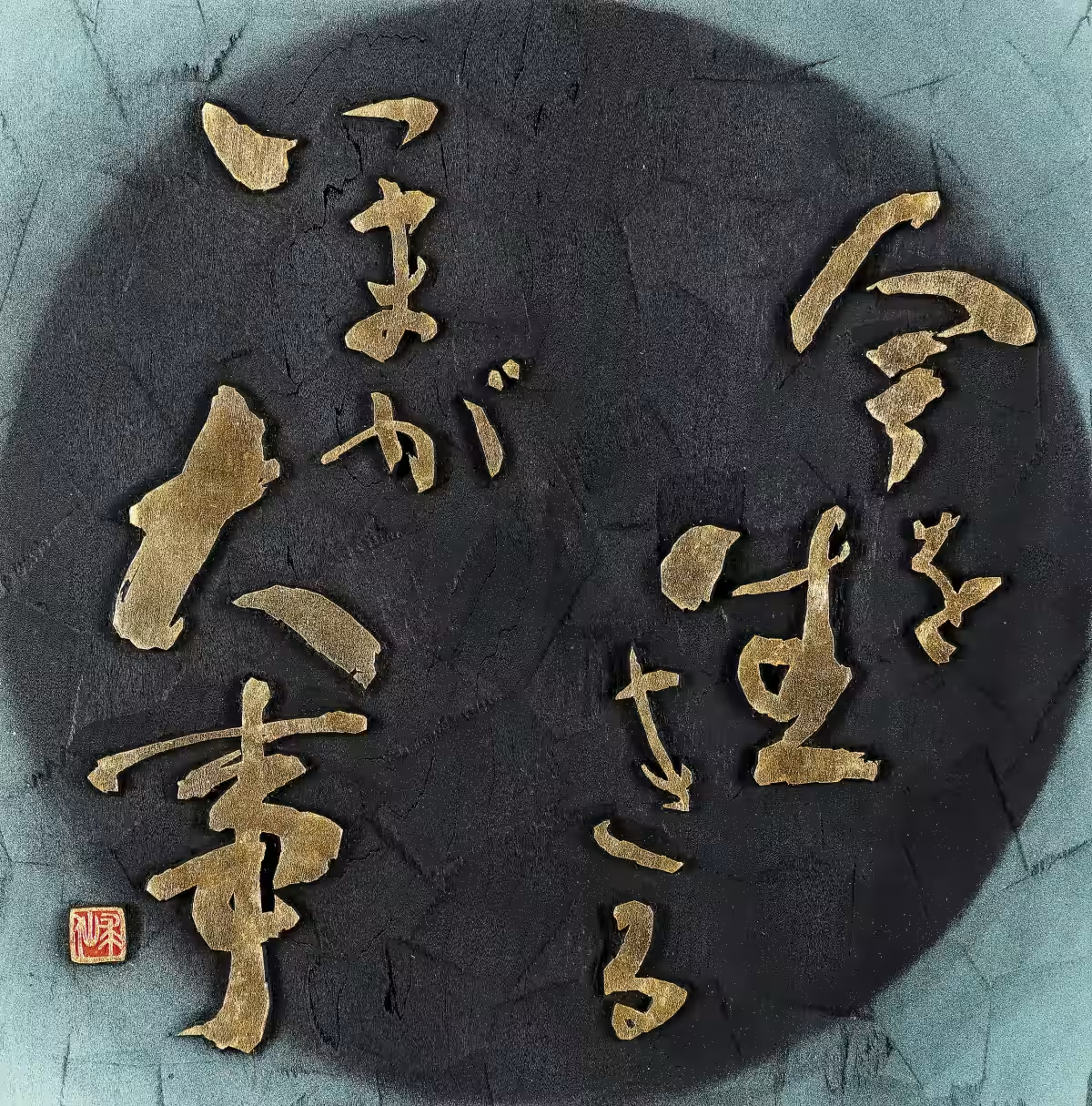
The exhibition features 40 pieces from each artist, presenting a diverse range of styles and techniques that draw visitors into an immersive visual experience. This is a rare opportunity to witness the dialogue between Kyusen and Baiqing's unique approaches to wood carving, emphasizing the shared cultural heritage between Japan and China.
Understanding Calligraphy Art
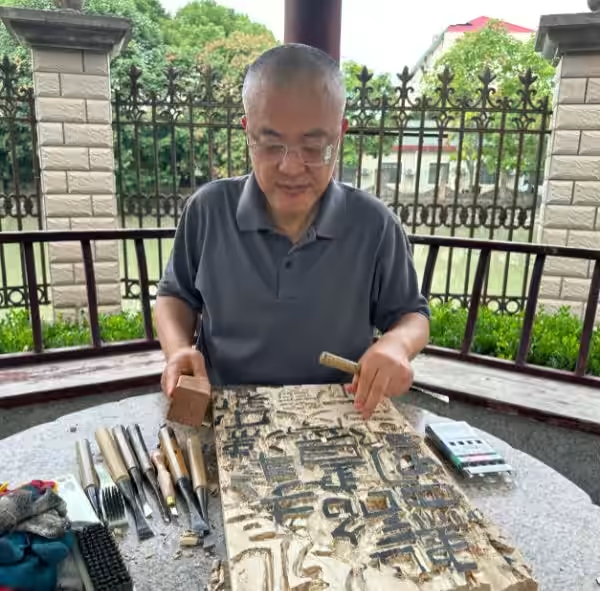
Calligraphy art, or 'kokuji' in Japanese, involves translating the strokes of writing into three-dimensional forms. The interplay of light and shadow is masterfully created by varying the depth of the cuts and the application of colors, bringing forth both the form and meaning of the characters. This exhibition provides a glimpse into the current state of kokuji through comparative analysis of various materials and techniques, allowing attendees to appreciate the intricate details of each artist's work.
Both Kyusen and Baiqing have contributed significantly to the world of calligraphy. Kyusen, who was born in 1945 in Gunma Prefecture, Japan, has spent over six decades dedicated to the fusion of writing, carving, and coloring. Baiqing, on the other hand, hails from Shanghai, where he was born in 1962 and has become well-known for his innovative approaches to the art. Their combined expertise allows for a rich exploration of artistic expression that resonates across borders.
Exhibition Highlights
- - Comprehensive Display: Over 80 works, including both classic and newly created pieces, allowing viewers to trace the evolution of each artist's technique and style.
- - Material Diversity: The exhibition will showcase various materials like wood and plywood, enabling visitors to visualize how line quality and shadows shift with different mediums.
- - Cultural Exchange: Kyusen's traditional Japanese style and Baiqing's contemporary Chinese perspective converge, illustrating diverse yet complimentary interpretations of character within their craft.
Artist Profiles
Takeichi Kyusen
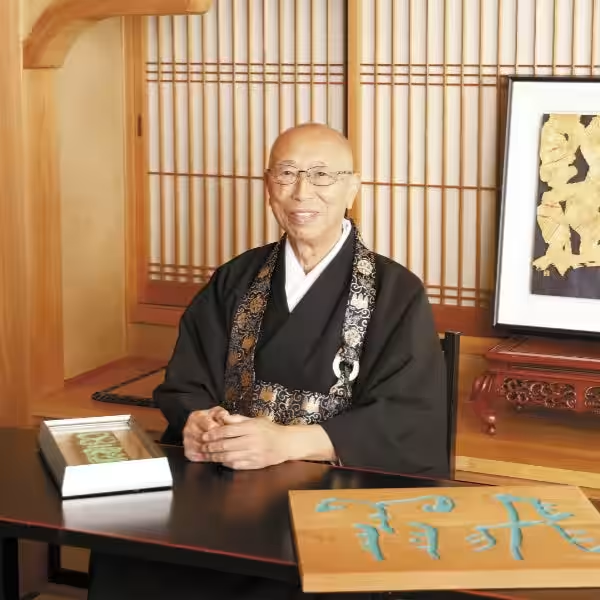
Takeichi Kyusen, known also by his monk name Bunko, was born in 1945 in Fujinokawa, Japan. After completing his master’s degree at Komazawa University, he devoted himself to teaching calligraphy, all the while developing his skills as a kokuji artist. He fused traditional writing methods with innovative carving techniques, and his works have been exhibited and cherished in numerous temples throughout Japan.
He Baiqing
He Baiqing was born in Shanghai in 1962, where he also studied at East China Normal University. His artistry reflects a blend of classical calligraphy and modern approaches, resulting in captivating works that have made significant contributions to Sino-Japanese cultural exchanges.
Visiting the Exhibition
- - Dates: November 24 (Mon, National Holiday) – November 30 (Sun), 2025.
- - Opening Hours: Daily from 11:00 to 17:00 (final day until 16:00).
- - Venue: Central Museum Ginza, 5F,
- - Admission: Free of charge!
The exhibition is proudly supported by various institutions, including the Japan Calligraphy Association and the Gunma Calligraphy Association, showcasing a strong network of cultural appreciation across both nations. Join us to explore this artistic dialogue that transcends time and geography.
Topics Entertainment & Media)



【About Using Articles】
You can freely use the title and article content by linking to the page where the article is posted.
※ Images cannot be used.
【About Links】
Links are free to use.