



Senior Engineers Show flexibility with Younger Managers and Office Return Conditions
In a recent survey conducted by Morro Co., a freelance job platform specializing in senior engineers known as Legacy Force, over 600 IT engineers aged 40 to 60 participated to shed light on their work preferences and attitudes towards management. Surprisingly, more than 70% of respondents expressed no resistance to being managed by younger supervisors, illustrating a noteworthy shift in workplace dynamics. Specifically, 9.2% of those surveyed welcomed the idea, while 63.2% stated they had no particular objections, leading to a total of 72.4% demonstrating an accepting attitude towards younger managerial figures.
On the opposite end of the spectrum, a mere 8.3% expressed strong reluctance. Across different age brackets within this demographic, significant variations were not evident, indicating that senior engineers generally possess a readiness to adapt to younger leadership styles.
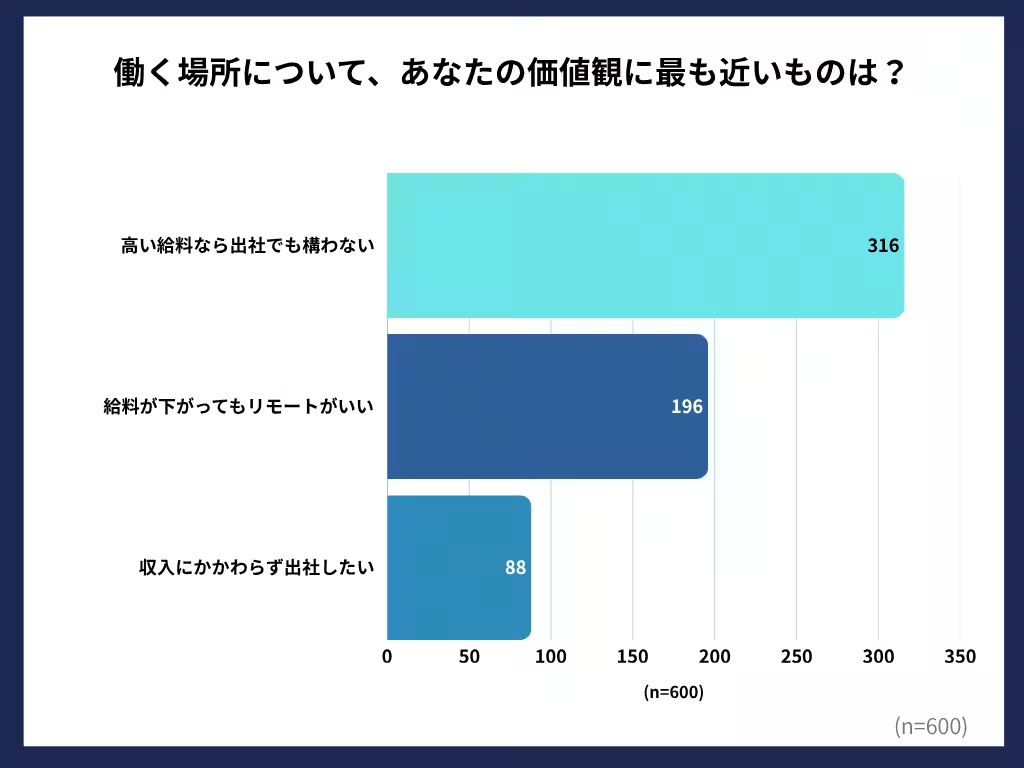
The survey also explored preferences regarding work locations and salary considerations. It revealed that 52.7% of respondents were willing to return to the office if it entailed a higher salary. In contrast, 32.7% preferred remote work even if it meant lower pay, and 14.7% expressed no desire to work on-site regardless of salary. Interestingly, those in their 60s were more inclined than other age groups to favor remote work, with 37% wishing to work from home even if it resulted in a pay cut.
Furthermore, there was a noticeable trend of an increased preference for ideal work environments over earning potential as age increased. For instance, 58.5% of workers in their 40s and 54% in their 50s would agree to work in the office for a high salary, whereas only 45.5% of those in their 60s shared this sentiment.
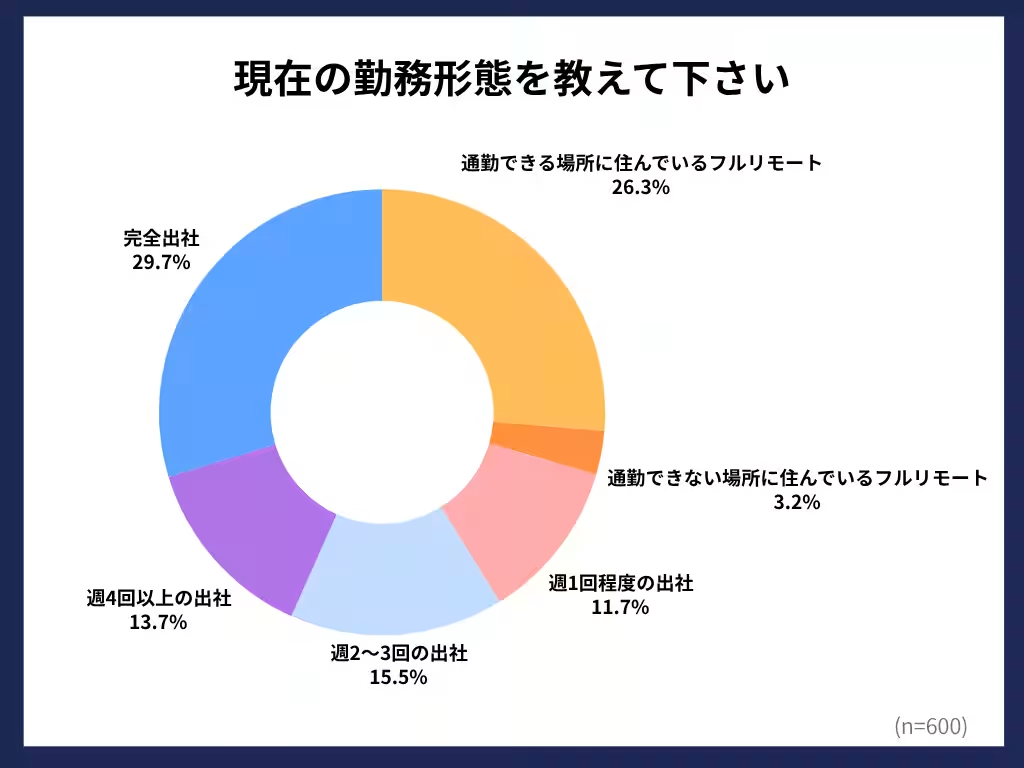
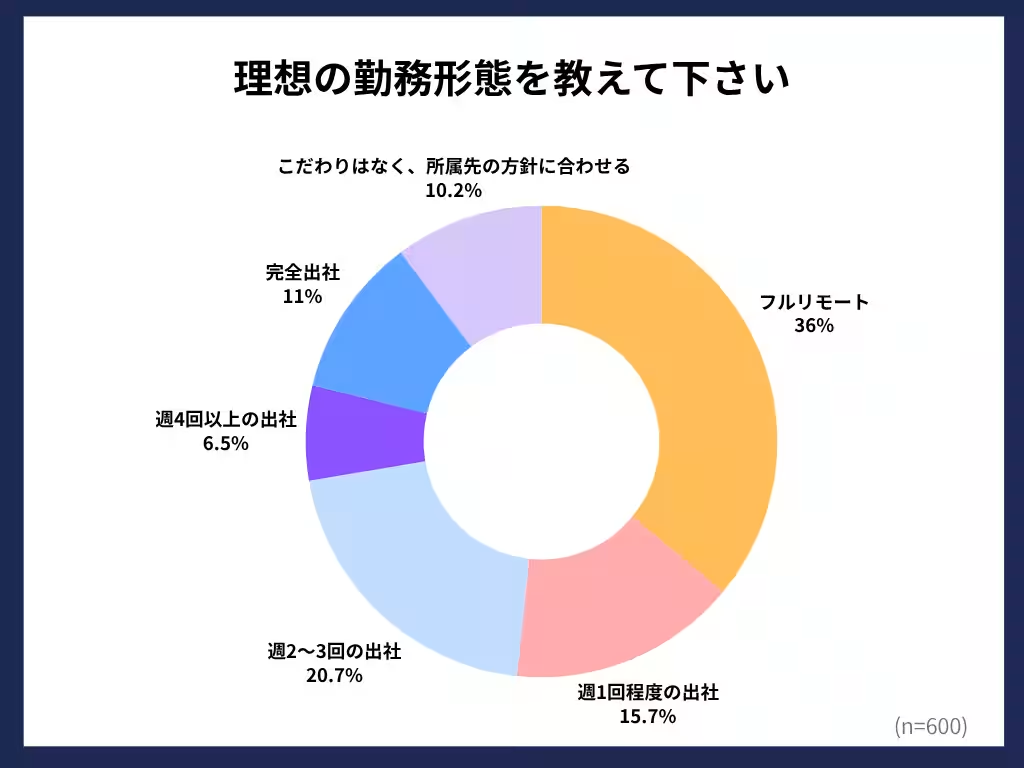
Despite many preferring remote work, the current landscape showed only about 29.7% of respondents working entirely in-office while almost 29.5% enjoyed the flexibility of full remote work. Among those working remotely, a significant number lived close to their workplace yet chose to work from home. The disparity between ideal work forms versus reality illustrated a clear gap, with 36% believing that full remote work should be the standard and only 11% favoring full in-office setups.
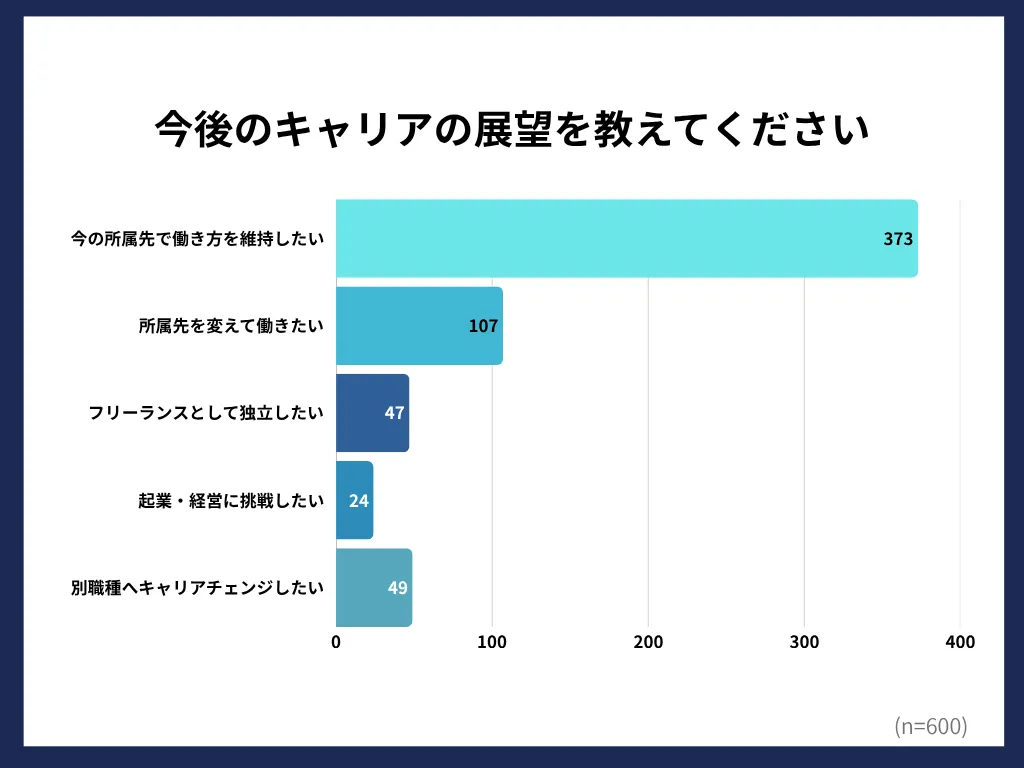
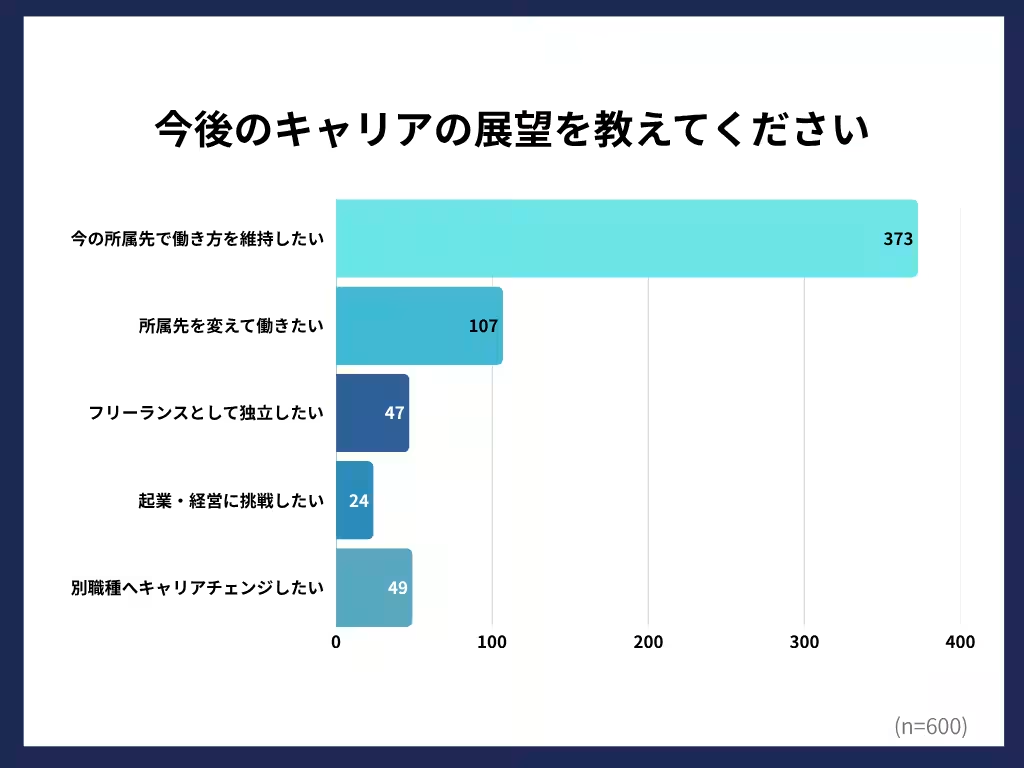
Moreover, about 10.2% of participants stated they would adapt to their company's policies without strong preferences. Looking towards future career prospects, a notable 62.2% expressed a desire to maintain their current working style, suggesting a trend towards stability amongst senior engineers. A smaller portion, 17.8%, envisioned a career shift to another IT role, while 7.8% were interested in pursuing freelance work.
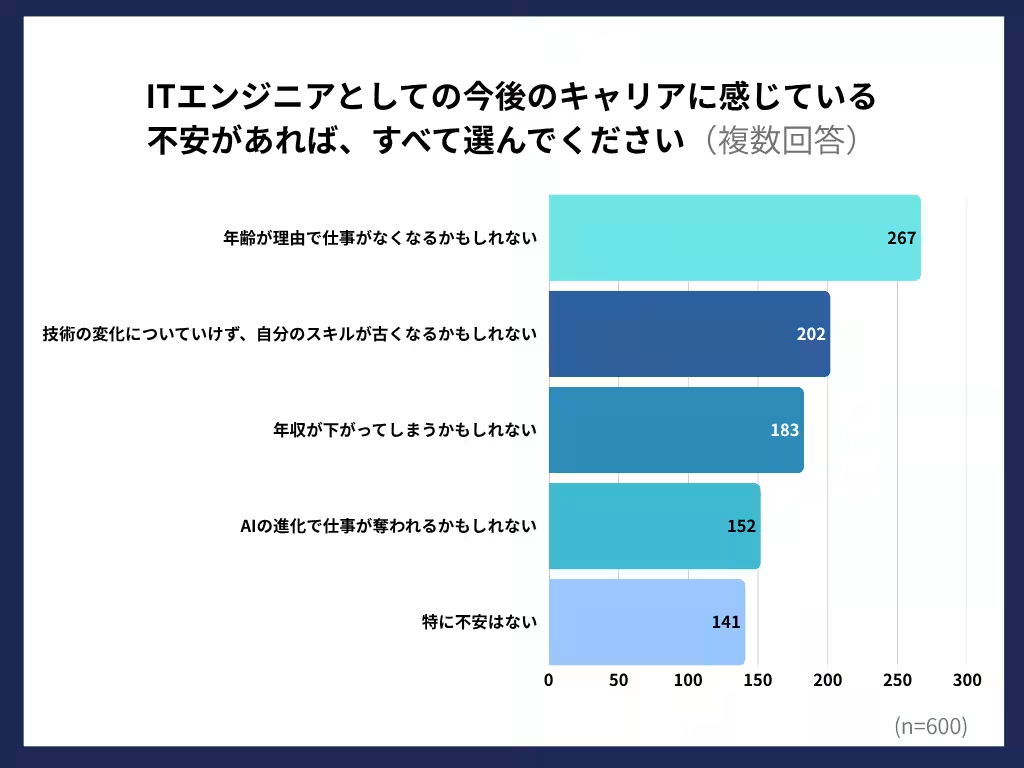
However, this optimism was counterbalanced by a pervasive sense of apprehension regarding their careers. Approximately 80% of those surveyed expressed concerns related to age, skill obsolescence, or threats posed by AI. Among the top fears were the belief that age could impede job opportunities (44.5%), concerns over keeping skills up-to-date (33.7%), and anxiety about potential declines in salary (30.5%). Only 23.5% felt no career-related worries, highlighting the challenges facing seasoned engineers today.
Yohei Maeda, CEO of Morro Co., commented on the findings, emphasizing the flexibility demonstrated by veteran IT engineers. The results indicate a willingness among 70% to accept younger management and over half open to office work for the right salary. However, the survey simultaneously pointed out the prevalent career concerns that nearly 80% of senior engineers face, which is a crucial aspect that needs addressing for both individuals and the industry at large. Morro remains committed to valuing experienced engineers and bridging the gap between their expertise and company needs, ultimately aiding the ongoing development of Japan's IT workforce.
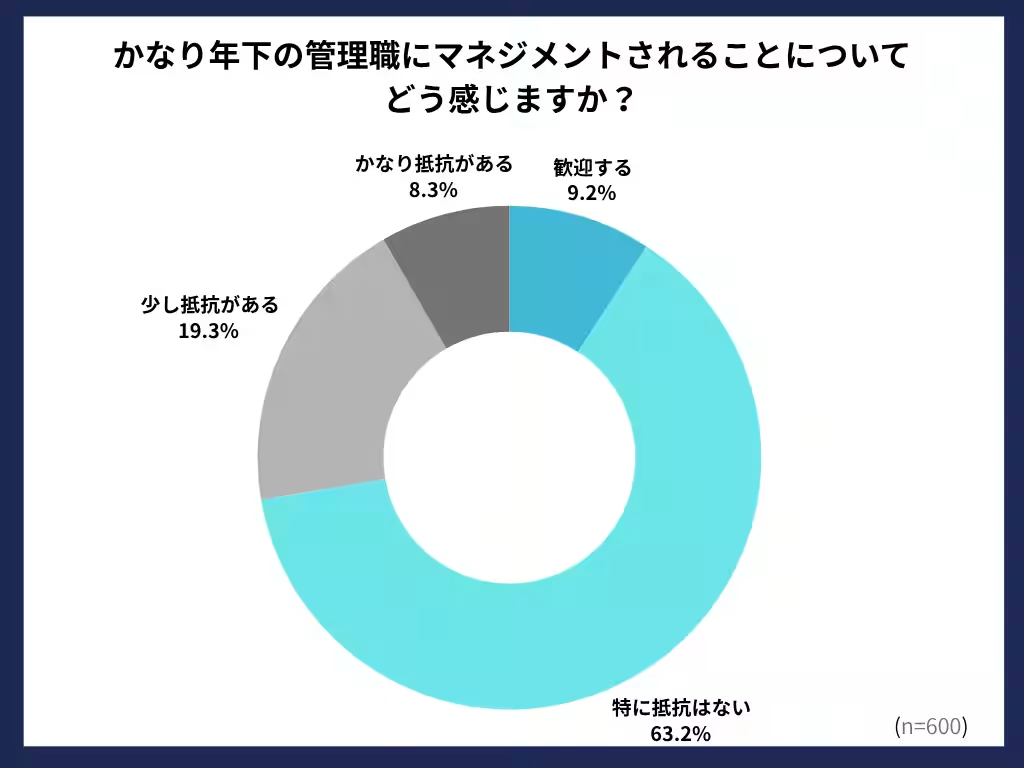
On the opposite end of the spectrum, a mere 8.3% expressed strong reluctance. Across different age brackets within this demographic, significant variations were not evident, indicating that senior engineers generally possess a readiness to adapt to younger leadership styles.
The survey also explored preferences regarding work locations and salary considerations. It revealed that 52.7% of respondents were willing to return to the office if it entailed a higher salary. In contrast, 32.7% preferred remote work even if it meant lower pay, and 14.7% expressed no desire to work on-site regardless of salary. Interestingly, those in their 60s were more inclined than other age groups to favor remote work, with 37% wishing to work from home even if it resulted in a pay cut.
Furthermore, there was a noticeable trend of an increased preference for ideal work environments over earning potential as age increased. For instance, 58.5% of workers in their 40s and 54% in their 50s would agree to work in the office for a high salary, whereas only 45.5% of those in their 60s shared this sentiment.
Despite many preferring remote work, the current landscape showed only about 29.7% of respondents working entirely in-office while almost 29.5% enjoyed the flexibility of full remote work. Among those working remotely, a significant number lived close to their workplace yet chose to work from home. The disparity between ideal work forms versus reality illustrated a clear gap, with 36% believing that full remote work should be the standard and only 11% favoring full in-office setups.
Moreover, about 10.2% of participants stated they would adapt to their company's policies without strong preferences. Looking towards future career prospects, a notable 62.2% expressed a desire to maintain their current working style, suggesting a trend towards stability amongst senior engineers. A smaller portion, 17.8%, envisioned a career shift to another IT role, while 7.8% were interested in pursuing freelance work.
However, this optimism was counterbalanced by a pervasive sense of apprehension regarding their careers. Approximately 80% of those surveyed expressed concerns related to age, skill obsolescence, or threats posed by AI. Among the top fears were the belief that age could impede job opportunities (44.5%), concerns over keeping skills up-to-date (33.7%), and anxiety about potential declines in salary (30.5%). Only 23.5% felt no career-related worries, highlighting the challenges facing seasoned engineers today.
Yohei Maeda, CEO of Morro Co., commented on the findings, emphasizing the flexibility demonstrated by veteran IT engineers. The results indicate a willingness among 70% to accept younger management and over half open to office work for the right salary. However, the survey simultaneously pointed out the prevalent career concerns that nearly 80% of senior engineers face, which is a crucial aspect that needs addressing for both individuals and the industry at large. Morro remains committed to valuing experienced engineers and bridging the gap between their expertise and company needs, ultimately aiding the ongoing development of Japan's IT workforce.
Topics People & Culture)

【About Using Articles】
You can freely use the title and article content by linking to the page where the article is posted.
※ Images cannot be used.
【About Links】
Links are free to use.