



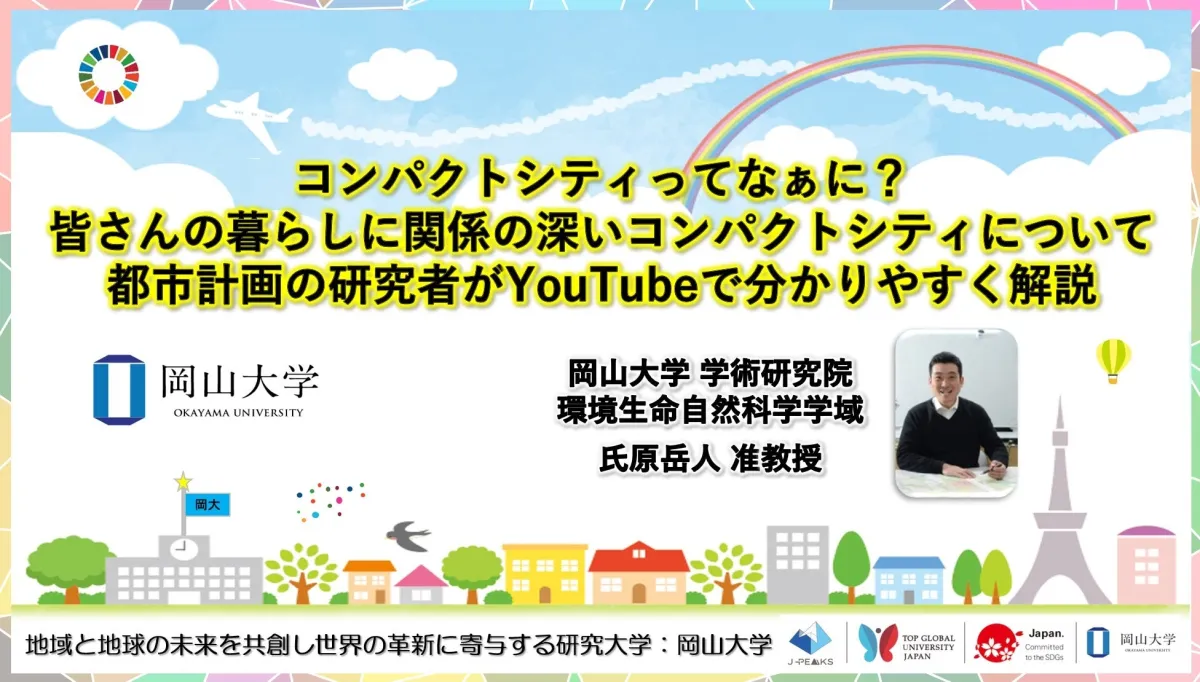
Understanding Compact Cities: A Guide from Okayama University Researchers
What Are Compact Cities?
Compact cities represent a innovative approach to urban planning aimed at creating sustainable urban environments. The concept centers around making better use of space to enhance the quality of life for residents while also promoting environmental sustainability. Despite its importance, many citizens are not adequately informed about how such policies affect their daily lives.
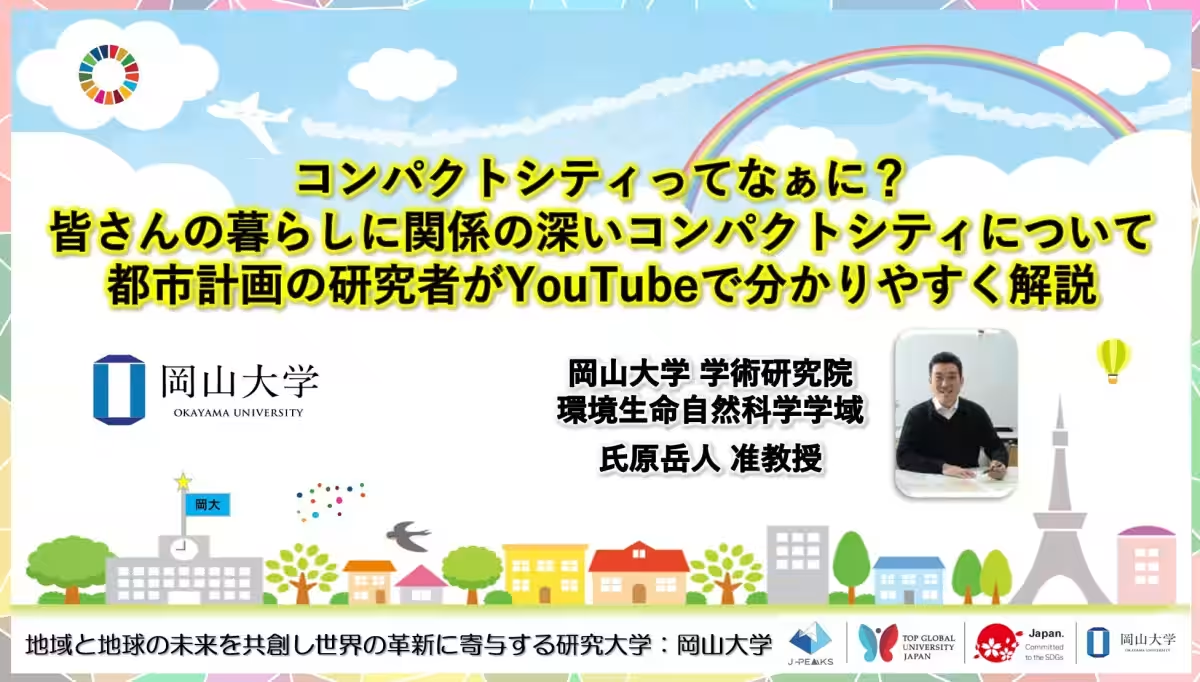
Okayama University, recognized for its contributions to research in this area, has initiated a series of educational videos targeting the general public to clarify the concept of Compact Cities. The first video in this series titled, "What is a Compact City?", has recently been published on YouTube. This series aims to demystify urban planning terms and tackle misconceptions surrounding the Compact City policy that is being implemented nationwide.
The Need for Awareness
As municipalities across Japan, including Okayama Prefecture's cities such as Okayama, Kurashiki, Tsuyama, and Takahashi, embrace the Compact City initiative, public understanding remains limited. Understanding these policies is crucial to ensuring their success, as community involvement and support are key in creating sustainable urban environments. Through these informative videos, residents can gain insights into how these urban planning strategies can improve infrastructure and community life.
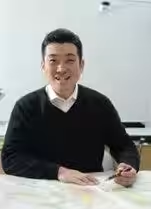
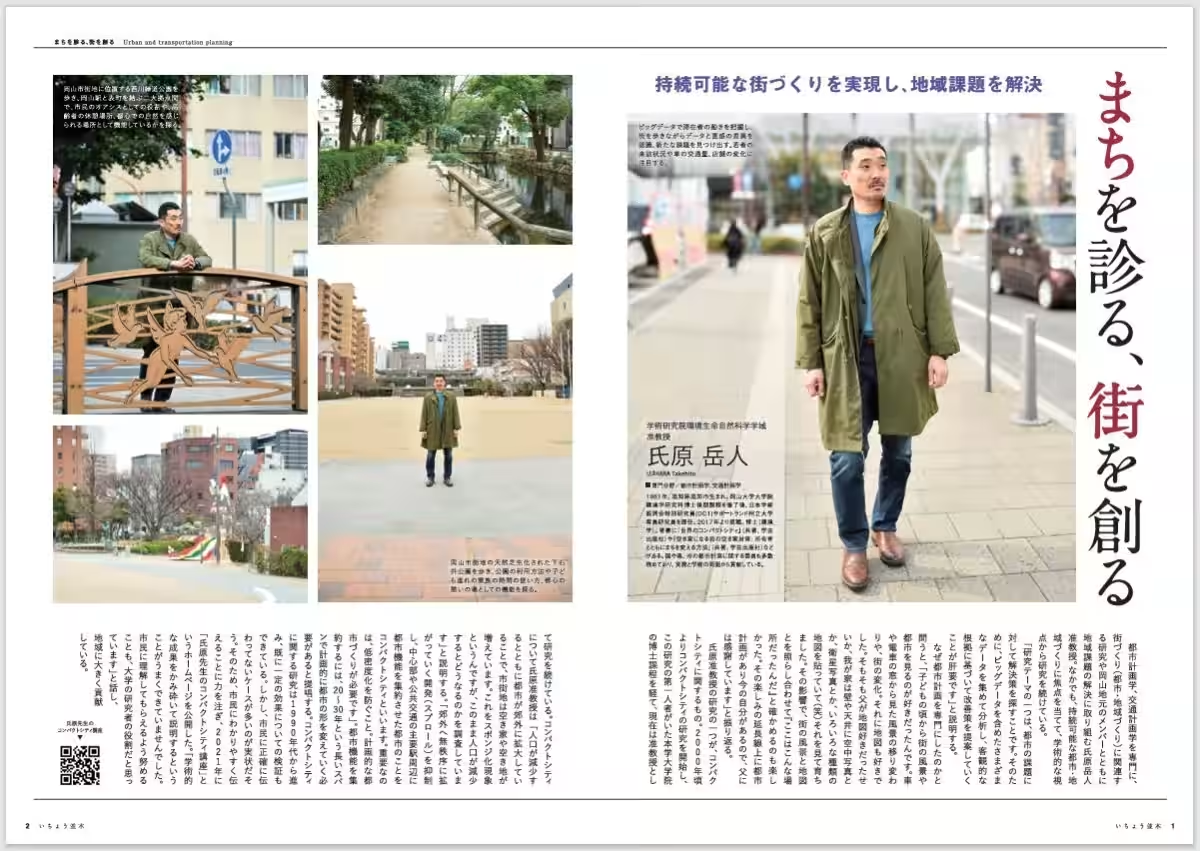
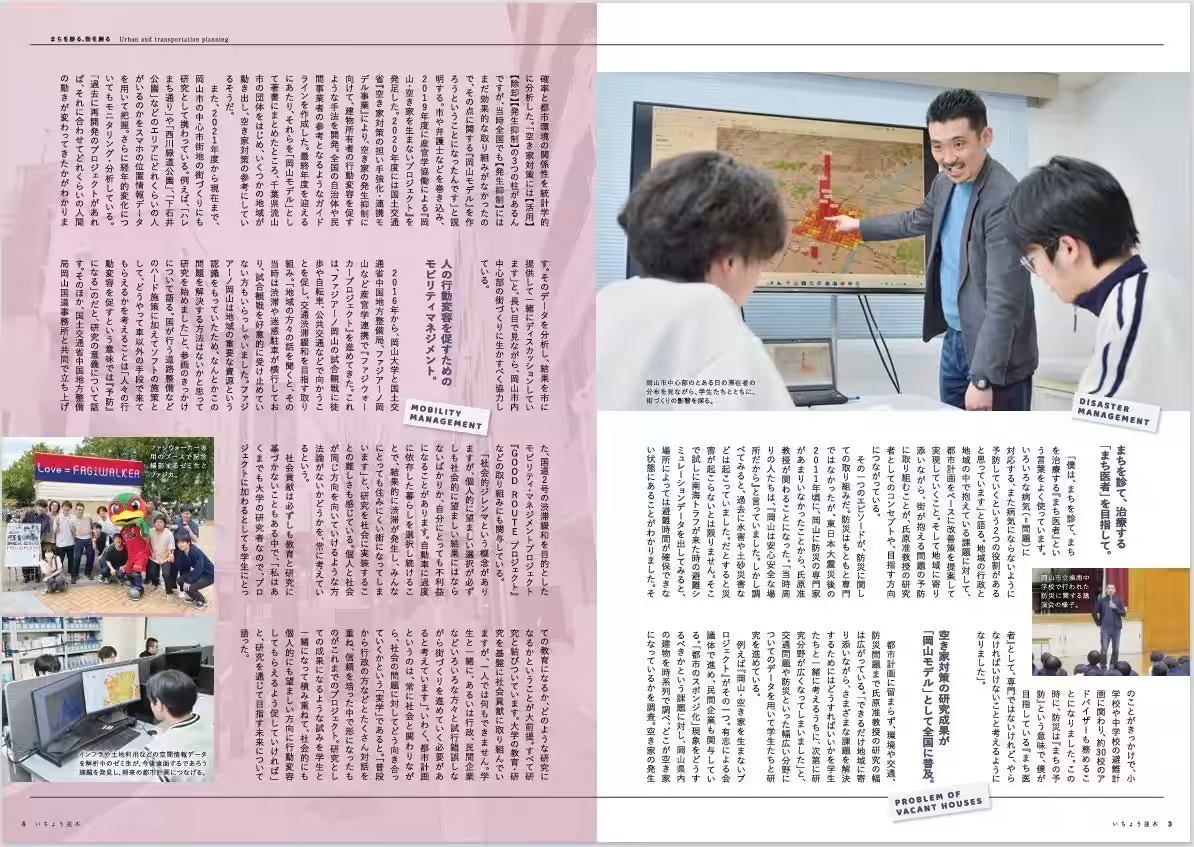
Associate Professor Takuto Ujihara from Okayama University, a key contributor behind these educational efforts, emphasizes the importance of communicating research findings in an accessible manner. "Urban planning is an applied science," he states. "It’s vital to convey what we have learned to the public in a way that is clear and engaging." On launching the video series, he hopes to increase public interest and understanding, which could lead to broader community support.
Objectives of the Video Series
The current video is set up as the first of many intended to tackle various aspects of Compact Cities and urban planning in general. By breaking down complex concepts into digestible formats, these videos aim to foster a better understanding among citizens. The first installment addresses fundamental questions about what defines a Compact City, its benefits, and how it impacts residents’ daily lives. Through comments and engagement on the video platform, the university seeks to create a dialog around urban development.
Future Directions
Moving forward, additional content will be produced to further elaborate on specific aspects of city planning and development. This will include more detailed discussions on sustainable practices, transportation infrastructure, and community health. By utilizing platforms like YouTube, Okayama University aims to reach a vast audience. The next video installments will continue to ensure viewers are well-informed regarding the impacts of urban policies on their surroundings.
The Importance of Community Engagement
For urban planning initiatives like Compact City policies to be effective, community input and understanding are essential. Engaging residents ensures that developments align with public needs and expectations. As researchers provide accessible educational tools, they also encourage citizens to participate actively in discussions about their city's future.
In conclusion, the Compact City initiative symbolizes a shift toward more sustainable urban practices. However, its success depends greatly on the public's awareness and understanding. The ongoing video series by Okayama University strives to bridge this gap, providing valuable insights into a future where cities can be more livable, sustainable, and community-focused.
To access the first video, visit Ujihara’s Compact City Lecture on YouTube and join the discussion about making our cities better for everyone.



Topics People & Culture)

【About Using Articles】
You can freely use the title and article content by linking to the page where the article is posted.
※ Images cannot be used.
【About Links】
Links are free to use.