



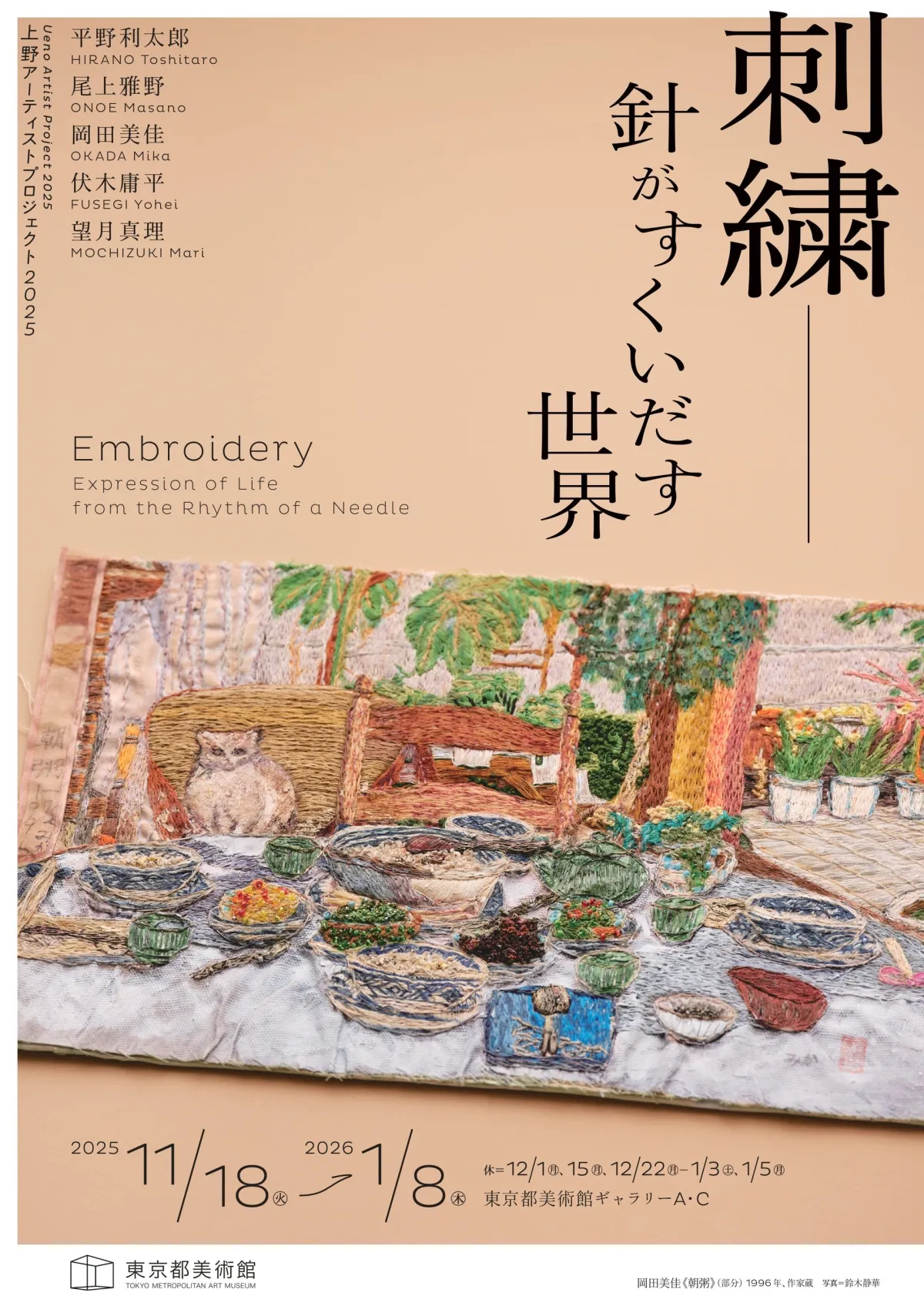
Exploring Embroidery: Ueno Artist Project 2025 at Tokyo Metropolitan Art Museum
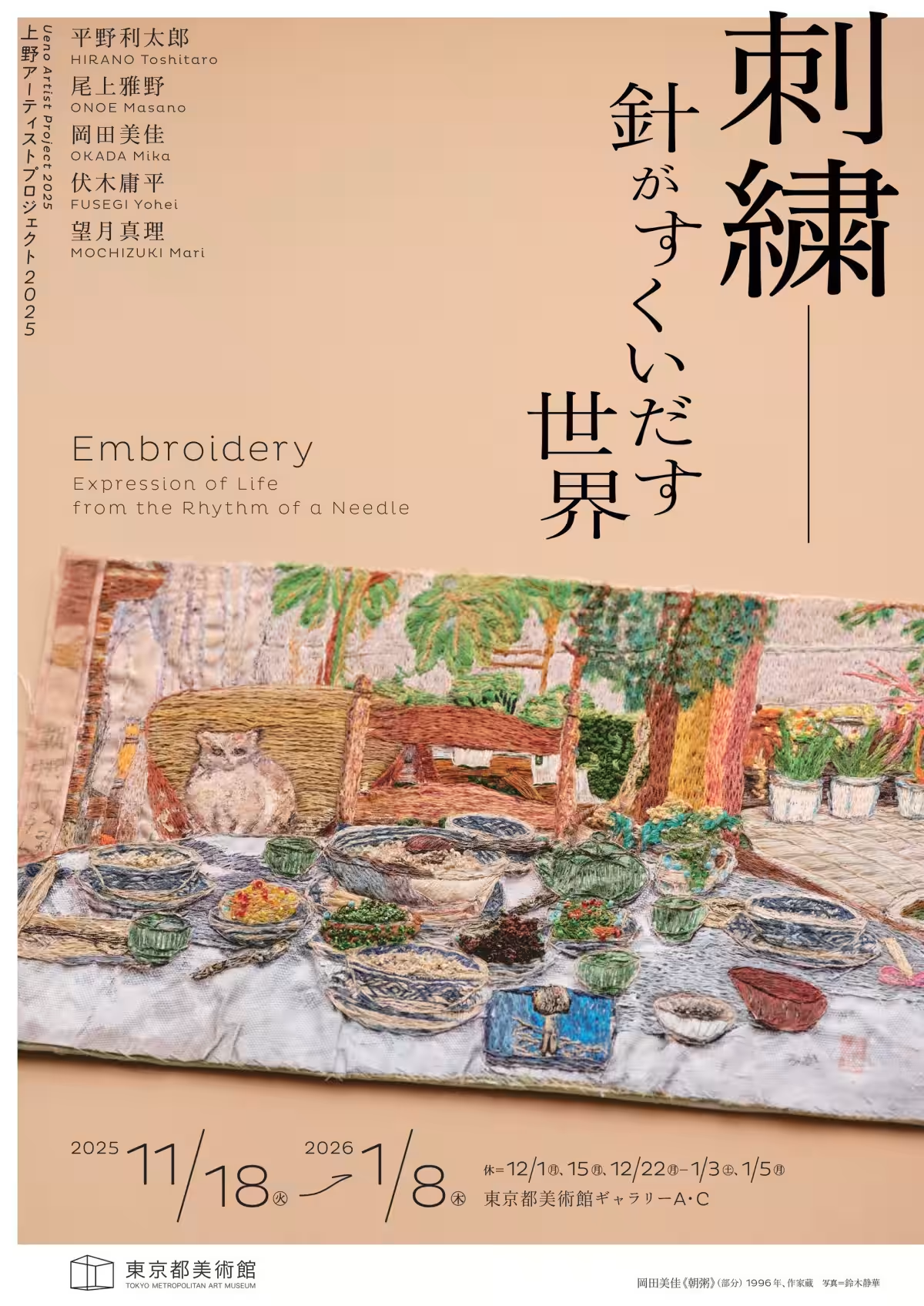
Ueno Artist Project 2025: Embroidery—Expression of Life from the Rhythm of a Needle
From November 18, 2025, to January 8, 2026, the Tokyo Metropolitan Art Museum will host the Ueno Artist Project 2025 titled "Embroidery—Expression of Life from the Rhythm of a Needle." This exhibition, the ninth in the ongoing series, will focus on the rich and diverse forms created through the practice of embroidery, a technique involving the delicate stitching of threads into fabric.
Embroidery, often seen as a meditative and expressive art form, allows artists to delve into their own worlds through the rhythmic motion of the needle. This intimate practice provides solace, self-liberation, and sometimes even a sense of salvation. Historically, embroidery has roots in various cultures as a means of mending fabrics, creating decorative pieces, and expressing spiritual beliefs. It serves as a profound gateway to understanding the lives of others across time and space.
The exhibition will feature the works of five prominent Japanese embroiderers from the late Taisho period to the present, each bringing their unique perspectives and innovations to the art form. These artists include:
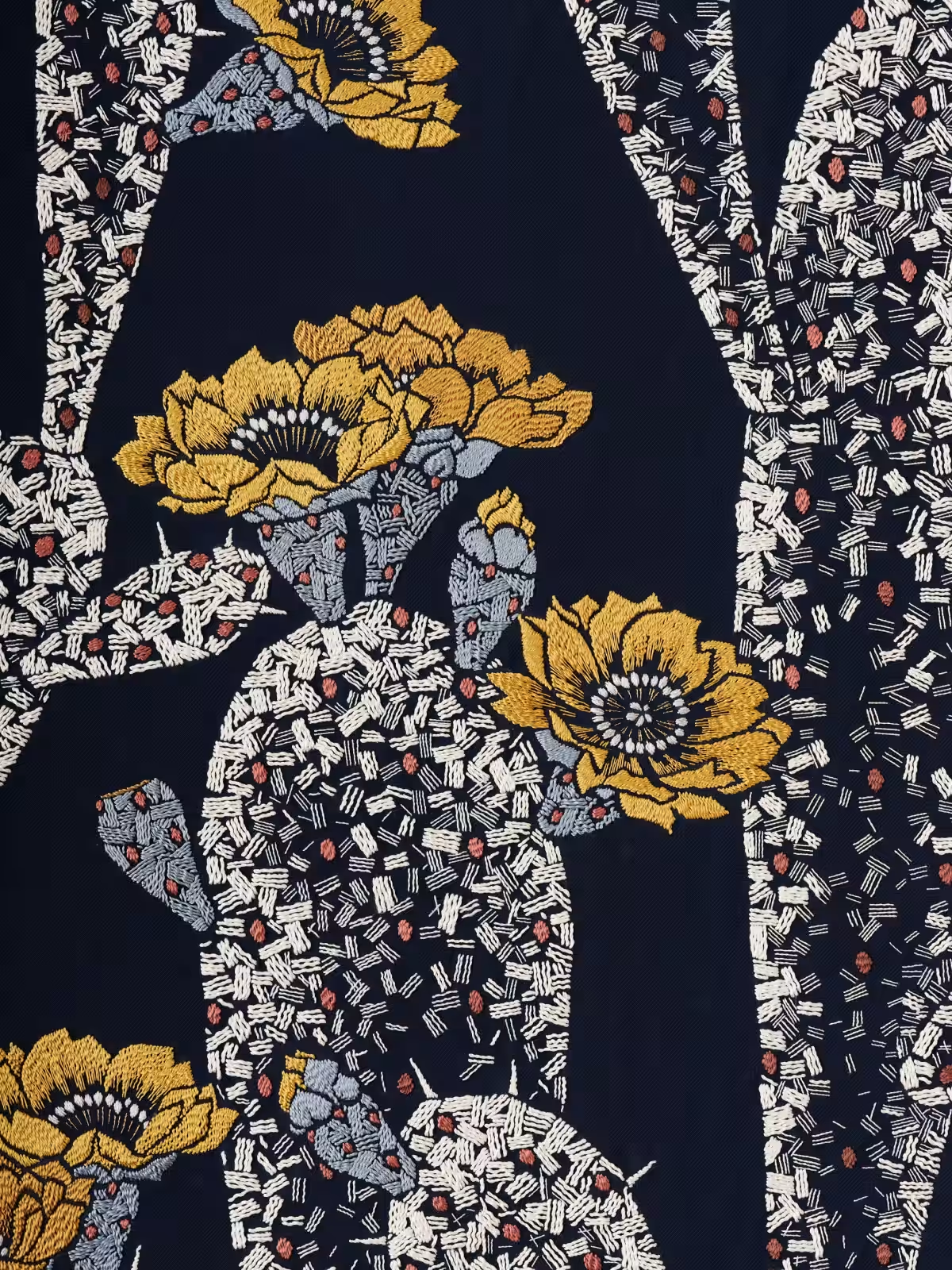
- - Toshitaro Hirano (1904-1994): Born into a family of embroiderers, Hirano pursued innovative expressions based on traditional techniques. His works often incorporate vibrant imagery, drawing on his knowledge of Western embroidery.
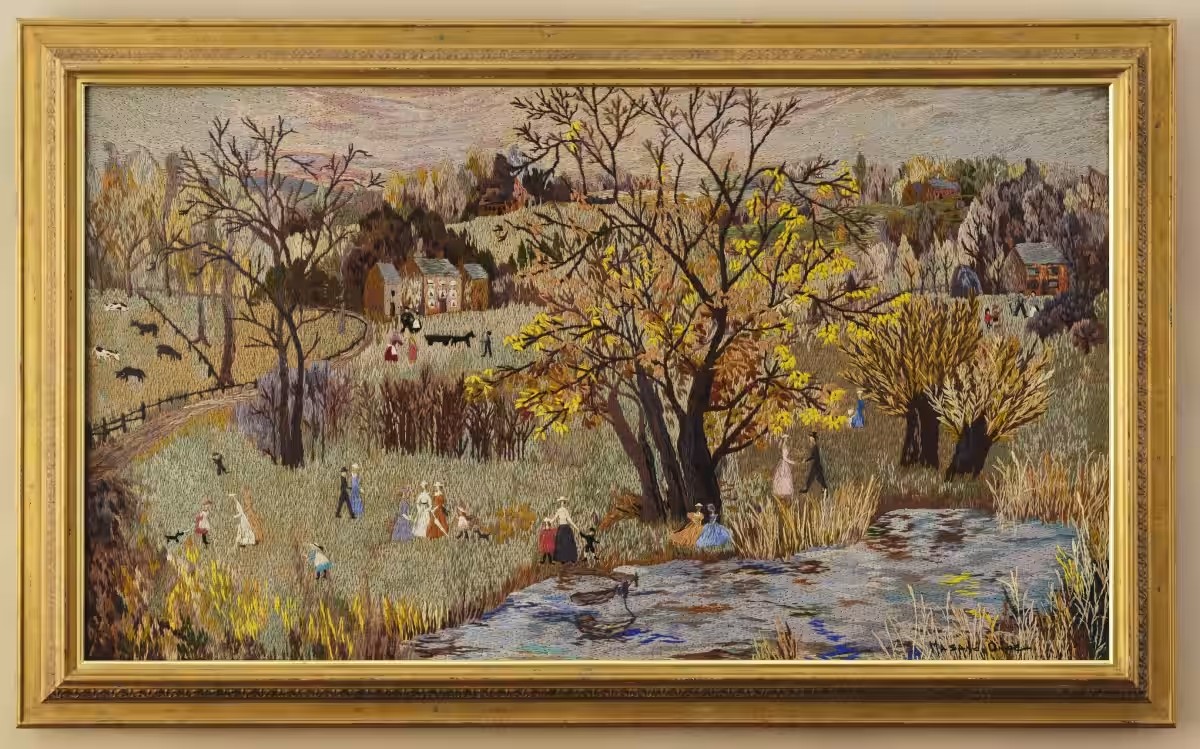
- - Masano Onoe (1921-2002): A significant figure in Japanese textile arts, Onoe created dynamic embroidered paintings using wool, serving as the president of the Japan Handicraft Association.
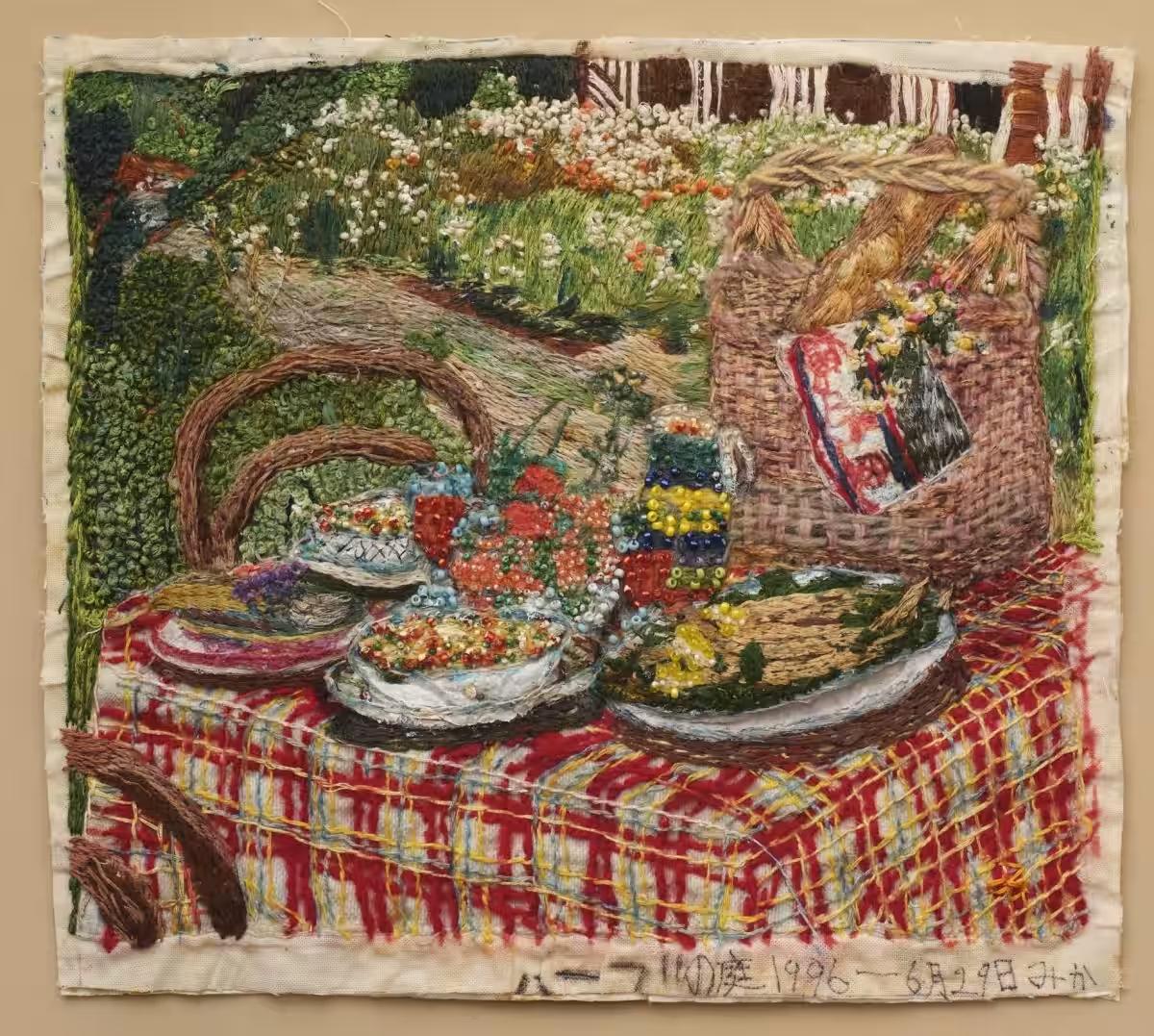
- - Mika Okada (b. 1969): Known for her free-spirited approach, Okada's creations echo the landscapes she has observed, vividly brought to life through her stitching.
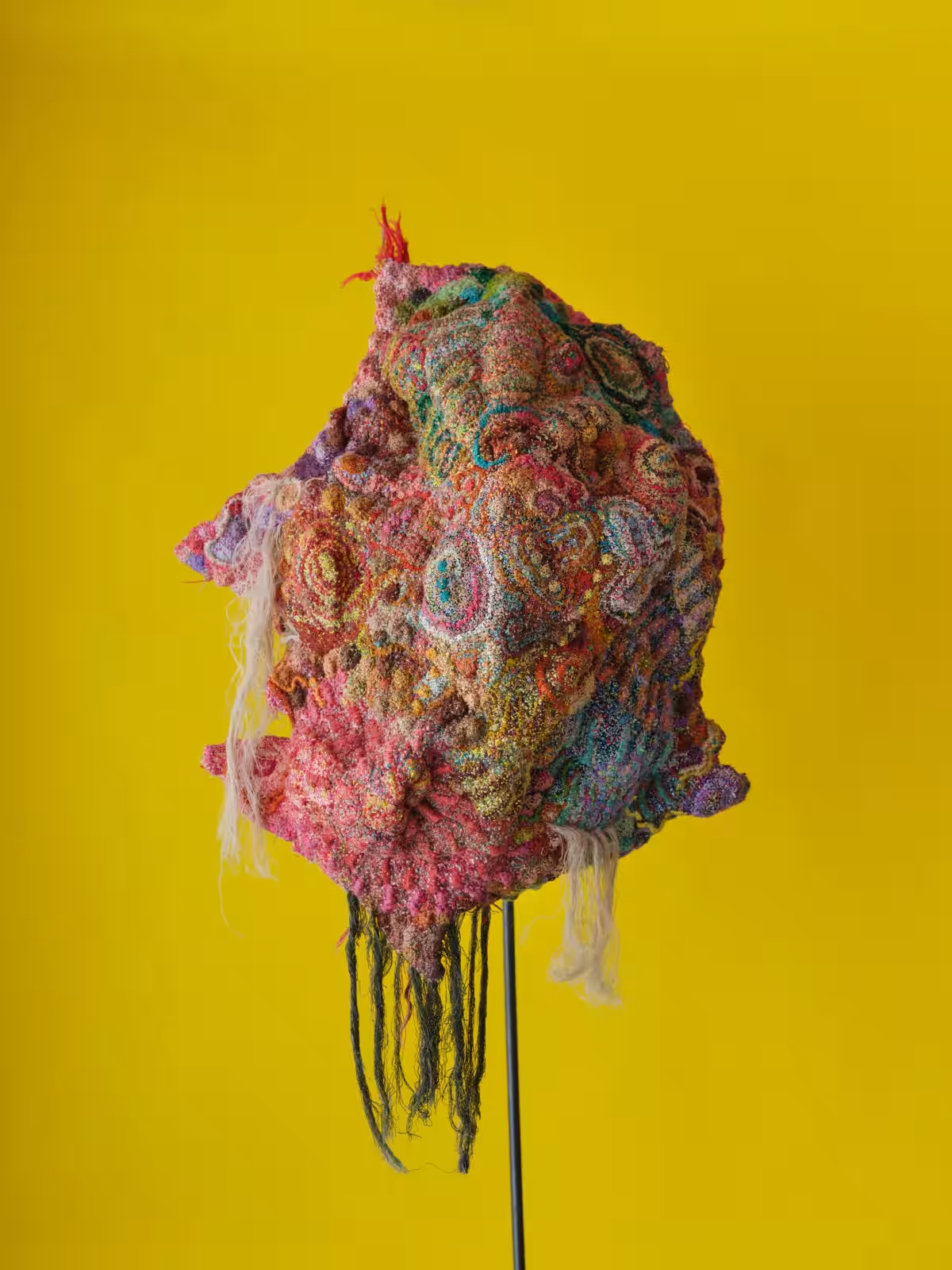
- - Yohei Fusegi (b. 1985): Rather than focusing solely on production, Fusegi's work is a meditative act, allowing him to engage with his internal rhythms and feelings through stitching.
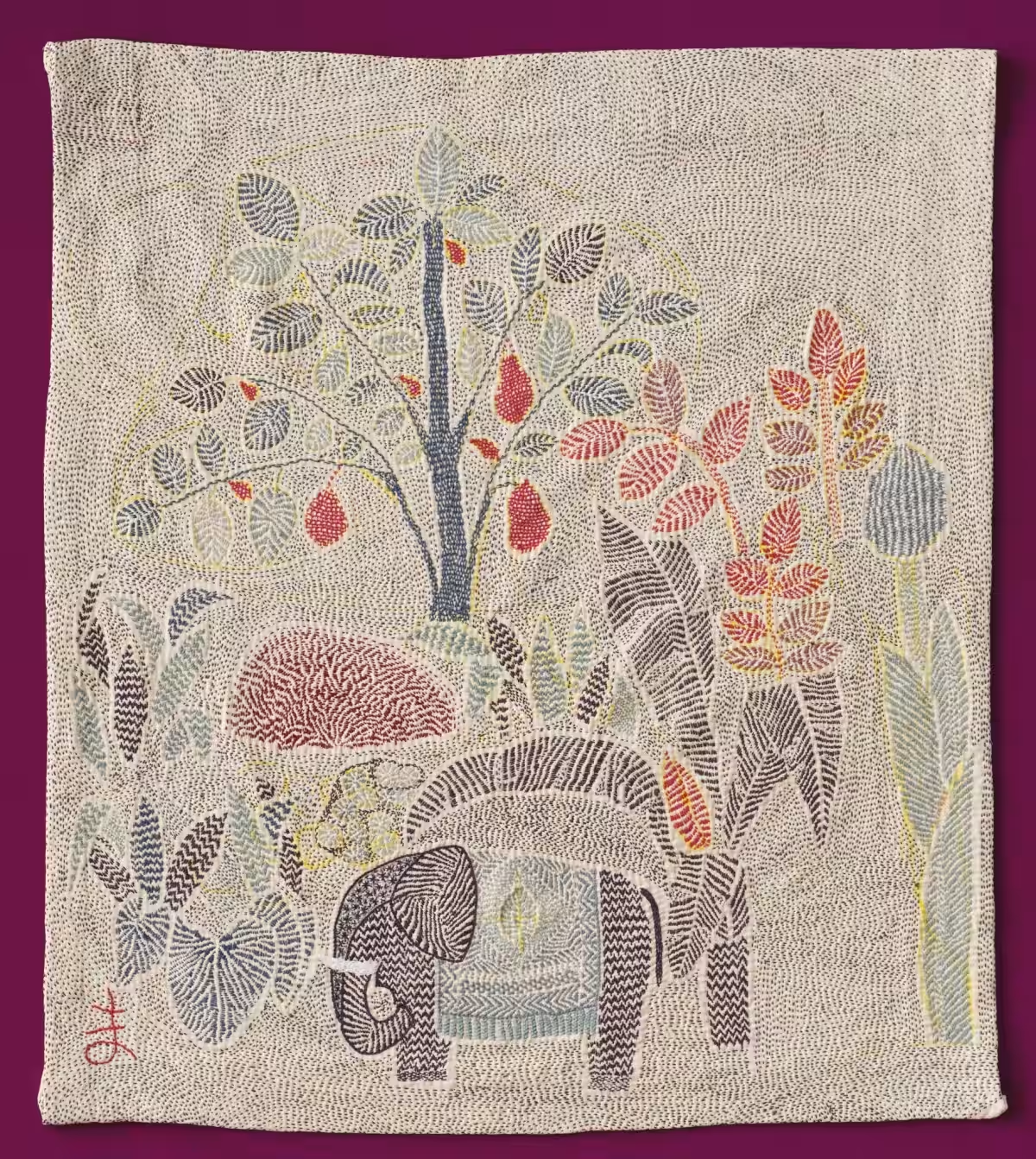
- - Mari Mochizuki (1926-2023): Her embroidery resonates with the traditional Bengali craft of Kantha, weaving together history and prayer in her works.
This exhibition seeks to present the integral relationship between the artist's hand and the fabric, inviting visitors to reflect on the meaning and potential of this timeless craft. By confronting the shapes and expressions created through stitching, we gain insight into the interplay between needle and thread and the stories they tell.
The Ueno Artist Project has been recognized as a significant platform for showcasing artists involved in public exhibitions, aiming to carry forward the history and development of the Tokyo Metropolitan Art Museum. The project has been held annually since 2017 under varying themes, aiding in the promotion of emerging talents.
Key Pieces in the Exhibition
Among the notable pieces featured in the exhibition are:
- - Mika Okada: "Herb Garden" (1996) - Private Collection
- - Masano Onoe: "Autumn" (1974) - Japan Handicraft Association Collection
- - Yohei Fusegi: "Komon Bebe" (2023-24) - Private Collection
- - Toshitaro Hirano: "Cactus" (1955) - Machida City Museum of Graphic Arts Collection
- - Mari Mochizuki: "The Elephant is the King of the Forest" (c. 2020) - Private Collection
Exhibition Details
- - Exhibition Name: Ueno Artist Project 2025: Embroidery—Expression of Life from the Rhythm of a Needle
- - Exhibition Dates: November 18, 2025 – January 8, 2026
- - Venue: Tokyo Metropolitan Art Museum, Gallery A & C
- - Closed Days: December 1, 15, 22, and from January 3, 5
- - Opening Hours: 9:30 AM – 5:30 PM (entry until 5:00 PM) and Friday evenings until 8:00 PM
- - Admission Fees: General ¥800, Over 65 ¥500, Students and youth under 18 free
- - Organizer: Tokyo Metropolitan Art Museum
- - Website: Tokyo Metropolitan Art Museum Exhibition
- - Contact: Tokyo Metropolitan Art Museum, 03-3823-6921
Concurrent Event
Simultaneously, visitors can enjoy another exhibition titled "When Embroidery is Born—Modern & Contemporary Thread, Needle and Fabric Creations Seen in the Tokyo Metropolitan Collection," showcasing various forms of embroidery and related materials across four thematic chapters, highlighting the evolution and significance of this treasured craft in Japanese history.
Topics Entertainment & Media)
【About Using Articles】
You can freely use the title and article content by linking to the page where the article is posted.
※ Images cannot be used.
【About Links】
Links are free to use.