



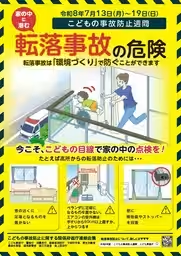
Preventing Child Falls: Enhancing Safety Through Environment Design
Understanding the Risks of Falling Accidents in Children
The period from July 13 to 19 marks the 'Child Accident Prevention Week', a crucial initiative led by the Child and Family Agency in collaboration with various government ministries. This initiative aims to increase awareness about preventing unexpected accidents among children, particularly focusing on the theme of 'Preventing Falling Accidents' for the fiscal year 2028.
As alarming statistics reveal, fall accidents among children are a predictable yet preventable issue that can lead to severe consequences, including hospitalization and, in some tragic instances, fatalities. According to data from the Ministry of Health, Labour and Welfare and the Tokyo Fire Department, child-related fall accidents remain a significant concern.
The Statistics Behind Falling Accidents
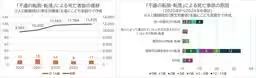
Year after year, child fall accidents persist both in fatal cases and emergency transport statistics. Despite a long-term decline in accident-related deaths among children, particularly those aged 0 to 4, falls often lead to grievous injuries and fatalities predominantly occurring in residential settings.
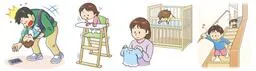
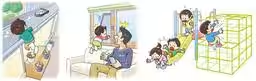
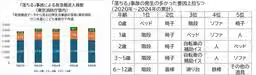
When we look closely at the emergency dispatch data from the Tokyo Fire Department, it is evident that children aged 0 to 5 are notably vulnerable. Young children, as they develop and explore their environment, often fall from everyday objects like beds and chairs. As they grow older, the nature of these accidents shifts, with increased incidences occurring from higher places such as stairs, windows, and balconies.
Key Examples of Falling Accidents
To better comprehend how often these accidents occur, the society must consider the common scenarios leading to such falls. The environmental setup plays a crucial role, making it imperative to create play and home environments designed with safety in mind. Parents and caregivers can make minor adjustments that significantly mitigate these risks.
1. Infants and Toddlers: At this developmental stage, children are encouraged to crawl and walk, which increases their chances of tipping over. Between the ages of 0 to 5, falls from beds or low furniture are prevalent.
2. Preschool Children: As children become more mobile, their curiosity drives them to climb on furniture or teeter on the edges of stairs, windows, and balconies. Educating them about safe play areas and boundaries is vital during this time.
The Role of the Government
The various governmental bodies are spearheading efforts to mitigate these risks. With the slogan, "Child fall accidents can be prevented through 'environmental design'," the campaign endeavors to create a more conducive environment for children’s growth. Here’s what they are focusing on:
- - Information Distribution: Ensuring that families receive comprehensive information regarding potential risks and preventive measures associated with falls.
- - Awareness Campaigns: Through posters, social media, and various outreach programs, the energy will be directed towards increasing awareness and encouraging proactive behaviors among caregivers.
Conclusion and Call to Action
Participating in the 'Child Accident Prevention Week' allows parents and communities to come together to understand and address the alarming realities of child safety. Keeping children safe from falling accidents is not merely a parental responsibility but a community-wide initiative. Parents, educators, and local authorities should collaboratively participate in creating a protective environment, preventing potentially serious falls through vigilance and awareness.
For detailed information regarding the initiatives during the 'Child Accident Prevention Week' and access to educational materials, please check the Child and Family Agency's official website and consider contributing to discussions about child safety in your local areas. Let us act together to keep the future generation safe!
Topics People & Culture)
【About Using Articles】
You can freely use the title and article content by linking to the page where the article is posted.
※ Images cannot be used.
【About Links】
Links are free to use.