



Remote Work vs. Office: An Insight into Fashion Spending and Choices
Exploring Fashion Trends in the Age of Remote Work
The rise of remote work has drastically changed the landscape of office attire, with many people now pondering how to express their professional identity from home. A new survey conducted by LASSIC, through its web media 'Telework and Remote Work Comprehensive Research Institute', has unearthed fascinating insights into how working environments influence our fashion choices and expenditures.
The Shift in Spending Habits
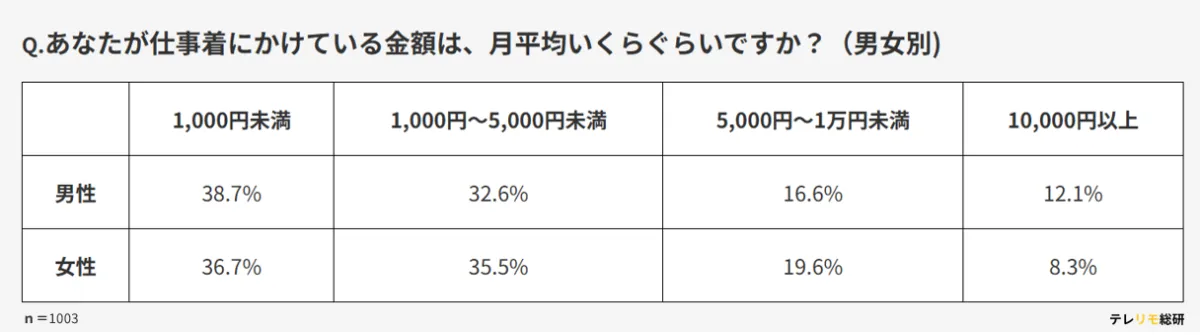
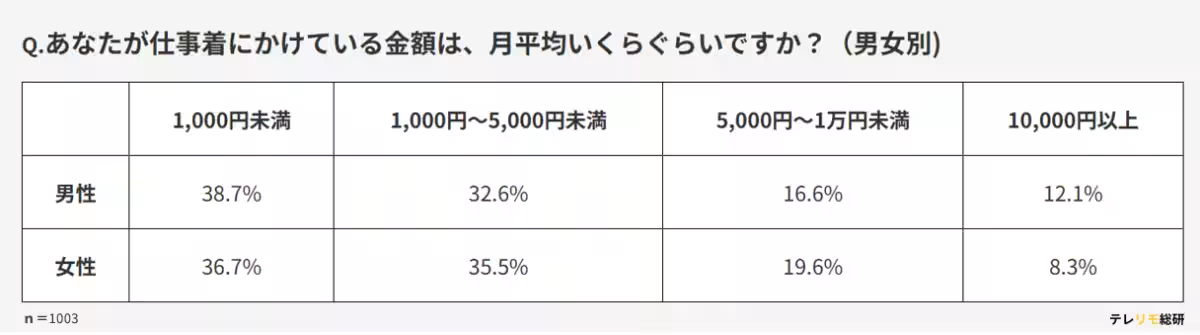
The survey revealed a notable shift in how much individuals are spending on work attire. When asked about their monthly clothing budget, more than half of female respondents (55.1%) fell into the middle price range of 1,000 yen to 10,000 yen, while the male counterparts showed a preference for higher-priced attire, with a substantial number spending over 10,000 yen. This suggests that men tend to opt for distinctive pieces, while women lean towards multiple versatile options that suit various moods and occasions.
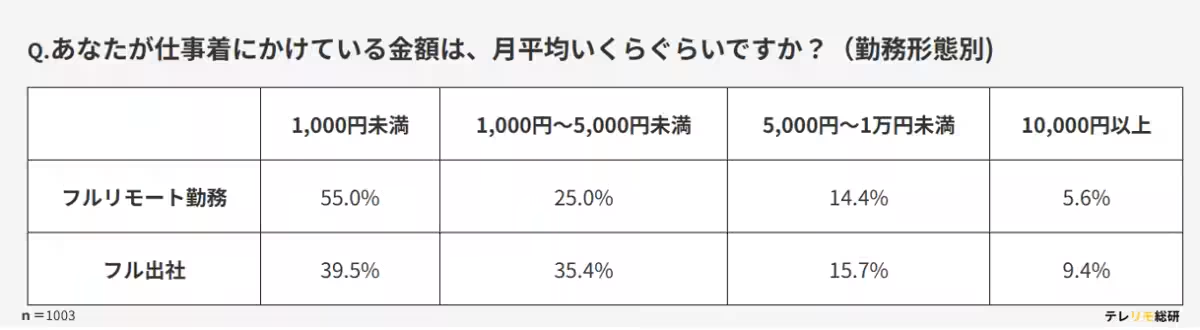
Interestingly, the employment type significantly influenced these choices. Among full remote workers, over half reported spending less than 1,000 yen on their workwear, while those who adhere to a full office schedule gravitated towards the 1,000 yen to 5,000 yen range. Furthermore, a higher percentage of full-timers invested in premium attire compared to their remote-working peers.
Fashion Choices Based on Work Style
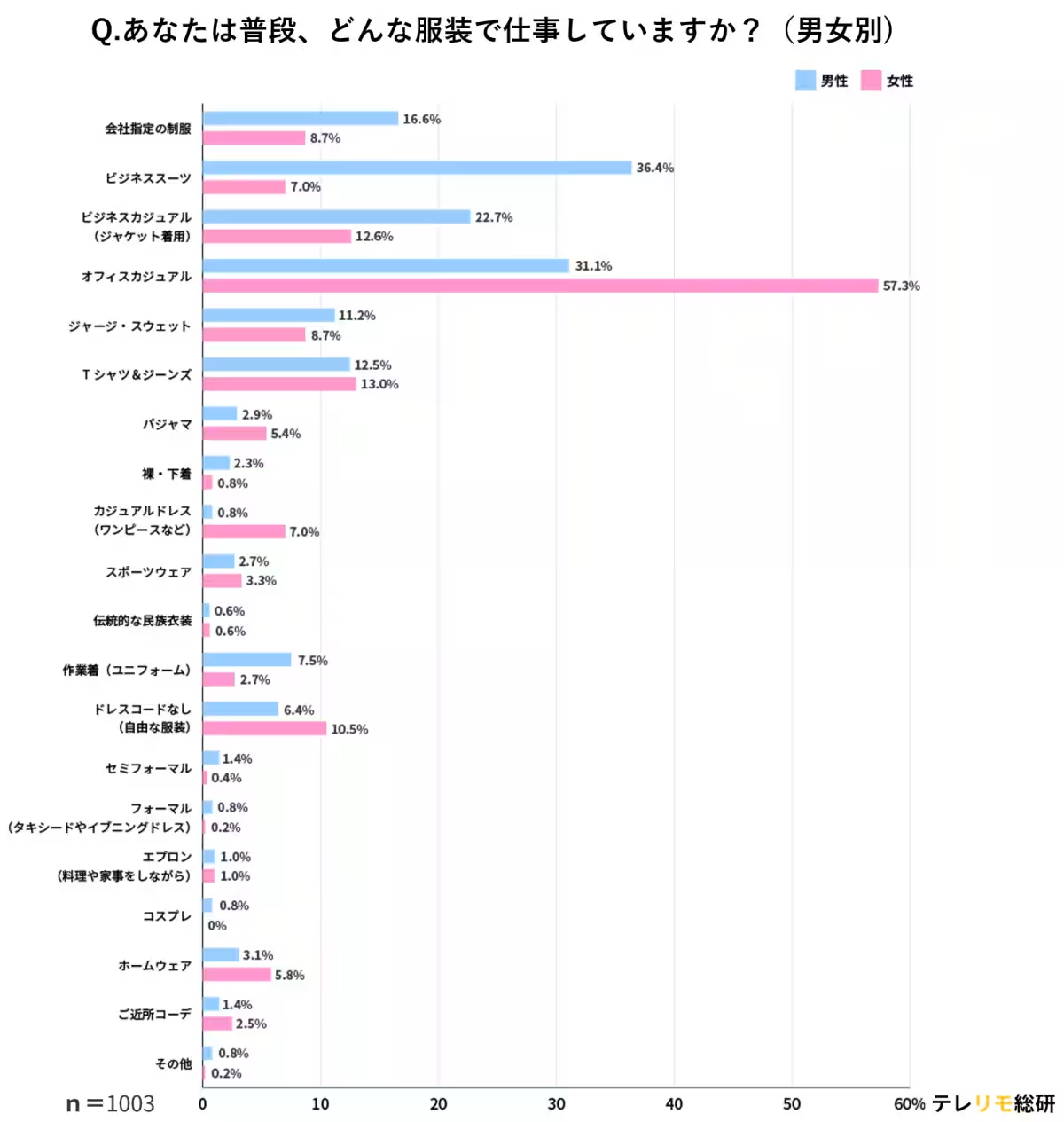
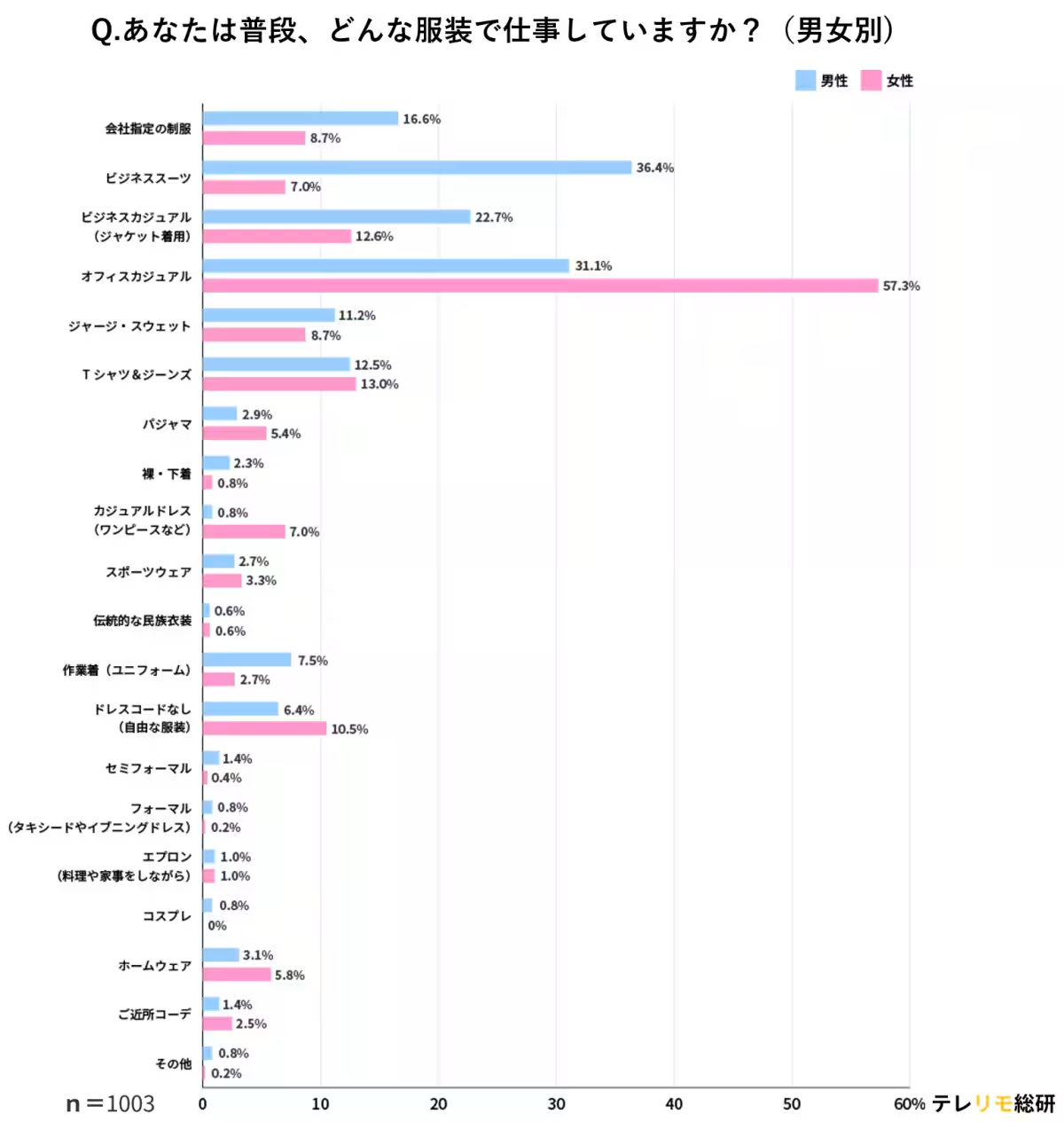
When we delve into what people wear while working, the patterns starkly differ between genders and employment types. A significant portion of men (36.4%) reported wearing business suits, while 22.7% opted for business casual styles. In contrast, nearly 57.3% of women chose office casual, a style appreciated for its balance of professionalism and comfort. This highlights a marked divergence in how each gender interprets appropriate work attire.
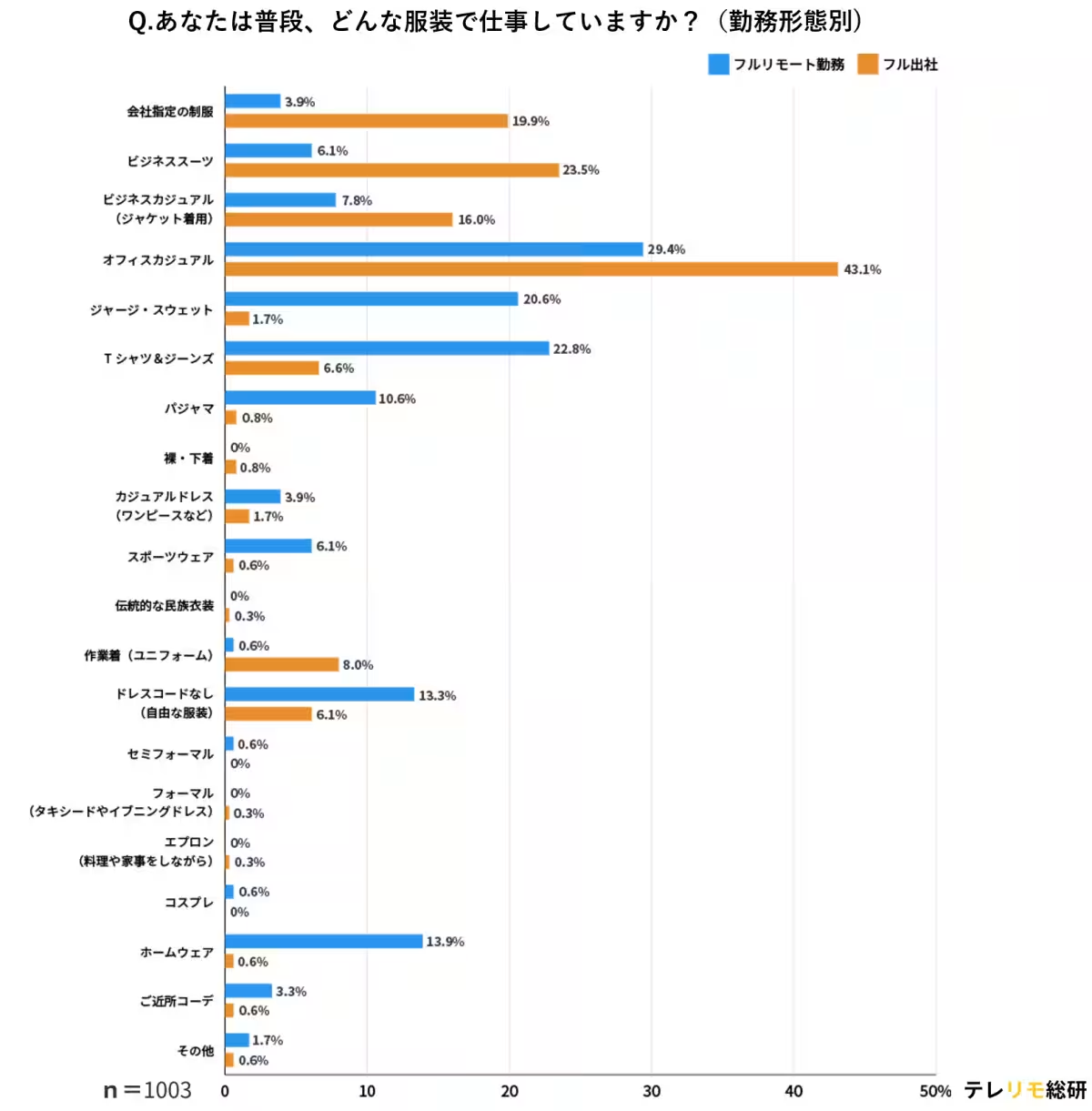
When categorized by work arrangements, both remote and office employees favored office casual, but the second most popular choices diverged greatly. Full-time employees maintained traditional dress codes, preferring uniforms and business suits. On the other hand, remote workers embraced a more relaxed style, with 22.8% choosing to wear t-shirts and jeans, and 20.6% opting for sweats or jogging suits. This indicates a practical adaptation to the work-from-home lifestyle.
An eyebrow-raising finding was the percentage of remote employees who admitted to working in pajamas—10.6% said they did, compared to just 0.8% of full-time office workers. While this might seem unusual, it highlights the adaptability of remote workers. Even among remote workers, some still choose formal attire, emphasizing their commitment to professionalism even when working from home.
Finding the Right Balance
The data suggests that the ideal work attire has become a blend of comfort and professionalism. In a world where remote work has become standard, many are redefining their workwear choices to suit their lifestyles. The relaxation of dress codes has led to a growing preference for styles that allow individuals to express their identities while maintaining comfort.
The shift away from formal suits has been largely supported by companies revising their dress codes, reflecting a focus on individuality and comfort. As a result, conventional industries that once mandated strict dress codes are now acknowledging the importance of maintaining a clean appearance without sacrificing personal style.
Furthermore, the understanding that clothing can impact work efficiency and productivity has gained traction. The acceptance of varying fashion choices, including pajamas, signifies a shift towards valuing comfort and personal expression over rigid standards.
Looking Forward
As the shift in dress codes continues, it opens the door for companies to embrace diversity in working styles. Establishing flexible guidelines and support systems that account for various preferences is crucial. Ultimately, balancing personal comfort with the impression one leaves on colleagues and clients will become an essential strategy for many organizations moving forward.
In essence, the evolution of work attire in the age of remote work speaks volumes about our changing perception of professionalism. The diverse ways individuals choose to express themselves through clothing is a trend that is likely to grow, heralding a future where personal branding and comfort coexist in the workspace.
Topics People & Culture)
【About Using Articles】
You can freely use the title and article content by linking to the page where the article is posted.
※ Images cannot be used.
【About Links】
Links are free to use.