



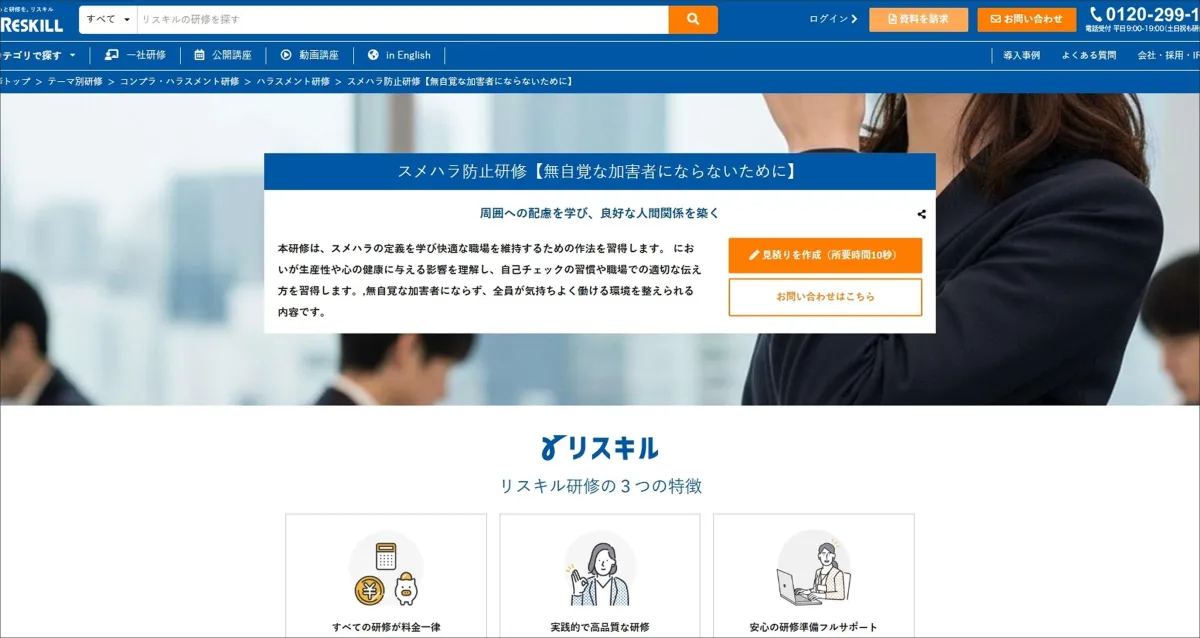
New Anti-Smell Harassment Training Program to Boost Workplace Productivity
New Training Initiative to Combat Smell Harassment
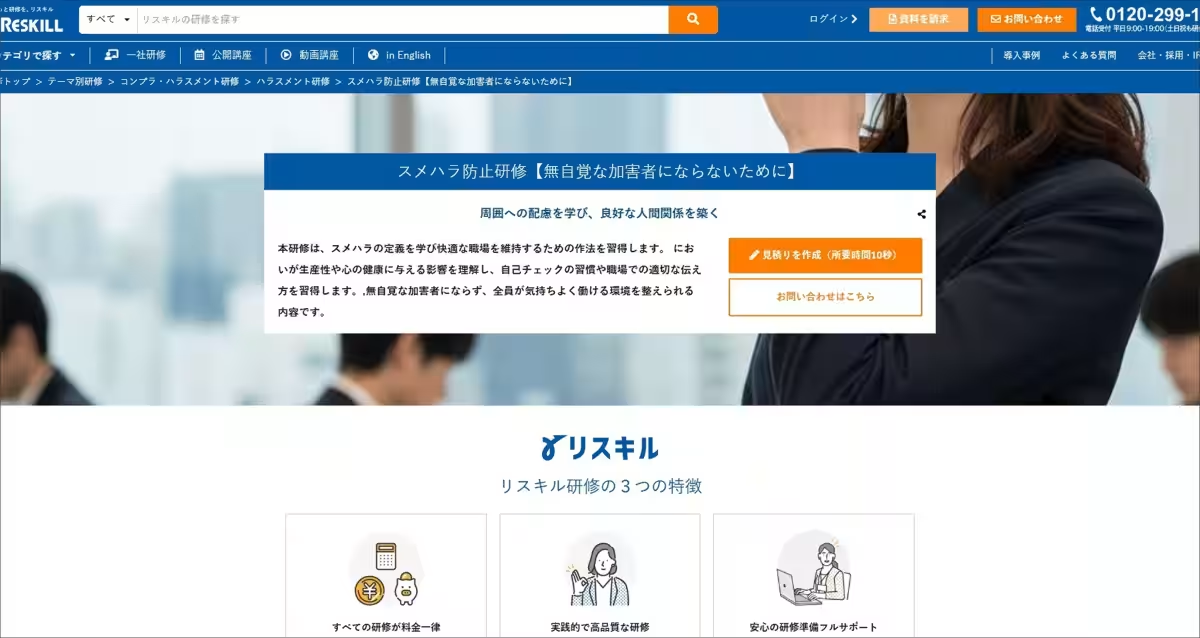
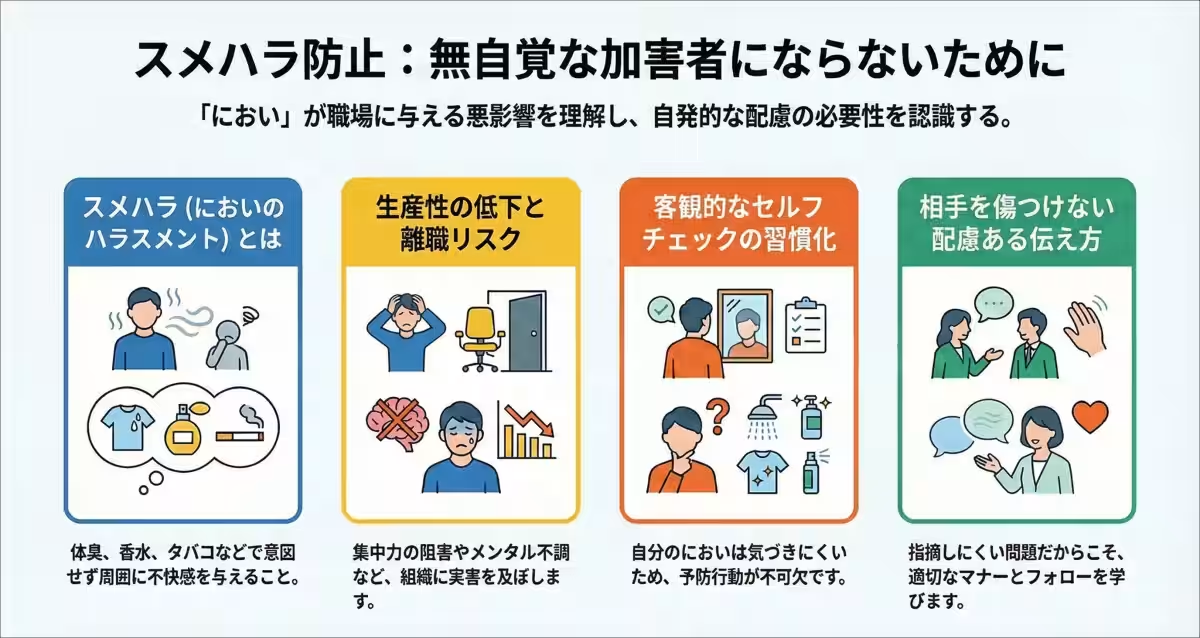
In response to growing concerns about workplace harassment, Reskill, a prominent training company, has launched an innovative program aimed at addressing scent-related issues in professional environments. This new training program focuses on the potentially damaging effects of smell harassment, defined as the unintentional discomfort caused by body odor, bad breath, perfumes, or tobacco smoke.
Understanding Smell Harassment
Recent years have seen a rise in awareness regarding various forms of harassment in the workplace, with smell harassment gaining particular attention. This issue is characterized by its sensitive nature, which often makes it difficult for individuals to address the problem directly. Reskill’s program encourages employees to reflect upon their own habits and to recognize the impact odors can have on their colleagues.
Setting the Stage for a Productive Work Atmosphere
Smell harassment poses a significant risk to organizational health, directly correlating with declines in employee productivity, mental health issues, and an increased likelihood of turnover. As such, it is essential for organizations to implement strategies that promote a common set of manners and rules, mitigating the risk of unconscious offenders.
Goals of the Anti-Smell Harassment Training
The training is designed for all employees—new hires, young staff, mid-level workers, and management—ensuring a comprehensive approach towards improving workplace harmony. Participants will learn to:
- - Define smell harassment and understand its nuances.
- - Recognize the adverse effects of unpleasant smells on overall health.
- - Gain a more objective perspective on their personal grooming habits.
- - Implement preventive measures such as using deodorants effectively.
- - Master appropriate ways to communicate with others about sensitive smell-related issues.
Key Features of the Training Program
The Anti-Smell Harassment training not only emphasizes personal responsibility but also highlights the collective duty of employees to foster a comfortable work environment. It encourages:
- - A clear understanding that smell is not merely a matter of personal preference, but is intertwined with the workplace’s mental health and employee retention.
- - Engaging in self-assessments using checklists to identify and adjust personal behaviors that could potentially harm others unknowingly.
- - Practicing communication techniques that facilitate constructive conversations about smells without creating conflict.
Training Curriculum Overview
The curriculum includes practical workshops that revolve around:
- - Viewing smell harassment through a personal lens, exploring its definitions and backgrounds.
- - Analyzing the impacts of odors on productivity and mental well-being.
- - Engaging in case studies that question whether specific behaviors qualify as smell harassment.
- - Learning about workplace etiquette surrounding fragrances and proactive measures individuals can take.
About Reskill
Founded with the mission to promote a harassment-free work environment, Reskill specializes in offering diverse business training sessions, including programs that tackle sensitive topics like smell harassment. Their clear pricing model enables companies to budget effectively for training sessions based on the number of participants and duration, ensuring that high-quality training is accessible for all. With an expert team of trainers ready to support businesses with comprehensive materials and logistical aid, Reskill is prepared to tackle workplace challenges efficiently.
As organizations strive to create supportive and pleasant working environments, initiatives like Reskill’s Anti-Smell Harassment training are becoming indispensable tools for fostering workplace culture and productivity. By addressing smell harassment and its implications head-on, Reskill not only enhances the professional landscape but also prioritizes employee well-being.
Topics People & Culture)
【About Using Articles】
You can freely use the title and article content by linking to the page where the article is posted.
※ Images cannot be used.
【About Links】
Links are free to use.