



How Workplace Perspectives Shift After Returning from Mental Health Breaks
Changes in Work Perspectives Post-Return from Breaks
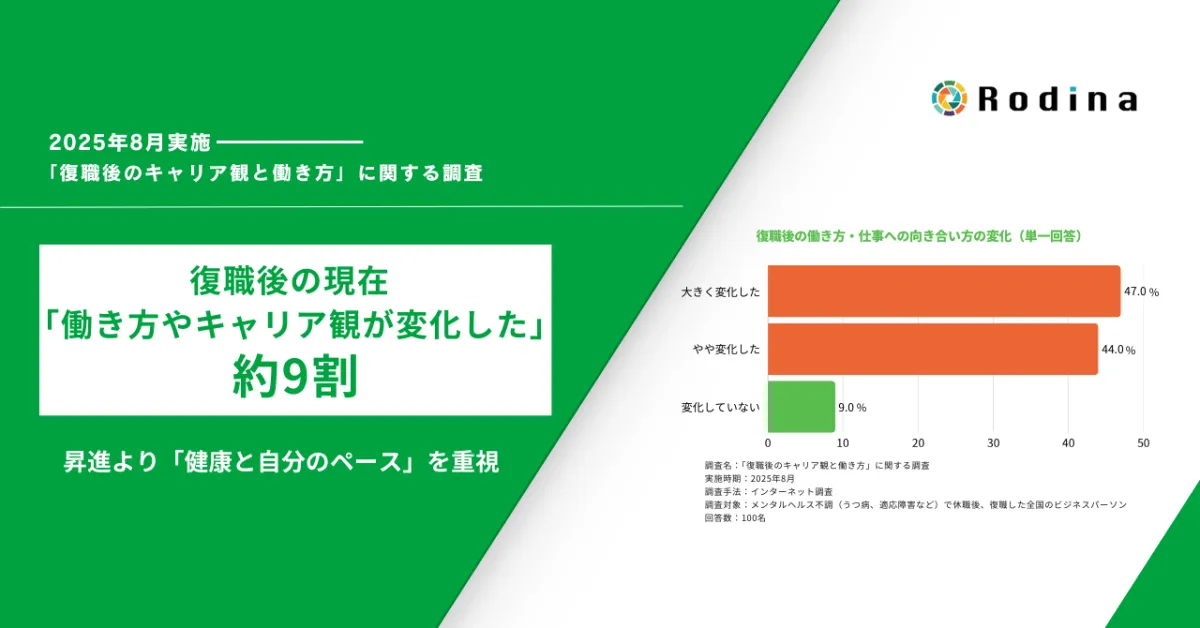
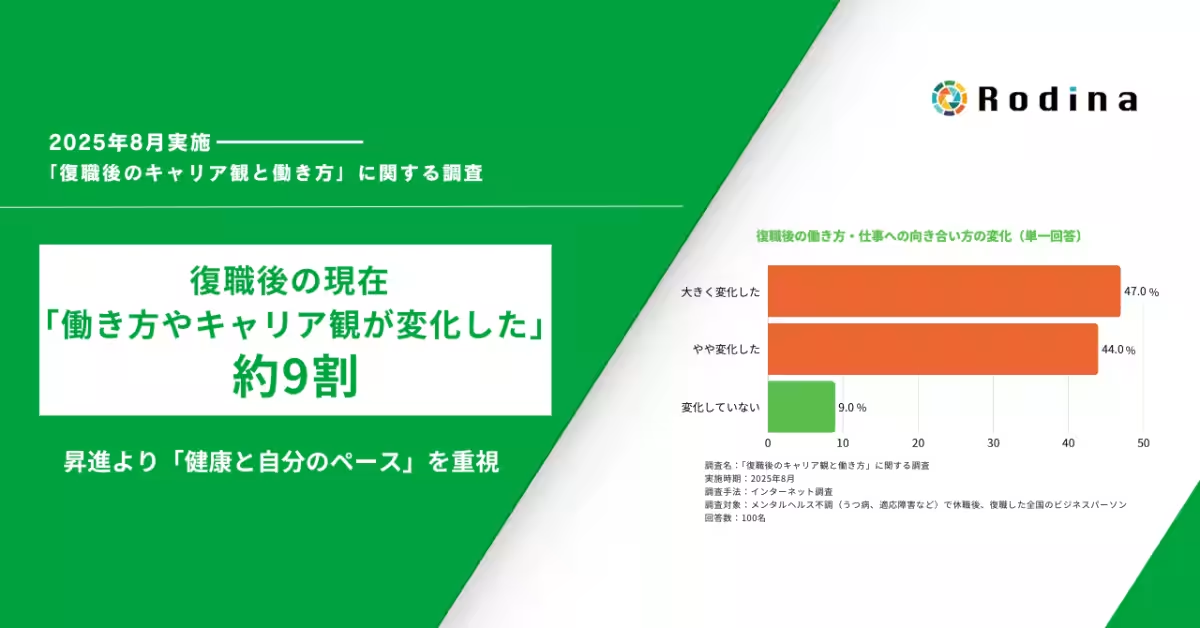
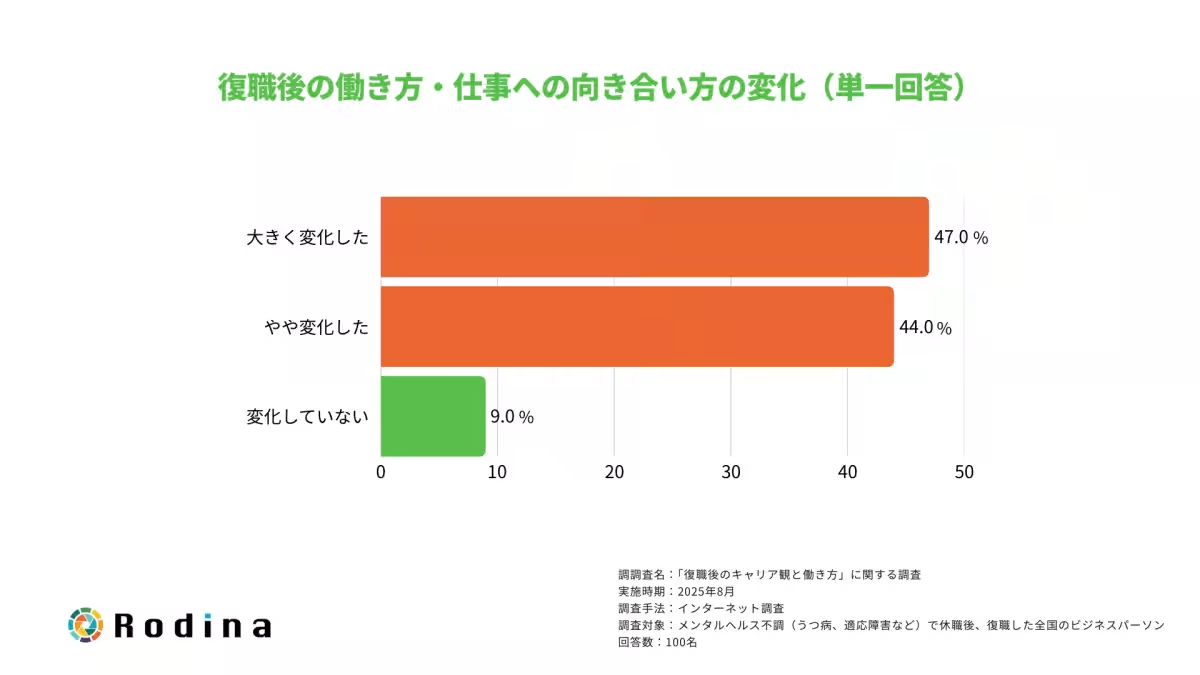
In a comprehensive survey conducted by Rodina, a company specializing in employment support for those returning from mental health-related leave, it was found that 91% of the respondents reported changes in their approach to work and careers after their return. This survey included 100 individuals who had previously taken leave due to mental health issues such as depression and adjustment disorders.
Key Findings
The survey indicated a clear shift in how these individuals view work. They began to prioritize their health and work pace over traditional career aspirations. Here are some of the significant insights derived from the survey:
- - 91% of respondents felt their perspectives on work and careers had changed after returning.
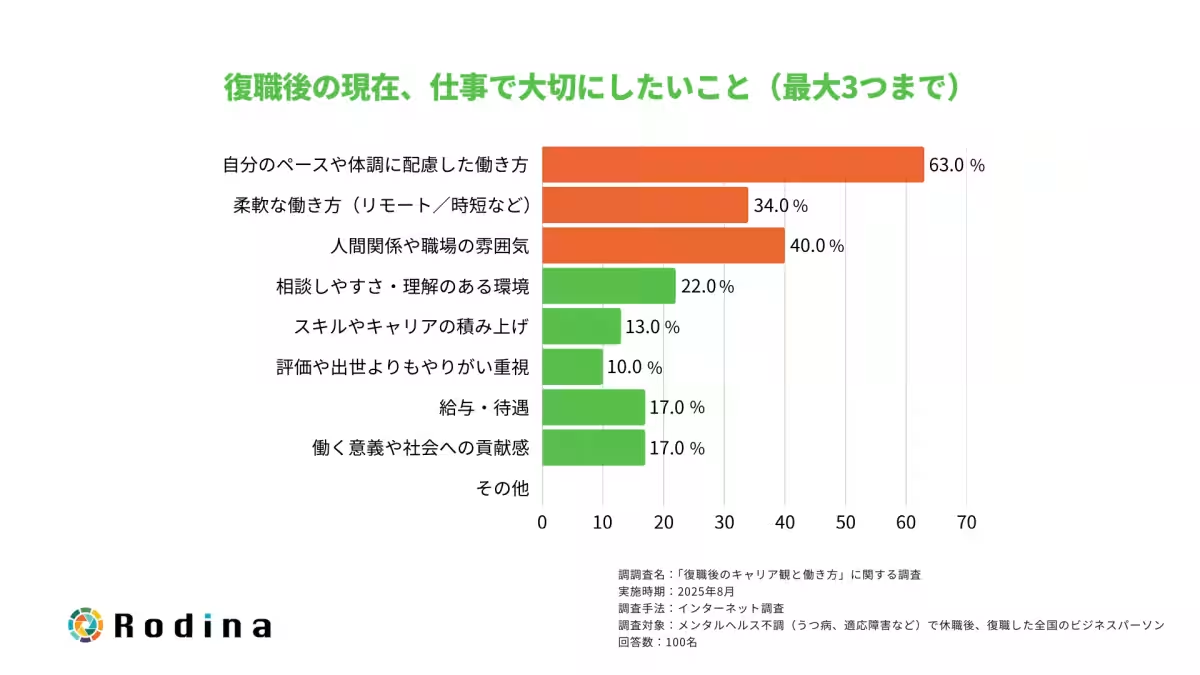
- - The top priorities became the consideration of their health and personal pace (63%), workplace atmosphere (40%), and the need for flexible working options such as remote work (34%).
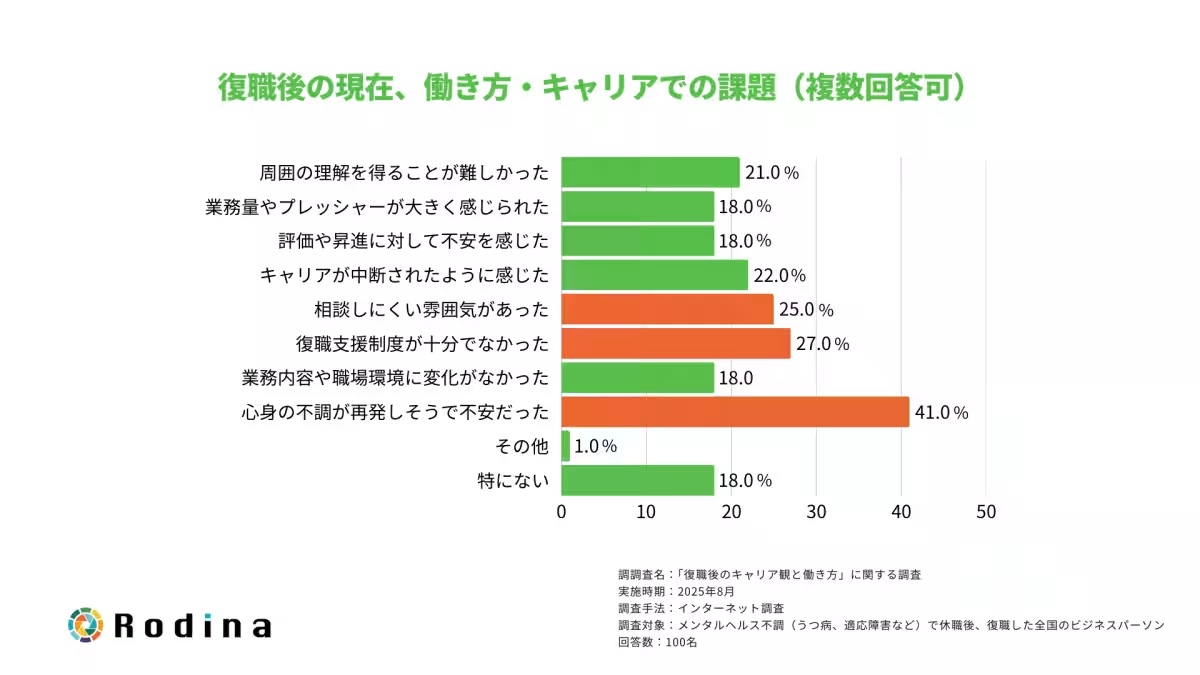
- - When asked about concerns upon returning, 41% expressed anxiety over the recurrence of mental health issues, while 27% noted the insufficient support from return-to-work programs, and 25% felt there was a lack of approachable atmosphere for discussion.
- - There was a notable shift in career objectives from prioritizing promotions to valuing sustained health and long-term employment opportunities.
- - Respondents expressed a desire for companies and society to provide flexible work options, enhance mental health training, and improve measures against harassment, alongside better support for balancing work with childcare and family responsibilities.
- - Common strategies adopted included taking breaks without feeling guilty, prioritizing tasks, visualizing workloads, and seeking assistance when necessary.
Implications
The survey suggests a profound transformation in how individuals, having returned from mental health breaks, perceive their work environments. A high number reported actively implementing strategies to maintain their well-being. These included regularly scheduled breaks, mapping out tasks to ease workload pressures, and engaging more openly in discussions with colleagues.
However, alongside these positive adaptations, challenges remain. The survey highlights ongoing concerns about the re-emergence of mental health issues and systemic barriers that hinder full support for returning employees. Therefore, it is crucial for organizations to cultivate environments that facilitate open communication about mental health and provide robust support systems tailored to individual needs.
Work Environment Changes
The results challenge employers to create a conducive work environment that fosters dialogue and understanding about mental health conditions. As businesses evolve, developing policies that accommodate diverse working styles becomes imperative. Such adjustments not only benefit employees but also enhance overall productivity and workplace morale.
Satisfaction Levels
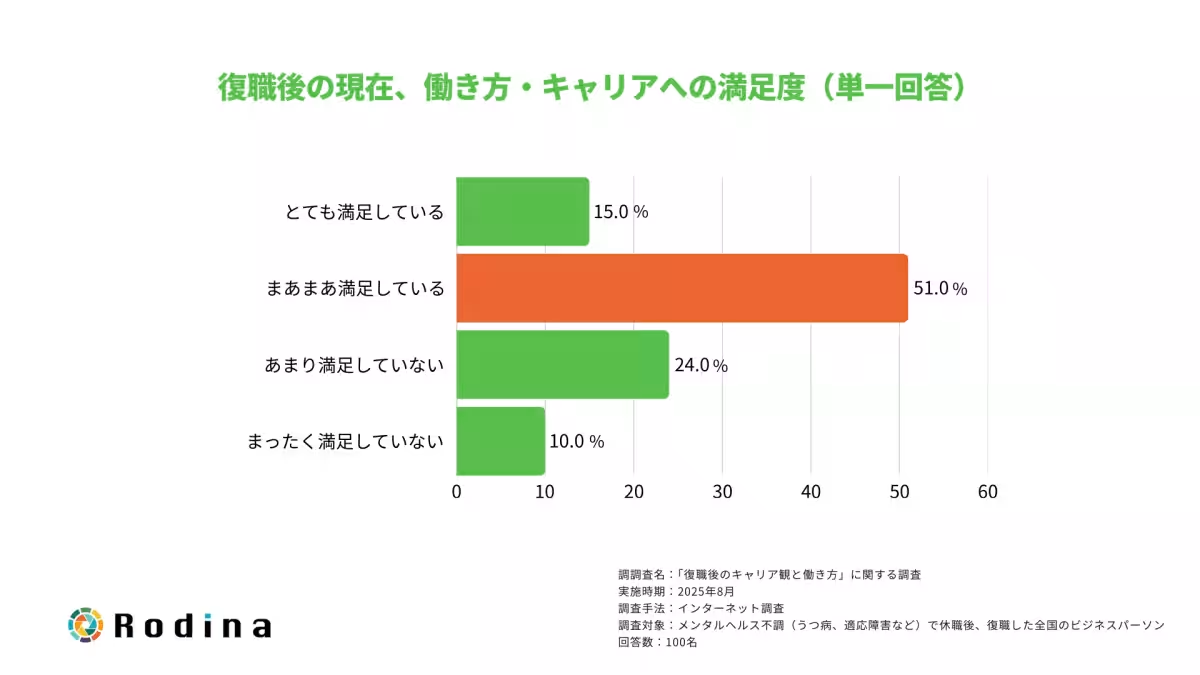
Interestingly, while approximately 70% of respondents reported satisfaction with their current working conditions, nearly 30% indicated room for improvement. Many cited a desire for environments that better adapt to individual needs, suggesting that flexibility and understanding have become the new measures of workplace success.
Feedback from Respondents
Feedback revealed a wealth of insights from returnees, reflecting new attitudes toward work:
- - Health over hustle: Many noted that prioritizing their mental and physical health is now their primary concern.
- - Work-life balance: Individuals are increasingly advocating for a harmonious balance, emphasizing the importance of considering their mental state when planning work tasks.
- - Long-term focus: The overarching theme among many was a preference for sustainable work environments that allow for healthy longevity in careers rather than a relentless pursuit of job titles or promotions.
Expectations from Employers
Respondents articulated several expectations from their employers:
- - Empathy for employee well-being: A call for companies to be more mindful of the mental and physical well-being of their employees.
- - Flexible work policies: Advocacy for diversified working options that cater to individual lifestyle choices and preferences, including adaptable work hours and locations.
- - Open dialogue opportunities: A strong desire for more supportive and communicative work culture.
In conclusion, the survey findings underscore the critical need for organizations to adapt to the evolving expectations of their workforce, particularly those returning from mental health-related absences. By fostering an inclusive and flexible working environment, companies can ensure not only the well-being of their employees but also the overall success of their operations.


Topics People & Culture)


【About Using Articles】
You can freely use the title and article content by linking to the page where the article is posted.
※ Images cannot be used.
【About Links】
Links are free to use.