



The Role of Supportive Experiences in Enhancing Employment Motivation for Disabled Individuals
Introduction
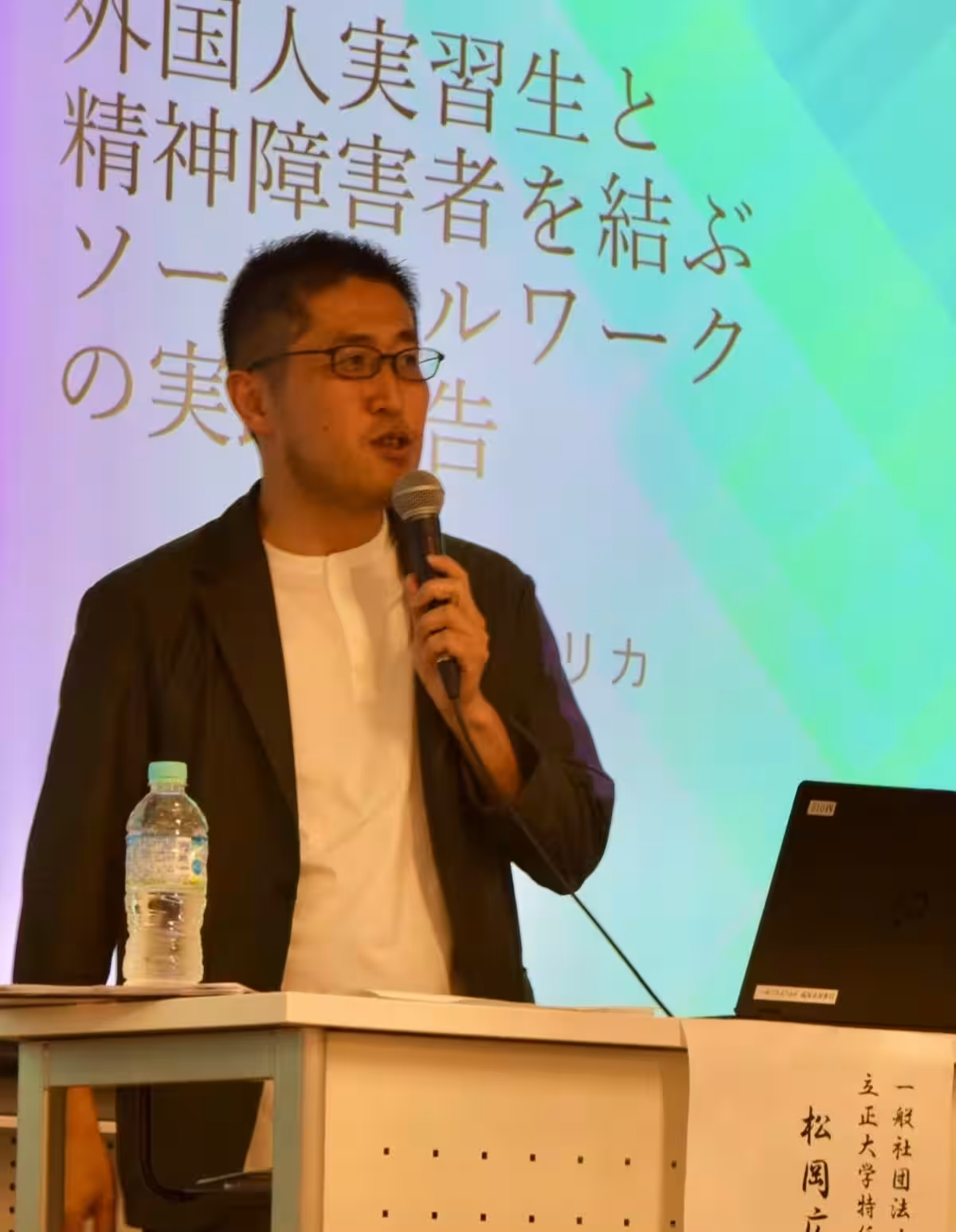
In today's society, the integration of disabled individuals into the workforce is becoming increasingly important. Careca, a non-profit organization, is leading the way in promoting employment models for people with disabilities, focusing on relationship building, role recognition, and valuable contributions to enhance work motivation. This article sheds light on the upcoming online training session led by Hiroki Matsuoka, the Executive Director of Careca, scheduled for July 31, 2023. The training aims to equip personnel involved in hiring and supporting disabled individuals with the essential knowledge needed for their integration into the workforce.
Understanding Disability Employment
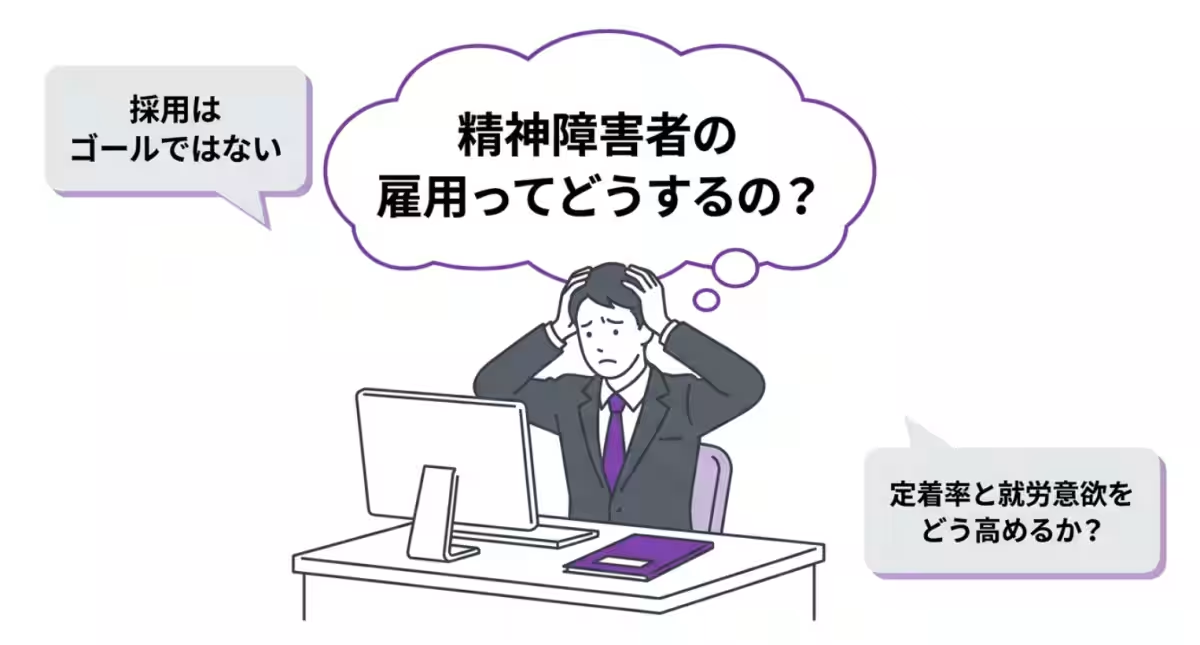
The challenge faced by many companies today is not only hiring disabled individuals but also providing a supportive environment that ensures their sustained employment. With the legal employment quota for disabled individuals in the private sector increasing from 2.5% to 2.7% as of July 1, 2026, the demand for effective workplace support is growing. This increase highlights the critical need for stable work conditions and supports that encourage continued employment, particularly for those with mental disabilities.
At Careca, the philosophy behind employment motivation goes beyond the individual’s willpower. It emphasizes the importance of supportive relationships with family, mentors, peers, and the community. Matsuoka argues that experiences of being supported, as well as the ability to support others, significantly contribute to job motivation and overall job satisfaction.
Insights from Job Support Training
The training scheduled for July 31 forms part of the Saitama Prefecture Job Support Training Basic Course, targeting individuals from employment support agencies and businesses involved in hiring disabled workers. During the session, Matsuoka will delve into the foundational aspects of social welfare systems pertinent to disabled individuals in the workforce. The training will cover how to leverage these systems to enhance workplace support, which is critical in empowering individuals to embrace their potential and productivity in a professional setting.
Recent Research Findings
Matsuoka's previous research conducted in 2015 provides valuable insights into the current challenges facing those with mental disabilities in the workforce. The study surveyed 184 workers and revealed that the majority were employed on a part-time basis, with only 3.3% holding full-time positions. This disparity implies not only a struggle to secure jobs but also a significant challenge in remaining employed.
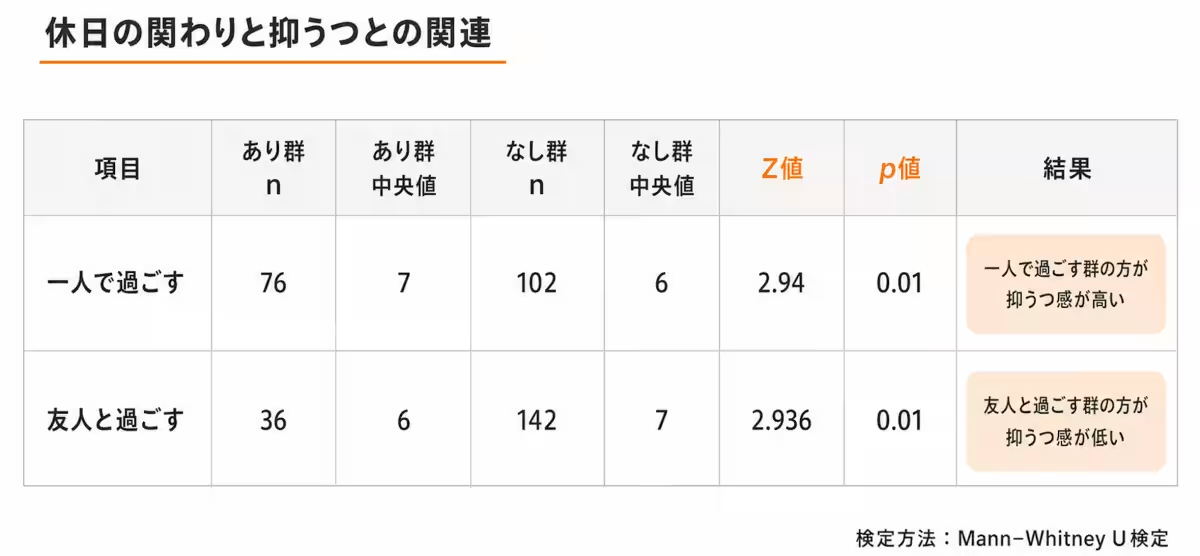
Interestingly, the research indicated that 41.3% of surveyed individuals reported spending their time alone during breaks, indicating a lack of social interaction and support outside the workplace. This isolation is concerning, as studies have shown a correlation between solitary leisure time and increased feelings of depression. Conversely, spending time with friends appears to enhance mental well-being.
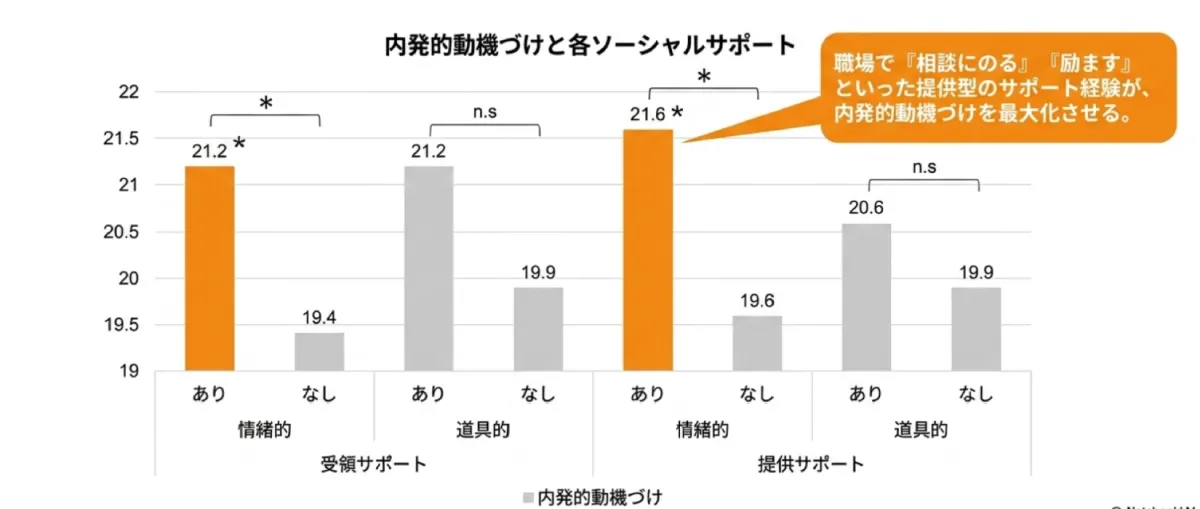
Furthermore, the research highlighted the importance of social support in enhancing intrinsic motivation for job performance. Matsuoka found that those receiving emotional support from colleagues—such as encouragement and the ability to seek advice—reported higher levels of motivation compared to those who did not receive such support. Ultimately, fostering an environment where individuals can both receive and provide emotional support can lead to greater job satisfaction and motivation.
Implementing Supportive Practices
To create a more inclusive work environment, companies can adopt various strategies.
- - Orientation Programs: Implement thorough onboarding procedures that ease new employees into the workplace.
- - Consolidated Support Services: Set up a singular point of contact for support inquiries, easing the navigation process for disabled employees.
- - Gradual On-the-Job Training: Offer progressive training that enables employees to learn tasks step-by-step.
- - Encourage Early Consultation: Promote a workplace culture that encourages employees to seek help promptly when challenges arise.
- - Recognition of Strengths: Shift focus from solely evaluating performance to acknowledging what individuals are doing well.
- - Collaboration with Support Agencies: Partner with external agencies to provide comprehensive support rather than solely relying on internal resources.
- - Facilitate Small Contributions: Create opportunities for employees to take on manageable roles, enhancing their sense of responsibility.
- - Increase Gratitude Expressions: Cultivate a culture where appreciation is frequently communicated.
Future Directions
Careca aims to partner with over 40 local businesses within three years to cultivate opportunities for disabled employees to hold roles, experience work, and forge meaningful relationships in the community. Further collaborations with businesses, healthcare providers, and educational institutions are planned to establish a seamless support network for disabled individuals before, during, and after employment.
Ultimately, we must understand that motivation for work among disabled individuals is not natural but cultivated through stable relationships, anticipated roles, and experiences of being both supported and supportive. In the upcoming training, Matsuoka will emphasize practical applications of social welfare knowledge and its implications for fostering supportive work environments that embrace disabled individuals as integral members of the workforce. This holistic approach strives to meet both the current and future challenges in disability employment.

Topics People & Culture)
【About Using Articles】
You can freely use the title and article content by linking to the page where the article is posted.
※ Images cannot be used.
【About Links】
Links are free to use.