



Innovating Human Rights Solutions: AI-Enhanced Mechanisms for Effective Relief
Innovating Human Rights Solutions: AI-Enhanced Mechanisms for Effective Relief
In today's society, human rights violations continue to be a pressing issue, particularly in workplace environments. As harassment remains prevalent, there is a growing concern over effective access to relief for those affected. On July 9, 2026, Drop Co., Ltd. announced a significant upgrade to its complaint management system, called "coe company". This upgraded system now incorporates AI technology alongside expert teams to streamline the resolution process for human rights complaints.
Background: Unaddressed Human Rights Violations
Recent statistics reveal the alarming frequency of bullying and harassment cases in workplaces. In 2024, there were 54,987 reported cases of harassment to Labor Bureaus across Japan, marking a 13-year consecutive increase in complaints. Even large corporations that have put in place human rights policies and independent third-party investigations sometimes continue to face similar issues, resulting in repeated public apologies and responses that may lead to secondary harm to victims. While the United Nations Guiding Principles on Business and Human Rights emphasizes the importance of access to remedy, the mechanisms ensuring victims receive actual relief remain underdeveloped in Japan.
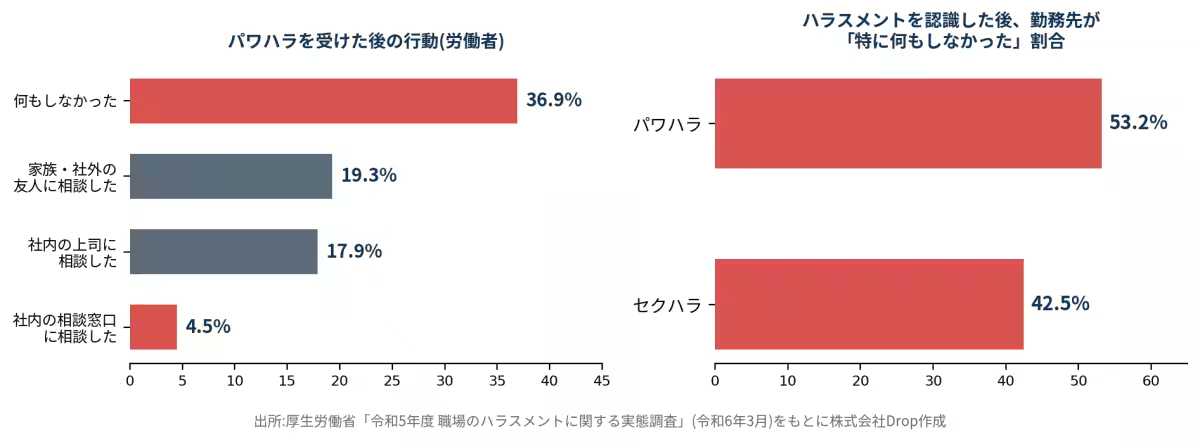
According to surveys conducted by the Ministry of Health, Labor, and Welfare, the main action taken by those subjected to power harassment is “doing nothing” (36.9%), with only 4.5% seeking help from their internal complaint channels. Further, when a company acknowledges harassment, the most common initial response is still “doing nothing” (53.2%). A survey by the Consumer Affairs Agency revealed that nearly half of individuals do not report harassment out of fear that their complaints will not be handled properly, and 37% worry about potential retaliation. This indicates a lack of trust in existing reporting mechanisms, rather than a lack of issues.
Legislative Changes and Enhanced Access to Relief
As of December 2025, Japan will implement a revised National Action Plan (NAP) regarding business and human rights, aimed at enhancing the efficacy of complaint mechanisms. By December 1, 2026, amendments to the Whistleblower Protection Act will introduce criminal penalties for retaliatory actions against whistleblowers. Consequently, ensuring the effectiveness of the remedy processes is becoming a critical component of human rights due diligence and legal risk management.
Seven Key Conditions for Effective Complaint Mechanisms
Based on the UNGPs, Drop Co., Ltd. has identified seven essential conditions critical for an effective complaint mechanism:
1. Psychological Safety for Complainants: Trust is fundamental. If individuals fear negative consequences from reporting, they will refrain from speaking out.
2. Complete Elimination of Retaliation: Trust in the reporting system can be irrevocably damaged by even a single instance of backlash. Recent revisions to the Whistleblower Protection Act aim to strengthen safeguards.
3. Third-Party Intervention: Objectivity is crucial in investigations. Independent third-party involvement increases the reliability of the resolution process.
4. Precision in Reporting: Clear, detailed complaints are necessary for effective investigations and resolutions. Ambiguous reporting can prolong issues and allow ongoing harm.
5. Timely Initial Response: Delays in action can exacerbate problems and spread negative publicity, risking company credibility.
6. Dedicated Resources for Management: Insufficient staffing can result in ignored complaints, which could appear as cover-ups. Specialized knowledge and dedicated teams are essential.
7. Organizational Culture of Openness: For the system to work, organizations must foster a culture that supports reporting rather than perceiving it as snitching.
AI and Expert Teams: A New Solution
Drop Co., Ltd. has rolled out new features to integrate these conditions effectively into their system.
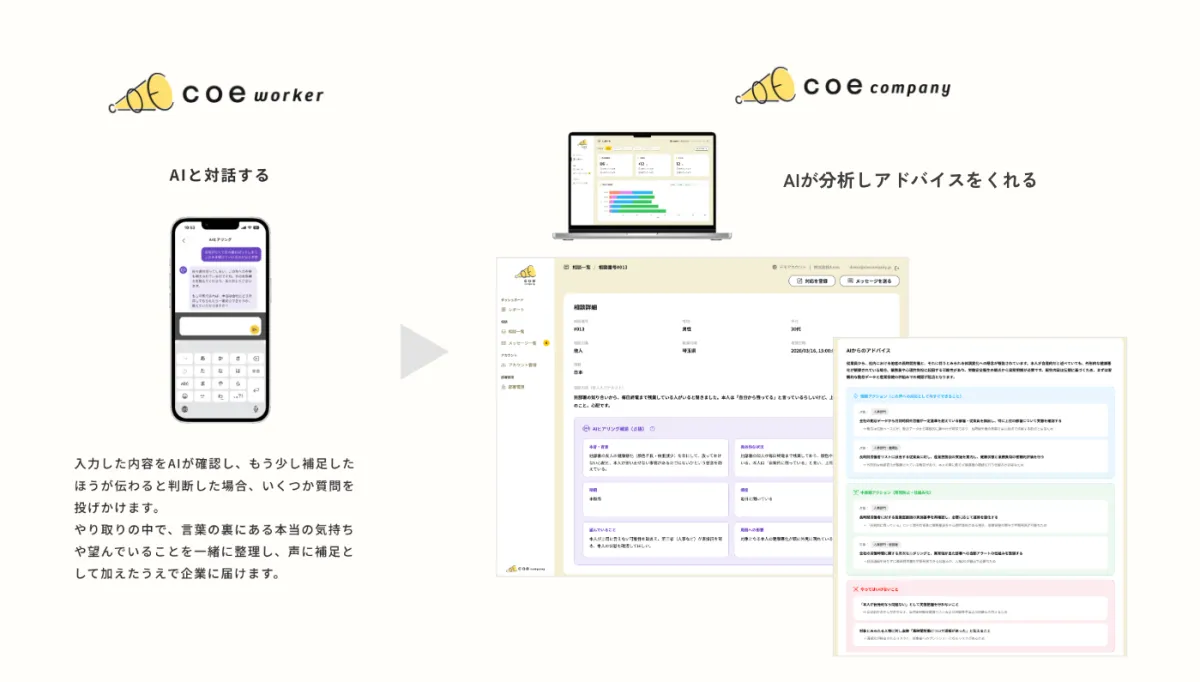
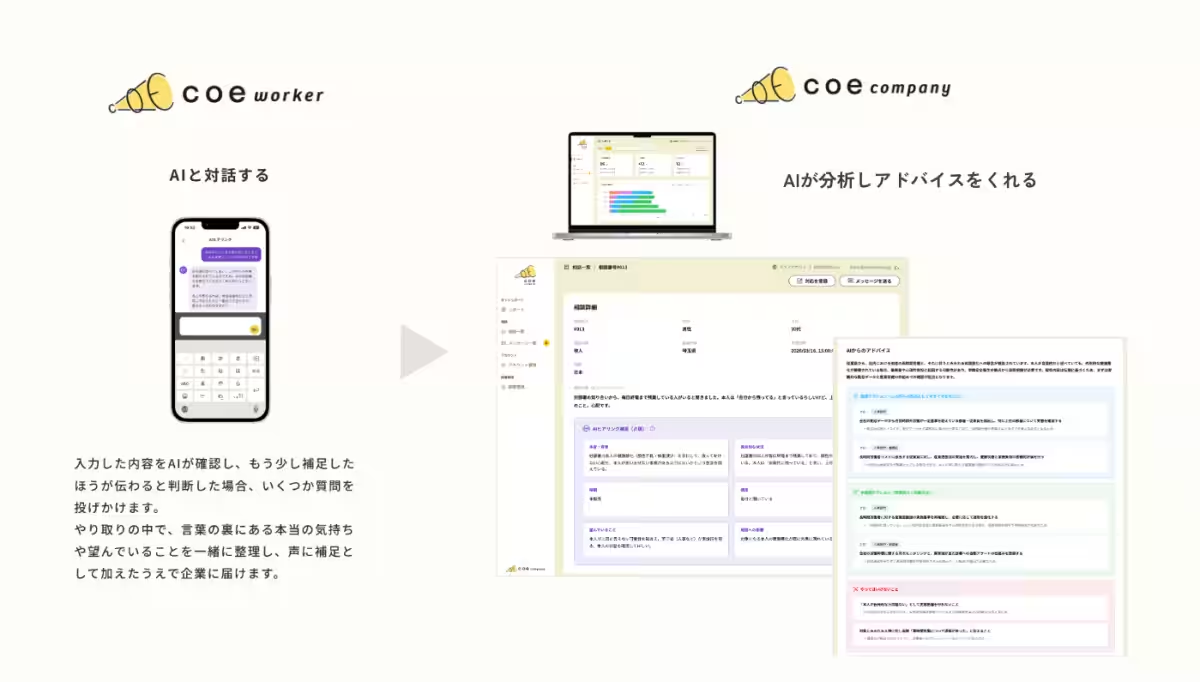
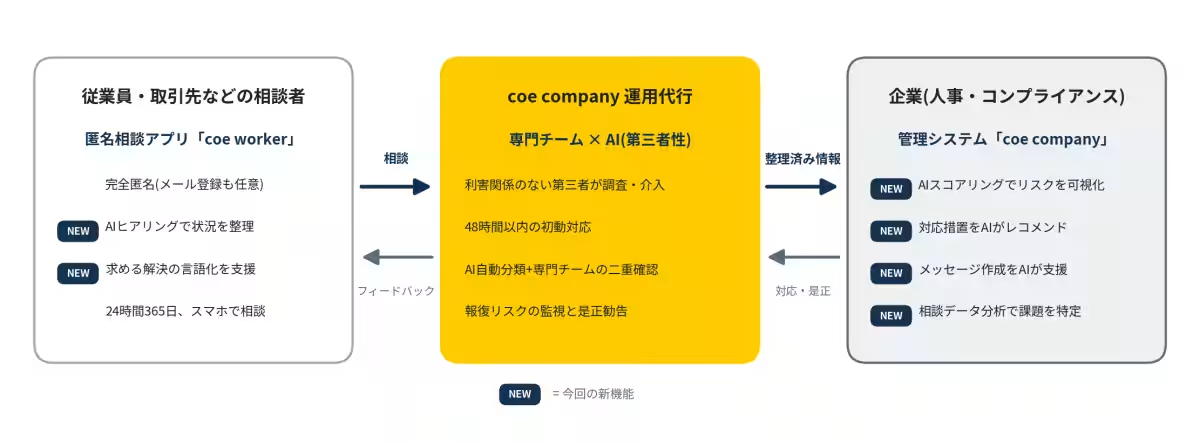
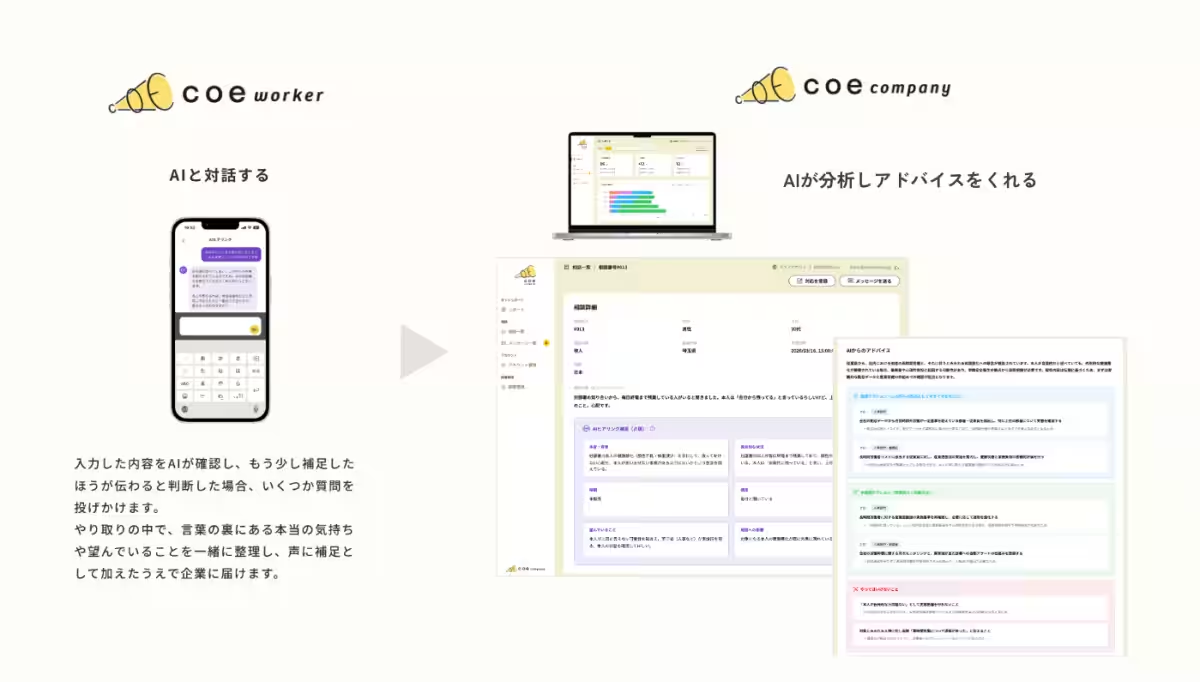
- - For Complainants: "coe worker" enables complete anonymity while leveraging AI to guide users through the reporting process, ensuring their voices are heard and advising on the desired remedies.
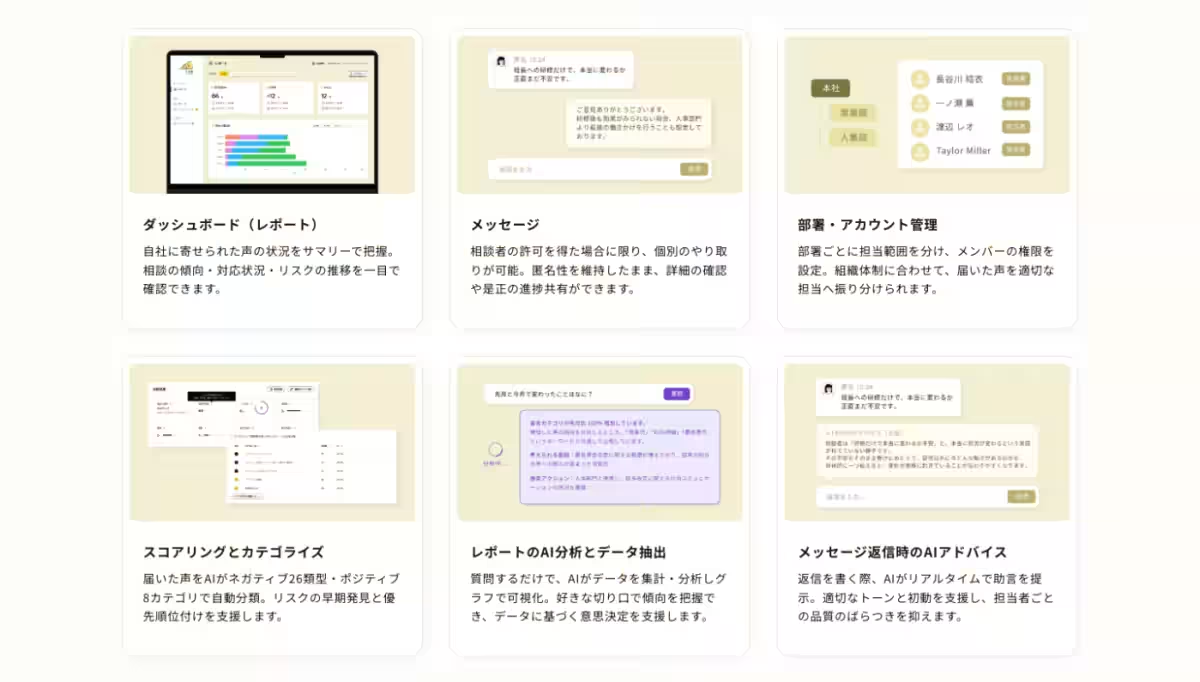
- - For Companies: "coe company" uses AI scoring to assess reported risks and offers data-driven recommendations for actions to take, while also assisting in crafting responses to complaints.
- - Operational Support: Drop’s expert team acts as an impartial third party to manage complaints and carry out initial investigations expediently, helping to mitigate any structural retaliation and ensuring confidentiality.
Costs and Implementation
Drop's services are priced competitively, beginning at 6,000 yen per month for a per-employee rate, providing flexible solutions for companies of all sizes to establish and maintain effective human rights complaint mechanisms.
In its mission, Drop Co., Ltd. embraces the responsibility to create an efficient and supportive structure that facilitates meaningful dialogue around human rights issues at work. As CEO Shinsuke Yoneda eloquently articulated, effective solutions pivot on the capacity to hear and address the concerns of the marginalized, underscoring the need for accessible systems and proactive responses.
Beyond compliance, these enhanced systems serve as a foundation for rebuilding trust between organizations and their employees, ultimately contributing to increased corporate value.
Company Background
- - Drop Co., Ltd. is at the forefront of human rights due diligence and complaint mechanism support.
- - Website: Corporate | Individual
Media Contact
For inquiries regarding this article or to arrange interviews, please contact:
- - Shoji at Drop Co., Ltd.
- - Email: [email protected]
Topics People & Culture)
【About Using Articles】
You can freely use the title and article content by linking to the page where the article is posted.
※ Images cannot be used.
【About Links】
Links are free to use.