



Molecular Dynamics Simulation of RNA Stem-Loop Folding: A New Frontier in RNA Design and Drug Discovery
Exploring the Dynamics of RNA Stem-Loop Folding
In the world of molecular biology, understanding the intricate dynamics of RNA is crucial for advancements in various scientific fields, including drug discovery and therapeutic applications. Recent research led by Associate Professor Tadashi Ando from Tokyo University of Science has made significant strides in this area by successfully employing molecular dynamics (MD) simulations to recreate the folding process of RNA stem-loops at an atomic level.
Overview of the Study
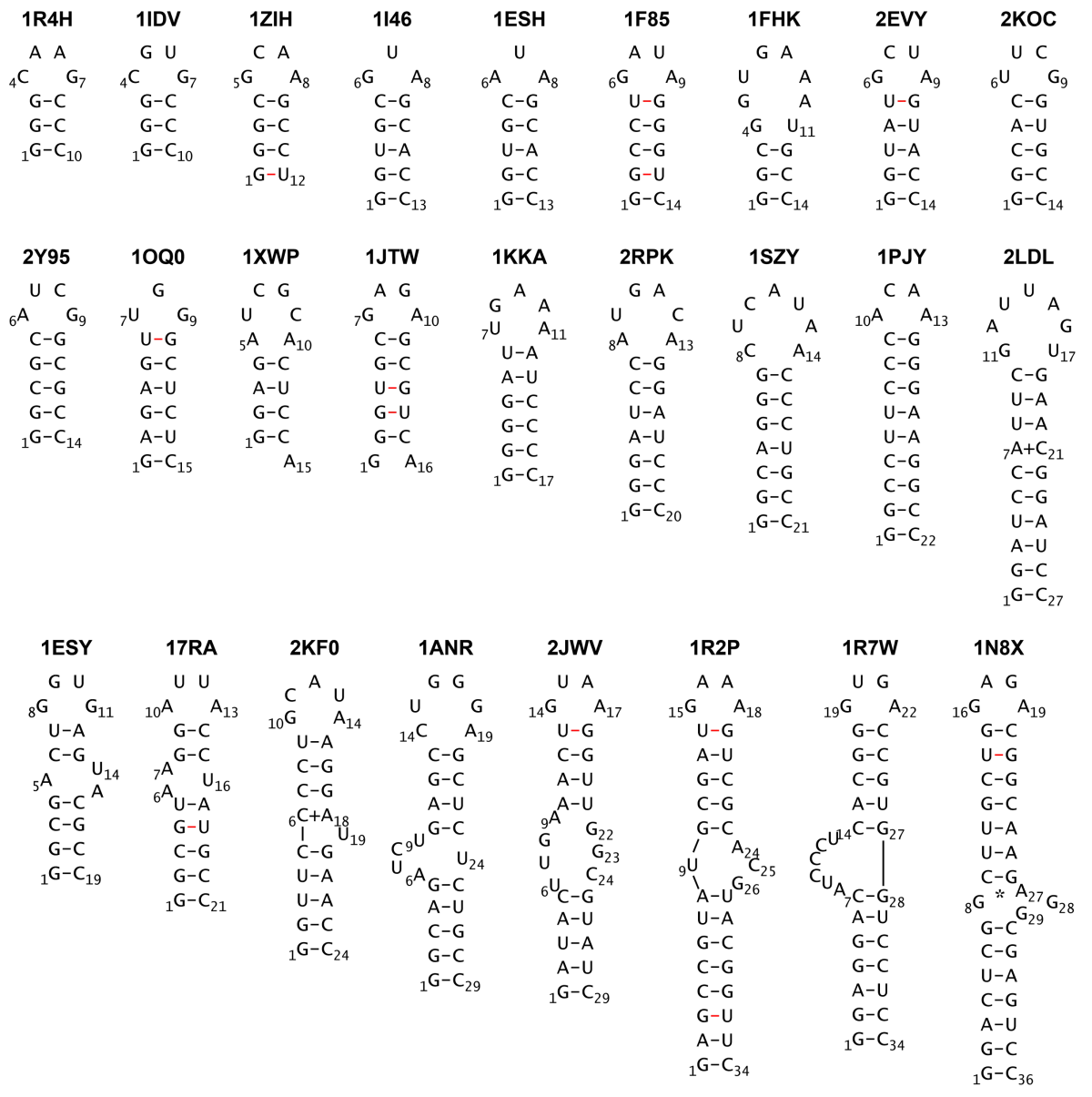
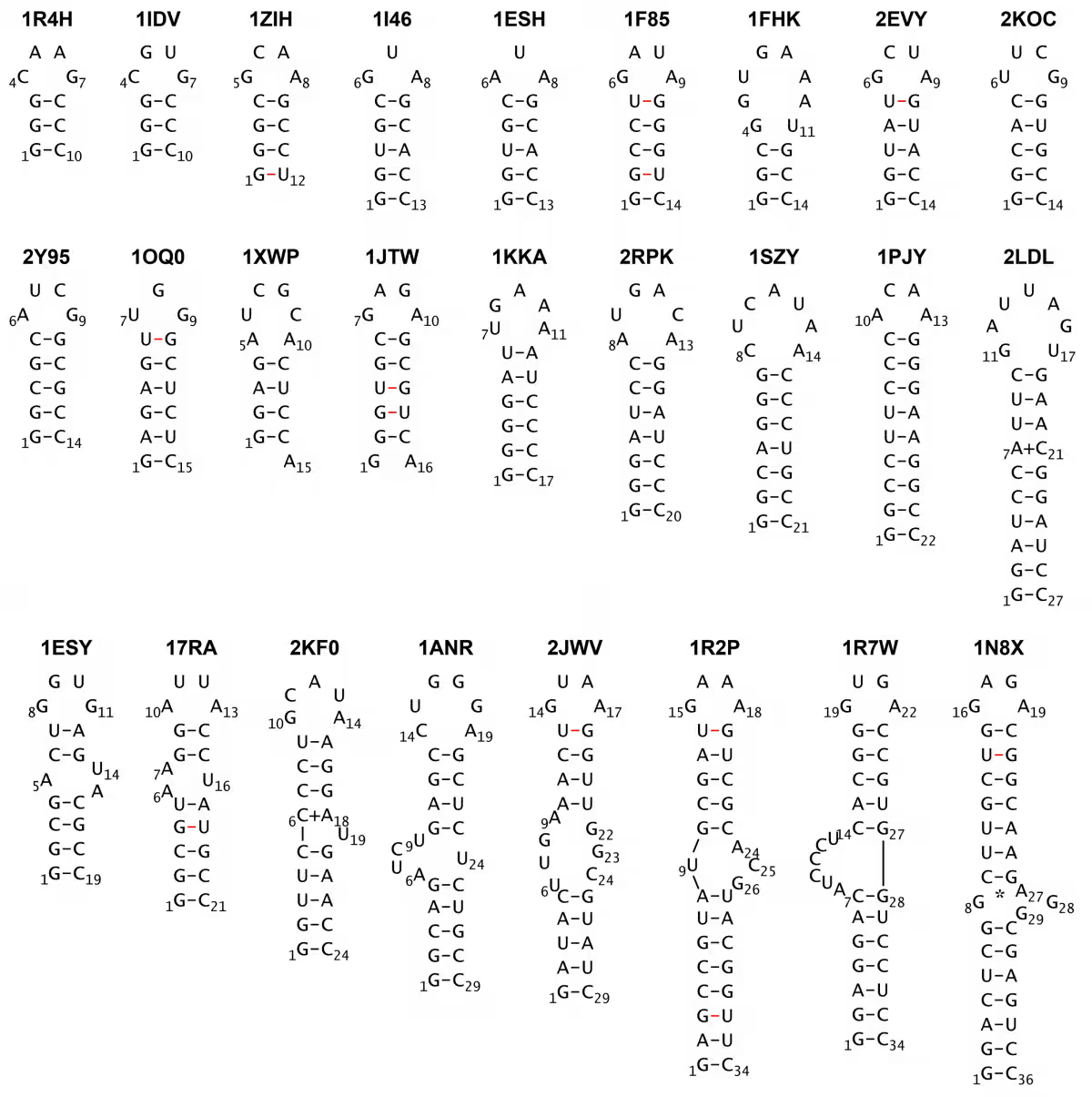
Molecular dynamics simulations have long been utilized to model the atomic structures and dynamics of biological macromolecules. However, RNA dynamics often present a complex challenge, with issues still arising regarding the accuracy of predictions. In this groundbreaking study, the innovative approach adopted by the research team allowed them to accurately simulate the folding processes of 23 different RNA stem-loops, ranging from 10 to 36 nucleotides in length, marking a significant advancement over previous studies that mostly focused on simpler structures.
The application of MD simulations aimed to understand the folding processes of stem-loops that are fundamental components of RNA's three-dimensional structures. These dynamics play a significant role in the molecule’s functionality, such as protein synthesis, regulation of gene expression, and even catalysis. Thus, improving modeling of these processes is key to leveraging RNA for therapeutic developments, including mRNA vaccines and diagnostic tools.
The Importance of RNA Complexity
RNA is a linear polymer made up of four nucleotide bases: adenine (A), uracil (U), guanine (G), and cytosine (C). These bases contribute to the formation of local secondary structures (stem, loop, bulge) through base pairing interactions, which, in turn, affect the RNA’s tertiary structure and biological function. Therefore, understanding how these structures fold is essential for designing RNA-based therapies.
In recent years, advances in artificial intelligence and deep learning have facilitated more precise predictions of RNA structures. However, capturing the dynamic behavior of RNA, particularly in its fundamental building block—the stem-loop—has been a persistent challenge due to its inherent complexity. The current study focused on addressing this issue through meticulous MD simulations.
Methodology
Using a combination of state-of-the-art RNA force fields developed by D.E. Shaw and a generalized Born implicit solvent model, the researchers conducted simulations of RNA stem-loop folding processes, significantly increasing the scale and complexity of structures analyzed compared to previous work. The simulations successfully captured folding pathways for a diverse range of stem-loop structures, demonstrating that even complex dynamics could be modeled with a high degree of accuracy.
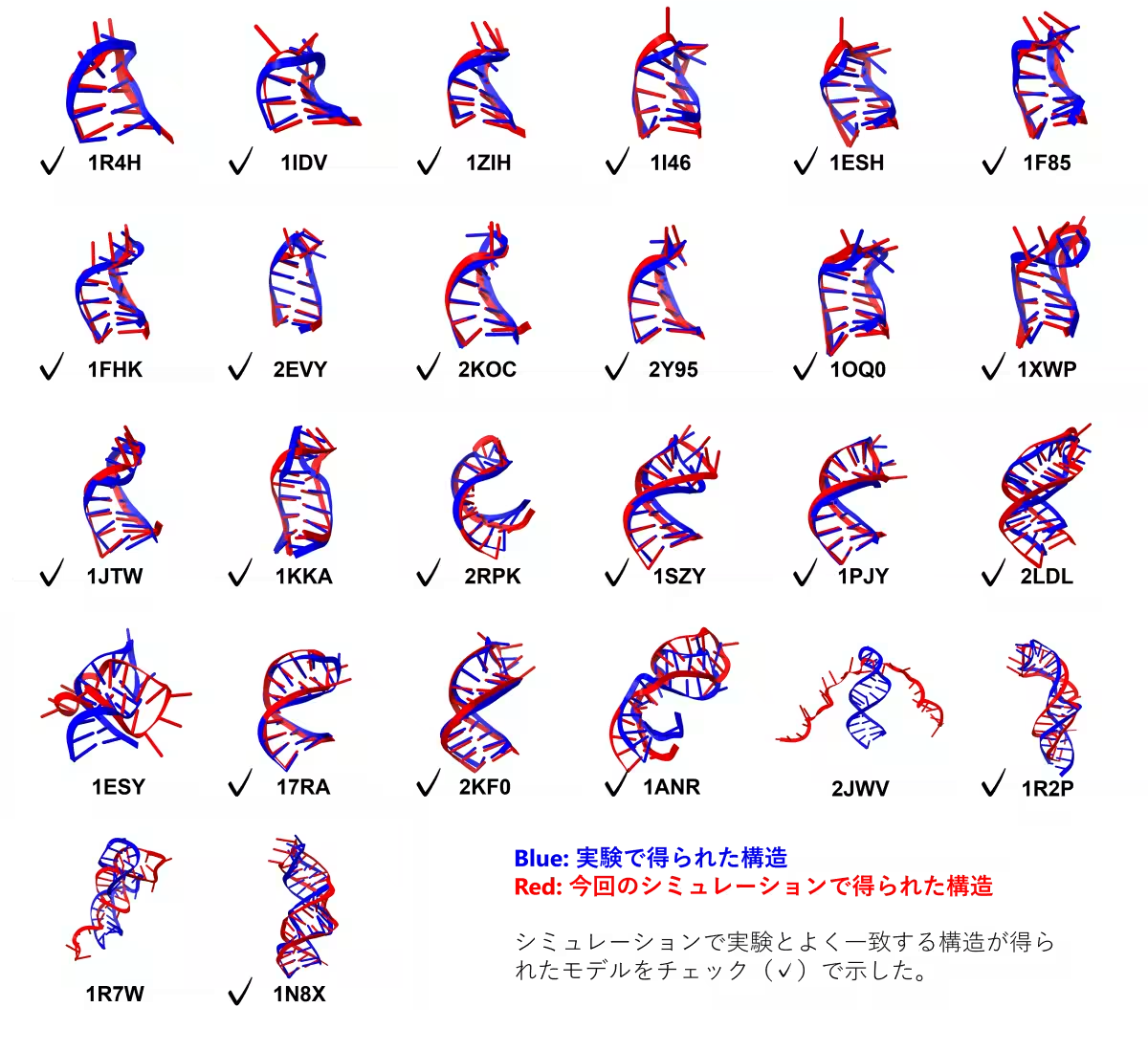
The research utilized multiple independent MD simulations, each extending up to 8 microseconds, allowing for detailed observation of the folding process from an extended state to stable structural formations. This extensive approach yielded remarkable results, as indicated by the reproducibility of experimentally observed base pairing, with Q values showing consistent alignment with real-world structures.
Results and Implications
The findings substantiate that the MD simulations integrated with advanced RNA modeling can accurately depict the dynamic nature of various RNA stem-loops. Specifically, the results showed strong correlations between the simulated structures and experimental data, especially for Class I stem-loops. Conversely, the modeling of single-stranded loop regions still exhibited limitations, indicating areas for improvement in these models.
The implications of this work are profound. By establishing a reliable computational framework to model RNA dynamics, researchers can better understand the relationships between structure, dynamics, and function in RNA molecules. This understanding could spur advancements in RNA-based drug design and development, paving the way for targeted therapeutics that harness the power of RNA’s unique properties.
Conclusion
The successful application of molecular dynamics simulations to RNA folding dynamics represents a key milestone in RNA research, establishing a foundation for future innovations in the fields of RNA design and pharmaceutical discovery. As the scientific community continues to explore the complexities of RNA, studies like this will undoubtedly shape the next wave of breakthroughs in biomedicine.
The complete research titled "Molecular Dynamics Simulations of RNA Stem-Loop Folding Using an Atomistic Force Field and a Generalized Born Implicit Solvent" is scheduled for online publication in the international journal ASC Omega on October 26, 2025.
Watch the RNA stem-loop folding simulation video for visual insights into the study's findings.
Topics Health)
【About Using Articles】
You can freely use the title and article content by linking to the page where the article is posted.
※ Images cannot be used.
【About Links】
Links are free to use.