



Cigarette Price Hike Sparks Major Changes in Smoking Habits Across Japan
The Impact of Rising Cigarette Prices on Japanese Smokers' Habits
In a recent nationwide survey conducted by Overload Co., based in Yokkaichi, Mie Prefecture, insights into smoking and quitting behaviors among nearly 50,000 respondents aged 20 to 69 have been revealed. The study highlights a growing concern regarding cigarette prices, especially as taxes on heated tobacco products are set to increase significantly starting in 2026.
Current Smoking Landscape
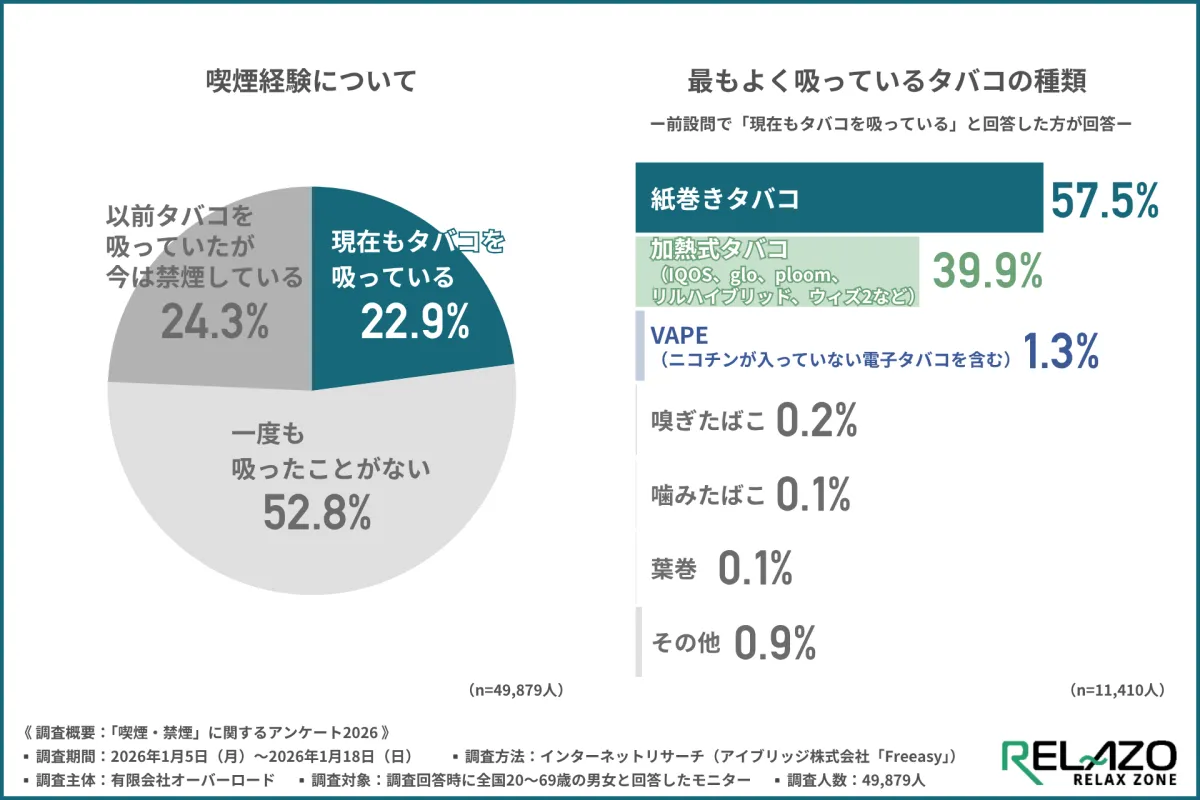
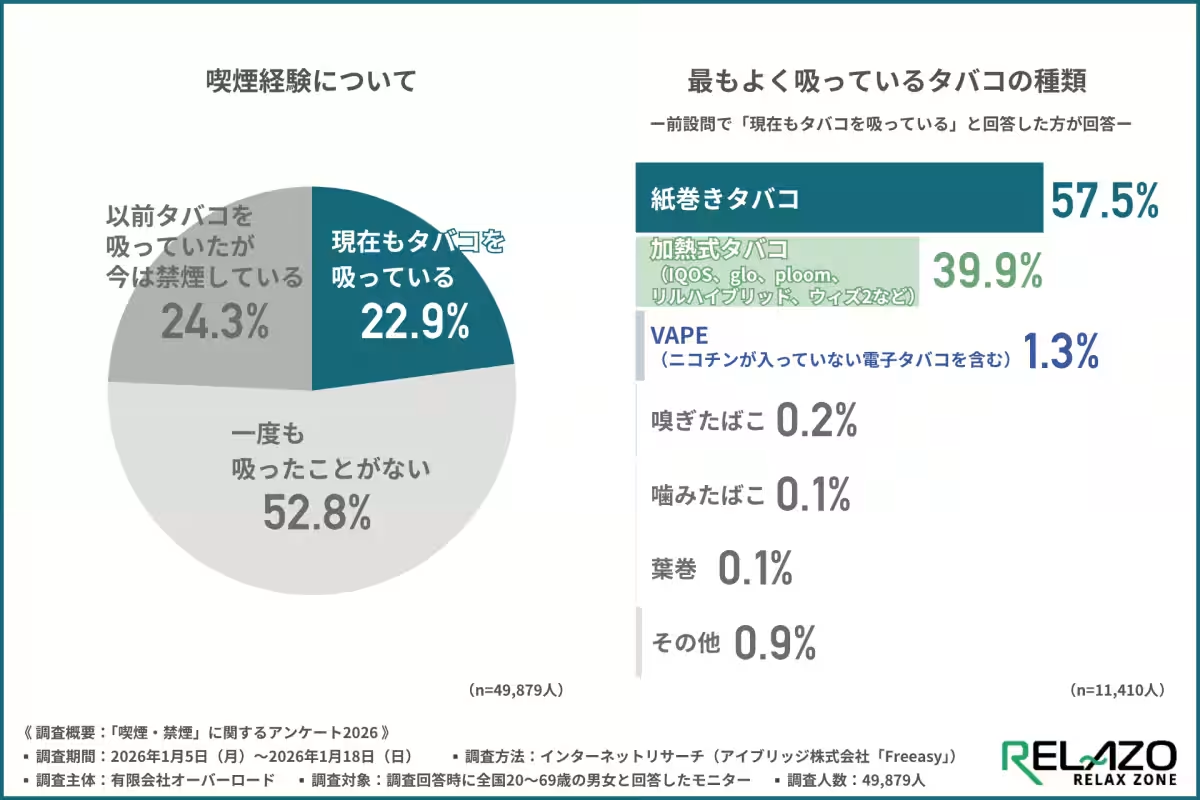
Approximately 22.9% of participants reported that they currently smoke, a figure consistent with data from Japan's Ministry of Health, Labour and Welfare. Among these smokers, about 57.5% prefer traditional cigarettes, while 39.9% use heated tobacco products. This indicates a notable shift towards less traditional methods of smoking, influenced by changing societal attitudes towards smoking and increasing health consciousness.
Factors Influencing Smoking Choices
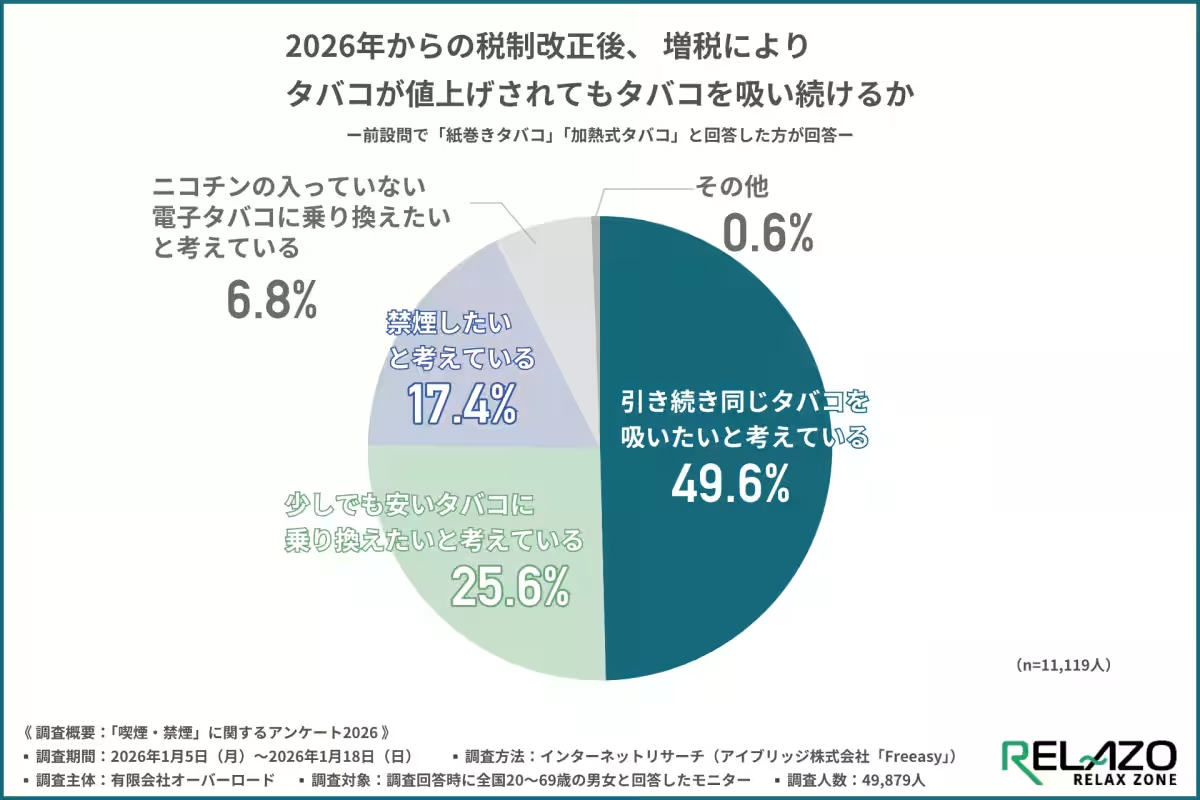
Despite rising prices, nearly half of the smokers expressed a desire to continue with their current cigarettes, demonstrating the strong attachment many have to their preferred products. However, a significant portion is also considering switching to cheaper alternatives or quitting altogether. The results indicate that price changes are indeed prompting smokers to reassess their smoking habits.
Price Impact on Quitting Decisions
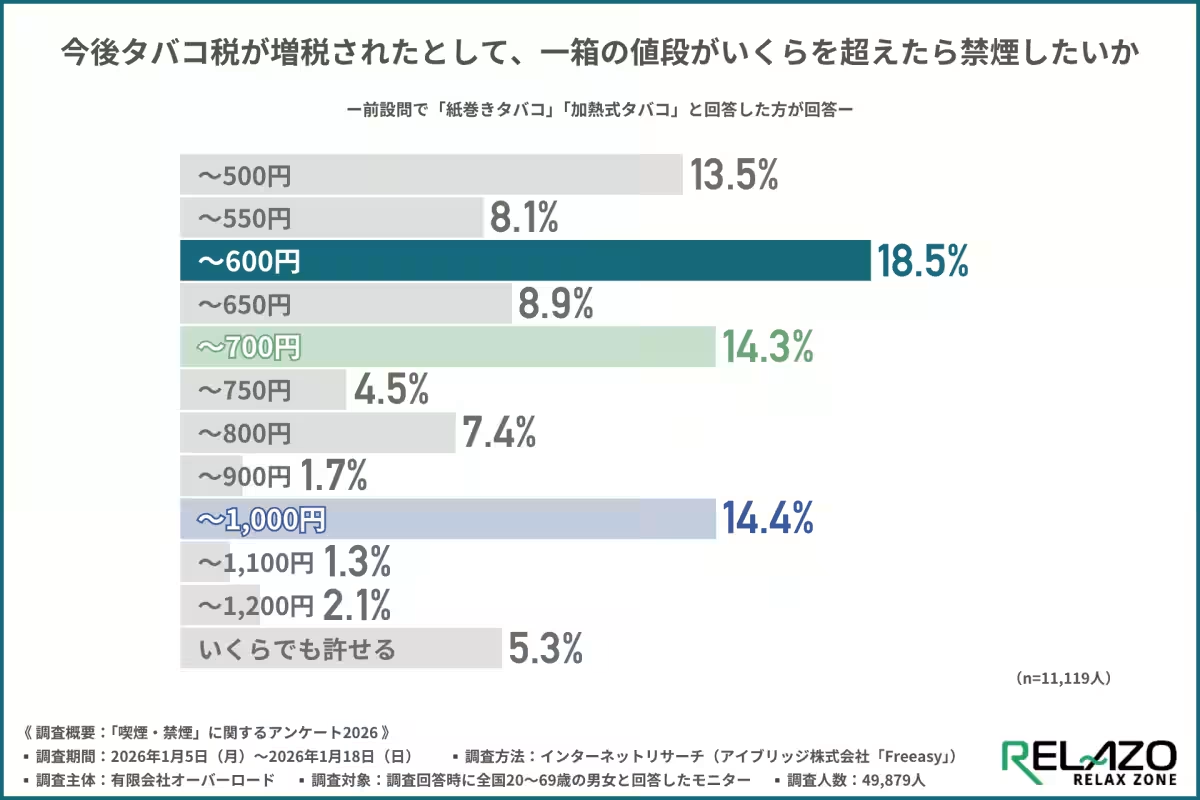
As discussions about tobacco tax hikes loom large, respondents were asked what price point would compel them to quit smoking. Notably, 40% indicated they would consider quitting if the price reached 600 yen per pack. This threshold is critical; reaching 1,000 yen would see about 90% considering quitting. This dichotomy illustrates a stark contrast in approaches based on financial capability.
Income Disparities Revealed
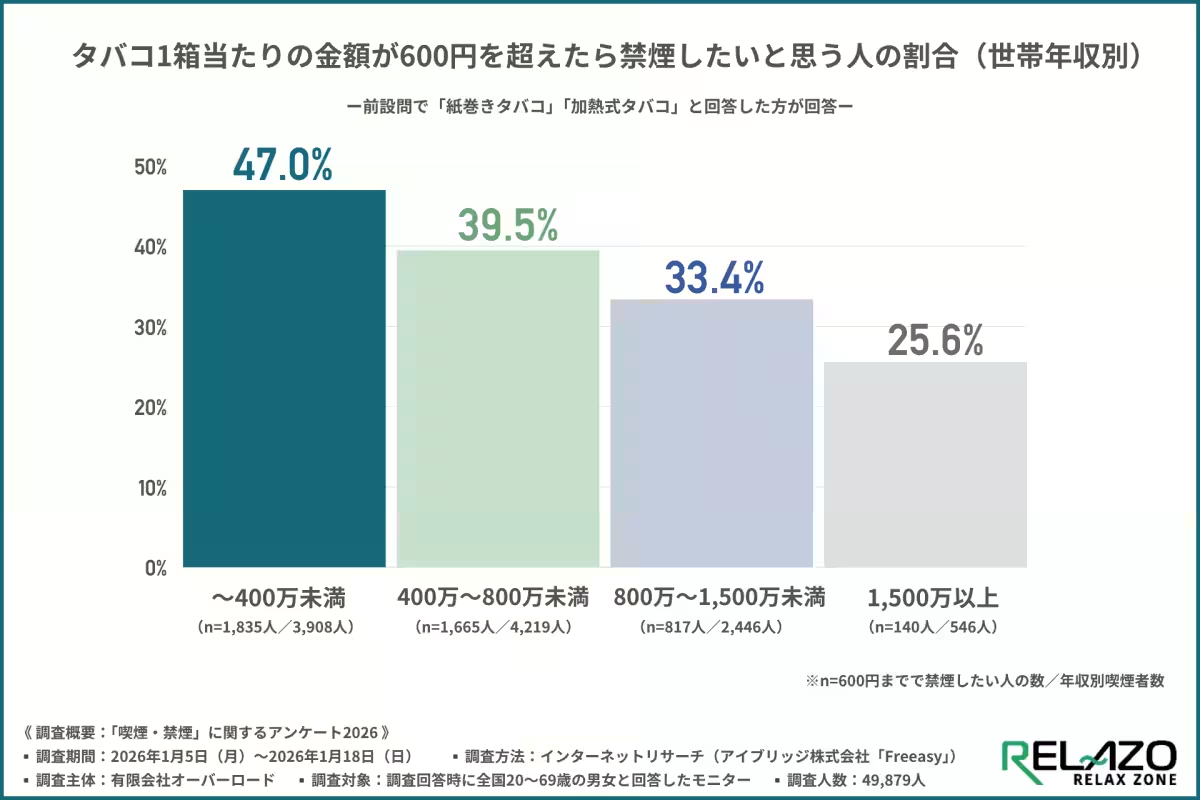
Confirming the trend, the survey found that income played a significant role in respondents' quitting intentions. Among those earning under 4 million yen annually, 47% stated they would quit at the 600 yen mark, compared to just 25.6% of those earning over 15 million yen. This discrepancy highlights a concerning divide where lower-income individuals face more immediate pressure to adjust their habits in response to price changes.
Motivations Behind Quitting
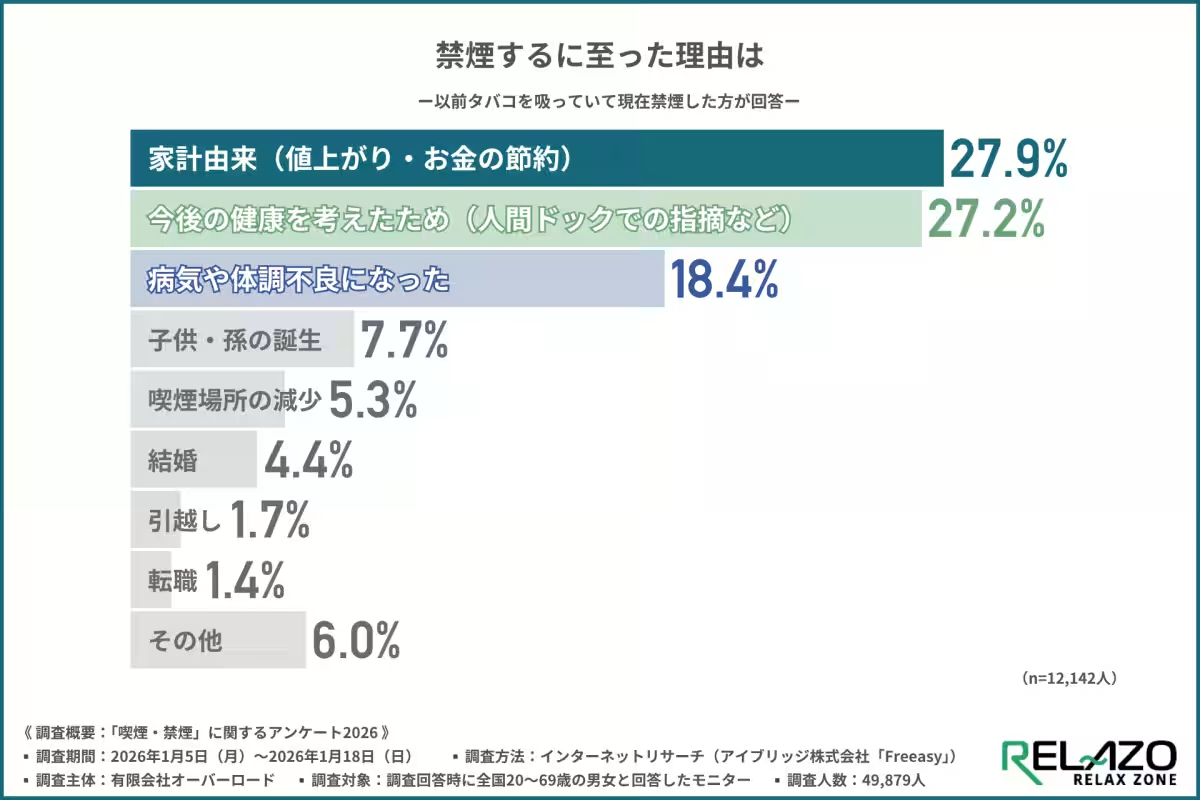
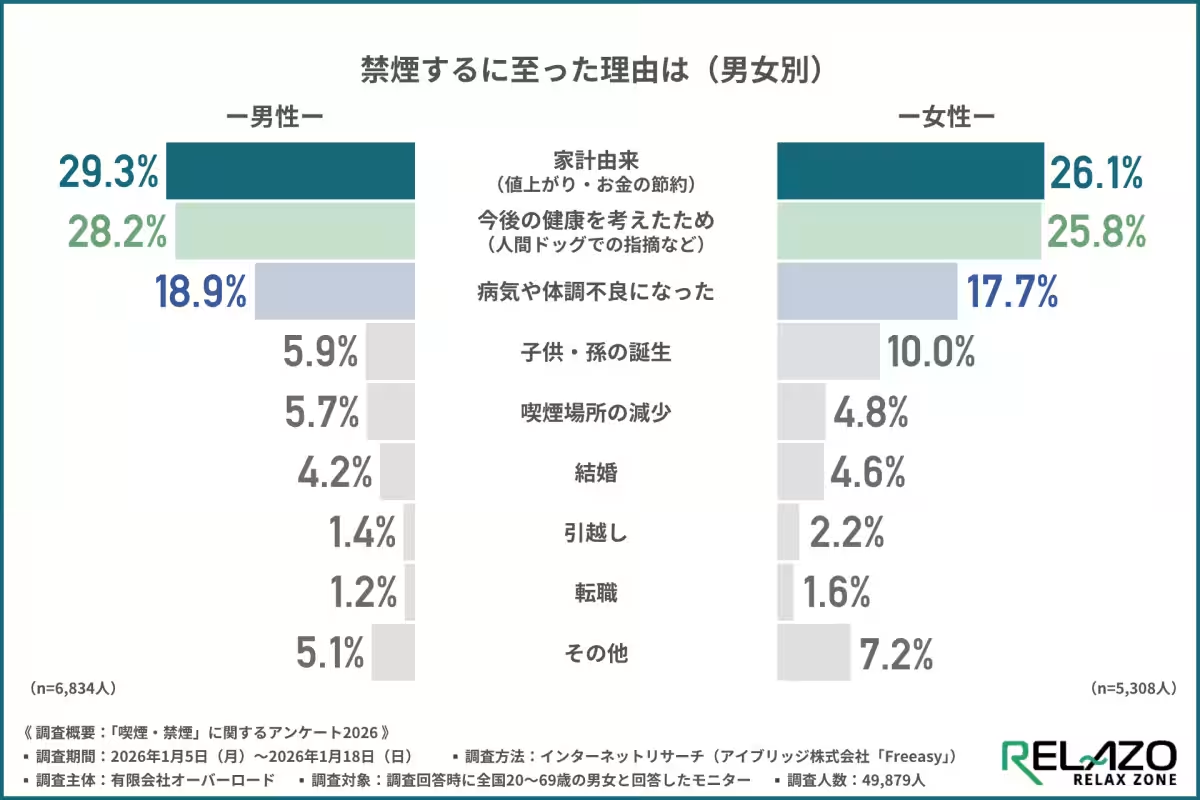
For those who successfully quit, financial considerations were almost as significant as health concerns. About 27.9% indicated that rising costs were a primary factor for their decision, aligning closely with the 27.2% who cited future health as their motivation. Interestingly, many respondents view these factors as equally influential in their decision-making processes.
The Future of Smoking in Japan
The anticipated increase in taxes for heated tobacco products and traditional cigarettes poses a challenging decision point for smokers. As costs rise, more individuals may be forced to quit due to economic pressures, potentially leading to a significant decrease in smoking rates. The findings of this survey reveal not only the complexities surrounding smoking habits in contemporary Japan but also underscore the varying impacts of economic status on personal choices.
Conclusion
This comprehensive survey provides valuable insights into how cost and health awareness are reshaping smoking habits among Japanese individuals. While many smokers express a desire to maintain their habits, rising costs paired with health consciousness could foster significant changes in the near future. The study serves as a crucial reminder of the need for ongoing discussions about smoking, public health, and economic disparities as tobacco tax policies evolve in Japan.
For detailed results and further information, please visit RELAZO. When citing this survey, please credit it as conducted by RELAZO.

Topics Other)
【About Using Articles】
You can freely use the title and article content by linking to the page where the article is posted.
※ Images cannot be used.
【About Links】
Links are free to use.