



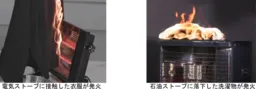
Safe Heating Practices: Preventing Fires with Proper Device Use
Understanding the Risk of Heating Devices
With the coolness of fall settling in, many individuals and families are gearing up to use heating devices more frequently. While these appliances provide comfort during chilly evenings, their use carries inherent risks, notably the potential for fires. Every year, numerous fire incidents tied to heating devices occur, highlighting the necessity for awareness and precaution.
The Statistics
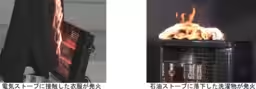
According to data from the National Institute of Technology and Evaluation (NITE), there were 543 reported accidents involving heating devices from 2021 to 2025. A significant portion of these (approximately 80%) were linked to electric heaters—such as electric stoves and fan heaters—and oil-based heating devices, including oil stoves and fan heaters. This alarming trend calls for effective preventive measures and vigilant practices from users.
Safety Guidelines to Follow
Adhering to basic safety protocols can dramatically reduce the likelihood of fire incidents during the heating season. Here are some essential tips:
1. Maintain Safe Distancing from Flammable Materials
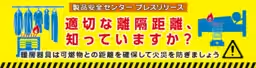
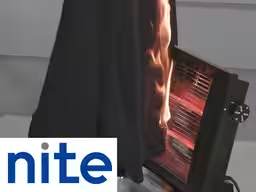
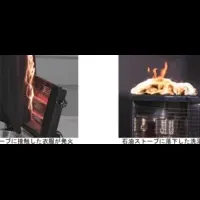
It’s crucial to keep flammable items like laundry, bedding, clothing, and cushions away from heating appliances. Always check if appropriate distance measures as specified in user manuals are being observed.
2. Power Off When Not in Use
Before going to bed or leaving the house, ensure that the heating device is switched off. This simple act can significantly mitigate fire risks.
3. Inspect Your Electric Heaters
Before use, confirm that your electric heaters are not subject to any recalls. Check the power cords and plugs for any signs of damage, deformity, or overloading due to multiple connected devices.
4. Care for Oil-Based Heating Devices
Make sure to remove any dust or debris from the base where the device sits. Using fresh kerosene is essential; avoid reusing leftover fuel from previous seasons. Store kerosene and gasoline separately to prevent any accidental mix-ups during refueling.
5. Confirm Leak-Free Operations
When refueling an oil heater, ensure that the cartridge tank lid is securely closed and that there are no leaks present. Regularly inspecting these devices for potential hazards is crucial to safe operation.
Conclusion
As we embrace the colder months, staying informed and vigilant about heating safety is paramount. By following these comprehensive guidelines, individuals can enjoy the warmth of their heating devices without facing the threat of fire risks. The key lies in being proactive—during the initial season setup and throughout the winter, ensure that all safety protocols are rigorously followed. For additional guidance, the NITE website offers extensive resources and rules to help users maintain safe heating practices and protect their homes this winter.
For more information, visit the NITE website.
Topics Other)

【About Using Articles】
You can freely use the title and article content by linking to the page where the article is posted.
※ Images cannot be used.
【About Links】
Links are free to use.