



Forecasting the Bio-manufacturing Market: A $1.5 Trillion Global Opportunity by 2040
Analyzing the Bio-manufacturing Market and Its Future
In the realm of production processes, bio-manufacturing is gaining significant attention due to its potential to produce high-value products with a sustainable approach. The recent research report released by Aucktimes Inc. on June 27, 2025, titled "Comprehensive Analysis of Next-Generation Bio-manufacturing Industry: Technology, Market, and Policy” provides a detailed insight into the technological advancements, market trends, and policy frameworks governing this burgeoning sector.
Key Findings and Market Projections
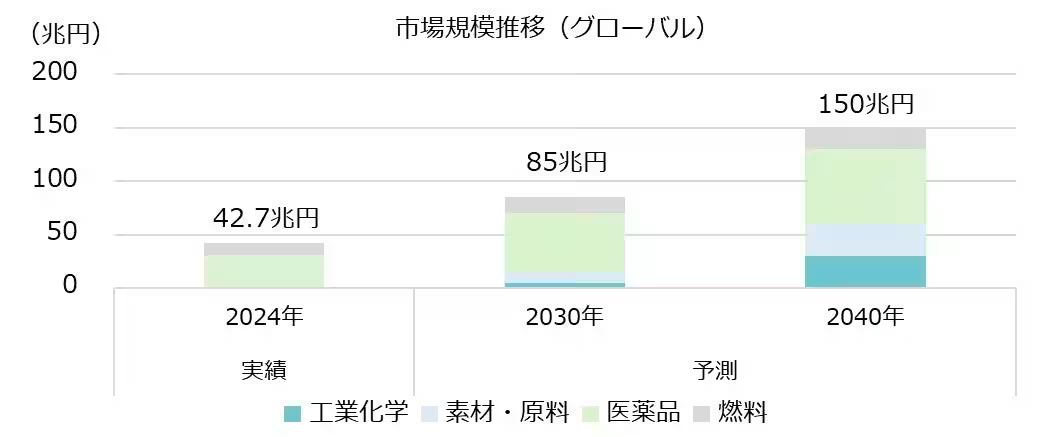
The research report outlines a projected growth trajectory for the bio-manufacturing industry, expecting it to reach a staggering market size of ¥150 trillion by 2040. This rapid expansion is supported by the following findings:
1. Market Growth:
- Industrial Chemicals: Currently valued at approximately ¥0.3 trillion, expected to surge to ¥30 trillion by 2040.
- Raw Materials: Similarly, this segment is projected to grow from ¥0.4 trillion to ¥30 trillion.
- Pharmaceuticals: Escalating from ¥30 trillion to an impressive ¥70 trillion, indicating the sector's critical role in the growth narrative.
- Fuels: Expected to grow from ¥12 trillion to ¥20 trillion, underscoring a shift towards bio-fuels.
These projections highlight not only the bio-manufacturing sector's potential but also designate pharmaceuticals as a key area of current and future investment.
Technological Landscape and Policy Dynamics
The report delves into the technological roadmap shaping the industry, examining innovations stemming from major corporations, startups, and research institutions. The focus areas include the following:
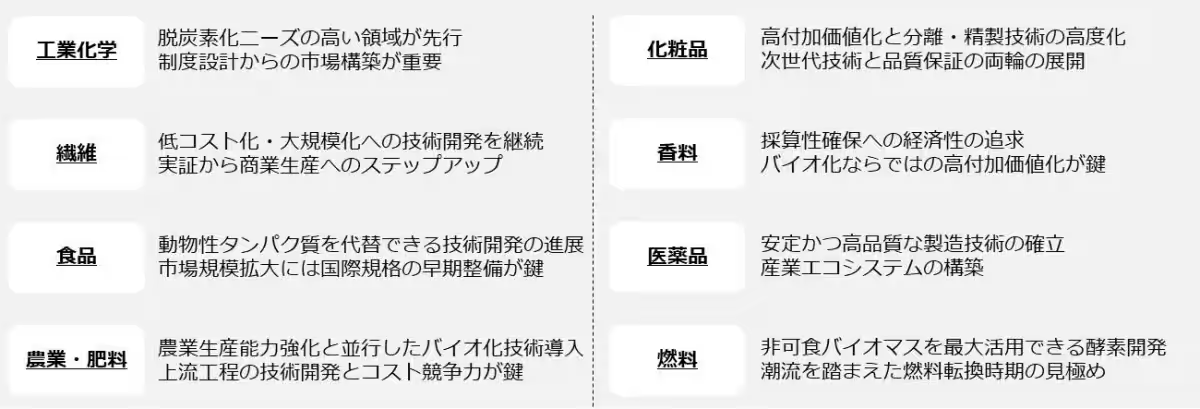
- - Application Domains: The fabric of bio-manufacturing encompasses diverse fields such as industrial chemicals, textiles, food, cosmetics, pharmaceuticals, and fuels. Each sector presents unique challenges and opportunities for value creation through biotechnology.
- - Regulatory Framework: The report underscores the significance of enabling regulations, which fosters innovation while addressing environmental concerns. Government policies in Japan, the US, Europe, China, and South Korea are analyzed, showcasing the comparative advantages different regions possess in fostering a robust bio-manufacturing ecosystem.
- - Sustainability Goals: Companies engaged in this sector are increasingly aligning their strategies with decarbonization efforts, aiming to reduce their carbon footprint. The robust push towards carbon neutrality has catalyzed investments in bio-based materials and energy, further amplifying the industry's prospects.
Strategic Recommendations
The findings act as a strategic guide for various stakeholders:
- - Manufacturers: Companies in industrial chemicals, textiles, food, pharmaceuticals, and energy sectors should harness biotechnological advances to innovate and enhance cost-effectiveness.
- - Investors: With a clear trend towards sustainability, investors focusing on green technologies can find promising opportunities in the bio-manufacturing domain.
- - Policy Makers: Governments need to streamline regulations and provide support for research and development to ensure an environment conducive to innovation.
Furthermore, Aucktimes plans to conduct specialized seminars and discussions tailored for stakeholders involved in carbon neutrality and bio-manufacturing. The inaugural event is slated for October 2025, extending invitations to those acquiring the report beforehand.
As industries across the globe transition towards more sustainable practices, bio-manufacturing stands at the forefront of this shift, providing unique opportunities for growth, innovation, and collaboration. The comprehensive report by Aucktimes Inc. is an essential tool for understanding and navigating this dynamic landscape.

Topics Consumer Products & Retail)
【About Using Articles】
You can freely use the title and article content by linking to the page where the article is posted.
※ Images cannot be used.
【About Links】
Links are free to use.