



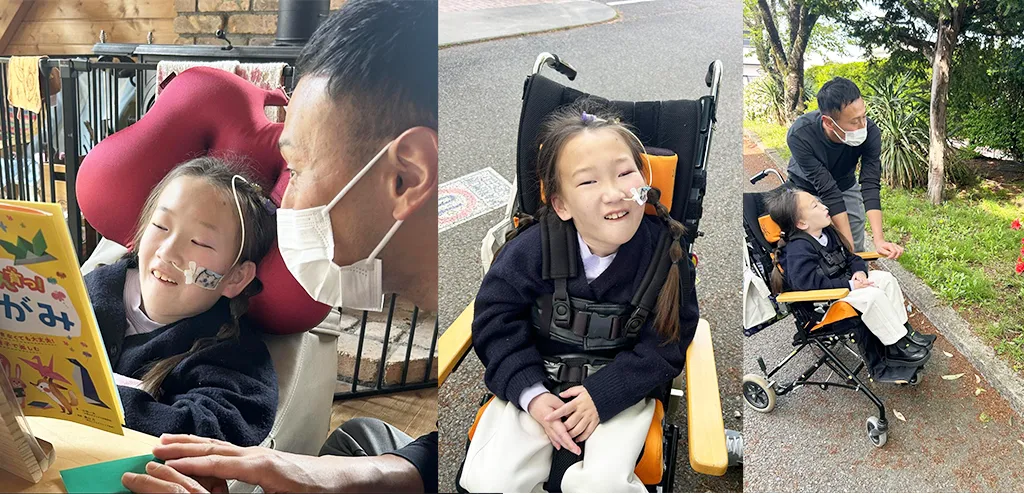
Long-Term Home Care Services for Medically Fragile Children Initiated in Nagano Prefecture
Revolutionary Home Care Services in Nagano for Medically Fragile Children
In a groundbreaking move, Yustyle Laboratory Co., Ltd., based in Nakano, Tokyo, has initiated the first long-term home care services for medically fragile children in Nagano Prefecture. This innovative approach integrates home care with community support, providing crucial assistance to families in need, and offers a glimpse into the expanding need for long-term care options nationwide.
Across Japan, over 20,000 children are identified as requiring medical care due to severe disabilities or chronic illnesses. It is estimated that approximately 600 of these medically fragile children reside in Nagano Prefecture. These children often require constant medical support, including suctioning for respiratory issues, monitoring of medical devices, and assistance with feeding through gastric tubes, necessitating 24/7 caregiving for many families.
The burden on caregivers, especially parents, is immense, as they frequently confront chronic stress, sleep deprivation, and challenges in balancing care responsibilities with employment. Moreover, the age-related limitations in accessing adequate long-term support further complicate their situations, as the available services are typically short-term in nature.
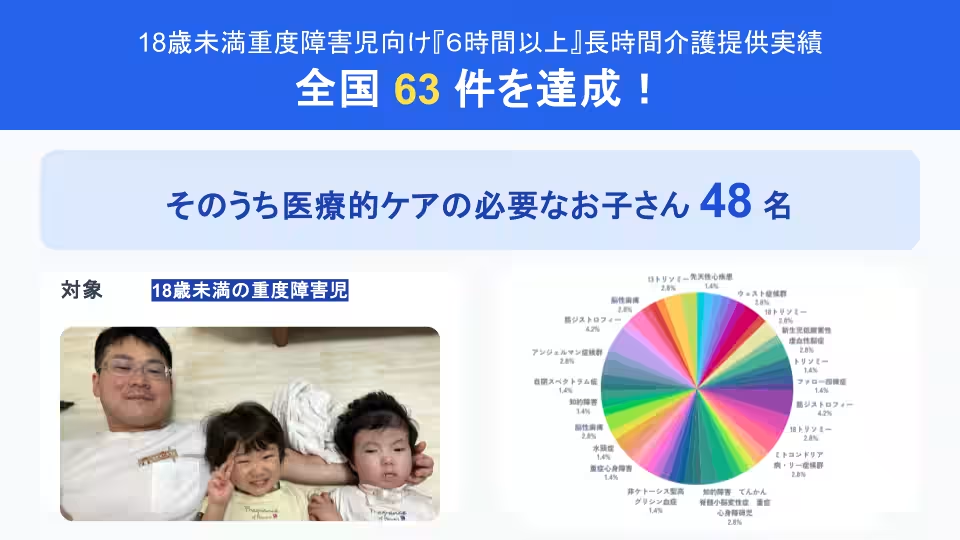
Historically, children under 18 years old with severe disabilities have been excluded from long-term home care services, thus limiting the options available to medically fragile children and their families. However, since 2017, Yustyle has been advocating for long-term assistance without age restrictions. As of May 2026, nearly 63 cases of long-term care for children under 18 have been documented nationwide, indicating a significant increase in demand for such services across Japan.
The Case of S: Overcoming Family Challenges
The case of 9-year-old S, who suffers from Alexander disease—a progressive and rare disorder—illustrates the urgent need for long-term support. S requires regular medical care including assistance with involuntary muscle movements, swallowing, communication, and more. With her father's work requiring night shifts, her mother has found it increasingly difficult to manage childcare alone, particularly with her younger brother about to start elementary school.
S's younger brother eagerly anticipated joining the basketball club, yet the practicalities of transporting both children posed significant challenges for their mother. She felt conflicted, wishing to provide equal attention to both children without compromising anyone's needs. Recognizing these pressures, Yustyle developed a custom support plan combining home care and transportation assistance.
By integrating long-term home care from 10 AM to 2 PM, followed by support from 2 PM to 5 PM for external activities, S and her family are now able to engage meaningfully in daily life. The mother expressed gratitude, stating, “With the staff's support, I can now play with both children instead of being solely focused on my daughter's care.”
A Hybrid Support System
The hybrid model of combining home care and transport services allows S’s family to participate in community activities together. This arrangement enables the mother to be present for her son’s basketball practices while ensuring that S enjoys family time outside their home. The staff from Yustyle take on the caregiving responsibilities, allowing the family to bond and thrive in a more balanced manner.
A Vision for the Future: Expanding Long-Term Support Services
At Yustyle, the mission has been to amplify the availability of long-term care for medically fragile children while providing critical endorsements and support to implement disability welfare services effectively. As the landscape of support evolves, working with local agencies and legislative bodies has become crucial.
Legislation has been passed, such as the Medical Care Child Support Law, advocating for reinforced support towards children who utilize medical care and their families. The ongoing dialogue among various political parties surrounding the law’s amendments seeks to address barriers like the notorious “age wall,” which hinders smooth transitions in care services.
While legislative efforts are underway, many families find themselves at a breaking point waiting for these reforms. Yustyle aims to bridge the gap by providing immediate solutions and raising awareness for to address unmet needs in local communities. The support for families of medically fragile children is not just an option; it's imperative to uphold the dignity of family life.
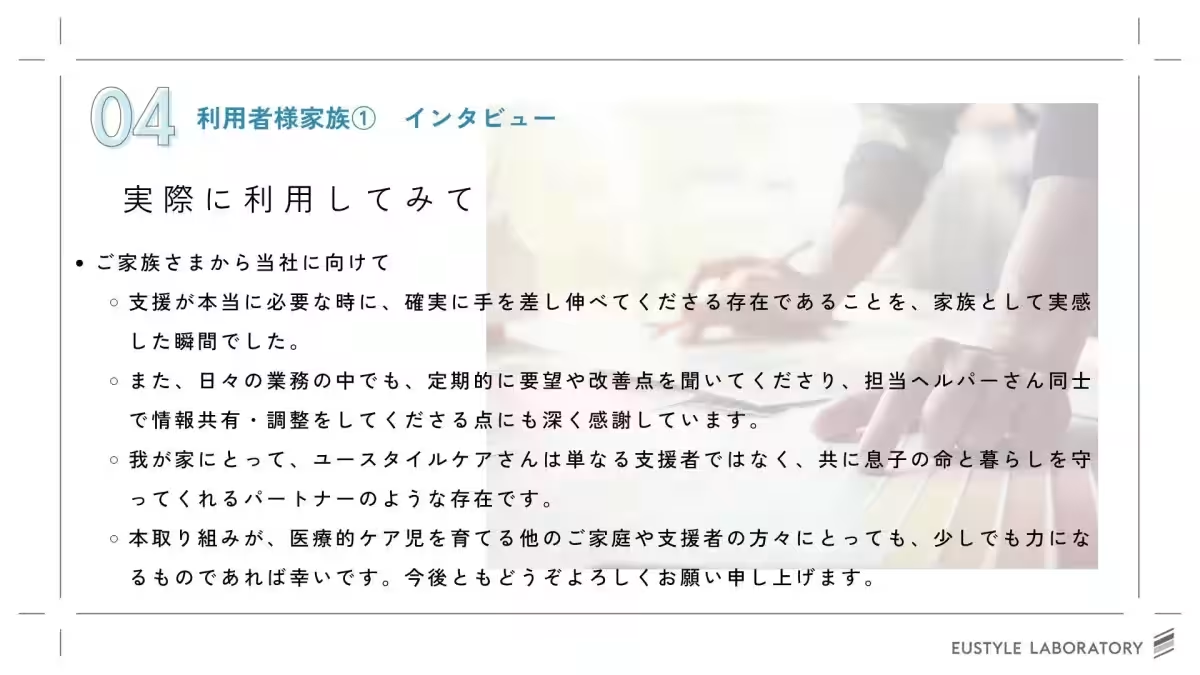
As testament to the success and necessity of their services, Yustyle continues to compile feedback from users around the nation, advocating for broader implementation of these crucial family support systems.
Conclusion
In conclusion, Yustyle Laboratory’s initiative in Nagano marks a significant turning point for medically fragile children and their families in Japan. By allowing long-term home care and establishing a model for integration and support, this initiative stands as a testament to the need for greater accessibility and tailored assistance for families navigating the complex healthcare landscape. The journey ahead holds promise as Yustyle aspires to extend these services nationwide, ensuring that every family with medically fragile children has the support they deserve.
Topics Health)
【About Using Articles】
You can freely use the title and article content by linking to the page where the article is posted.
※ Images cannot be used.
【About Links】
Links are free to use.