



Exploring the Divide: AI Managers and Employee Expectations Amidst Organizational Change
The Rise of AI Managers: Bridging Different Perspectives in the Workplace
A recent study conducted by Frontier Inc., which surveyed 1,003 employees aged 20 to 50, indicates a significant acceptance of AI as a supervisory entity within organizations. This report sheds light on the contrasting perceptions held by management and non-management employees, highlighting a complex dynamic surrounding the introduction of AI into workplace hierarchies.
Survey Insights: Understanding Employee Sentiment Towards AI Managers
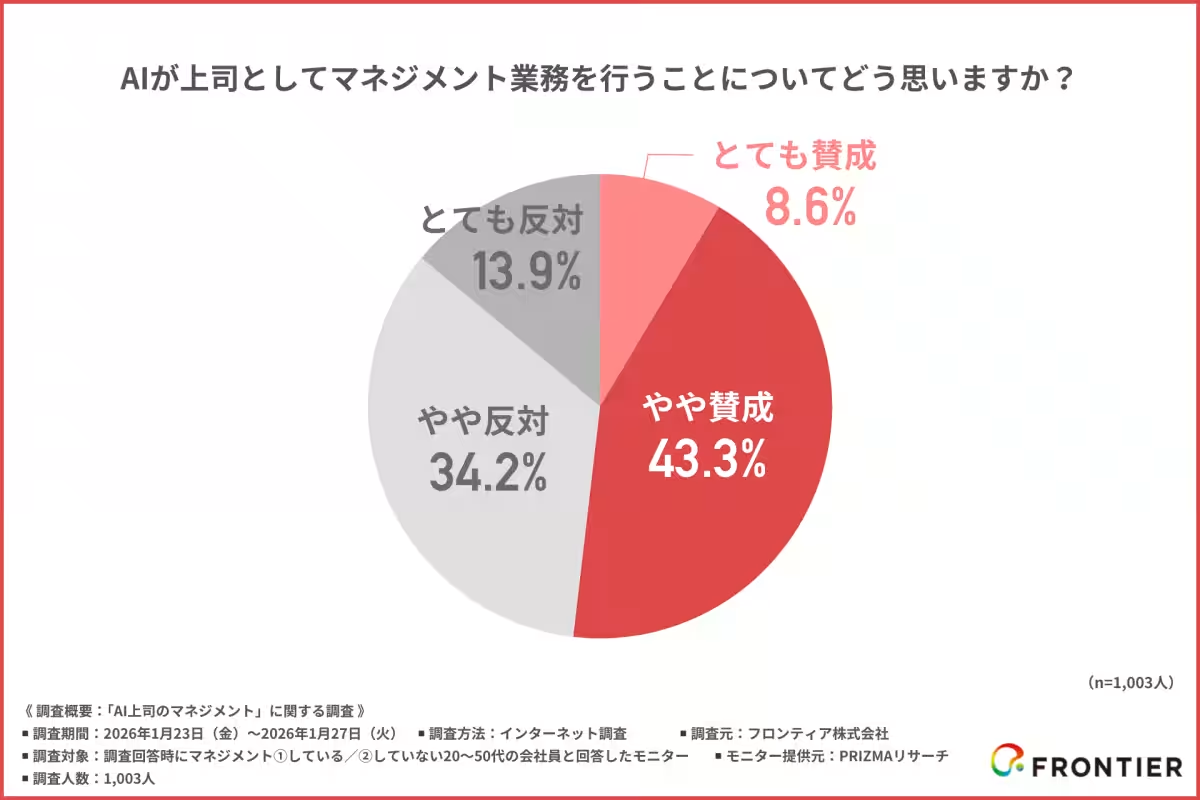
The findings reveal that a majority of employees—51.9%—are in favor of having AI managers. Respondents were categorized into two groups: management (500 supervisors) and non-management (503 general employees). Analysis of their responses showcases notable discrepancies in perceptions towards AI's role as a superior.
Majority Supports AI Management
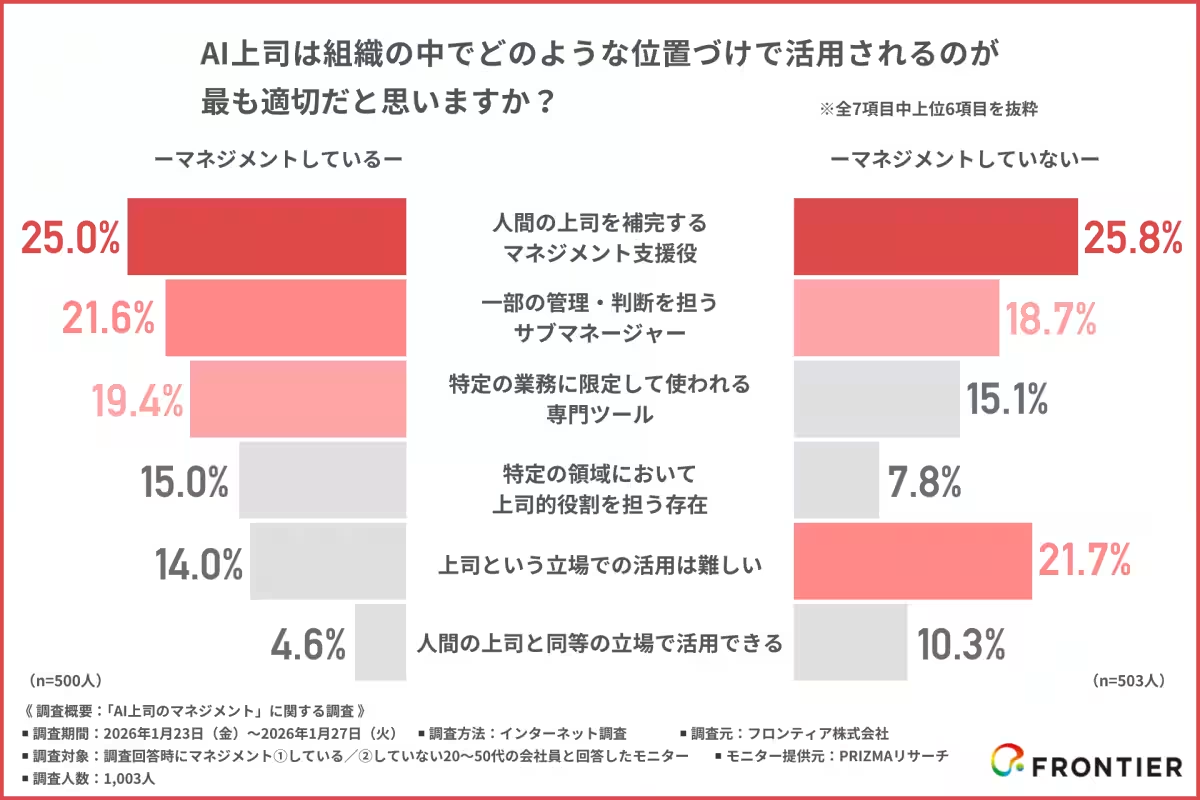
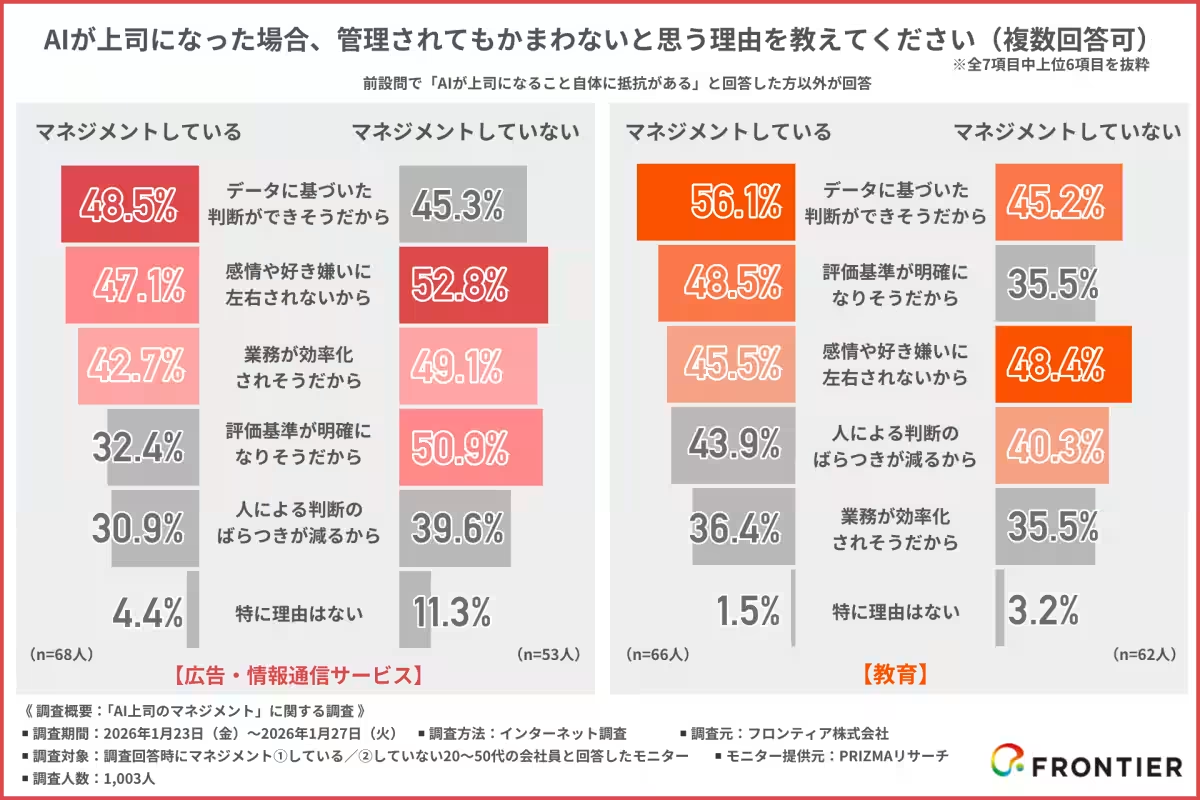
When asked, "What are your views on AI performing managerial tasks?" a considerable 51.9% expressed agreement. A substantial expectation is built around AI serving as a supportive entity that complements human supervisors, with 25% of respondents categorizing AI as a managerial support tool. This sentiment underscores a desire for fairness and objectivity in evaluations, especially highlighted by non-management employees who feel marginalized in traditional hierarchical structures.
Divergent Expectations: Management vs. Non-Management
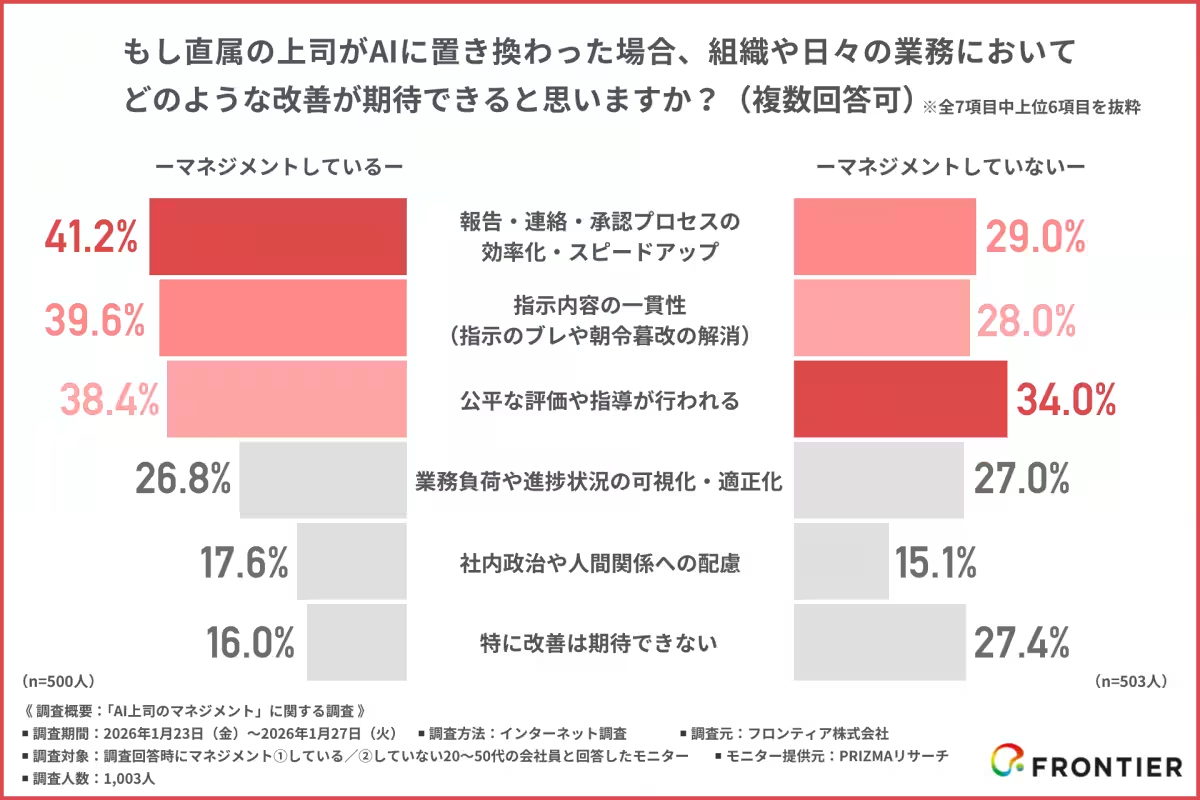
The survey further illuminates the differing expectations based on job roles. For example, management respondents expressed hopes for AI enhancing efficiency in reporting and decision-making processes (41.2%), while non-management counterparts prioritized fairness and unbiased evaluations (34.0%) in performance assessments. This disparity reveals a gap that companies must address to align AI integration efforts with employee needs.
Concerns Within Specific Industries
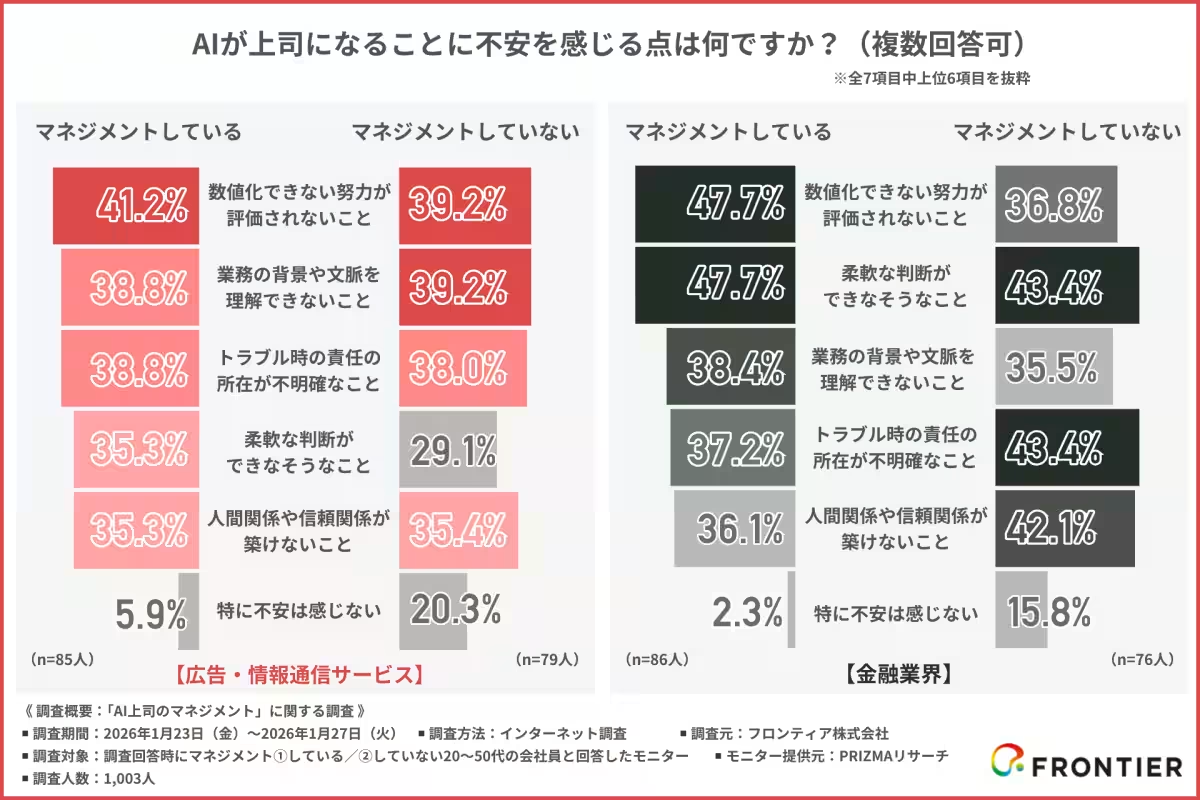
In particular fields, apprehensions regarding AI supervisors are amplified. For instance, within the finance sector, managers are concerned about the lack of acknowledgment for unquantifiable efforts (47.7%), while non-management employees worry about ambiguity in accountability during crises (43.4%). These insights highlight the necessity for companies to construct clear frameworks for responsibility and evaluation when adapting AI into leadership roles.
Resistance to Direct Supervision by AI
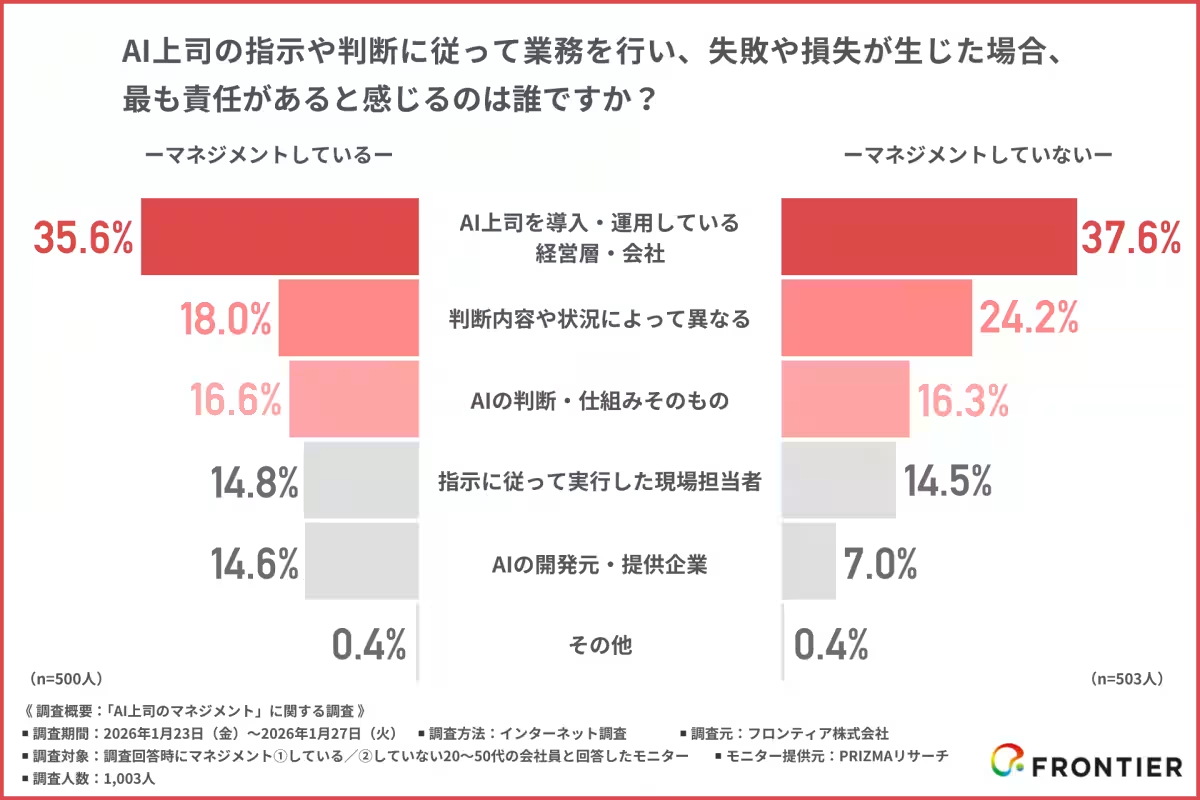
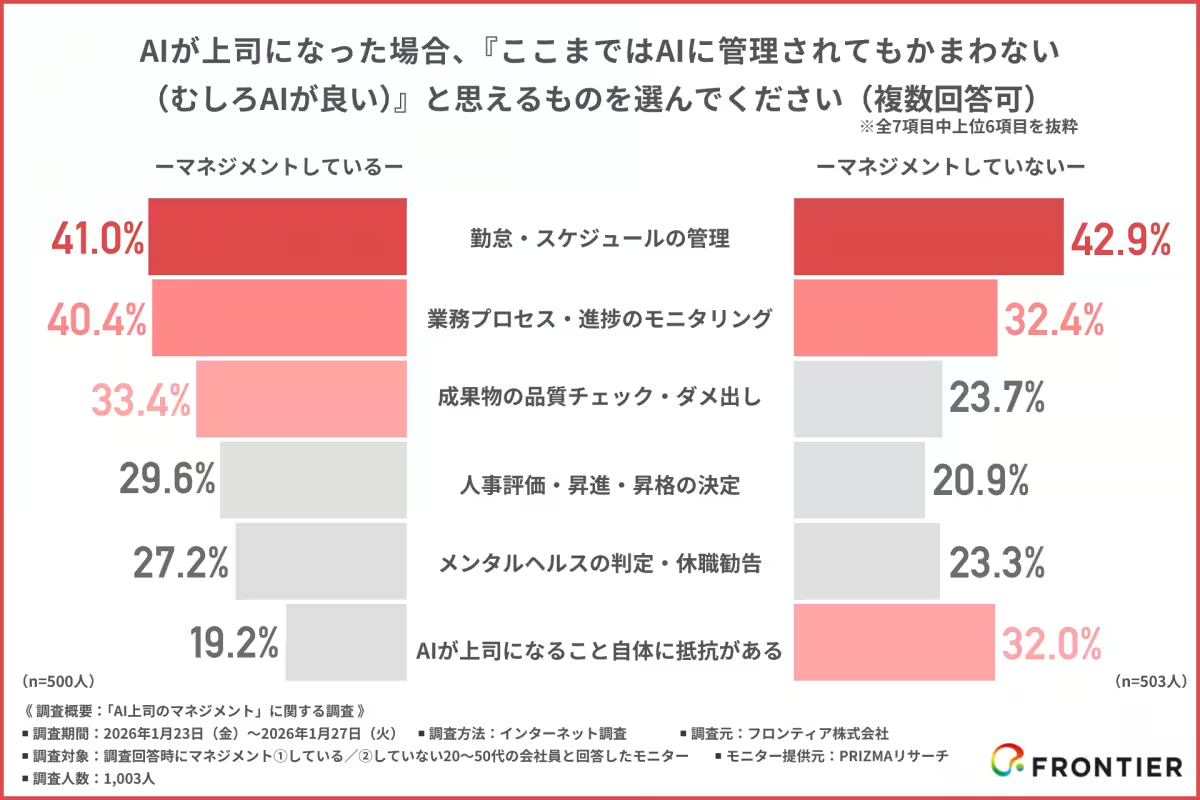
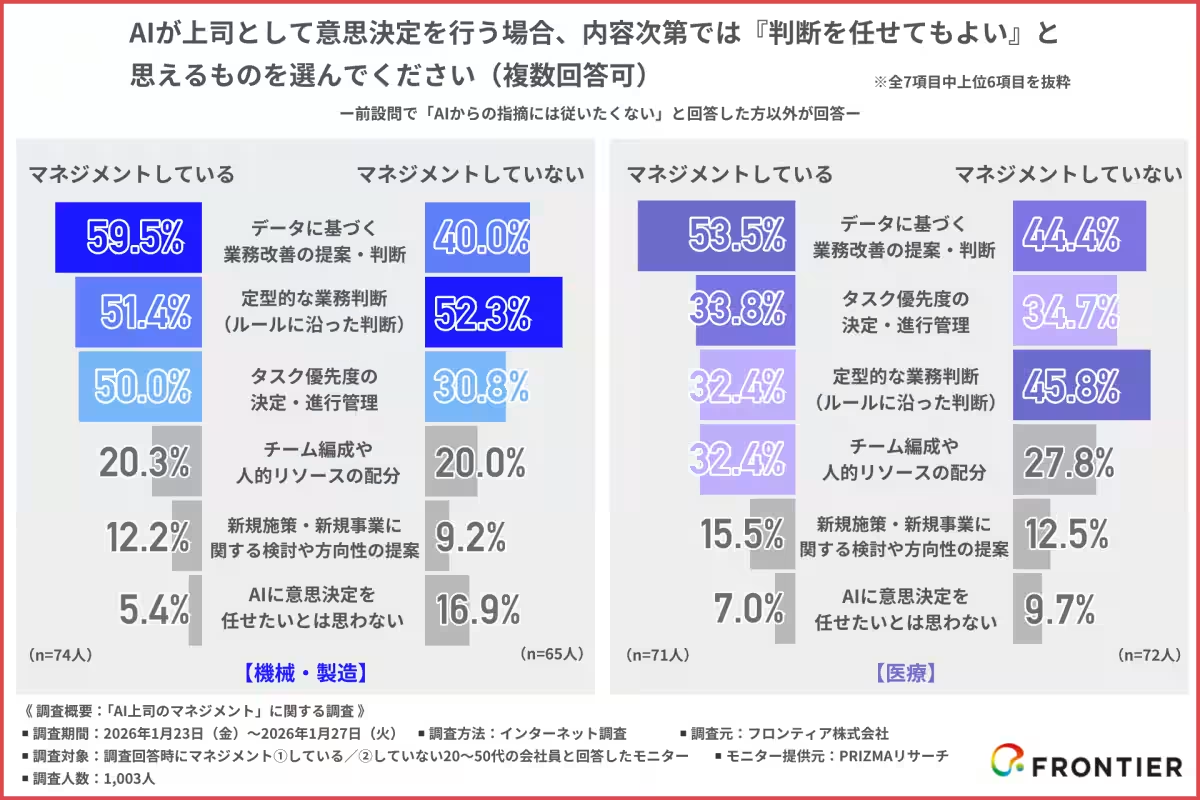
An interesting aspect of the survey is the resistance among employees to being directly managed by AI. Both management and non-management cohorts identified that the ultimate responsibility for decisions made by AI rests with the corporate executives who implement it (35.6% to 37.6%). This shared perspective indicates that while employees recognize AI as a tool, they are skeptical about relinquishing authority to it, particularly in decision-making roles. Employees voiced concerns stating that while AI could ease workloads, they are apprehensive about being directed by machines, signaling a fear of losing the human touch traditionally associated with management.
The Cultural Divide: Trust vs. Efficiency
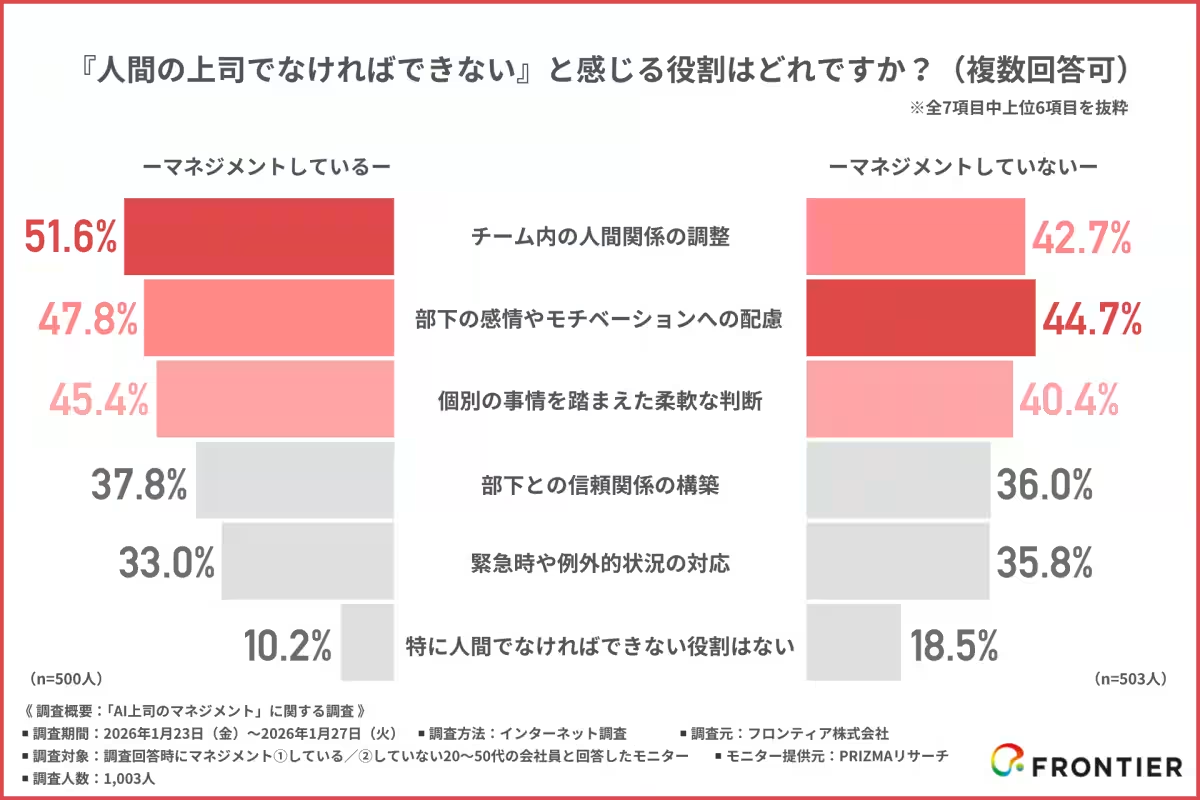
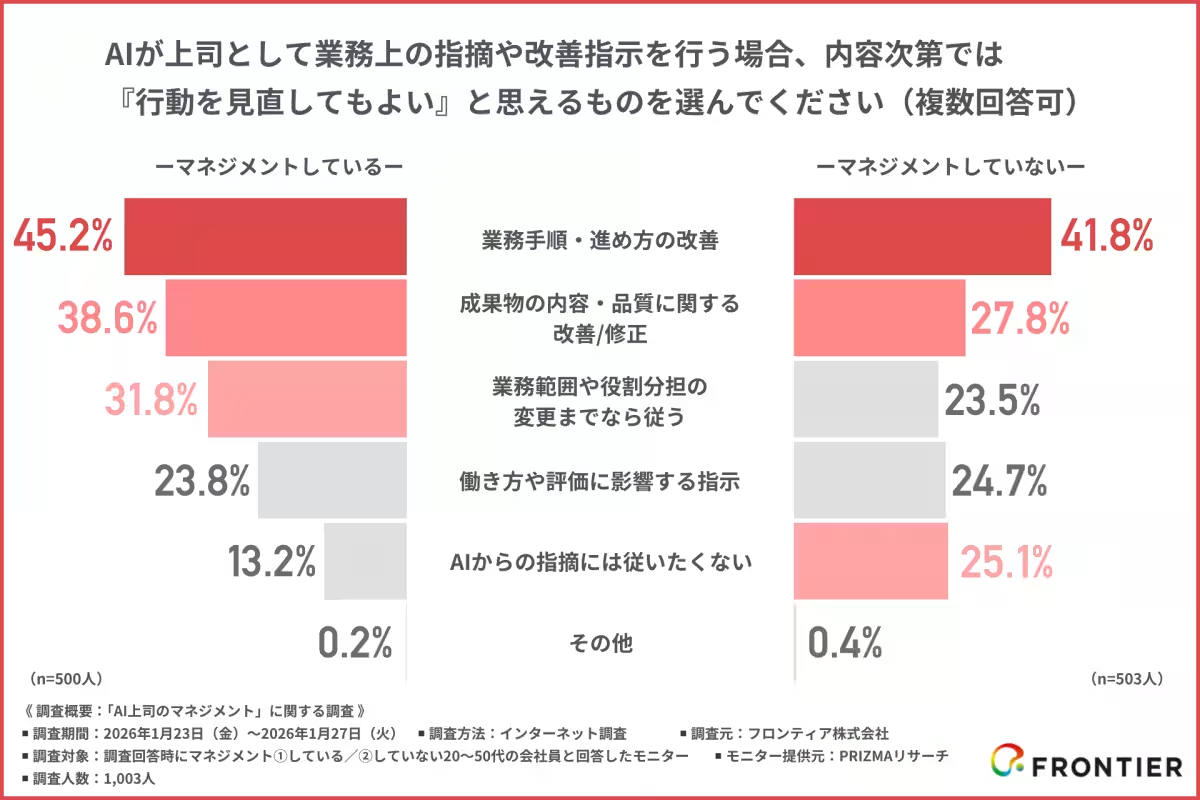
When both groups were asked about their comfort levels with AI management, managers were more open to accepting negative feedback from AI, while many non-management employees expressed resistance towards the notion of being led by a non-human entity. Results revealed that non-management staff valued emotional intelligence and personal connection in their supervisors—qualities they believe AI cannot replicate. Thus, any successful implementation of AI in management must consider these nuances in employee expectations.
Conclusion: Path Forward in AI Management Integration
The survey highlights a critical turning point; while acceptance of AI managers is growing, there is a pressing need for organizations to design AI roles that support rather than replace human supervision. Companies must create a culture that embraces AI technology while safeguarding the human elements essential for effective management. This will require strategic planning, clear communication, and a commitment to cultivating an inclusive environment where employees feel valued and recognized.
The integration of AI into management roles is not merely a technological shift; it is a profound cultural transformation that calls for understanding and collaboration between all organizational levels. As the workplace continues to evolve, balancing efficiency with fairness will be crucial for fostering a healthy and productive work environment.
Topics Business Technology)
【About Using Articles】
You can freely use the title and article content by linking to the page where the article is posted.
※ Images cannot be used.
【About Links】
Links are free to use.