



Unveiling Oral Frailty: Essential Care Habits for Elderly Health
Understanding Oral Frailty and Its Prevention
Oral frailty, as defined in the Joint Statement on Oral Frailty released by three academic organizations on April 1, 2024, describes a subtle decline in various functions associated with oral health, such as chewing and speaking. This condition increases the risk for requiring care or even death, making its prevention an urgent matter. To create effective preventive measures, the Sanstar Group collaborated with Professor Katsuya Iijima and his team from the Research Institute for Aging Society at the University of Tokyo. Their joint research focused on analyzing the correlation between oral care habits and the prevalence of oral frailty among local elderly residents.
Research Background and Purpose
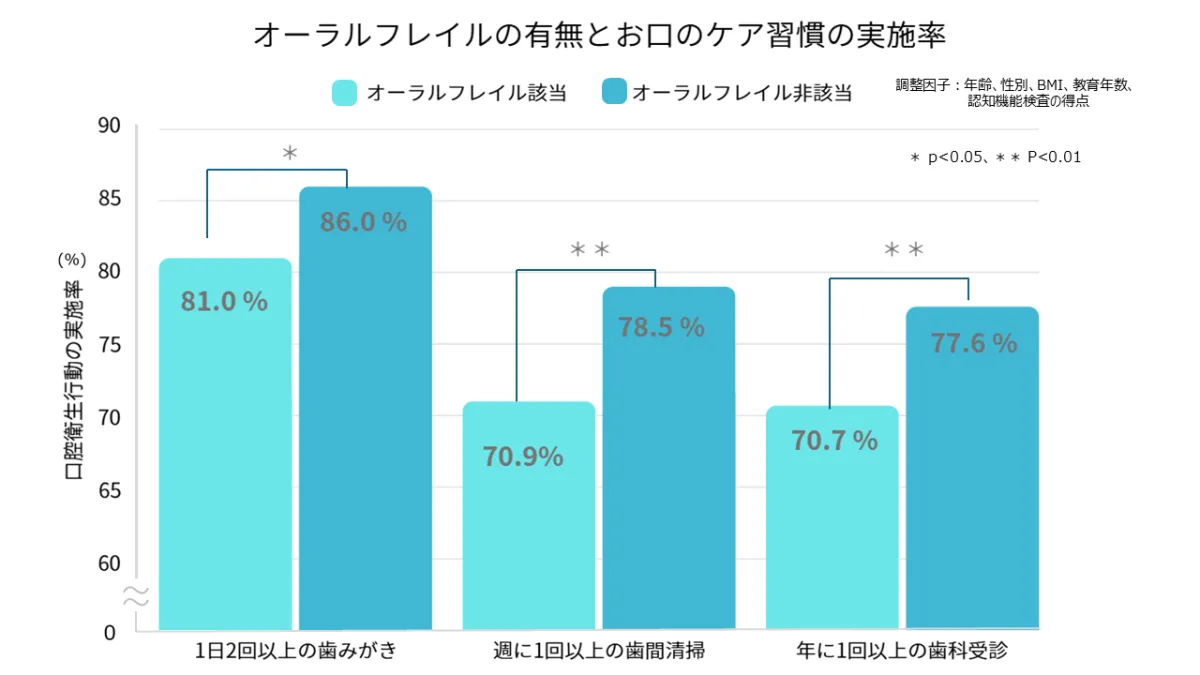
In recent times, oral health has been increasingly recognized as a vital aspect of overall health, particularly among seniors. The research aimed to identify simple oral care practices that can be readily recommended to older adults, stressing that these habits can mitigate the risk of oral frailty. The study explored the impact of essential oral care practices such as brushing teeth twice a day, using interdental brushes once a week, and visiting the dentist at least once a year, noting how these activities correlate with the prevalence of oral frailty.
Methodology of the Study
The research involved a cross-sectional analysis of data collected in 2021 from 1,439 healthy seniors aged 65 and above in Kashiwa City, Chiba Prefecture, Japan. Each participant's oral frailty was evaluated using the Oral Frailty Five-item Checklist (OF-5), examining their oral hygiene habits. This approach provided a comprehensive view of how active engagement in salubrious oral practices can impact the bracket of those affected by oral frailty.
Key Findings of the Research
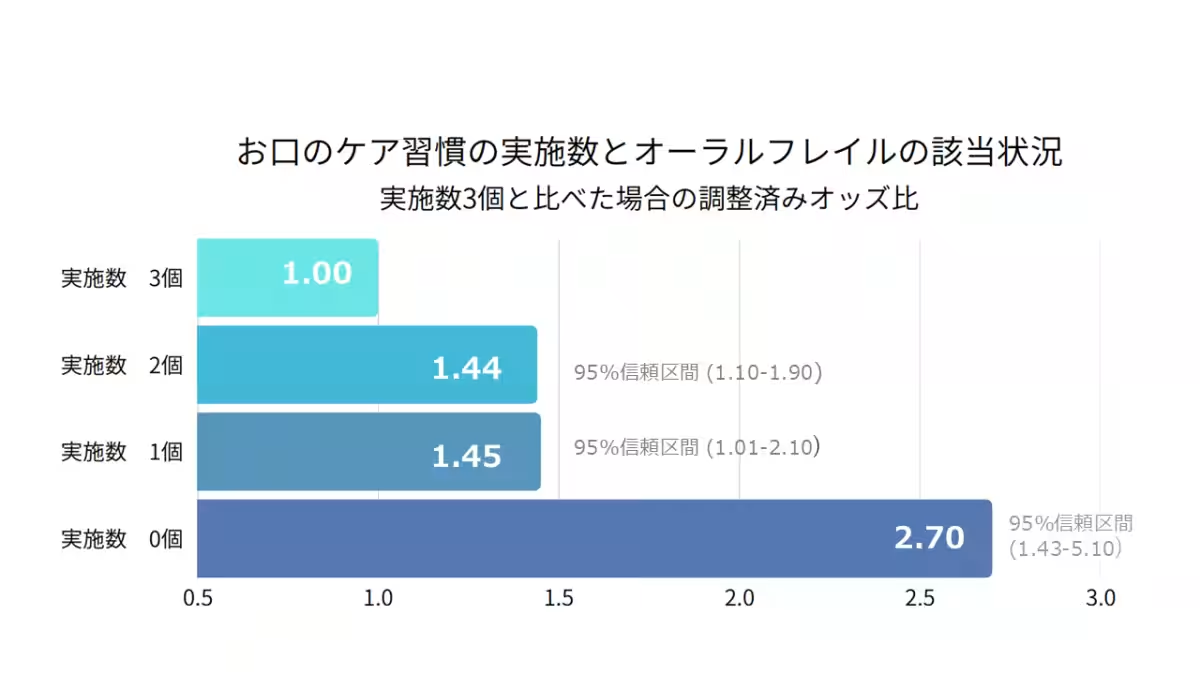
One of the major findings was that regular tooth brushing, the use of interdental cleaning tools, and dental visits are key indicators of oral health among seniors. Specifically, those who engaged in all three recommended practices exhibited the lowest rates of oral frailty. The more practices a participant engaged in, the lower their likelihood of being categorized as frail, emphasizing the cumulative benefits of these oral health behaviors.
Conclusion of the Analysis
The study affirmed a significant correlation between regular oral care habits and the presence of oral frailty among elderly individuals. It suggests that self-care practices like tooth brushing, employing cleaning tools for between the teeth, and routine visits to the dentist contribute to the preservation of chewing abilities and the prevention of dental diseases, such as periodontal disease. The potential for these simple, yet effective practices to improve quality of life and health outcomes is substantial.
Continuing Initiatives by Sanstar
Sanstar Group pledges to continue educating the public about oral frailty while encouraging awareness and understanding of its implications. By fostering healthy oral habits, the company aims to extend not only health spans but also overall well-being among the elderly population.
Expert Opinions on Findings
Professor Katsuya Iijima
From the University of Tokyo’s Research Institute for Aging Society, he commented on the importance of recognizing and addressing oral frailty early to mitigate declines in oral function. “The study shows that even non-professionals can recommend specific oral care behaviors that are linked with oral frailty,” he noted, highlighting how engaging in these practices can enhance elderly individuals' confidence in health-promoting behaviors.
Nana Mizoguchi, Dental Hygienist at Sanstar
She emphasized the significance of establishing a routine of using interdental brushes more than once a week. Interdental cleaning is crucial as it removes plaque that regular brushing cannot, significantly aiding in the prevention of periodontal disease, which can cause tooth loss and impair the ability to chew effectively. “Encouraging those who have yet to adopt interdental cleaning to integrate this aspect into their oral hygiene routine, alongside regular brushing and dental check-ups, can lead to better health outcomes,” Mizoguchi stated.
Conclusion
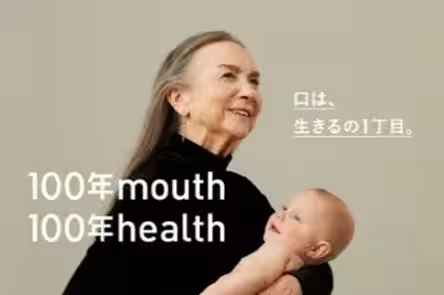
With a 100-year lifespan becoming the norm, oral health models proposed by Sanstar focus on enabling individuals to enjoy a rich and healthy life. Emphasizing daily oral care habits safeguards not only oral health but overall health too. As we venture into a future prioritizing health, Sanstar aims to disseminate quality information, products, and services conducive to prolonged health spans.

Topics Health)
【About Using Articles】
You can freely use the title and article content by linking to the page where the article is posted.
※ Images cannot be used.
【About Links】
Links are free to use.