



Embracing Summer: How to Safely Acclimatize for Heat Prevention
Introduction to Heat Acclimatization
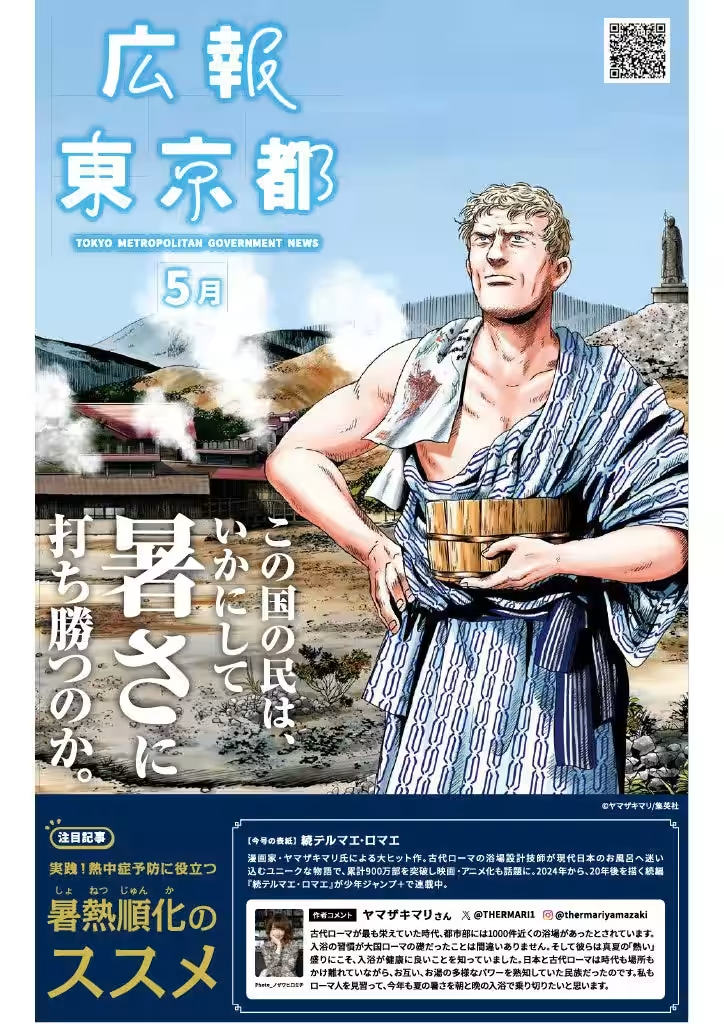
As Tokyo prepares for the peak summer months, the importance of preventing heat-related illnesses increases. The city's monthly publication, "Kouhou Tokyo," is dedicated to delivering vital information to residents, including crucial advice for acclimatizing the body to intense heat.
Understanding Heat Acclimatization
Heat acclimatization refers to the process of training the body to manage higher temperatures, significantly reducing the risk of heatstroke. As summer days grow hotter and longer, understanding how to prepare the body is essential for healthy living. With increased temperatures every year in Japan, this timely advice is particularly relevant.
Why It's Important
The human body struggles to adapt to sudden heat exposure, especially during the transition from spring to summer. For instance, during the months of May to June, the body may not yet be in a "summer mode," making people more susceptible to heat-related issues. By gradually acclimatizing, individuals can enhance their ability to sweat efficiently, which helps regulate body temperature and lowers the likelihood of heat-related illnesses.
Suggested Methods for Acclimatization
1. Start Early: To reap the benefits of heat acclimatization, begin the process several days to two weeks before the summer heat peaks. Gradual exposure is key.
2. Physical Activity: Engage in regular light exercise, such as walking, to stimulate the body’s cooling response. This can be integrated into daily routines without overwhelming one's physical limits.
3. Hydration: Prioritizing fluid intake is crucial. Drink plenty of water, particularly before and after exercise.
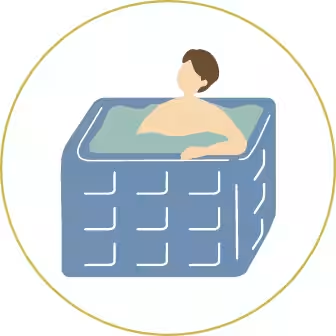
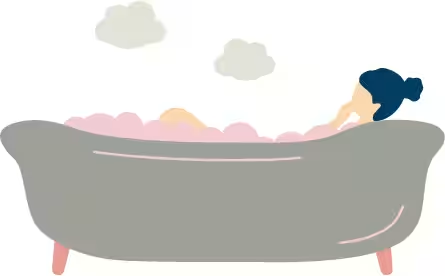
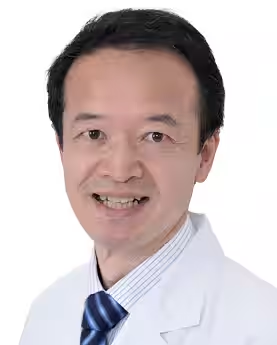
4. Warm Baths: Surprisingly, taking warm baths can be an effective method to prepare the body for heat. According to Dr. Nobuya Hayasaki, a leading expert in bathing research, a bath at 40°C can efficiently stimulate sweat production and fast-track the acclimatization process.
Recommended Bathing Techniques
Dr. Hayasaki emphasizes that immersing oneself in a warm bath for around 20 minutes can help prepare the body for forthcoming heat. Regular practice over a period of two weeks can significantly enhance the body's heat tolerance. It is particularly advisable to start such routines in May, as the risk of heat-related conditions starts to increase around June.
Fun Exercises with Gobou-sensei
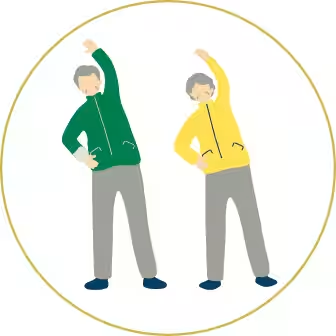
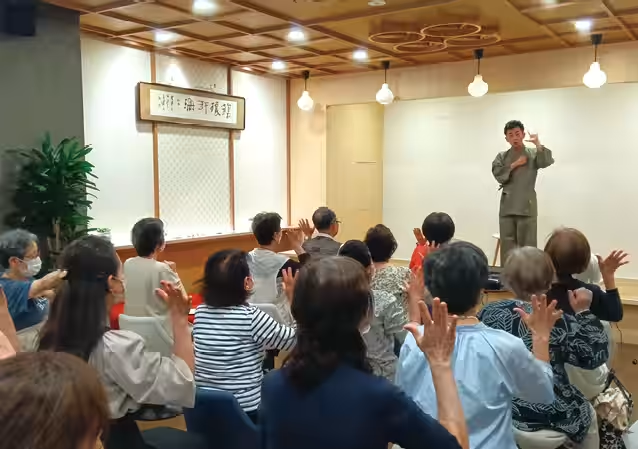
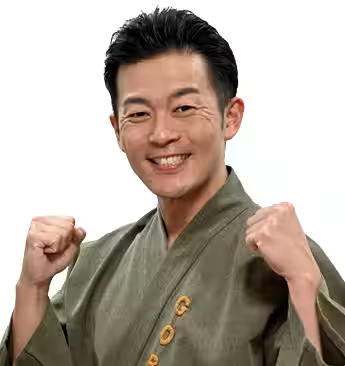
Another exciting way to acclimatize is through physical exercise. Gobou-sensei, a popular figure known throughout Tokyo for his engaging exercise workshops, offers simple routines that can be done while seated. These exercises help in muscle relaxation and physical readiness for warmer days ahead. Participating in workshops like "Start Acclimatization Course" organized by Tokyo could be beneficial for many, making learning fun and effective.
Educational Initiatives
To facilitate better understanding and prevention, the Tokyo Metropolitan Government organizes various educational sessions. These workshops are aimed at teaching residents about the importance of heat acclimatization, providing hands-on activities, and promoting community engagement. Individuals interested in these sessions can find all the necessary information on the Tokyo Heatstroke Prevention Portal.
Conclusion
Awareness and preparation play pivotal roles in ensuring safety and well-being during the sweltering summer months. By investing time in heat acclimatization techniques, anyone can cultivate a better tolerance to the summer heat, thus enhancing their quality of life and reducing the risk of heat-related illnesses.
Cover Story
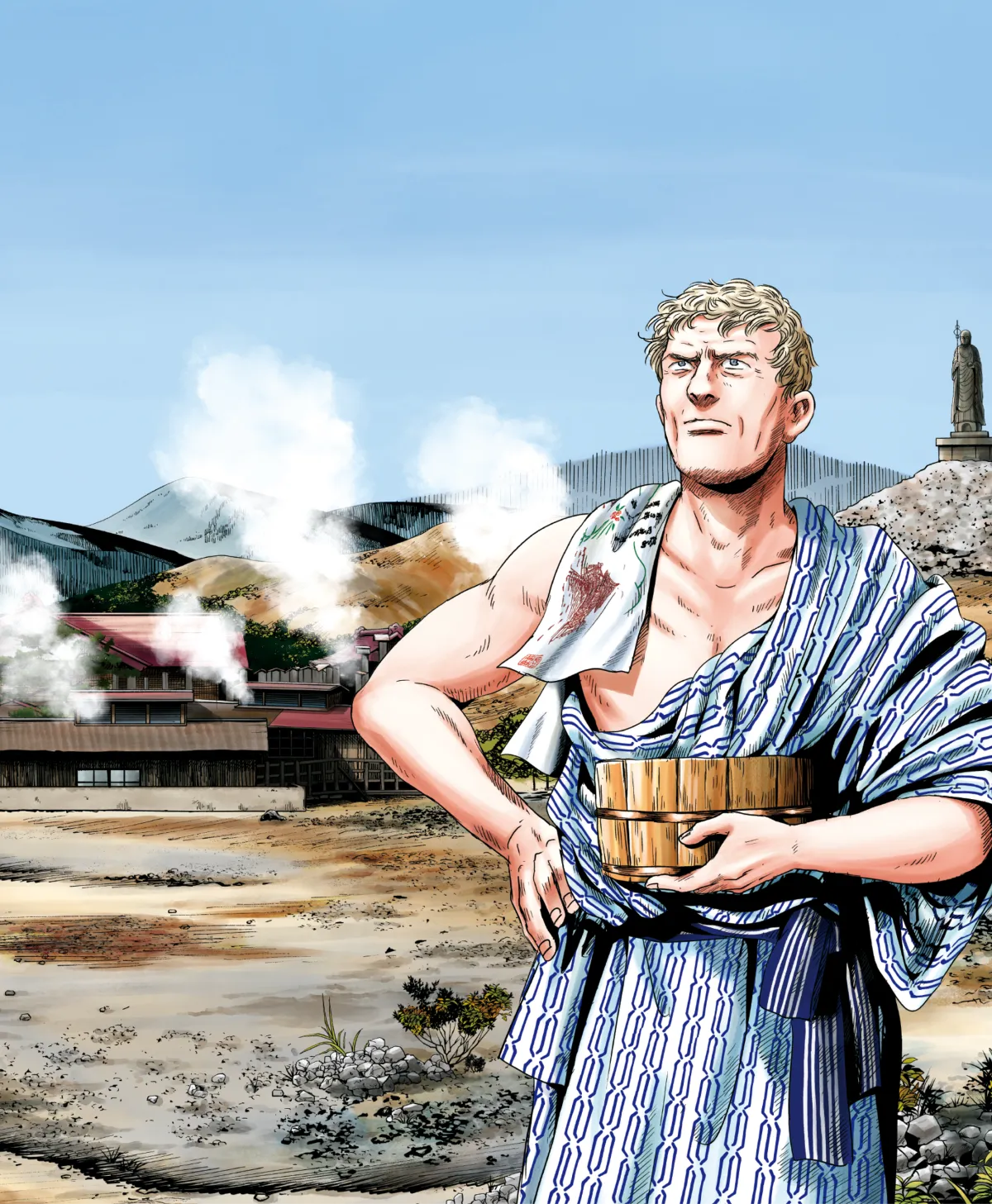
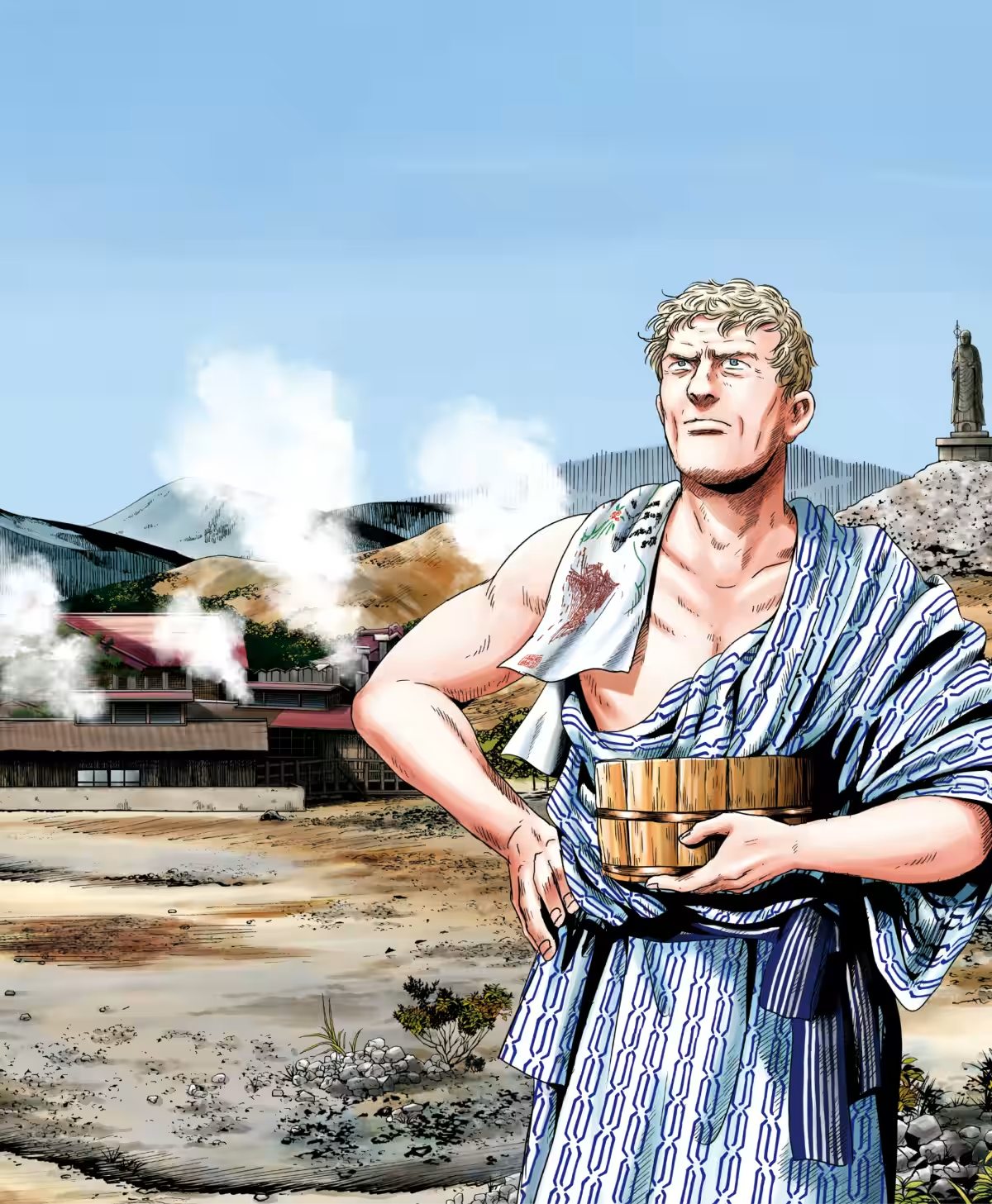
This month’s issue of "Kouhou Tokyo" features a vibrant cover by renowned manga artist, Mari Yamazaki, famous for her hit work "Zoku Thermae Romae." As Yamazaki reflects on the historical importance of bathing in ancient Rome, she encourages modern-day readers to embrace similar practices for their health in this summer's heat. Her insightful commentary accentuates the ongoing relevance of self-care rituals across cultures and eras.
Stay informed and prepared this summer by picking up your copy of "Kouhou Tokyo," available in print or online at Kouhou Tokyo.


Topics Health)
【About Using Articles】
You can freely use the title and article content by linking to the page where the article is posted.
※ Images cannot be used.
【About Links】
Links are free to use.