



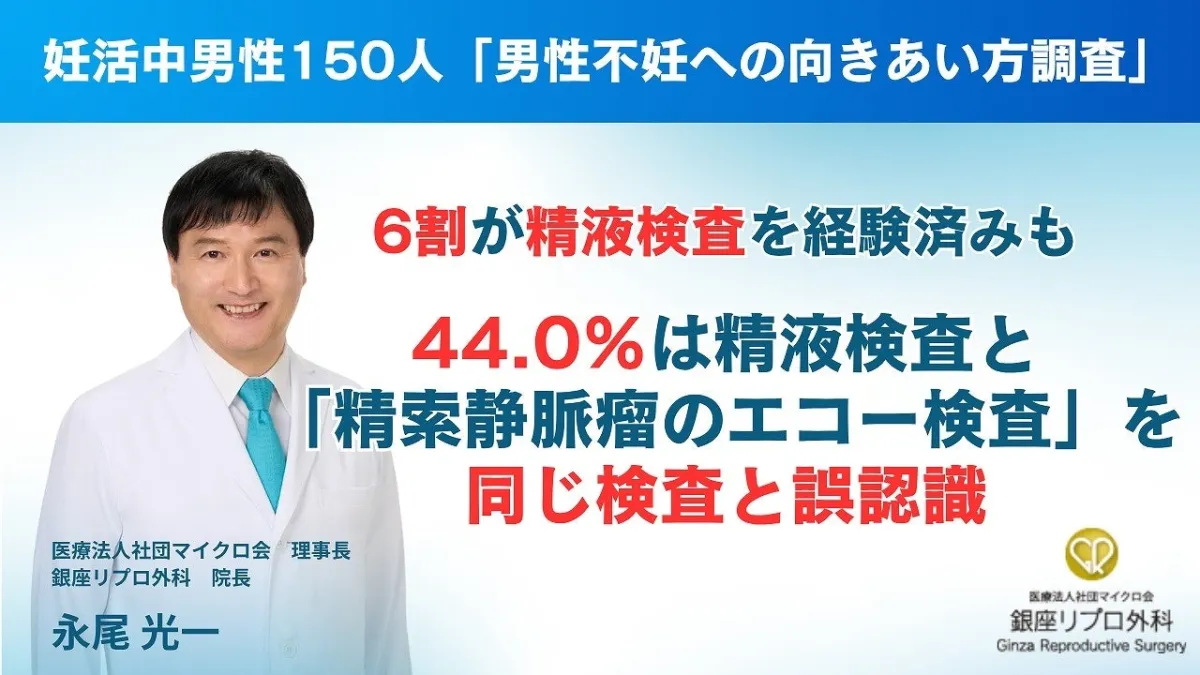
Understanding Male Infertility: Insights from a Survey of 150 Men Actively Trying to Conceive
Understanding Male Infertility: Insights from a Survey of 150 Men Actively Trying to Conceive
A recent survey conducted by Ginza Repro Clinic, led by Dr. Koichi Nagao, explored the attitudes and awareness surrounding male infertility in Japan. The study utilized an internet-based self-assessment tool by Cross Marketing and targeted 1,000 men. Ultimately, 150 men aged between their 20s and 40s, who are actively trying to conceive, provided valuable insights into their experiences and knowledge regarding infertility.
Key Findings of the Survey
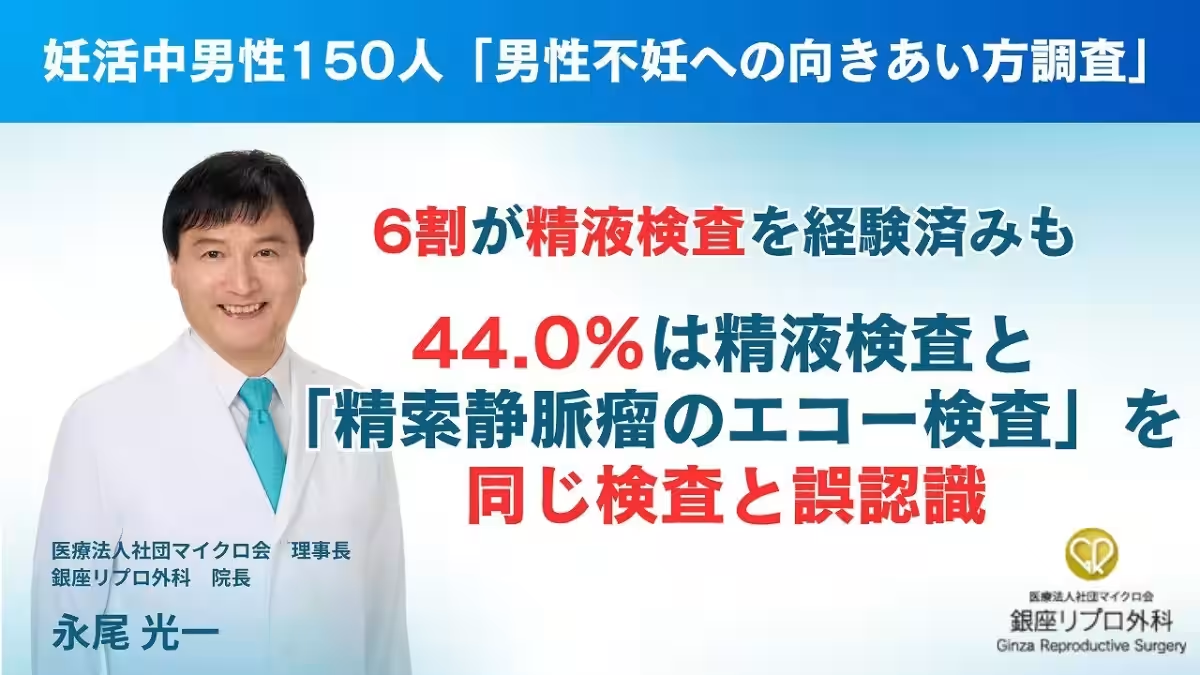
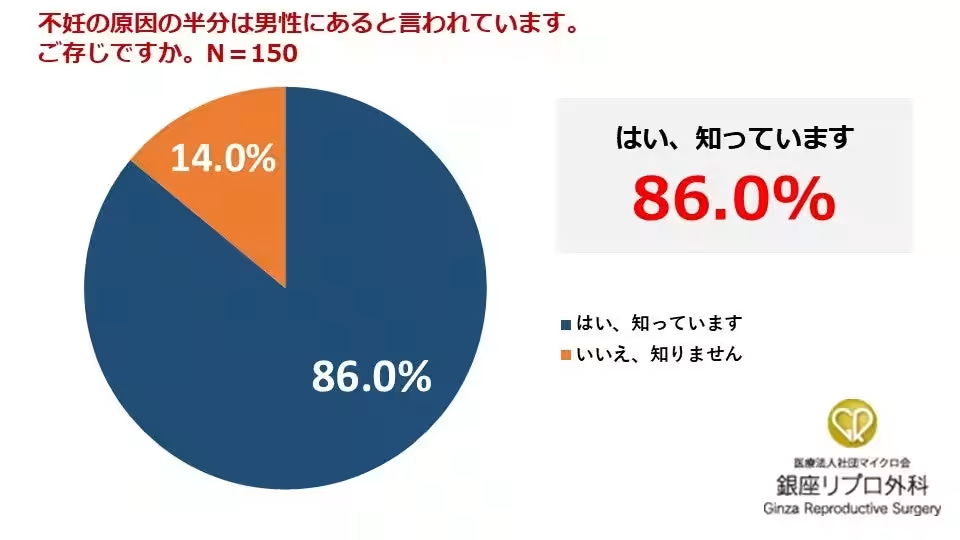
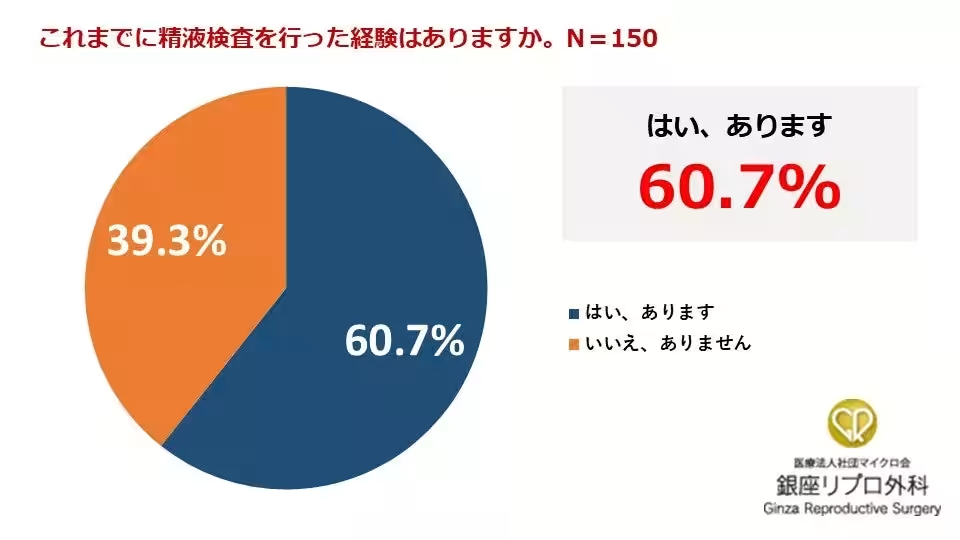
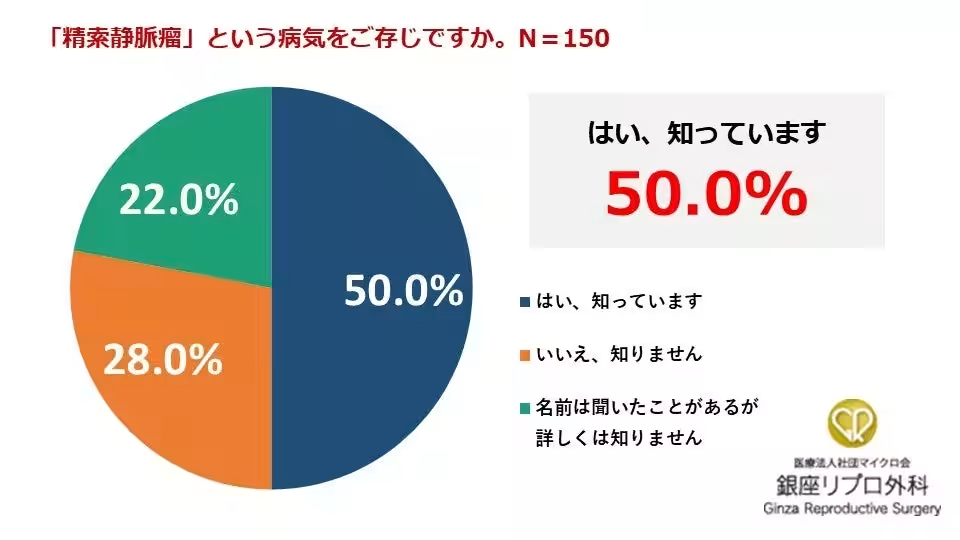
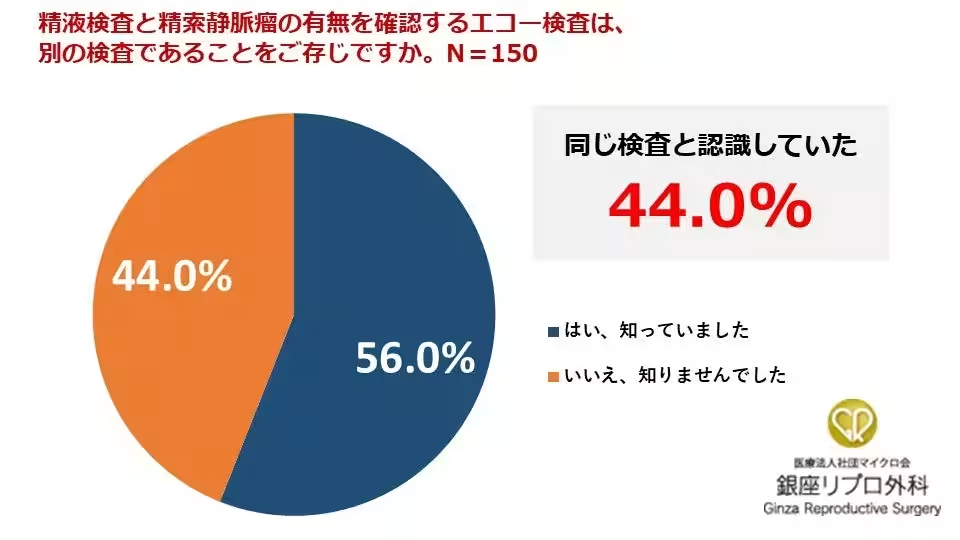
The survey revealed that an astonishing 86.0% of respondents recognized that male factors contribute significantly to infertility. Furthermore, 60.7% indicated that they had undergone semen analysis, a crucial step in identifying male infertility issues. Despite this awareness, knowledge gaps exist concerning specific conditions associated with male infertility, such as varicocele. While 50.0% were informed about varicocele, a concerning 44.0% believed that semen analysis and the ultrasound examination for varicocele were the same tests.
The Male Perspective on Infertility
This study illustrates a growing interest among men in understanding their role in infertility. Approximately 86.0% of the men surveyed acknowledged that half of infertility cases are attributed to male factors, reflecting a shift in perspective. Traditionally, infertility has been perceived as predominantly a female issue, with much of the treatment and attention focused on women. However, these findings suggest that men are increasingly taking responsibility and acknowledging their role in fertility challenges.
The survey's results indicate that 60.7% of men have sought semen analysis, which is a promising sign that they are engaging in proactive health-seeking behaviors. An earlier survey conducted in February 2026 among working women revealed that 54.0% of their partners also undertook semen analysis. This parallel indicates a shift towards shared responsibilities in the journey towards conception.
Varicocele: Awareness and Misconceptions
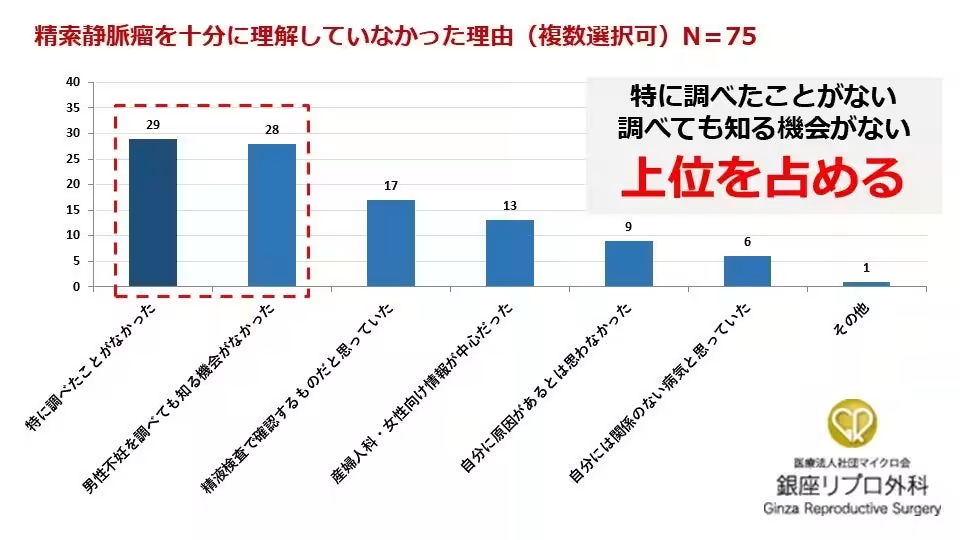
Regarding varicocele, a significant cause of male infertility, 72.0% of participants recognized the name at least, while only 50.0% were confident in their understanding of the condition's implications. Moreover, men who were unaware of the differences between semen analysis and varicocele ultrasound testing represent a gap in education that must be addressed. The key points of misunderstanding stem from the lack of information available to men embarking on the path of fertility investigation.
Desire for Quick and Painless Testing
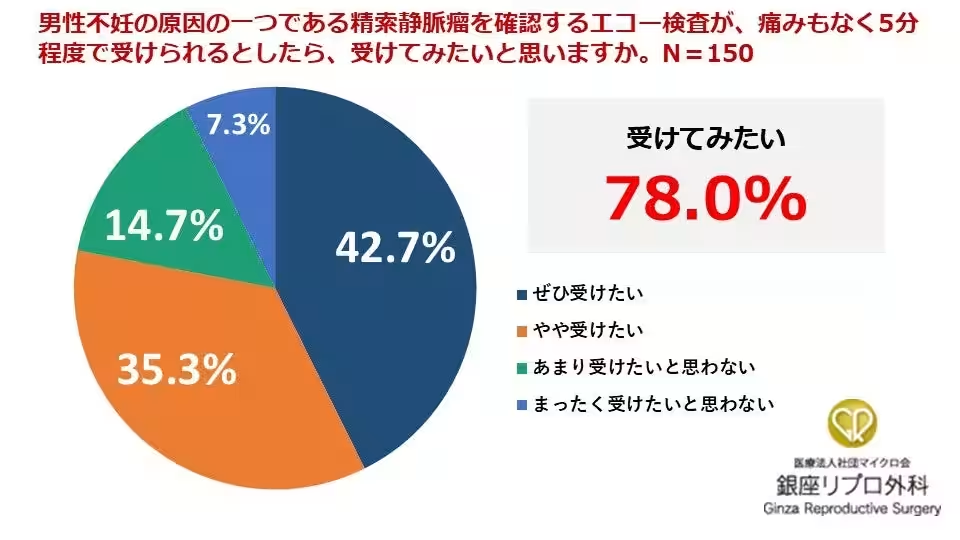
Encouragingly, when participants were asked about their willingness to undergo ultrasound testing for varicocele, which is a quick and painless process, 78.0% expressed an interest in taking a test. This openness suggests that men are receptive to understanding more about their reproductive health and are willing to seek out necessary examinations.
Choosing the Right Medical Facility
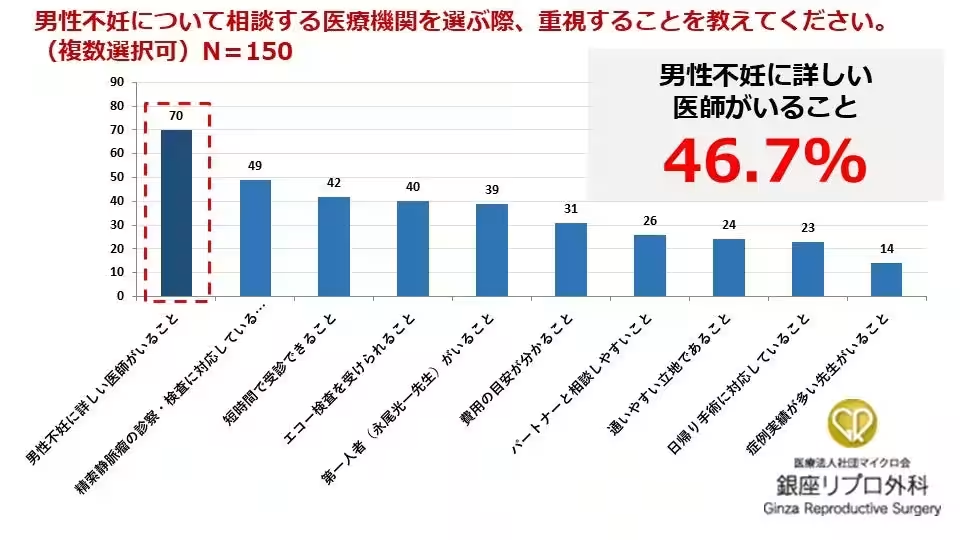
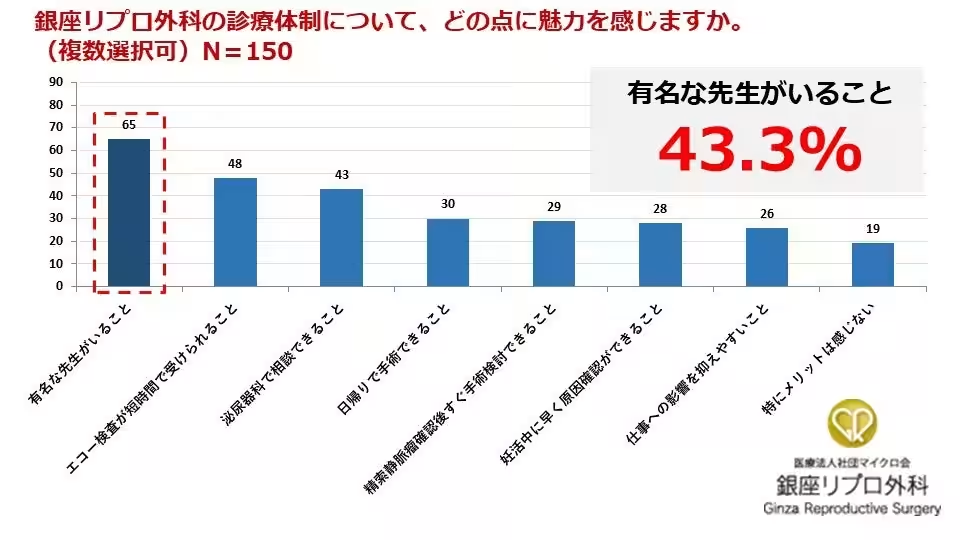
When considering medical facilities for infertility consultation, 46.7% indicated that expertise in male infertility is a top priority. This trend highlights a shift towards seeking healthcare providers who specialize in men’s reproductive health. Ginza Repro Clinic, under Dr. Nagao’s direction, is making strides to provide effective consultations and treatments, focusing on educating patients about male infertility.
Conclusion
As awareness of male infertility grows, it is crucial to continue providing education and support to men facing fertility issues. With many men ready to take action, it is vital for medical professionals to bridge the gaps in knowledge regarding male-specific conditions, such as varicocele and infertility testing. This change could not only alleviate the burden on women but also foster a more collaborative approach towards conception in couples. As Dr. Nagao suggests, both partners must share the load of fertility challenges, ensuring that people understand the importance of seeking information and action on male infertility issues.
By increasing awareness and facilitating knowledge acquisition, we can empower men to take charge of their reproductive health. Continued studies like this will help enhance understanding and support, ultimately leading to a higher chance of successful conception for couples navigating the challenges of infertility.

Topics Health)
【About Using Articles】
You can freely use the title and article content by linking to the page where the article is posted.
※ Images cannot be used.
【About Links】
Links are free to use.