



Global Kitchen's Nutritional Training Empowers Employees with Swallowing Knowledge
Global Kitchen's Nutritional Training Workshop
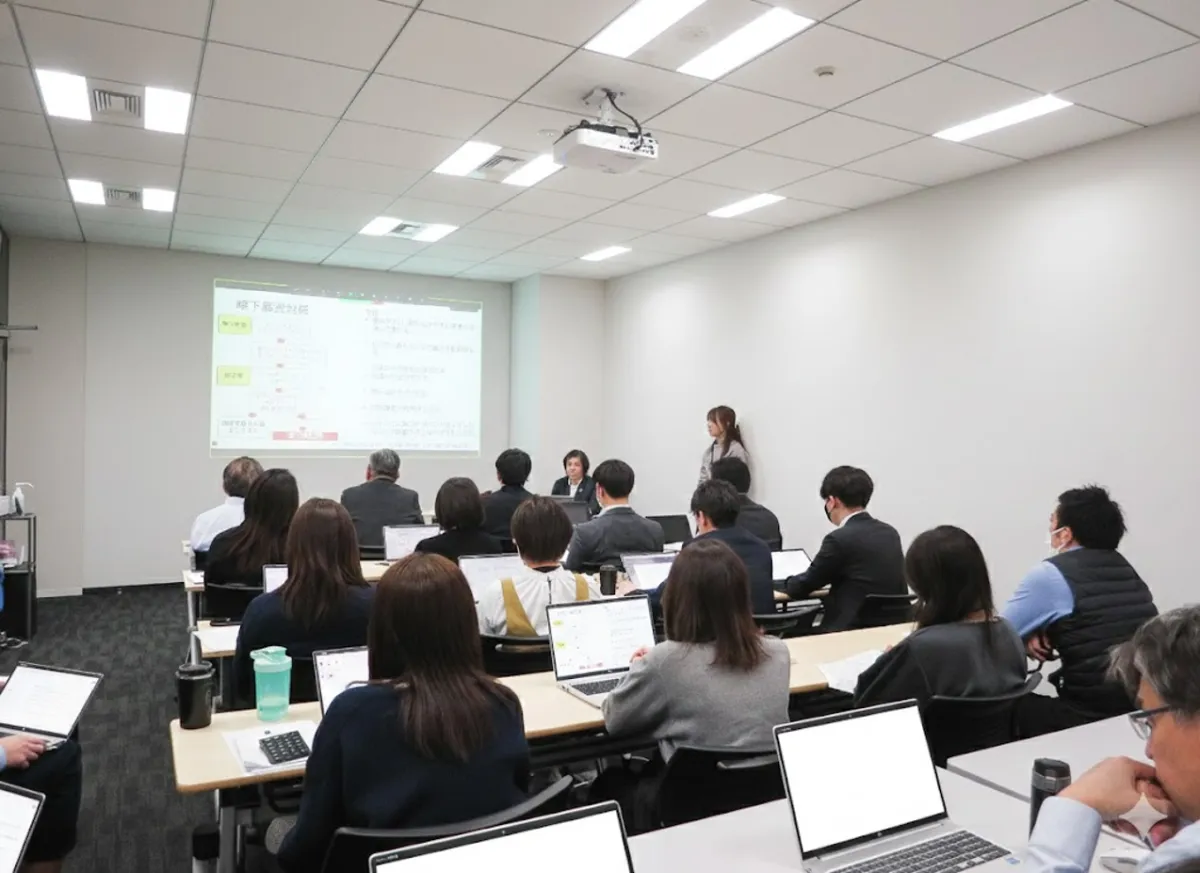
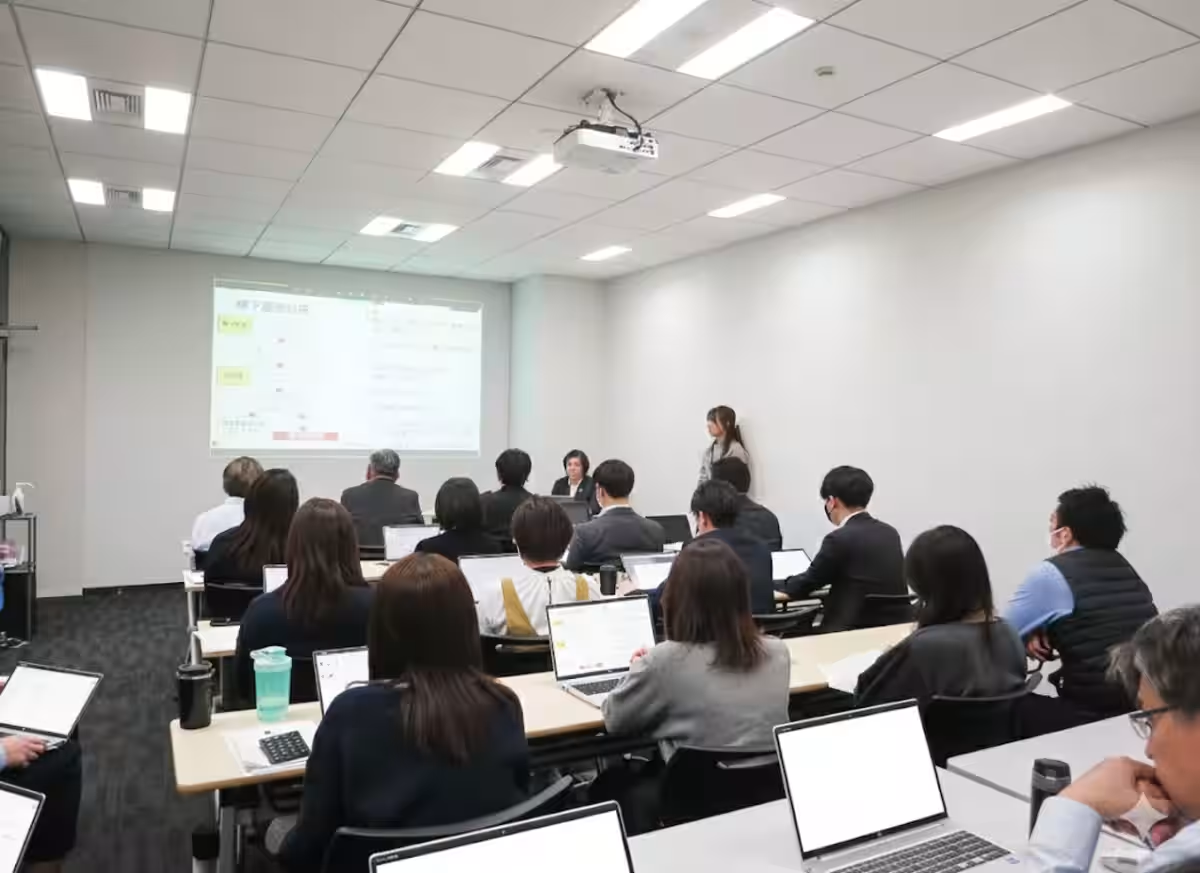
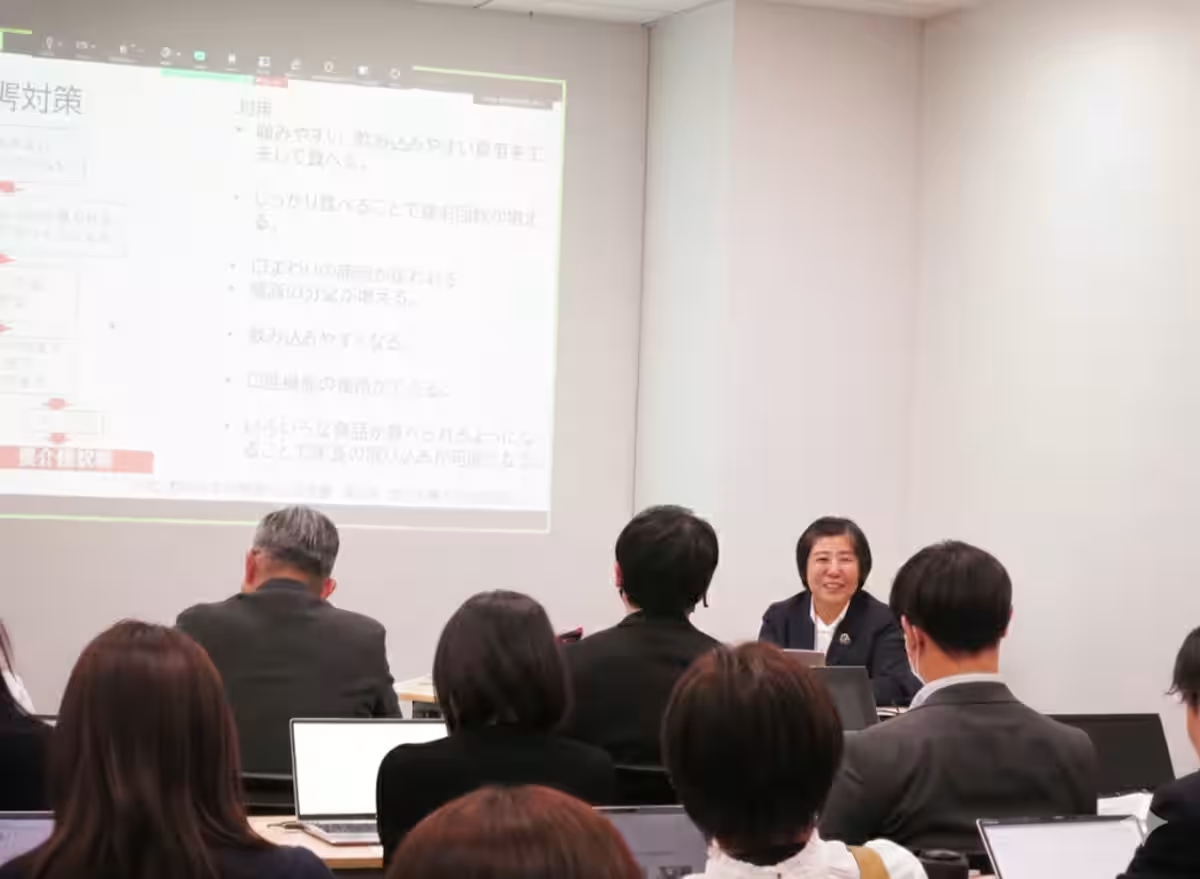
On January 26, 2026, Global Kitchen Inc., based in Minato City, Tokyo, hosted a comprehensive training session titled "Basic Knowledge of Food Texture – Understanding Swallowing and Eating". This initiative, aimed at all employees, sought to deepen their scientific understanding of nutrition and ultimately enhance product development and customer service. Collaborating with Professor Keiko Kamachi from the Women's Nutrition University Nutrition Clinic, the workshop focused on swallowing disorders prevalent in the elderly, especially in today's aging society.
As the number of elderly individuals continues to rise, addressing the challenges associated with decreased swallowing function and the risk of aspiration is becoming increasingly critical—not just in medical and caregiving settings, but also within food provision services. Global Kitchen operates under the principle of delivering safe and enjoyable meals to all, and has developed a cross-departmental approach to disseminate knowledge about physiological understandings of swallowing, food texture choices, and risk assessment. The importance of this knowledge is emphasized for creating safe and accessible meals tailored to the various stages of swallowing disorders.
During the workshop, Professor Kamachi provided valuable insights into the physiological changes in swallowing abilities due to aging and how disorders negatively affect dietary intake, nutritional status, and quality of life. She systematically outlined essential knowledge needed to support elderly individuals, discussing topics like oral dysfunction, sarcopenia, frailty, and signs of swallowing difficulties.
Moreover, the workshop highlighted that aspiration remains a leading health issue among the elderly, with many pneumonia-related deaths resulting from aspiration pneumonia. It stressed the importance of fostering awareness about the subtle yet prevalent risks of aspiration, such as poor posture while eating, hurrying through meals, having conversations with residual food in the mouth, and the habit of lying down immediately after eating, all of which are commonplace in elderly care facilities.
The training also emphasized practical insights that are often overlooked, including how to reassess food textures based on changes in a resident's condition and making adjustments to the dining environment to enhance dining motivation. For those involved in product development, comprehending the physical properties and textures of food in relation to swallowability is essential for designing safer, easier-to-eat products. This knowledge is equally beneficial for sales personnel, improving their proposal and risk management capabilities when interacting with clients.
Feedback from participants highlighted the significance of understanding swallowing issues in product development, with many expressing a renewed appreciation for their responsibility in supporting elderly individuals' mealtime experiences. Comments included sentiments such as “Recognizing the importance of product development from the swallowing perspective” and “Feeling more confident in proposals to facilities” indicates a collective growth in enthusiasm for their roles and responsibilities.
Global Kitchen Inc. is committed to continuing these types of training sessions, aiming to enhance both professional expertise and practical skills among employees. This initiative supports the development of their flagship brand, “Magono Te Kitchen,” focusing on improving existing products and responding to the diverse needs of facilities. They are also preparing to expand their nutritional education initiatives to a broader audience, further enhancing the value of their diverse food support services.
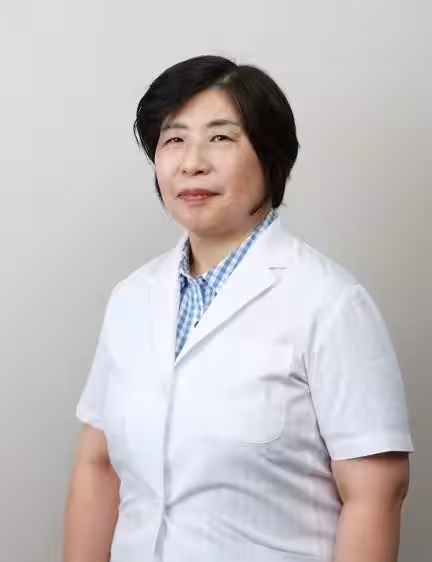
About the Instructor: Professor Keiko Kamachi
Professor Keiko Kamachi serves as a professor at the Women's Nutrition University Nutrition Clinic. She is a registered dietitian and holds a Ph.D. in nutrition. She collaborates as a board member of the Japanese Society for Pathological Nutrition and the Japanese Society for Functional Food Medicine. After earning her degree in nutritional science, she joined the internal medicine department at Tokyo Medical University, where she later earned her Ph.D. in nutrition in 2000. Since April 2003, she has been the head of the Nutrition Clinic at Women's Nutrition University and became a full professor in 2011. Kamachi specializes in managing nutrition counseling for lifestyle-related diseases, as well as providing nutritional consulting for corporations.
About Global Kitchen Inc.
Driven by the mission to deliver safe and delicious meals to everyone, Global Kitchen Inc. provides food products to support elderly care facilities and home-based caregiving. Central to their offerings is the “Magono Te Kitchen” brand, which supplies pre-cooked frozen ingredients nationwide, establishing a service that alleviates burdens in caregiving while enhancing the quality of meals served. As Japan faces challenges related to its aging population, such as labor shortages and the complexity of nutritional management, Global Kitchen aims to deliver tasty and nutritionally balanced meals curated by registered dietitians nationwide, thus supporting the balance between enhancing care quality and operational efficiency in various facilities.
Topics Health)
【About Using Articles】
You can freely use the title and article content by linking to the page where the article is posted.
※ Images cannot be used.
【About Links】
Links are free to use.