




New Diagnostic Tool for Enhancing Decision-Making in Organizations
Enhancing Decision-Making in Organizations
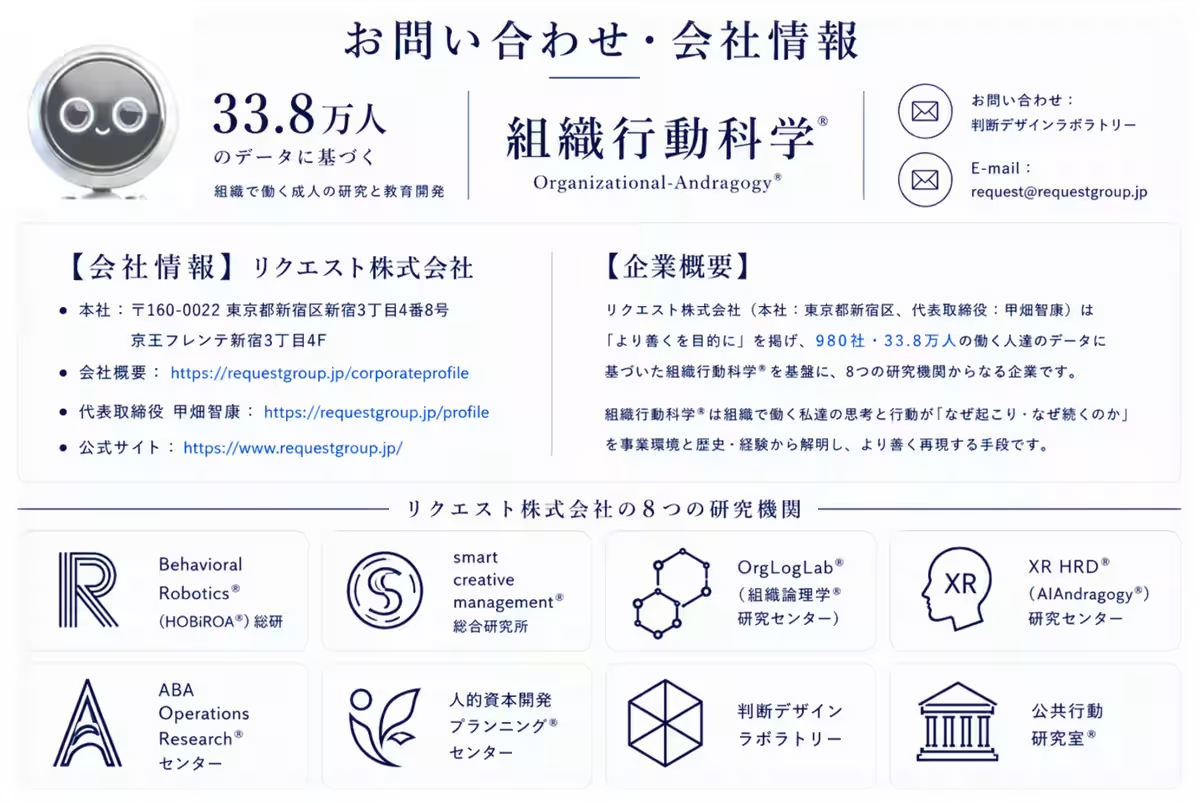
In today's fast-paced work environment, making decisions isn't always straightforward. To address this, Request Corporation based in Shinjuku, Tokyo, has launched a free diagnostic tool that helps organizations evaluate the conditions that support effective decision-making. By analyzing data from over 980 companies and 338,000 employees, this tool offers valuable insights into the current state of decision-making within teams.
The Need for Clear Decision-Making Criteria
When tasks lack a concrete right answer, relying solely on established practices can hinder progress. Employees often face situations where they must navigate unique circumstances and prioritize different factors. Thus, understanding how to extract critical insights from varying customer responses and project conditions is vital.
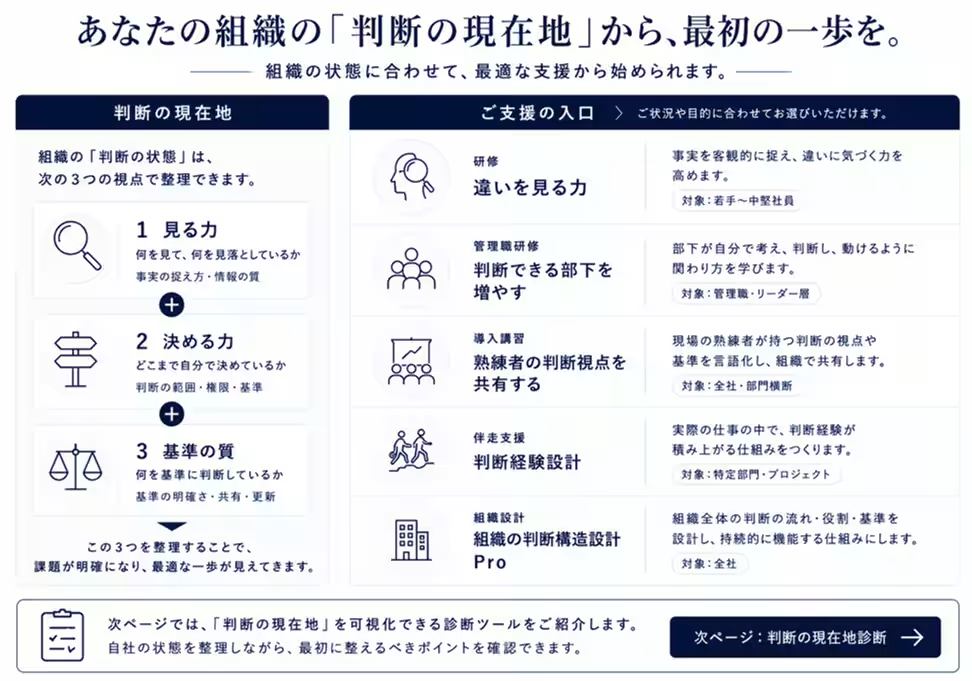
Without sufficient cues for decision-making, organizations may experience increased reliance on supervisors or confusion among staff regarding which path to take. This new diagnostic tool doesn't attribute the challenges to individual capabilities alone; it examines the key conditions necessary for effective decision-making in the workplace from three perspectives: "perception skills," "decision-making ability," and "the quality of criteria."
The Cycle of Effective Decision-Making
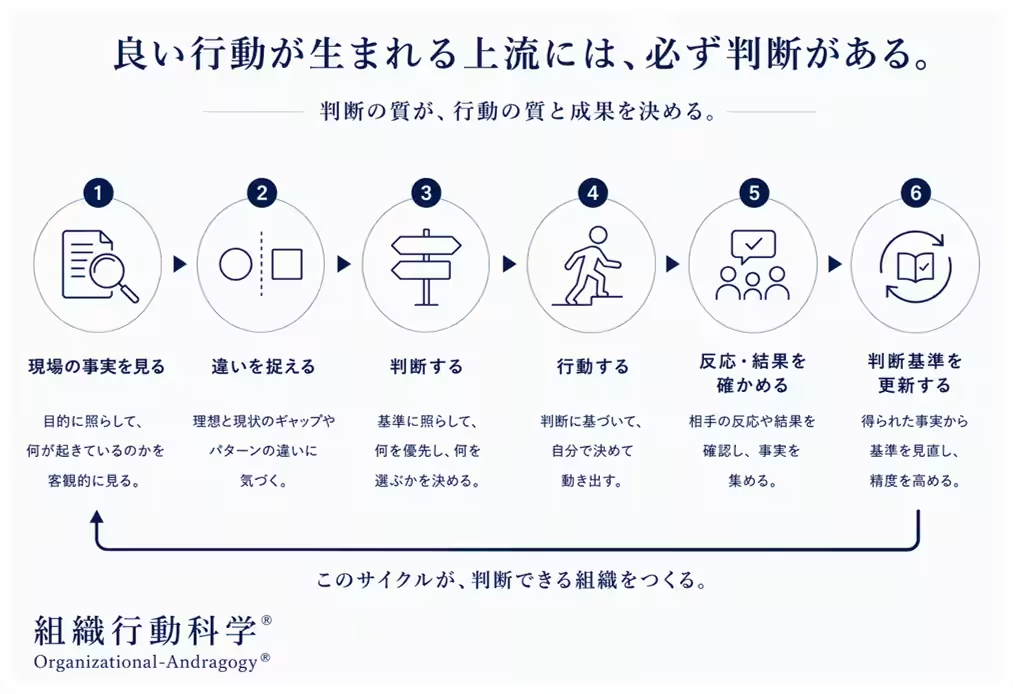
Organizations often focus on employee behavior, noting issues such as delayed responses or insufficient reporting. However, if basic decision-making processes do not change, the same issues will resurface again and again. To foster progress in areas where answers are not singular, organizational practices must undergo a systematic improvement process:
1. Observing real-world facts: Employees need to accurately capture what is happening on the ground.
2. Identifying differences from past examples: A clear understanding of how current situations diverge from historical precedents can influence decisions.
3. Prioritizing based on judgment criteria: This involves deciding what factors are most important based on established criteria.
4. Acting on informed judgments: Confidence in decisions leads to taking initiative and promotes active participation in problem-solving.
5. Evaluating reactions and outcomes: Post-action assessment is crucial for refining future judgments.
6. Adjusting criteria based on new insights: Lessons learned should be fed back into the decision-making process to continuously improve the quality of judgments.
Establishing a cycle where updated criteria are consistently applied makes it possible to build upon each success rather than relying solely on individual experiences.
The Three Essential Cues for Decision-Making
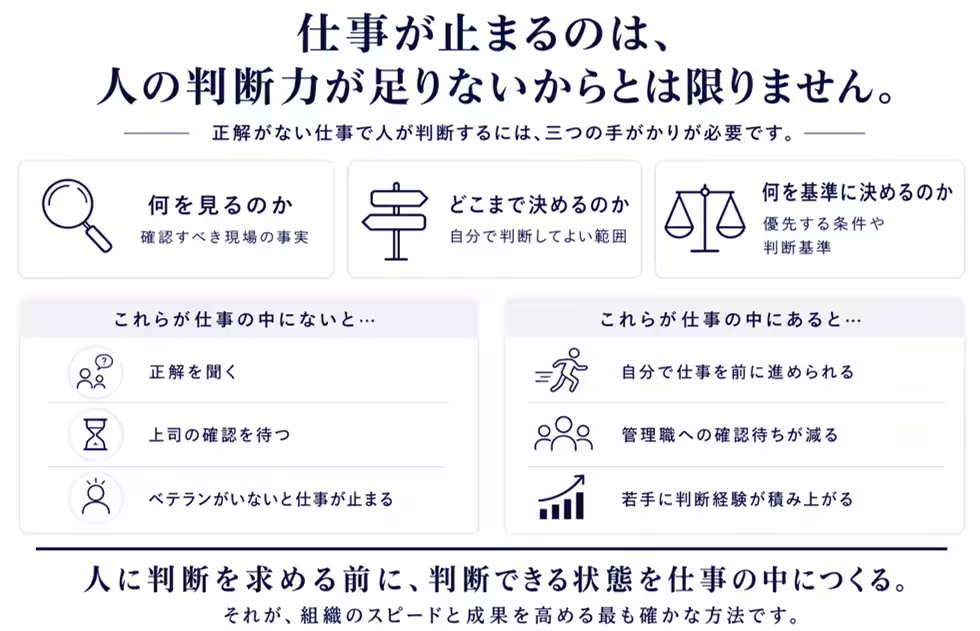
Before expecting employees to make sound judgments, organizations should ensure that three essential cues are integrated into their work processes:
1. What to Observe: Clearly outline which facts need to be confirmed in the moment, such as customer responses and case conditions.
2. Decision Authority: Specify how far into the decision-making process an employee can go independently and when escalations should occur.
3. Criteria for Decision-Making: When faced with multiple choices, it must be clear which aspects (like quality, customer value, timelines, safety) will take precedence in evaluations.
When those criteria are absent, employees may default to seeking guidance, stalling decision-making. However, having these foundational cues in place empowers employees to move tasks forward independently, reducing the need for management oversight and bolstering the decision-making experience for junior and mid-level staff.
Assessing Organizational Decision-Making Through Six Questions
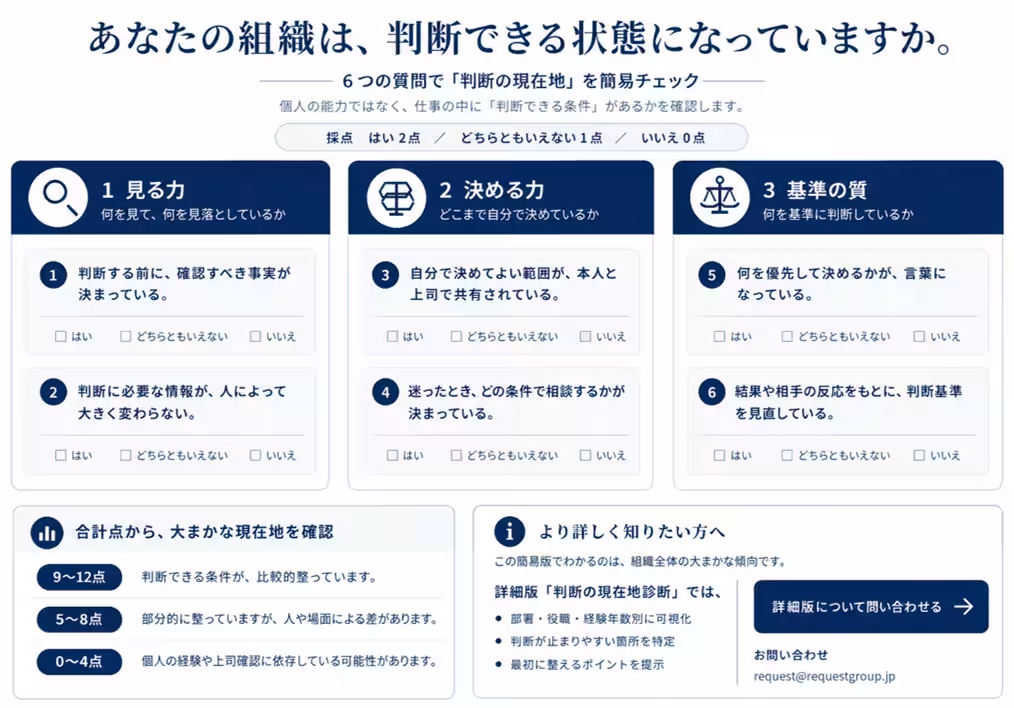
The newly available diagnostic tool aims to identify the decision-making landscape of a particular department or team. Users will be asked to answer six questions while reflecting on their current roles, with responses categorized into "yes," "maybe," and "no."
Through this assessment, not only can individuals receive their cumulative score, but they will also gain insights into specific areas needing improvement across the three perspectives: perception skills, decision-making ability, and the quality of criteria. For instance, if the perception skills score is low, the company may need to focus on defining which facts should be verified in the workplace before jumping into training.
Customizing the Approach Based on Organizational Needs
Recognizing that each organization begins its journey from different starting points is crucial. Whether decision-making struggles arise from individual uncertainties or an overload on management, tailored actions are necessary.
More Comprehensive Evaluation Available
While the free diagnostic offers a high-level overview of decision-making tendencies, organizations seeking deeper insights can explore a detailed version. This expanded diagnostic helps break down results by team, role, and experience level, identifying specific situations and tasks where decision-making tends to falter.
Conclusion: Encouraging Proactive Decision-Making
Ultimately, in situations where there is no single correct answer, it's essential to adapt and make informed judgments based on current realities. By establishing clear observational, decisional, and evaluative frameworks, organizations can empower their workforce to progress better, thereby turning decision-making challenges into opportunities for growth.
For more inquiries, companies interested in exploring the comprehensive evaluation can contact Request Corporation at [email protected].


Topics Business Technology)
【About Using Articles】
You can freely use the title and article content by linking to the page where the article is posted.
※ Images cannot be used.
【About Links】
Links are free to use.