



The Rise of AI Teachers: Students' Perspectives on Hybrid Learning Environments
Exploring the Future of AI in Education: Insights from a New Survey
Recently, Tech Stadium, operated by LYUS Co., Ltd. in Minato Ward, Tokyo, conducted a survey examining the acceptance and expectations surrounding AI as a teacher, particularly among students and professionals interested in creative skills including game design, computer graphics, and film. The study aims to uncover how learners perceive the potential benefits and drawbacks of integrating AI into their education.
Understanding the Learning Environment Challenges
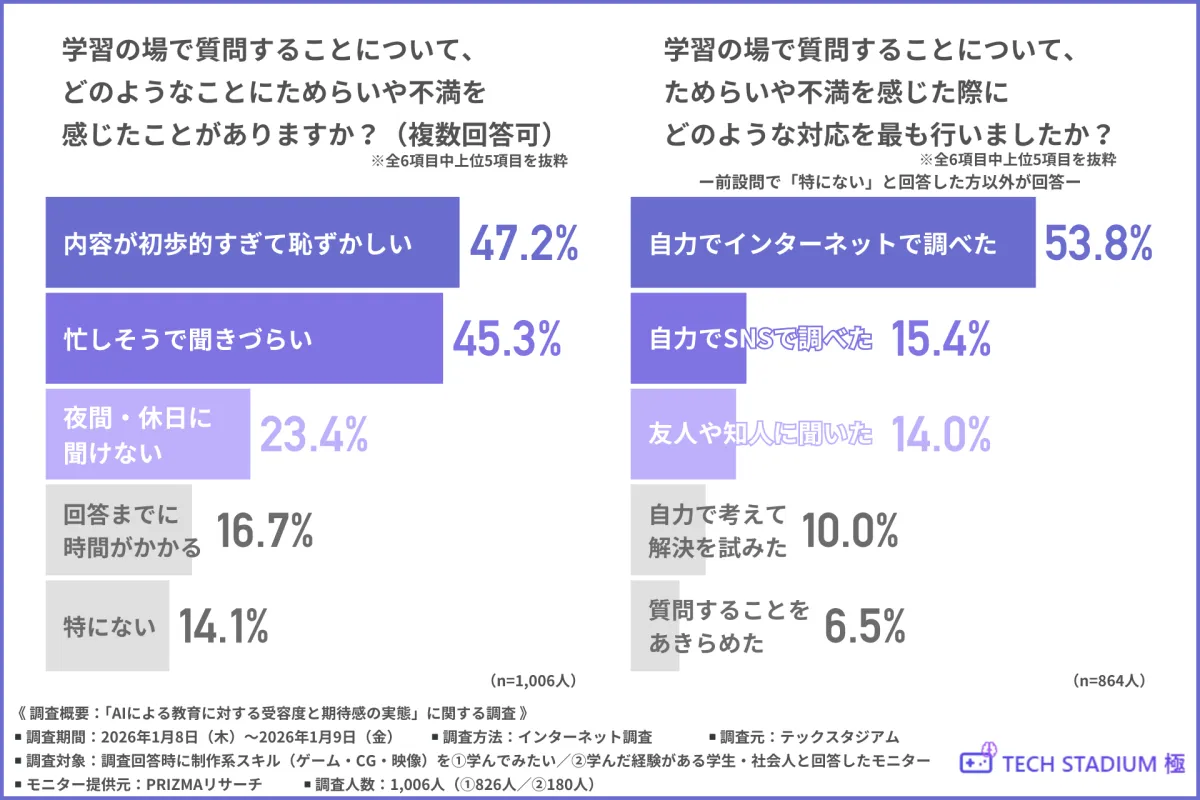
In traditional learning environments, many students often grapple with unasked questions, feeling hesitant to seek help due to fears of embarrassment over seemingly 'simple' inquiries. This psychological barrier can lead to decreased learning efficiency, as students may avoid asking questions that could clarify their confusions. The survey reveals that nearly 47% of respondents feel embarrassed by the simplicity of their queries, while 45% are concerned about appearing too busy to approach instructors.
In an era where AI is emerging as a potential solution, educational stakeholders are exploring its viability in easing these pressures. Students express hope that AI will always be available for questions, yet many also worry about potential downsides, such as a decline in critical thinking or the risk of being misled.
The Current State of Student Support
The survey further delved into how learners deal with difficulties in their studies. About 54% of participants admitted to relying on internet searches for answers when unable to ask questions directly. This reliance suggests that many learners prefer self-directed solutions over reaching out for support. Conversely, a concerning 10% reported giving up on their questions entirely, a statistic that underscores an urgent need for reliable support mechanisms in the educational landscape.
Expectations Versus Concerns Regarding AI Teachers
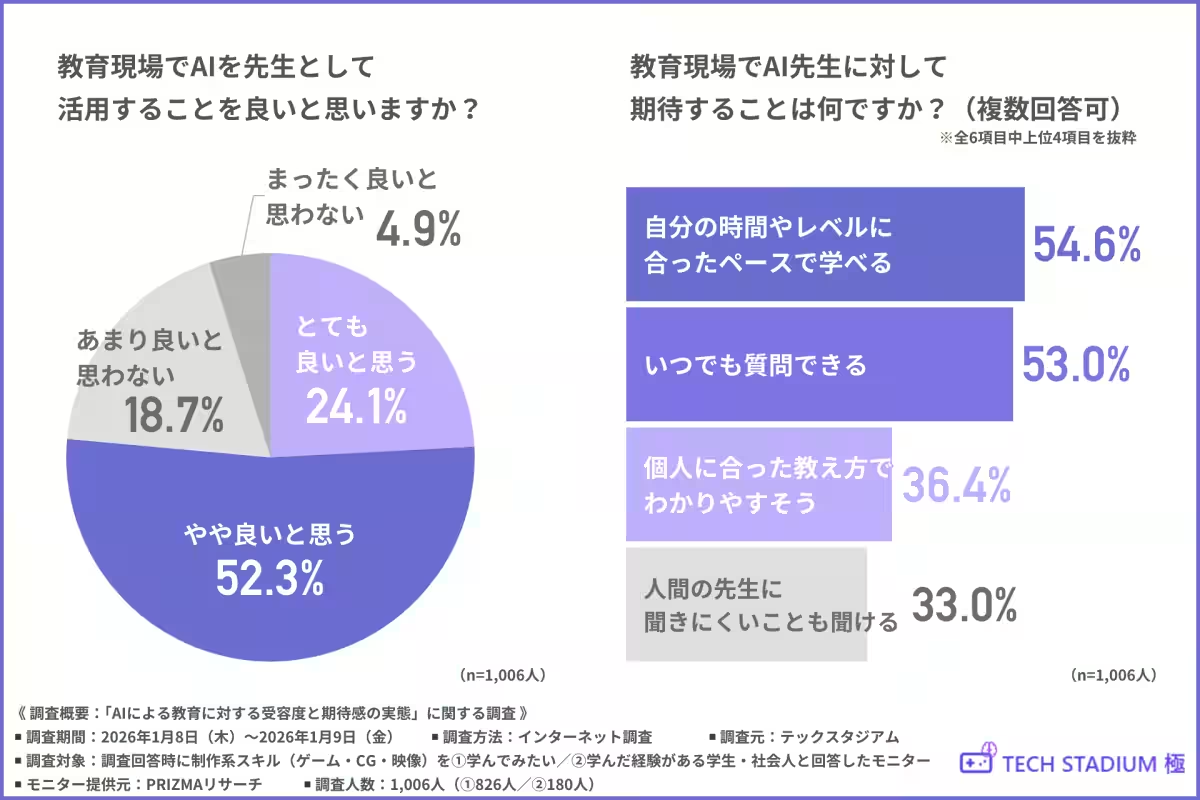
When asked about AI’s role in education, nearly 76% responded favorably, viewing the integration of AI in teaching as beneficial. The survey highlighted key expectations from AI teachers, such as the ability to customize learning paces to individual schedules (54.6%) and an always-available platform for inquiries (53.0%). These findings indicate that traditional educational constraints surrounding time and group dynamics are significant stressors for learners.
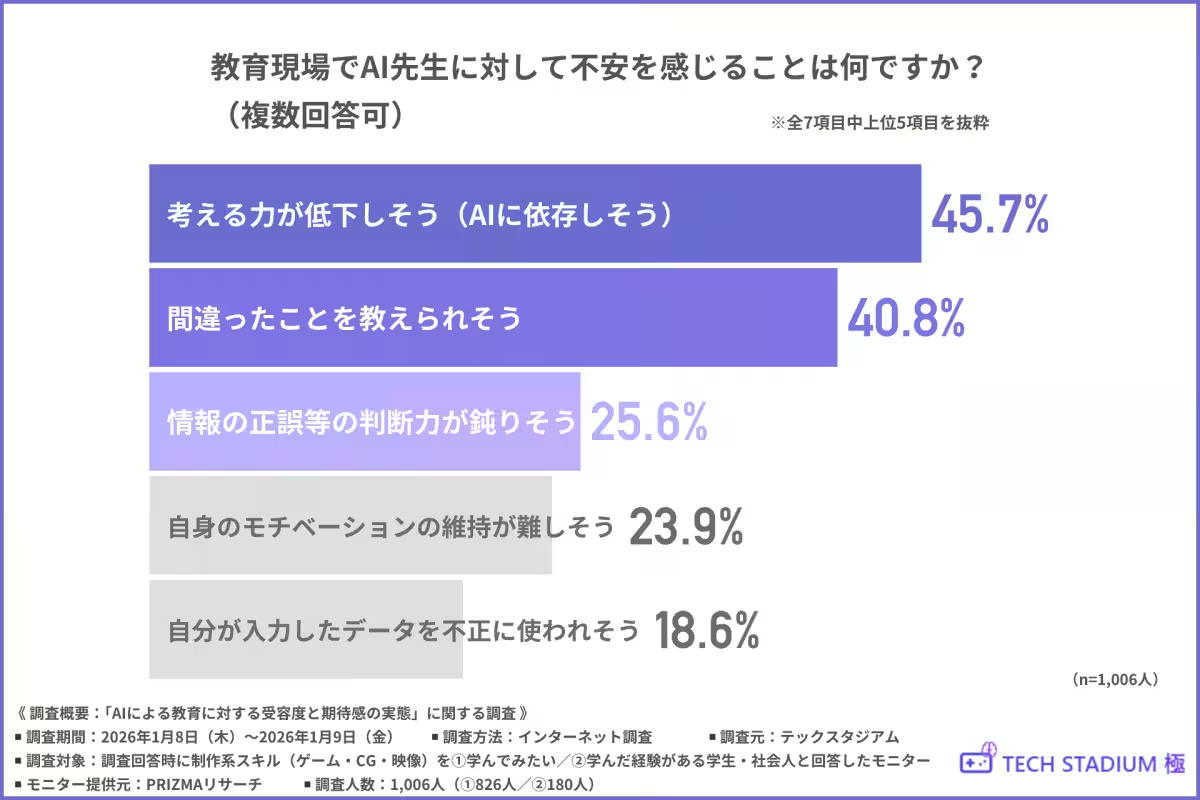
However, the benefits of AI coexist with apprehensions. Approximately 45.7% of respondents worry that utilizing AI might lower their ability to think critically, as they may become overly reliant on technology for answers. Additionally, fears about misinformation from AI, which can lead to misguided learning, raises important questions about the boundaries of AI in education.
AI's Role in Creative Skills Learning
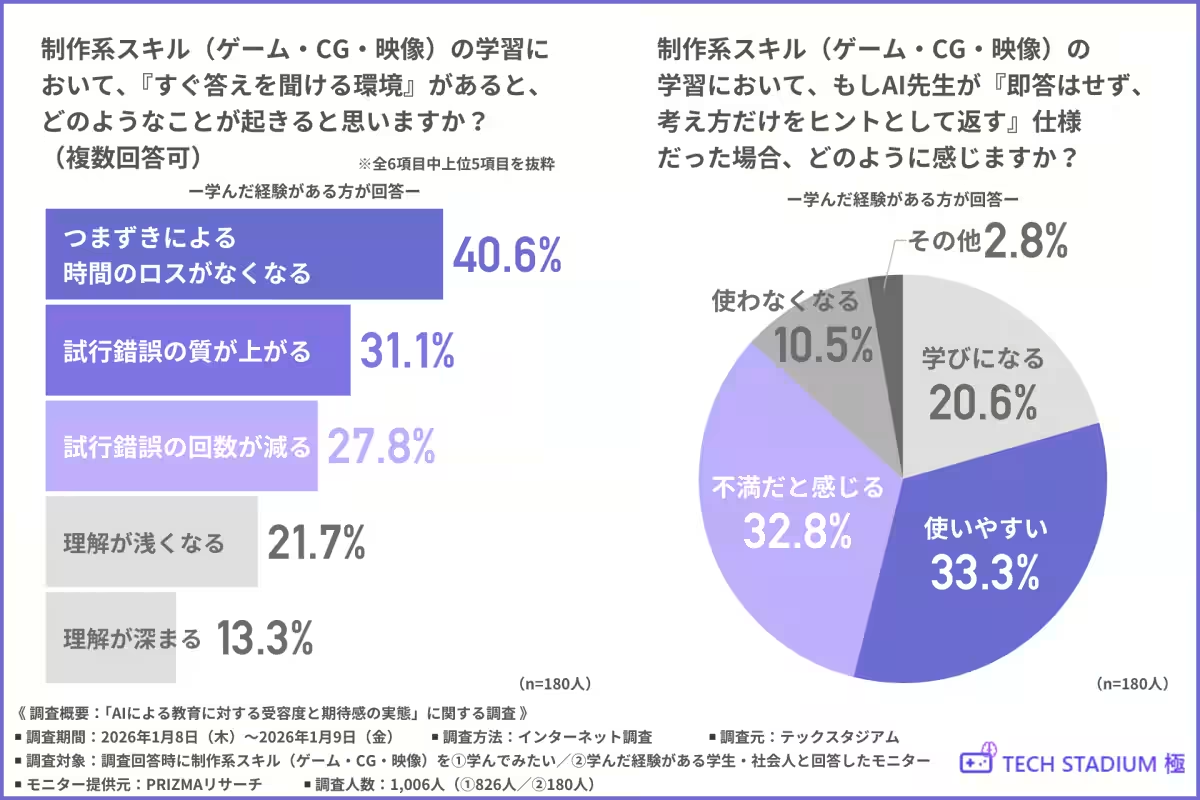
In the realm of creative skill education, where answers aren't always singular, the survey sought to understand how AI could impact learning experiences. Respondents indicated that having immediate access to answers could reduce time lost from obstacles (40.6%) and improve the quality of trial and error in their creative processes (31.1%). Yet, opinions were divided when asked about AI’s functionality: Nearly the same number found immediate answers useful as those who felt dissatisfied with a non-direct approach, showcasing a polarized perspective on the type of assistance AI should provide.
Revolutionary Learning Methods: Online Schools and AI
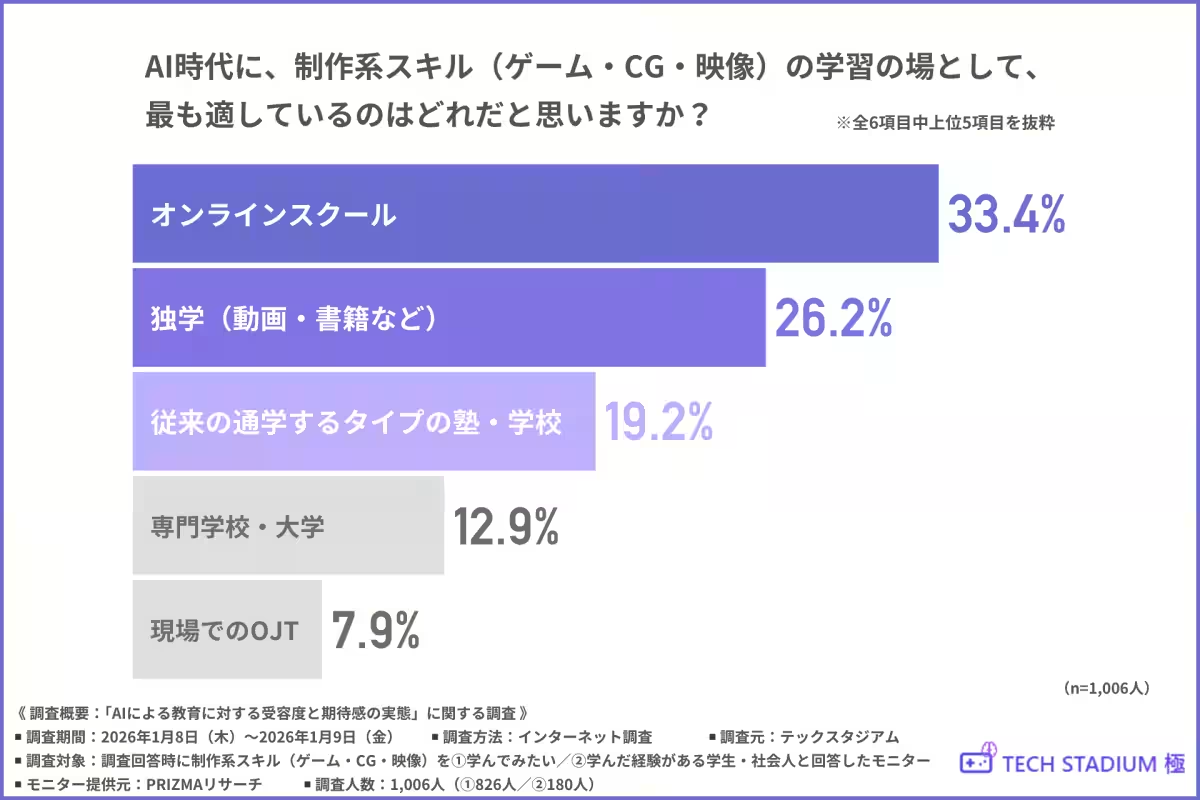
Participants expressed a growing preference for online learning platforms, driven by convenience and the ability to access both AI and human support. Approximately 33.4% favored online schools, reflecting a shift toward flexible, time-independent education models that allow learners to engage with materials at their convenience. The rise of platforms like Tech Stadium highlights a transformative method in education, merging advanced technology with foundational teachings to equip students with essential skills more efficiently.
The Ideal Teacher: AI, Human, or a Hybrid?
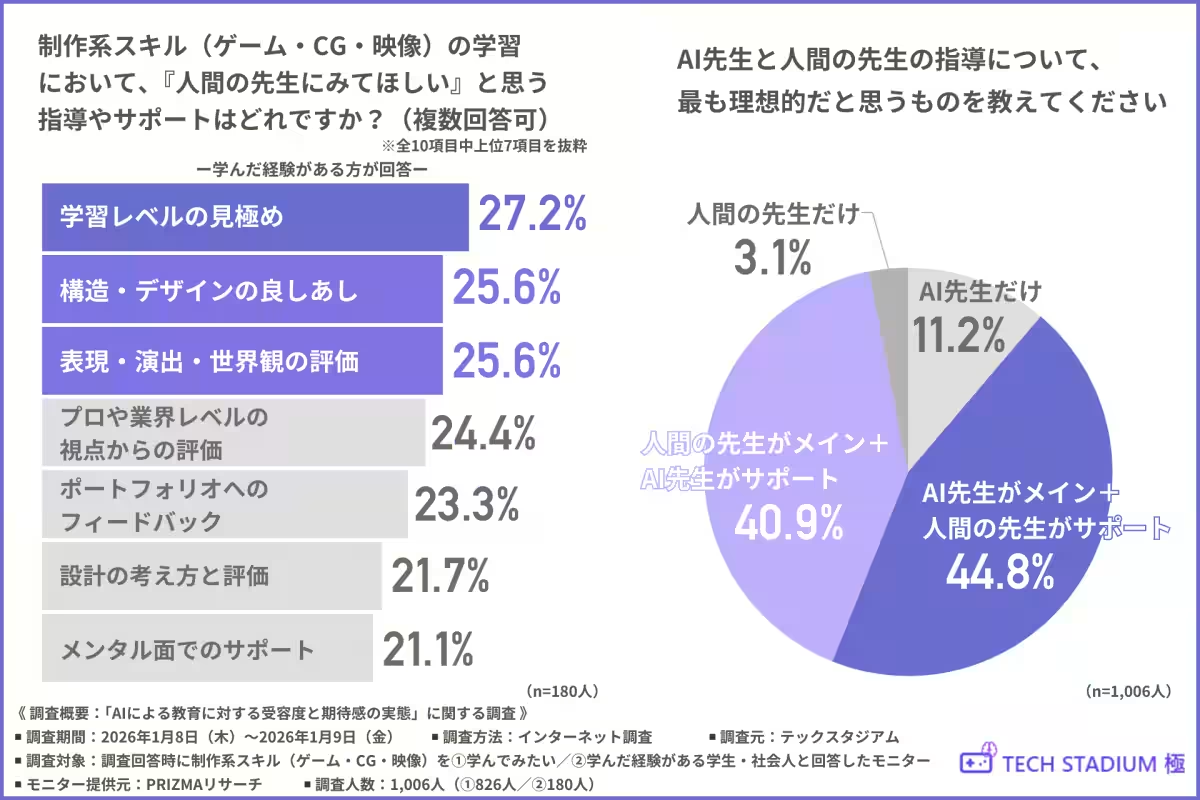
When it comes to the preferred method of instruction, the survey demonstrated a clear trend towards hybrid teaching models, with nearly 90% of participants favoring a combination of AI assistance and human oversight. This reveals a collective understanding that while AI can offer immediate answers and support, human teachers are essential for providing nuanced feedback and a more profound evaluation of creative work, particularly in areas like design and expression, where subjective interpretation is invaluable.
Conclusion: Embracing AI for a New Learning Paradigm
The survey conducted by Tech Stadium sheds light on the potential of AI in educational environments, especially in creative fields. While many students express valuable expectations from AI teachers, concerns linger regarding the implications of this learning style on critical thinking and creativity. Ultimately, the promising data underscores the necessity of a balanced approach that harmonizes AI’s efficiency with the humanistic qualities of mentorship and creativity. As we advance, the emphasis on a collaborative learning model that embraces both AI and human instruction may very well define future educational standards in creative skills learning.
For those interested in exploring AI-assisted education, Tech Stadium offers the 'TECH STADIUM 極' program, which combines advanced AI tools with personalized human support to help learners elevate their skills in game development and other creative areas.
Learn More

Topics Other)
【About Using Articles】
You can freely use the title and article content by linking to the page where the article is posted.
※ Images cannot be used.
【About Links】
Links are free to use.