



AI Technology Revolutionizes Early Detection of Depression Risks Through Facial Expressions
Uncovering Depression Through Facial Expressions
Recent studies have shown that young individuals displaying depressive tendencies often exhibit noticeable changes in their facial expressions. In a groundbreaking research led by Associate Professor Eriko Sugimori and her team at Waseda University's Graduate School of Human Sciences, this connection was further explored, demonstrating that early identification of depression risks might be feasible using AI technology.
Key Findings
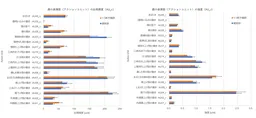
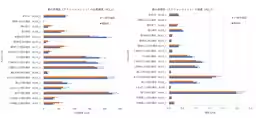
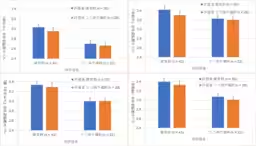
The research highlights that certain facial expressions—often seen as "rich," "natural," and "approachable"—are less prevalent among individuals who show signs of depression. By analyzing self-introduction videos from 64 Japanese university students, the team utilized OpenFace 2.0, an AI expression analysis tool, which allowed them to observe and quantify specific changes in facial muscle movements related to emotional state.
Methodology
In their study, participants were categorized into two groups based on the Beck Depression Inventory-II (BDI-II): a control group with lower scores (BDI-II=1–10) and a subthreshold depression group (BDI-II=11–20). Evaluators assessed the videos, and AI tools analyzed the frequency and strength of facial muscle actions, known as Action Units (AUs). Notably, greater levels of depression correlated with more pronounced activity in muscle regions associated with the brow and mouth.
Historical Context
Traditionally, it was understood that individuals with diagnosed depression display a decrease in positive expressions, such as smiles, alongside a lack of overall expressiveness. This defensive behavior aims to prevent social rejection. However, the changes in non-clinically diagnosed subthreshold depression patients had not been deeply researched until now.
Implications for Mental Health
The potential of this research extends beyond academic circles, as it paves the way for actionable mental health support in everyday environments such as schools and workplaces. By integrating simple self-shot videos with AI technology, mental states could be monitored non-invasively, allowing for timely interventions.
Future Directions
While the current findings are promising, they primarily focus on Japanese university students. Expanding the research to include diverse cultures and age groups is essential for broader applicability. Additionally, the reliance on self-reported measures for depression highlights the need for clinical evaluations to enhance diagnostic accuracy.
Closing Thoughts
Professor Sugimori expressed hope that these findings could serve as a critical tool for early detection and assistance for those at risk of depression, emphasizing the phrase, "Subtle changes in expression could reflect important aspects of our mental state."
Research Publication
This research is set to be published in Scientific Reports on August 22, 2025. The detailed findings provide significant insight into the relationship between emotional expression and mental health, making it an important milestone in the field of psychology and AI integration.
Acknowledgments
Funding for the project was provided by the Jacob and Malka Goldfarb Charitable Foundation, under the research theme of employing AI in the early detection of mental health risks.
For further details, the published work can be accessed here.
Topics Health)
【About Using Articles】
You can freely use the title and article content by linking to the page where the article is posted.
※ Images cannot be used.
【About Links】
Links are free to use.