




The Decline of Handwriting Skills in the Digital Age: A Survey Insight
The Decline of Handwriting Skills in the Digital Age: A Survey Insight
In a rapidly digitizing world, the act of handwriting is becoming increasingly rare, especially among younger generations. A recent survey conducted by Cross Marketing, which involved participants aged 20 to 69 from across Japan, illustrates a significant shift in attitudes towards handwriting as more people report a decline in their handwriting abilities and proficiency in recalling kanji characters.
Handwriting Habits in Modern Life
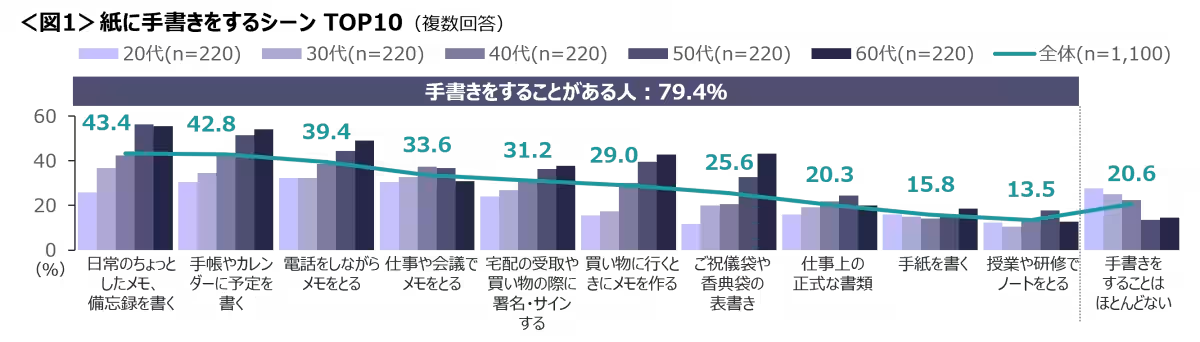
According to the survey results, approximately 79.4% of respondents still engage in handwriting activities, but the contexts in which they do so have significantly shifted. Many individuals in their 20s to 40s report that they rarely write by hand, while those in the 50s to 60s age group tend to maintain more traditional practices such as writing memos and scheduling appointments in planners. Notably, activities that require handwriting—like jotting down quick notes—are less common in younger age groups, indicating a departure from conventional record-keeping methods as digital notes and reminders gain prominence.
Decreasing Opportunities to Write by Hand
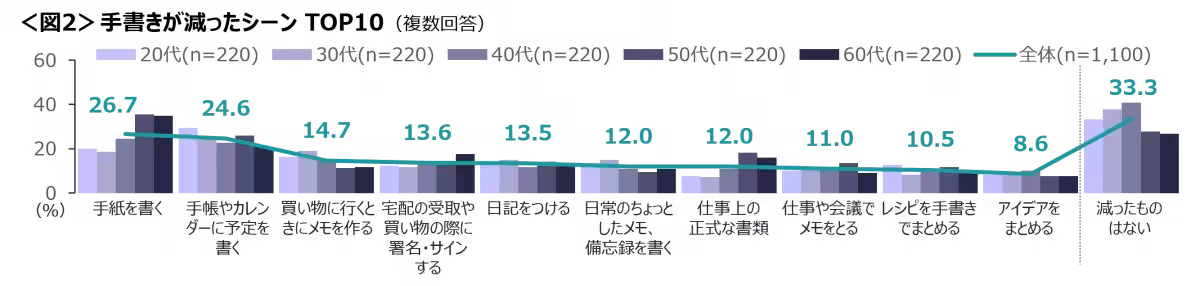
The survey further explores various scenarios where handwriting has decreased. Among these, writing letters and jotting down plans in calendars showed a marked decline, particularly among those aged 50 and above. The rise of instantaneous communication methods through smartphones and email has rendered traditional letter writing almost obsolete, leaving many feeling disconnected from the tactile experience of handwriting.
Concerns About Handwriting
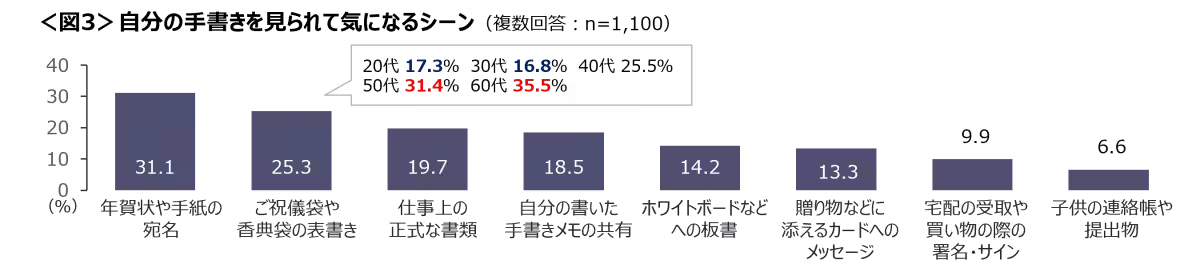
Interestingly, when asked about scenarios that cause anxiety regarding their handwriting skills, respondents pointed to specific contexts such as addressing envelopes for New Year’s cards and writing on envelopes for gifts or condolences. Stress around these situations tends to grow with age, with many feeling pressure to present well-crafted notes, reinforcing an awareness of the state of their handwriting. This concern is particularly significant in cultural contexts where handwritten communication holds a degree of importance, such as during special occasions.
Struggles with Kanji
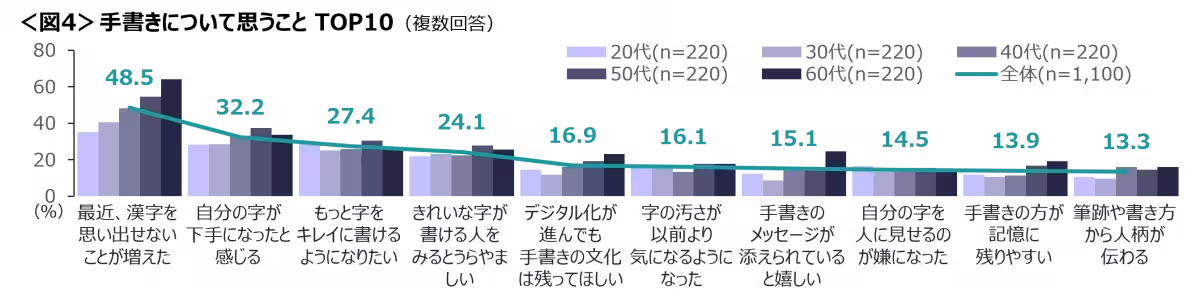
Perhaps the most concerning revelation from the survey is the growing number of participants—48.5%—who indicate they struggle to remember kanji characters. This issue transcends age demographics, with 35% of younger respondents in their 20s and a staggering 64.1% of those in their 60s admitting difficulty in recalling these characters. This pattern highlights a pervasive issue arising from our increasing reliance on digital communication tools, where the need to memorize and write kanji characters has diminished.
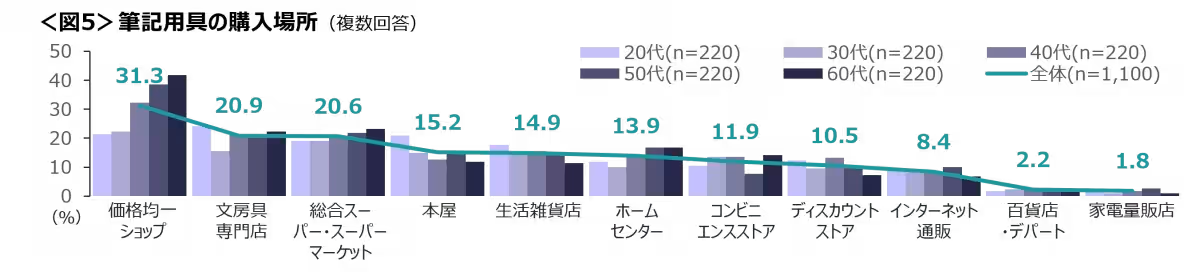
Where People Purchase Writing Tools
In terms of where people are buying their writing utensils, price-comparison shops, stationery stores, and supermarkets emerged as the top three places for procuring pens and notebooks. Interestingly, the purchasing patterns differ by age group; younger individuals are more inclined to visit bookstores for their writing supplies, while older generations often resort to budget-friendly shops.
Conclusion
The findings of this survey from Cross Marketing paint a vivid picture of the challenges associated with handwriting in our modern digital society. As we become more reliant on technology, the traditional skills of handwriting and kanji retention are at risk of fading away. This raises questions about future generations’ connection to written communication and the nuances of personal expression that handwritten notes once conveyed. It is essential that we take proactive steps to encourage handwriting practices, ensuring they remain relevant in our increasingly digital lives.
For more detailed insights and specific statistical representations, you can refer to the official survey report here.

Topics People & Culture)
【About Using Articles】
You can freely use the title and article content by linking to the page where the article is posted.
※ Images cannot be used.
【About Links】
Links are free to use.