



Senior IT Engineers Report Age Discrimination in Hiring Practices Amid Changing Workforce Dynamics
Insights on Age Discrimination Among Senior IT Engineers
A recent study conducted by Morro Co., based in Minato, Tokyo, has shed light on age discrimination in the IT sector, particularly affecting IT engineers aged 40 to 60. The survey, which engaged 600 senior engineers, indicates that a significant 64% feel that age-related discrimination exists during hiring and project selection processes.
Survey Insights
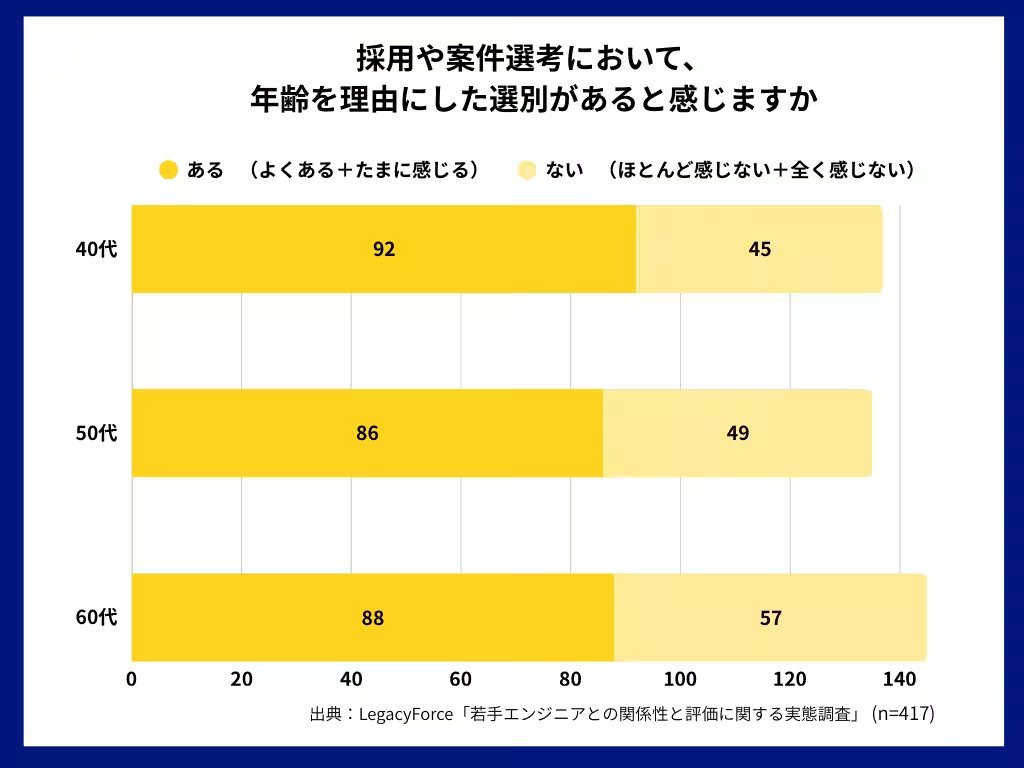
Interestingly, among the 417 respondents involved in hiring or selection processes, 266 (or about 64%) stated that they have encountered age-related discrimination, whether frequently or occasionally. This finding suggests that age-related biases are pervasive across various age groups within senior engineers, illustrating an alarming reality where many skilled individuals face obstacles due to their age.
Moreover, only 28 senior engineers reported not feeling age discrimination, highlighting a stark contrast between the skillset of senior engineers and the biases of hiring practices.
A Focus on Merit Over Age
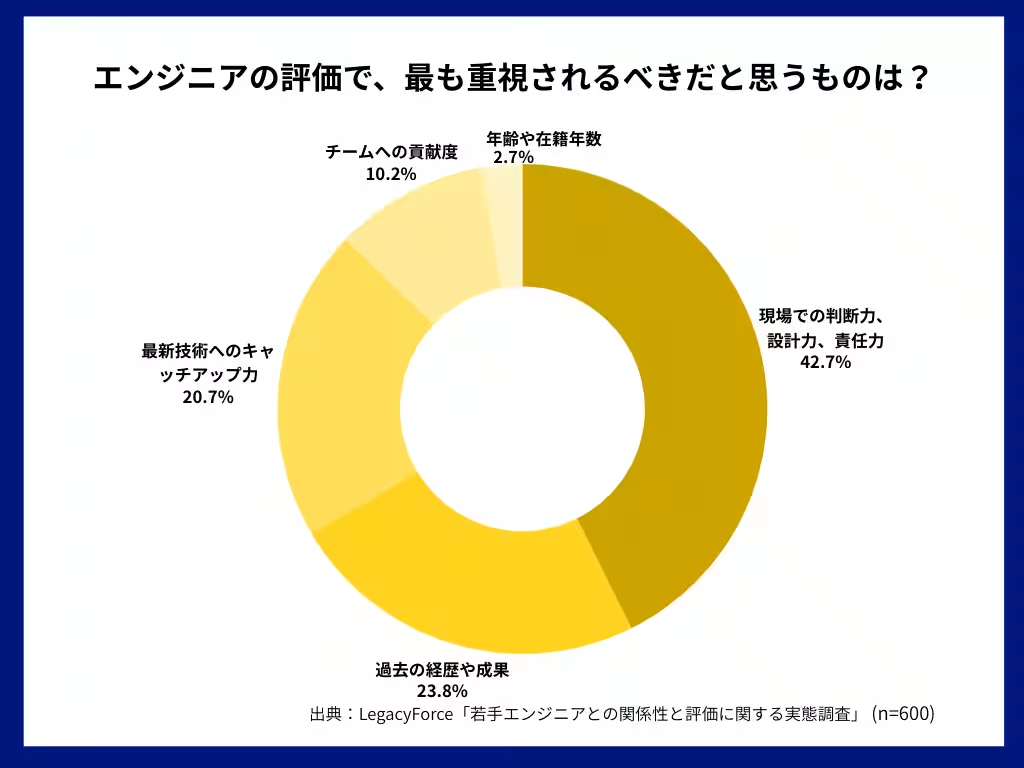
When questioned about the critical factors determining evaluation as an engineer, age and tenure were mentioned by a mere 2.7% of respondents. In contrast, a significant 42.7% emphasized the importance of judgment, design capabilities, and accountability for quality. Additionally, 23.8% of the participants valued prior experience and accomplishments, while 20.7% highlighted the importance of adaptability to new technologies.
This suggests that many senior engineers believe evaluation should stem from present capabilities and outputs rather than age-related criteria.
Positive and Negative Perceptions of Young Engineers
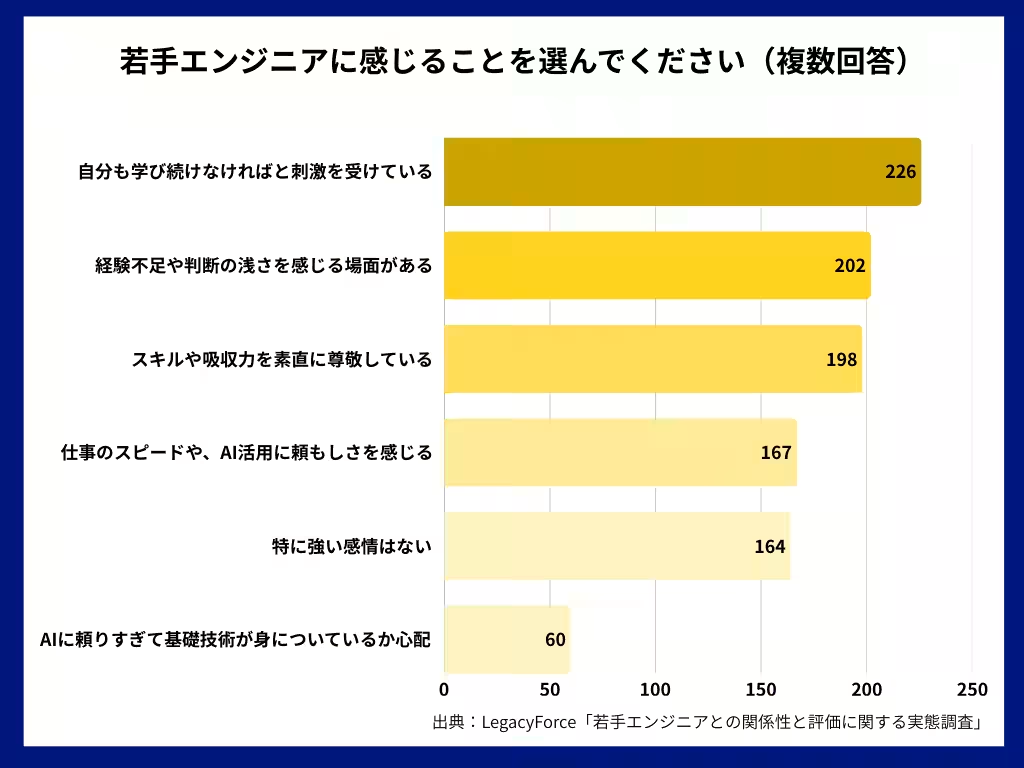
The survey further explored senior engineers’ perspectives towards younger (20 to 30 years old) engineers. A majority expressed admiration and motivation derived from working alongside their younger counterparts, with 226 individuals (37.7%) feeling inspired to continue learning and 198 (33%) respecting their skills and adaptability.
However, there were also concerns, as 202 respondents (33.7%) noted instances where they witnessed the inexperience and limited judgment of younger engineers. This indicates a dual narrative where senior engineers acknowledge the benefits offered by youth while also recognizing the experience gap.
Navigating the AI and Young Engineer Landscape
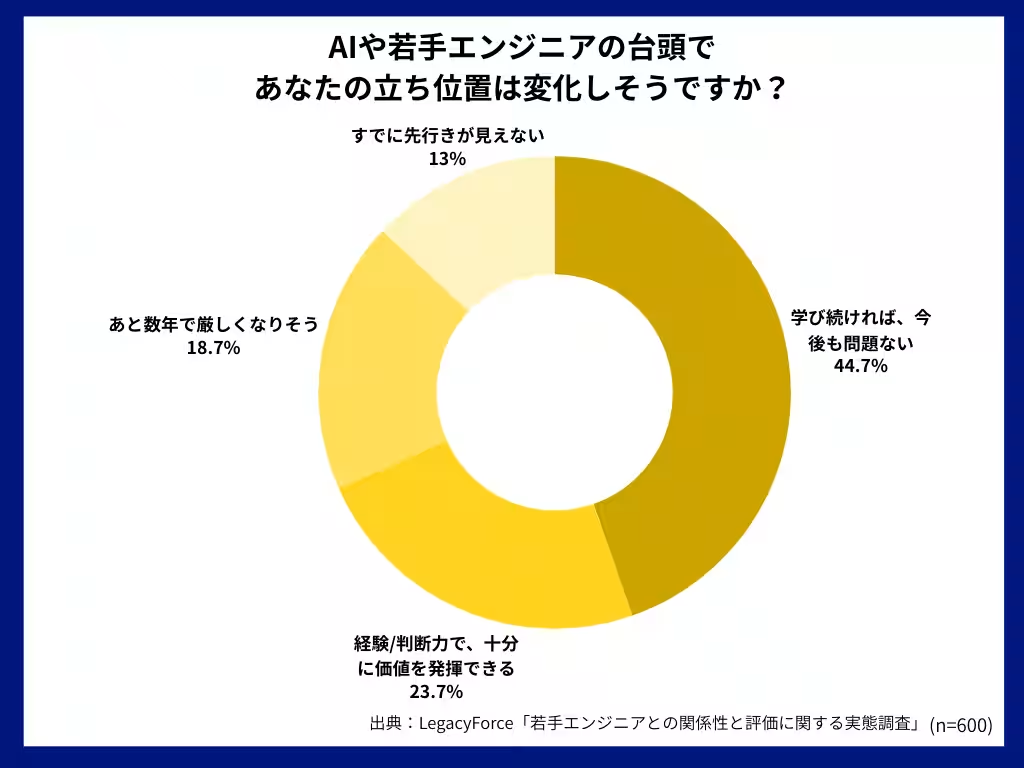
With the rise of AI and the influx of young engineers, senior engineers were asked how they perceived their standing in the workforce. A hopeful 44.7% felt that continuous learning would allow them to adapt and remain relevant. Similarly, 23.7% asserted that their experience and judgment still held substantial value in the evolving tech landscape.
Nevertheless, about 31% of participants exhibited concerns about their future, with 18.7% predicting upcoming challenges in the next few years and 13% fearing an unclear future in their roles.
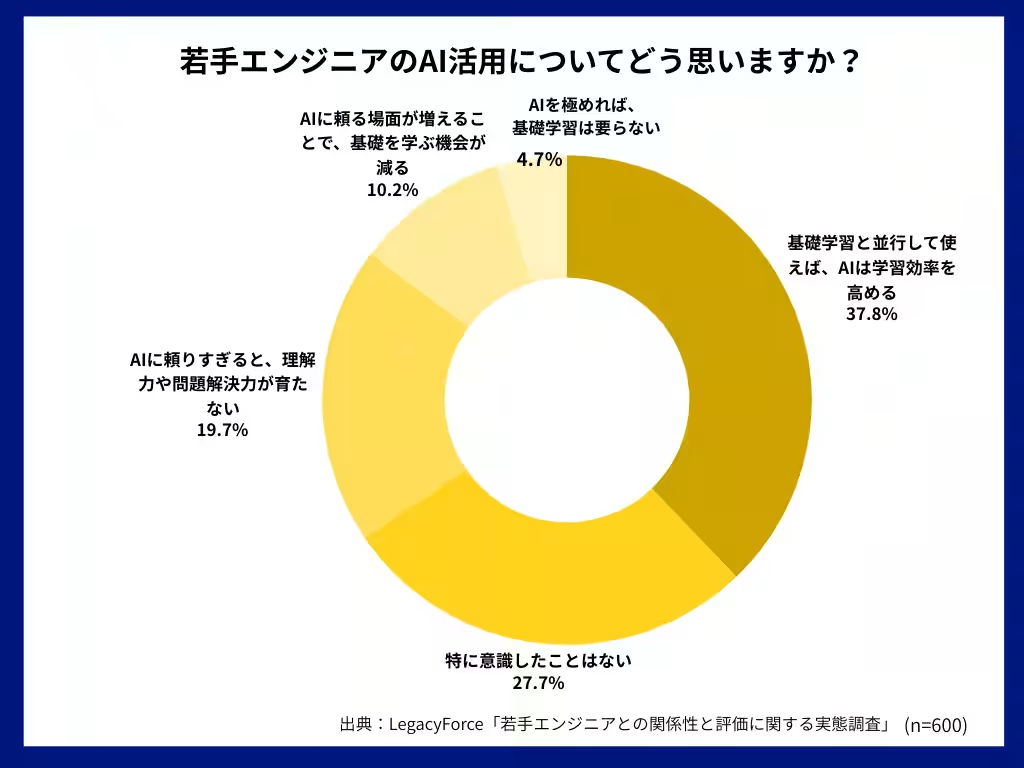
Interestingly, regarding AI utilization, 37.8% of senior engineers assert that combining AI tools with fundamental learning enhances their efficiency. However, there remains a cautionary tone among 19.7%, who are wary of overreliance on technology possibly undermining critical understanding and problem-solving capabilities. Only 4.7% believe that mastering AI negates the need for foundational learning, indicating a consensus on the necessity of continuous skill development.
Limited Opportunities for Collaboration with Young Engineers
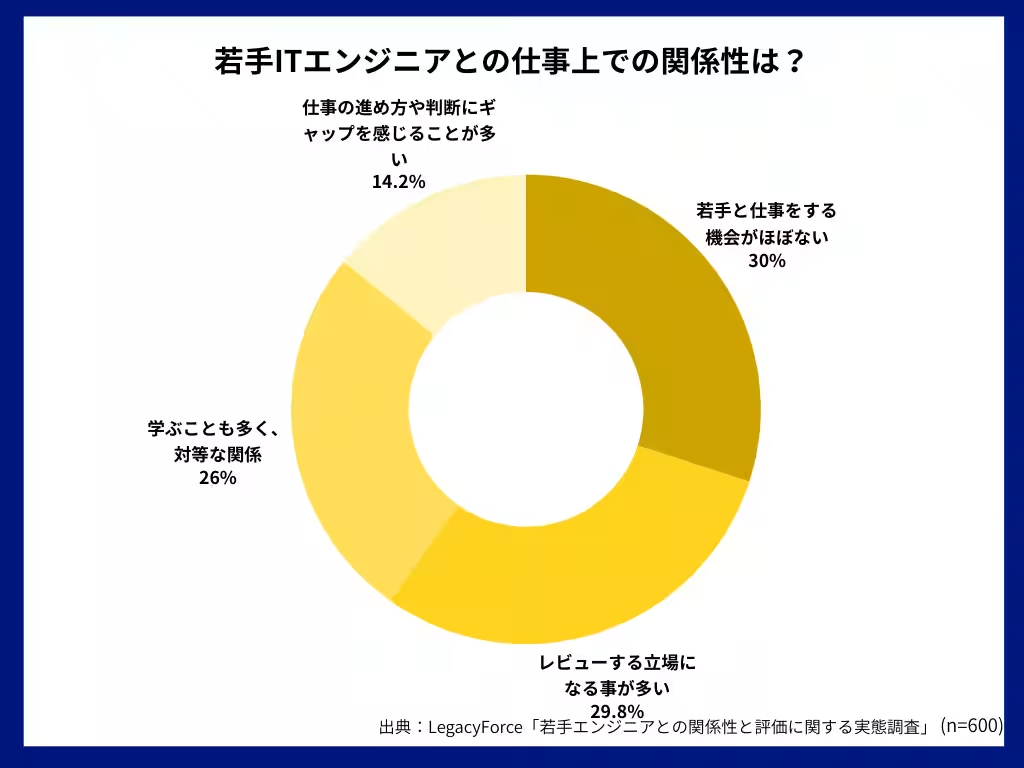
When exploring collaborative work with young engineers, 30% of senior respondents revealed they have little to no opportunities to work alongside younger colleagues. This lack of interaction may hinder knowledge sharing and the transfer of critical skills, especially as many responses highlighting such limitations skewed towards the older 60s demographic.
Conversely, nearly 30% reported often reviewing or supporting the output of younger engineers, and 26% indicated mutual learning and engagement, showcasing a blend of mentorship and collaboration.
Final Thoughts from Morro's CEO
Yohei Maeda, CEO of Morro Co., expresses optimism based on these findings. He notes that senior engineers increasingly embrace continuous learning and contribute effectively despite age biases. While collaboration appears encouraged on-site, there remains a need for change in selection practices where age still heavily influences decisions.
Morro aims to bridge the gap by promoting age-insensitive evaluations centered around skills and roles, ensuring a more equitable approach to talent utilization in an ever-evolving workforce landscape.
Survey Overview
- - Period: January 2026
- - Participants: 600 IT engineers aged 40 to 60
- - Method: Online survey
Topics People & Culture)



【About Using Articles】
You can freely use the title and article content by linking to the page where the article is posted.
※ Images cannot be used.
【About Links】
Links are free to use.