



Enhancing Learning Outcomes Through Cumulative Presentation Techniques
Enhancing Learning Through Cumulative Presentation Techniques
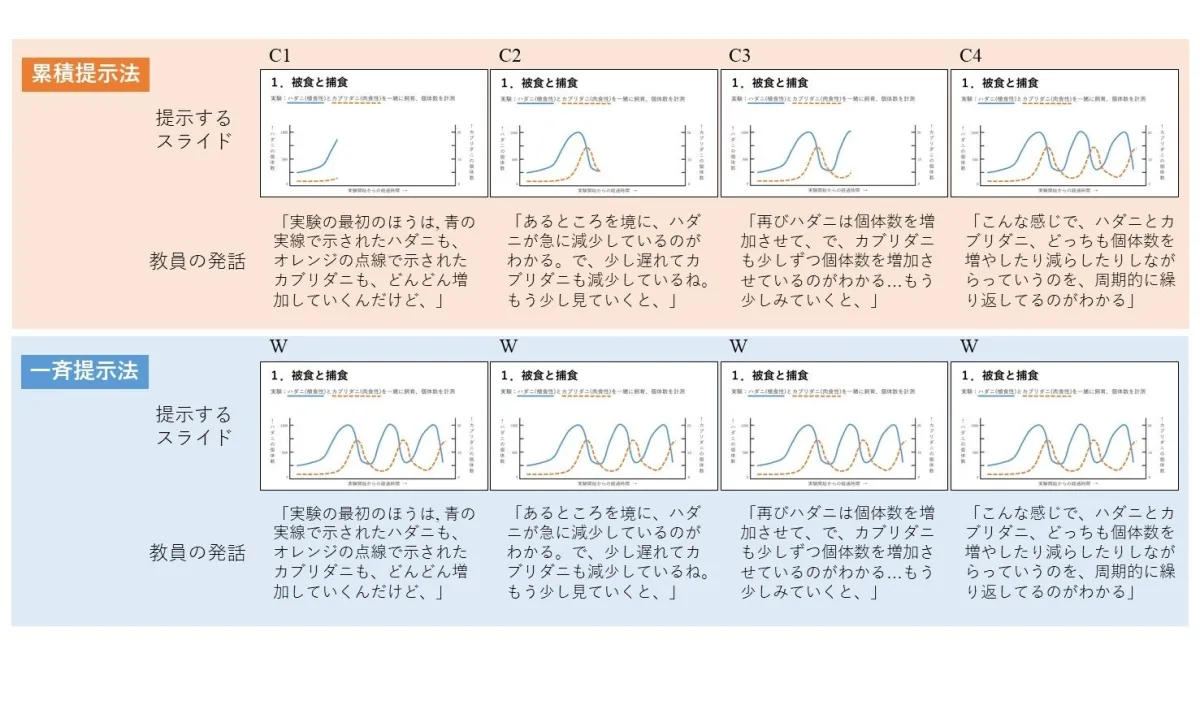
Recent studies conducted by a research group at Tokyo University of Science have unveiled the benefits of using cumulative presentation methods in educational settings. This technique involves gradually revealing information on slides in sync with the instructor's explanations, rather than displaying completed slides all at once. The findings indicate that this approach significantly aids in directing learners’ attention to crucial points, enhancing both their understanding and retention of information.
Background of the Study
In traditional classroom environments, teachers often rely on slides to convey complex information, demanding that students not only listen to verbal explanations but also extract meaning from visual data simultaneously. However, when students are presented with complete slides, they may struggle to identify the relevant portions correlating to the instructor's instructions. This can lead to confusion and hinder comprehension. Thus, the need for refined methods that guide learners' focus effectively is vital.
The research led by Teru Ito, a recent graduate from the Department of Biological Sciences at Tokyo University of Science, along with Professor Hiroko Ichikawa from the university's Center for General Education, sought to explore how varying presentation methods impact student engagement and learning outcomes. By employing eye-tracking technology, they measured where students focused their attention during the learning process.
Methodology of the Research
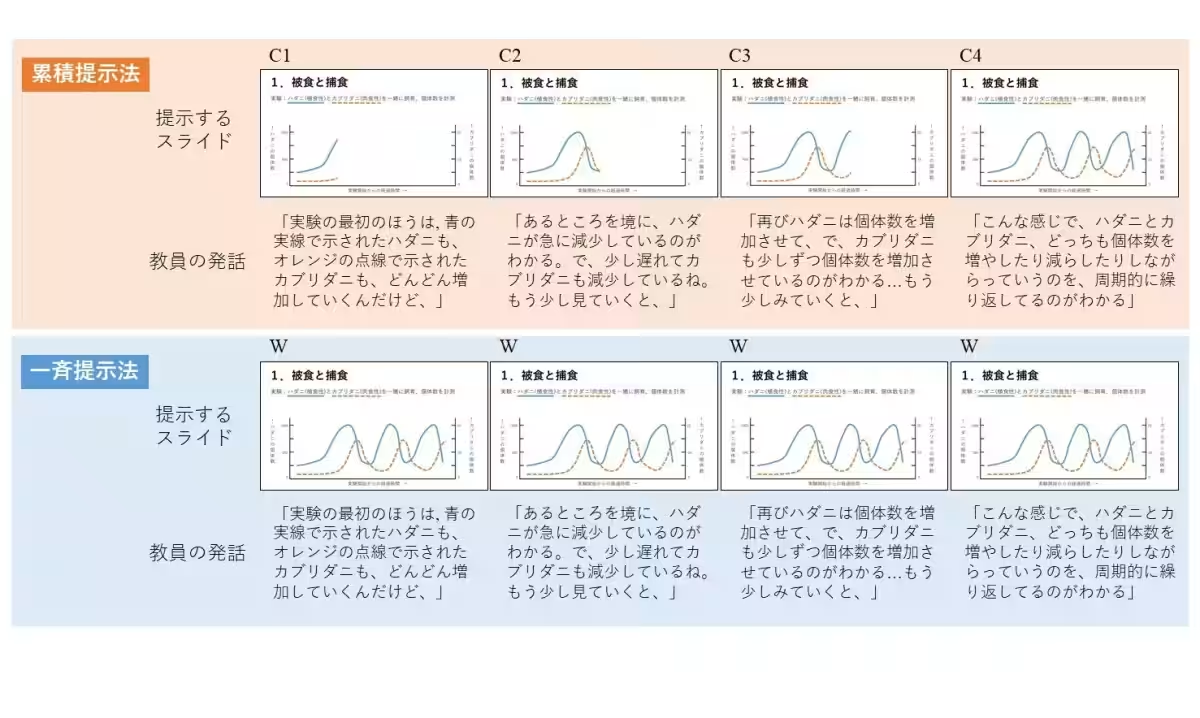
The study divided forty Japanese university students into two groups, employing two contrasting methods: the cumulative presentation method and the simultaneous presentation method. While both groups received the same verbal instruction, the manner in which visual information was shared differed dramatically. One group received information progressively, with slides revealing content incrementally based on ongoing explanations, while the other group viewed pre-completed slides right from the start.
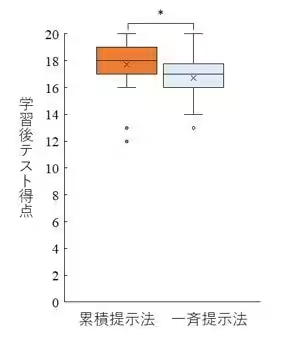
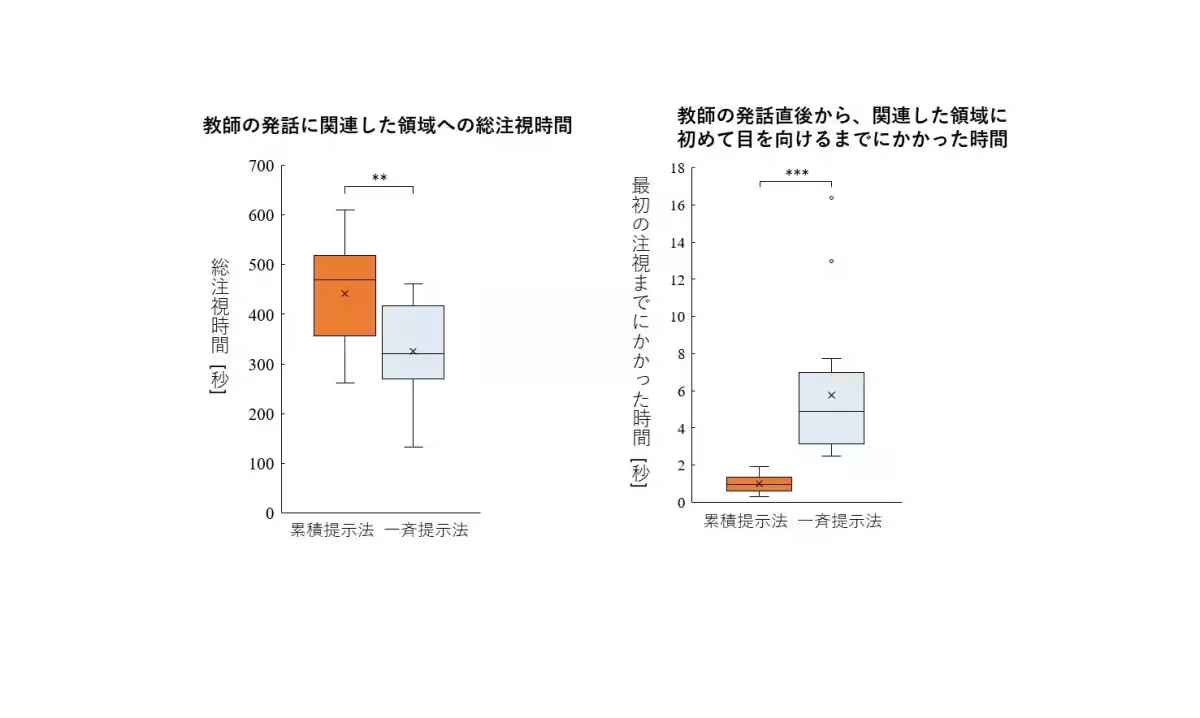
To evaluate the effectiveness of these methods, participants were assessed based on their performance in subsequent tests and eye-tracking data. The results revealed that the cohort exposed to the cumulative presentation technique achieved significantly higher scores on post-learning assessments compared to their counterparts. Moreover, eye-tracking indicated that students using the cumulative method maintained their gaze longer on the relevant sections of the slides, enhancing their comprehension in real-time.
Implications of the Findings
The implications of this research extend far beyond classroom teaching; they offer valuable insights for corporate training, online education, and distance learning. By simply modifying how information is presented—without the necessity for advanced technology or new educational materials—educators can enhance the learning experience for their students.
Professor Ichikawa noted that the research's origin was driven by a desire to improve instructional clarity. She emphasized that even existing materials can be utilized more effectively by incorporating the cumulative presentation approach. This adaptability means educators can implement these findings immediately, promoting a more engaging and productive educational atmosphere.
Conclusion
In conclusion, the cumulative presentation study provides a crucial understanding of how visual attention aligns with effective learning strategies. With eye movement closely tied to cognitive processes, understanding where learners focus during educational activities offers insights that can be leveraged throughout numerous teaching contexts. As instructional methods evolve, embracing evidence-based techniques like cumulative presentations will ensure that learners not only absorb information efficiently but also gain deeper insights into the material presented.
This research highlights a straightforward yet powerful approach for making lessons more accessible. The outcomes affirm that well-structured presentations can significantly influence educational success, underscoring the importance of strategic instructional design in any learning environment.
Future Directions
Looking ahead, the approach may inspire artificial intelligence systems capable of generating educational materials that automatically adapt to cumulative presentation techniques. This innovation could further revolutionize the way information is delivered in various educational formats—ensuring enhanced comprehension, engagement, and learning success.
Topics Other)
【About Using Articles】
You can freely use the title and article content by linking to the page where the article is posted.
※ Images cannot be used.
【About Links】
Links are free to use.