



Exploring the Future of Primary Care and Community Health through MBA Insights
Online Lecture Report: The Future of Primary Care and Community Health
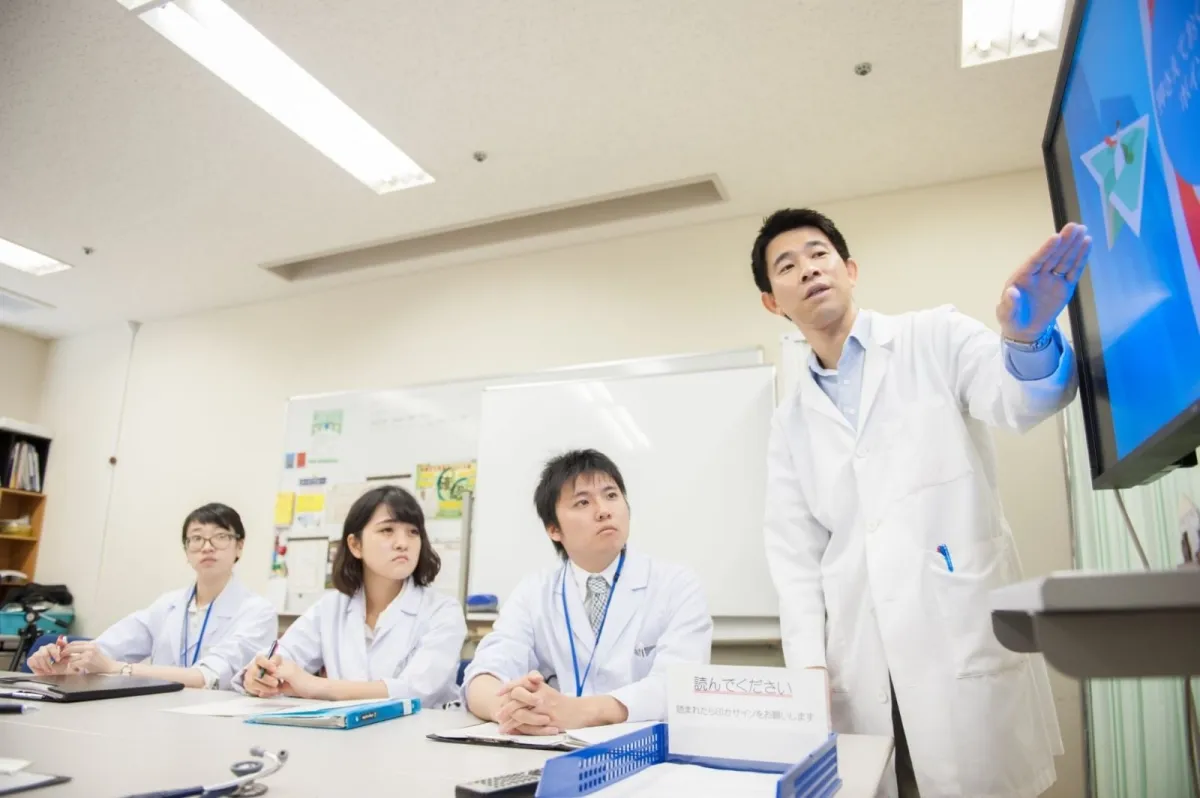
On November 21, 2025, Human Academy Inc., a pioneering company in educational services, hosted an online lecture featuring Yuhaki Saito, the Associate Professor at Yamaguchi University Hospital. As a graduate of the Wales Trinity Saint David MBA program, Saito shared insights from his extensive experience in the medical field, focusing on Japan's primary care system and the implications of his MBA education on community health. This event aimed to highlight the importance of management education in the healthcare sector.
Key Points from the Lecture
- - Yuhaki Saito discussed the challenges facing Japanese healthcare, such as the looming 2040 issue and the critical role of primary care physicians.
- - He elaborated on how his MBA training has informed his approach to healthcare management.
- - Saito presented his findings on how an increase in medical resources does not necessarily correlate with improved health outcomes.
Background on the Importance of MBA in Healthcare
As we enter an era where technological advancements reshape the business environment, the demand for management skills across various sectors continues to grow. Healthcare is no exception. Human Academy's Wales University MBA program is designed for specialists from diverse backgrounds, including healthcare, allowing them to learn and apply business skills in their respective fields. The lecture aimed to communicate the significance of management education in addressing the challenges faced by the healthcare industry.
Highlights of the Event
The lecture, organized by the alumni association of the Wales University MBA program, attracted numerous participants who joined online. Professor Saito, with 26 years of clinical experience, joined the conversation by discussing how his MBA perspective integrates into his primary care practices.
Saito shared compelling evidence questioning the effectiveness of merely increasing healthcare resources. A survey conducted across all 47 prefectures in Japan in 2017 revealed that higher medical expenditures and an increased number of medical professionals do not necessarily lead to reduced mortality rates. Notably, Nagano Prefecture—despite having fewer doctors compared to Tokyo—had a lower death rate, illustrating that increased medical spending alone lacks efficacy in improving public health outcomes.
The Delayed Development of Primary Care System in Japan
Japan's primary care system is often viewed as being 50 years behind that of the United States. Since the formal recognition of primary care physicians in 2018, there are only about 1,000 certified in Japan. In contrast, primary care in other countries has shown significant results in preventive healthcare, leading to reduced unnecessary hospital admissions and contain healthcare costs.
Urgent Action Required for the 2040 Health Crisis
By 2040, it is predicted that one in five individuals must join the healthcare workforce to maintain current standards. With a growing population of elderly patients suffering from multiple health issues, reliance on specialists in singular medical fields will no longer suffice.
Understanding Social Determinants of Health
Saito emphasized the importance of social factors influencing health, stating that healthcare access accounts for merely 20%, while regional and social environments contribute a substantial 40%. The low mortality rates in places like Nagano are attributes to community-connected initiatives such as



Topics Health)
【About Using Articles】
You can freely use the title and article content by linking to the page where the article is posted.
※ Images cannot be used.
【About Links】
Links are free to use.