



Understanding Drivers' Perceptions of Autonomous Vehicles: Benefits and Concerns
Understanding Drivers' Perceptions of Autonomous Vehicles
In recent years, the continuous evolution of autonomous vehicle technology has initiated a significant shift in transportation methods. Companies like NSS Smart Consulting, located in Shinjuku, Tokyo, conducted a comprehensive survey concerning the awareness and perceptions of autonomous driving among participants aged 20 to 60. The survey aimed to shine a light on drivers' feelings, highlighting both the excitement and apprehension surrounding this groundbreaking technology.
Survey Overview
The survey was conducted from August 20 to August 21, 2025, utilizing an online format provided by PRIZMA. A total of 1,033 respondents participated, primarily from various demographic backgrounds but predominantly including individuals actively driving during the survey period.
Key Findings
Understanding of Autonomous Driving Technology
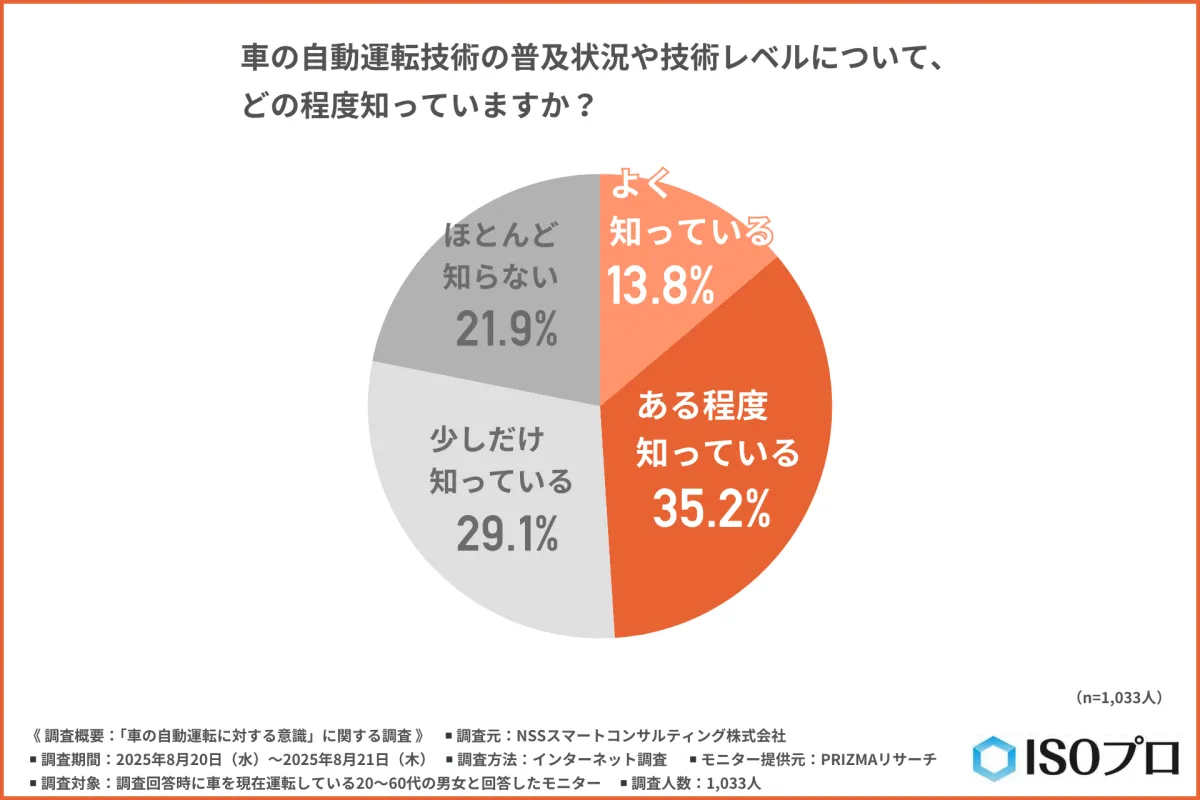
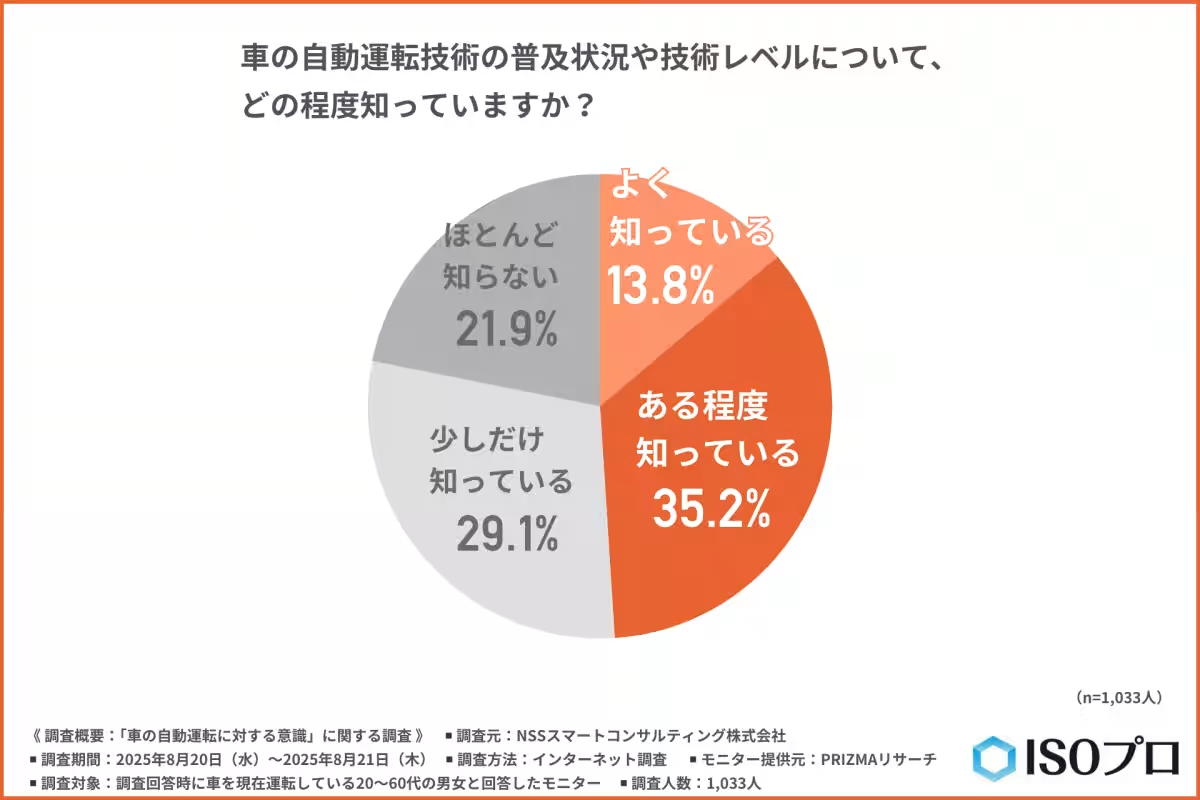
When asked about their familiarity with autonomous driving technology, only 13.8% claimed to be well-informed. In contrast, 35.2% indicated that they had a moderate understanding, while 29.1% stated that they only had a slight awareness. Alarmingly, 21.9% of participants were nearly unaware of the technology altogether. While autonomous driving is a trending topic, it appears that deeper knowledge regarding its current status and technological levels is still lacking among the general public.
Impressions of Autonomous Driving
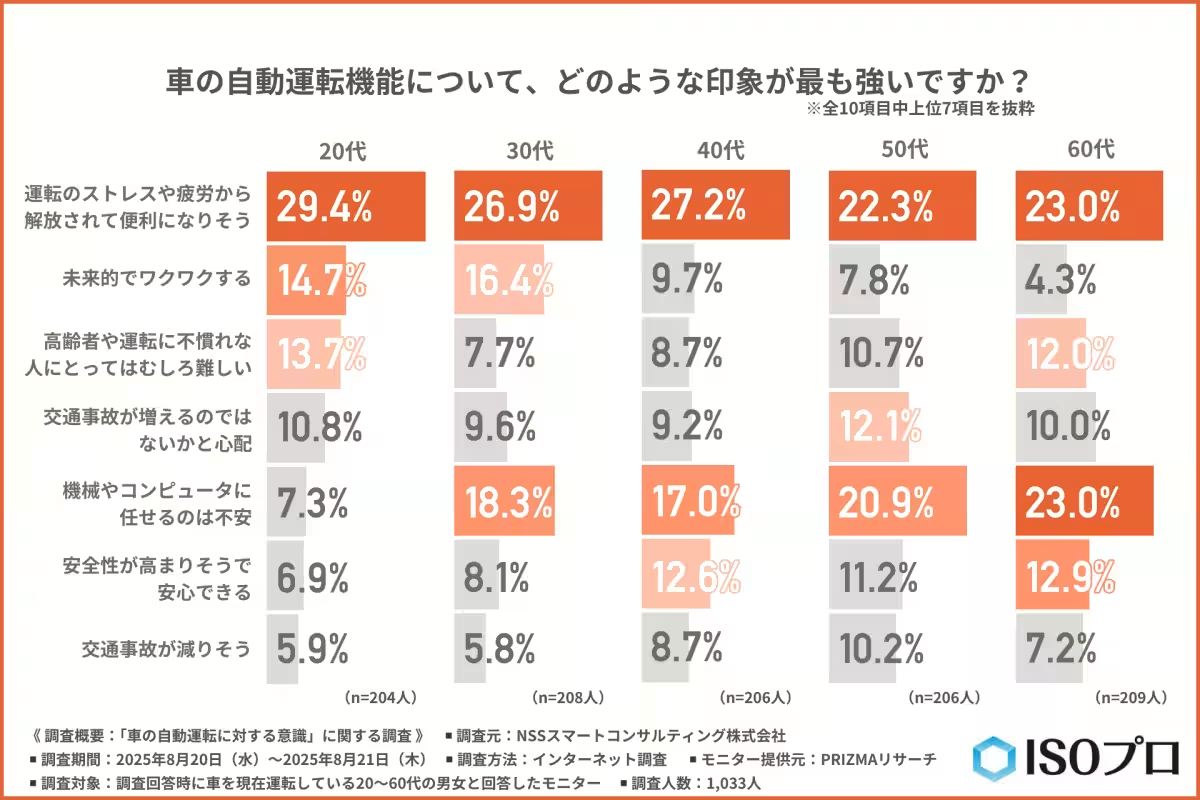
The survey explored how drivers perceive autonomous vehicle functions. Respondents across all age groups generally expressed optimism regarding the potential conveniences these vehicles offer. However, among the 30s and older demographics, significant feelings of anxiety also surfaced. Many expressed concerns about delegating control to machines, with young adults feeling a sense of excitement and older adults demonstrating greater skepticism towards the reliability of the technology. For instance, the sentiment of "being anxious about relying on machines" ranked high among those in their 30s to 60s, highlighting a growing distrust in technological capabilities among older age groups.
Future Intentions to Use Level 3+ Autonomous Vehicles
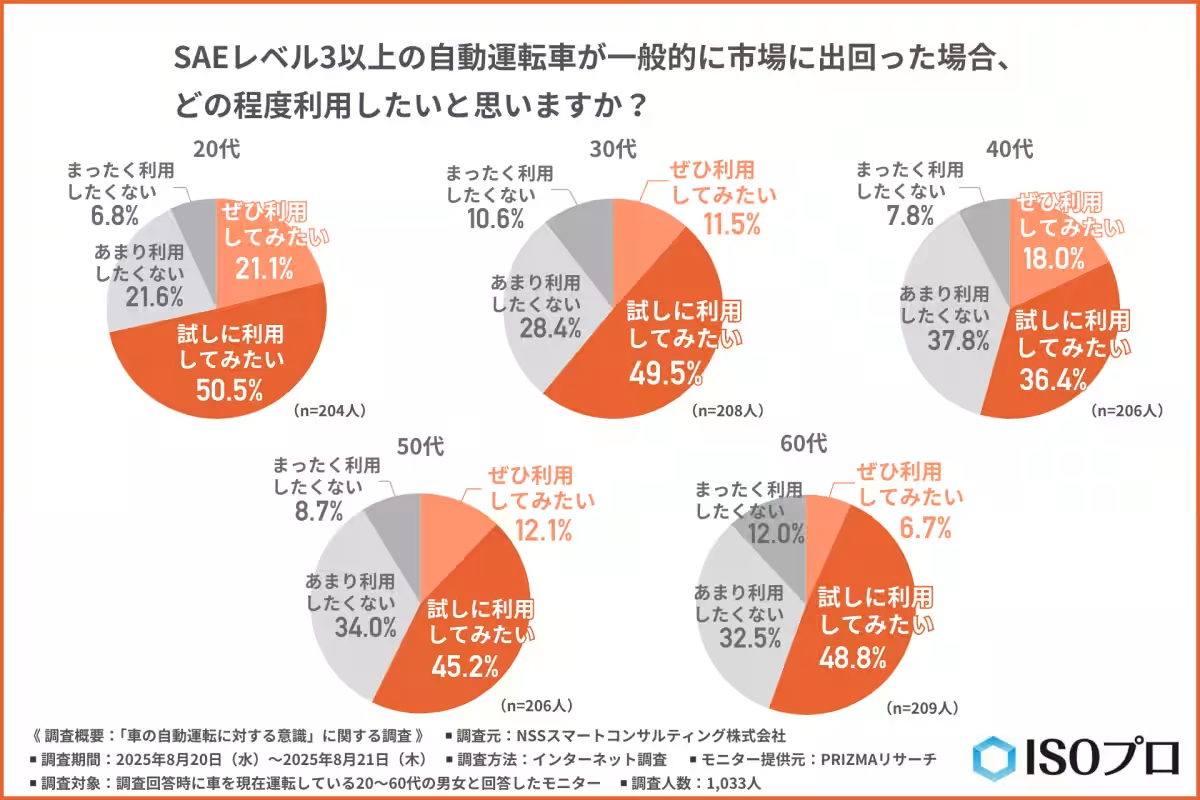
The survey further investigated respondents' openness to utilizing SAE Level 3 and beyond autonomous vehicles, which allow automated driving in most situations with human oversight for emergencies. We found that about 70% of individuals in their 20s expressed a desire to utilize such vehicles. However, this willingness drastically declined in the 40s and older cohorts, where over 40% stated they would prefer not to engage with these technologies. This raises critical questions regarding acceptance and trust across generations.
Expected Benefits and Persistent Concerns
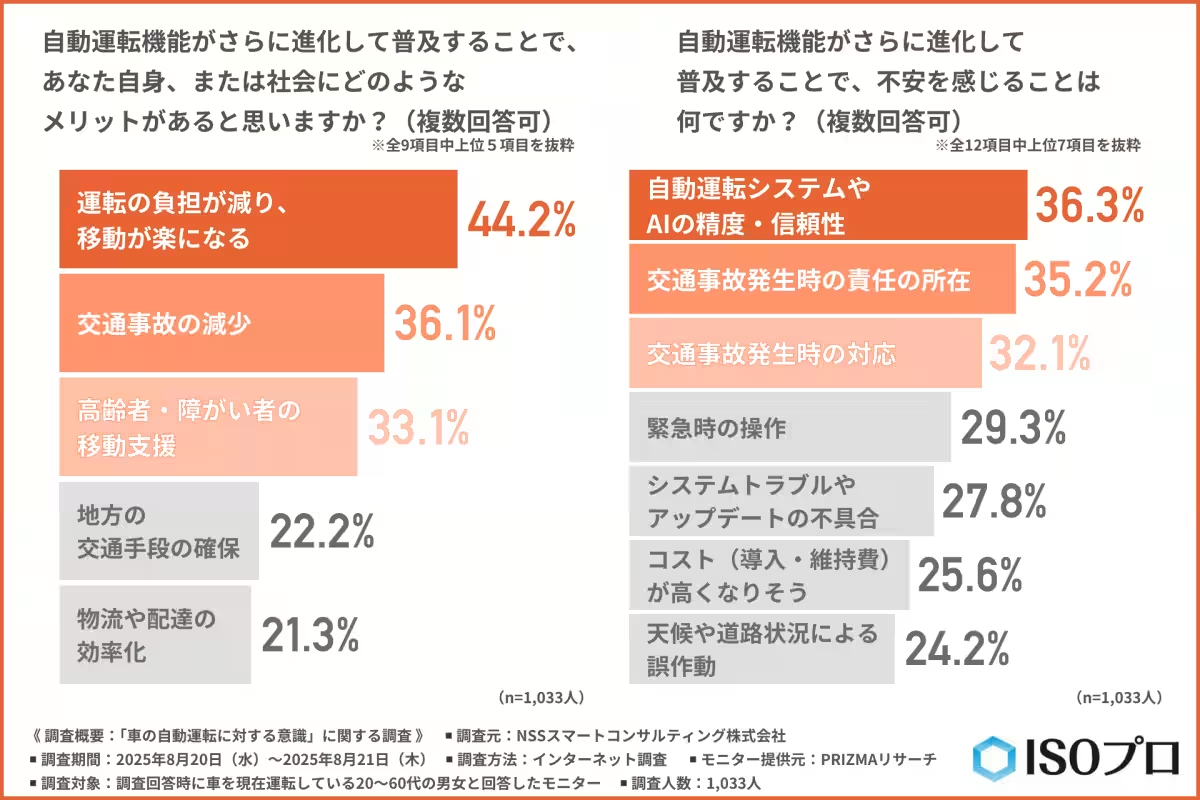
Respondents shared their views on potential benefits of advancing autonomous vehicle technology. A significant 44.2% felt that such innovations could lessen driving burdens, while 36.1% believed it would contribute to a decrease in road accidents. Additionally, 33.1% highlighted the potential for improved mobility for the elderly and disabled. However, alongside these hopeful perspectives, apprehensions surrounding the reliability of autonomous systems and the assignment of responsibility in the event of accidents remain a priority concern. About 36.3% cited worries about the accuracy and trustworthiness of AI in driving contexts.
Recommended Actions for Safe Use
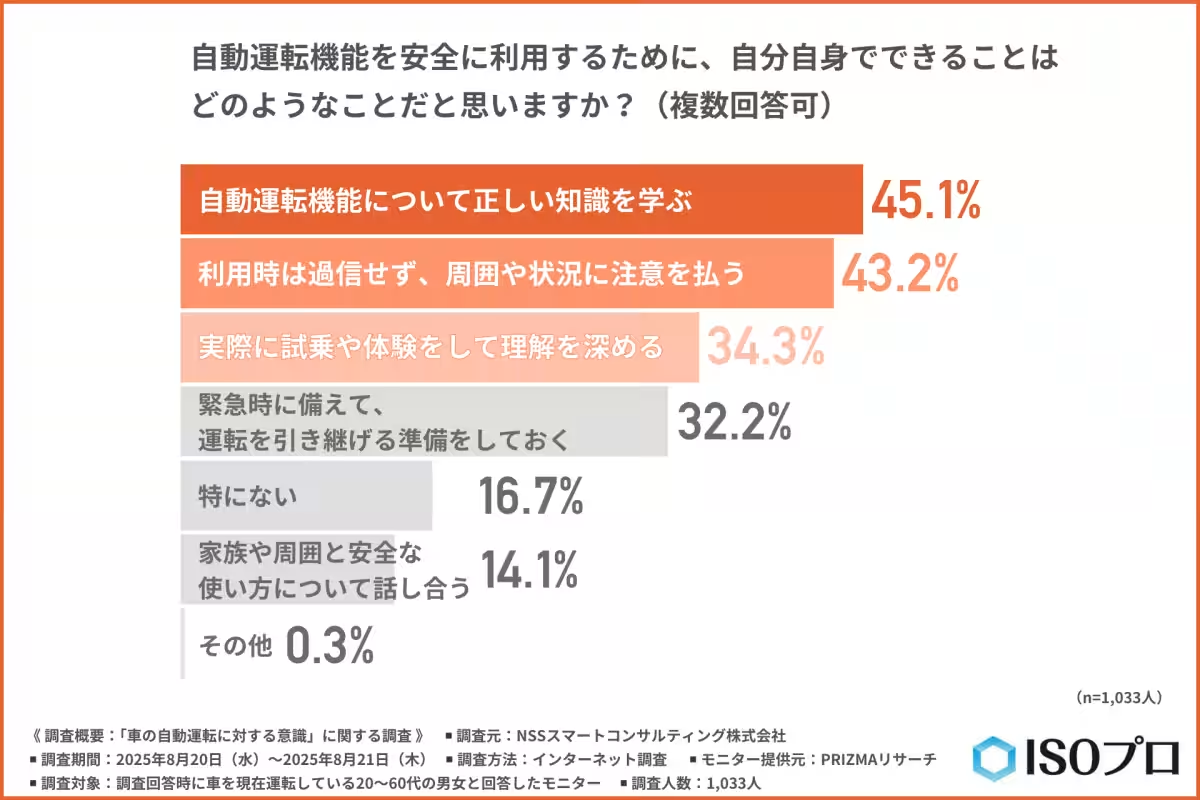
When asked how drivers could safely engage with autonomous driving technology, a notable portion, 45.1%, illustrated that acquiring accurate knowledge about the functions was paramount. This was closely followed by advice to remain attentive and not over-rely on these systems during use (43.2%). This highlights a crucial trend: the responsibility of safe operation lies not only with the developers of the technology but also with the users themselves.
Conclusions: Bridging the Gap between Anticipation and Hesitation
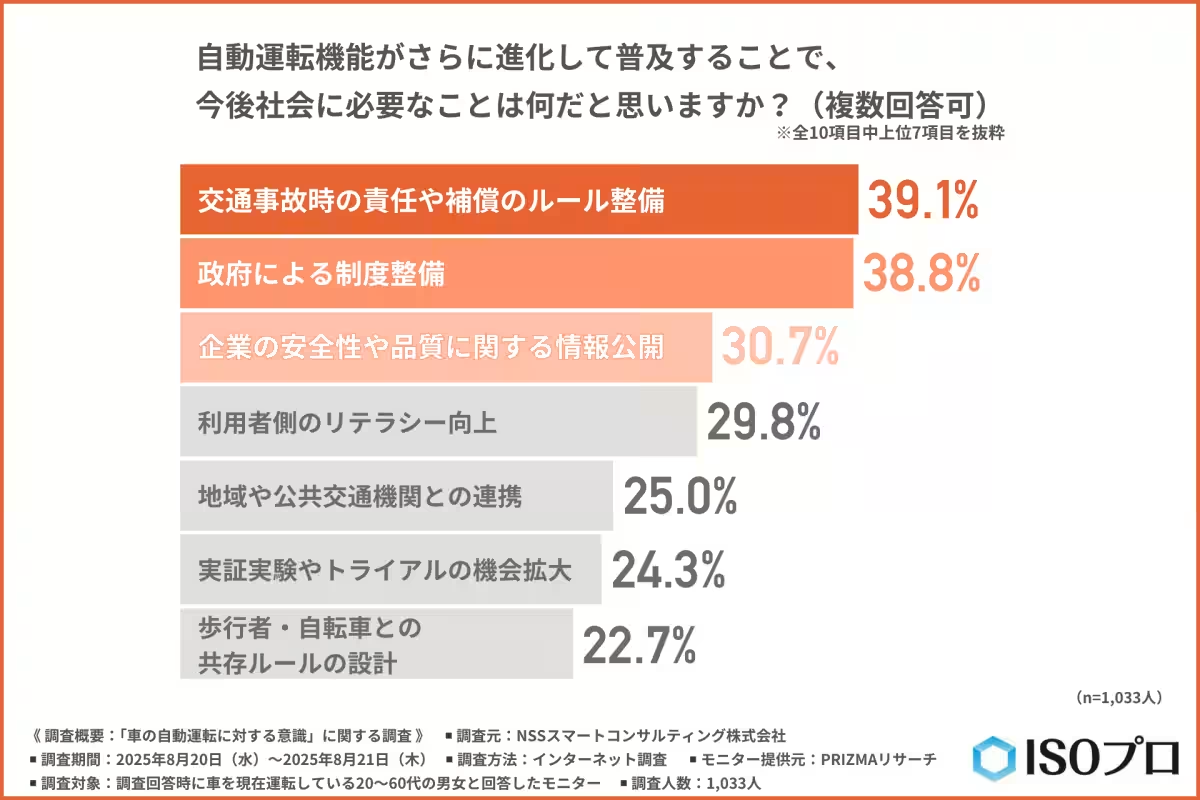
The findings from this survey reveal a multifaceted outlook towards autonomous vehicles. While the enthusiasm for advanced driving technologies is palpable among younger cohorts, a clearer narrative emerges depicting the skepticism felt by older generations. As society progresses towards a future imbued with autonomous driving capabilities, it will be essential to foster understanding, develop comprehensive regulations, and facilitate robust discussions encompassing driver safety, legal responsibilities, and manufacturer accountability.
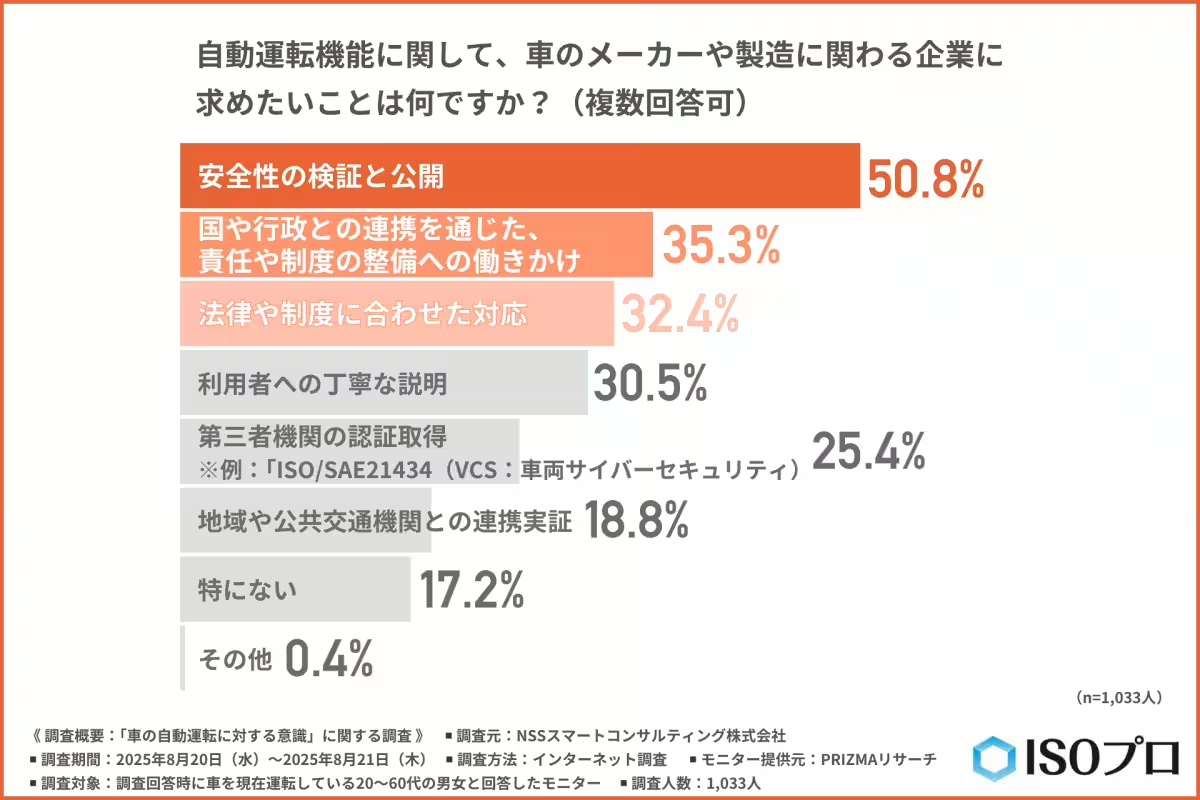
NSS Smart Consulting is dedicated to supporting firms in acquiring necessary ISO certifications, which can directly benefit the automotive industry's safety and quality dynamics. As new technologies continue to emerge, informed and engaged stakeholders will be pivotal in paving the way for a smoother transition into an autonomous-driven society.

Topics Other)
【About Using Articles】
You can freely use the title and article content by linking to the page where the article is posted.
※ Images cannot be used.
【About Links】
Links are free to use.