



The Rise of Liver Health Awareness: A Survey Reveals Crucial Insights
The Rise of Liver Health Awareness: A Survey Reveals Crucial Insights
In a world where gut health has become a well-known concept, the importance of liver health—often referred to as “liver activity” or "肝活" in Japanese—remains relatively underappreciated. Haju Co., headquartered in Fukuoka, recently conducted a nationwide survey involving 500 adults across various ages and genders to compare the public's awareness and practices related to liver health versus gut health. The results have unveiled some surprising statistics and significant gaps in knowledge that could pave the way for improved health practices.
Understanding the Survey Findings
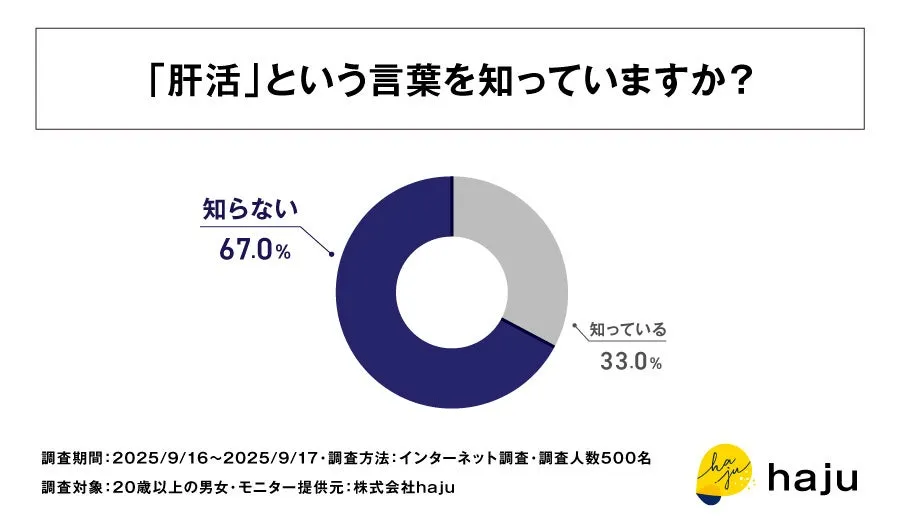
One of the most striking outcomes of the survey is that only 33% of respondents recognized the term "liver health." Despite this low recognition, 58% reported that they actively engage in practices beneficial for both gut and liver health. This disconnect highlights a fascinating phenomenon: while awareness of the term may be limited, many people may already be unknowingly incorporating liver health practices into their routines.
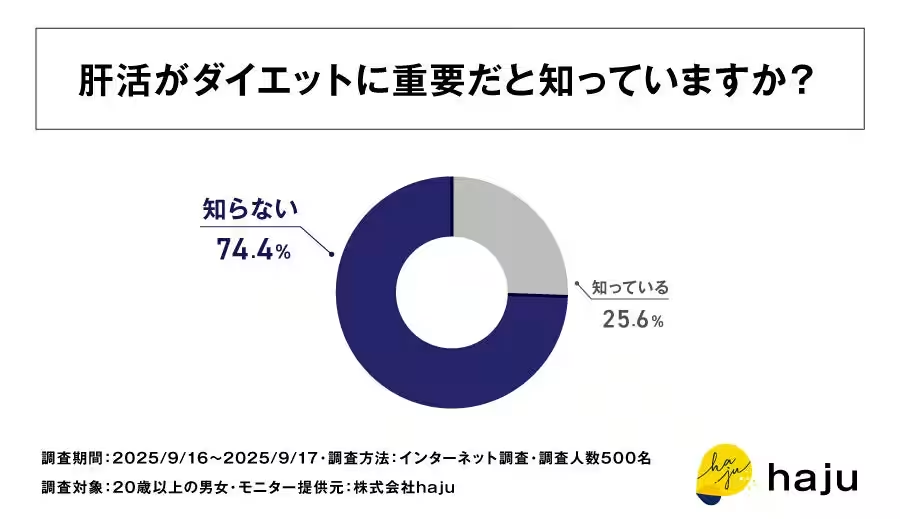
Moreover, when asked if liver health is crucial for weight management, only 25.6% of participants agreed—a clear indication of the public's lack of understanding regarding the liver's vital role in metabolism and detoxification processes. This gap in knowledge suggests that the liver's importance needs to be communicated more effectively.
The Need for Awareness: Why Focus on Liver Health Now?
Liver health is essential for various bodily functions, including metabolism, detoxification, and hormone generation. These vital processes directly influence not just weight management, but also energy levels throughout the day and overall well-being. However, there remains significant room for growth in public awareness. The survey unveiled that many individuals engage in liver-friendly habits without fully understanding their benefits. This discrepancy illustrates a critical opportunity for increasing education around liver health, especially as social media and wellness trends continue to evolve.
Breakdown of Survey Results
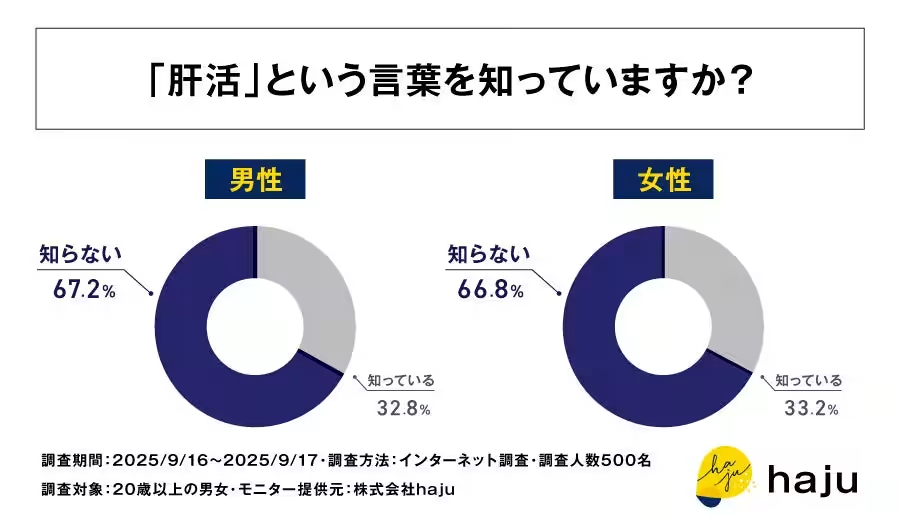
1. Awareness Gap: Only 33% of respondents knew the term "liver health,” while 67% did not. Awareness levels were comparable across genders, with male recognition at 32.8% and female at 33.2%.
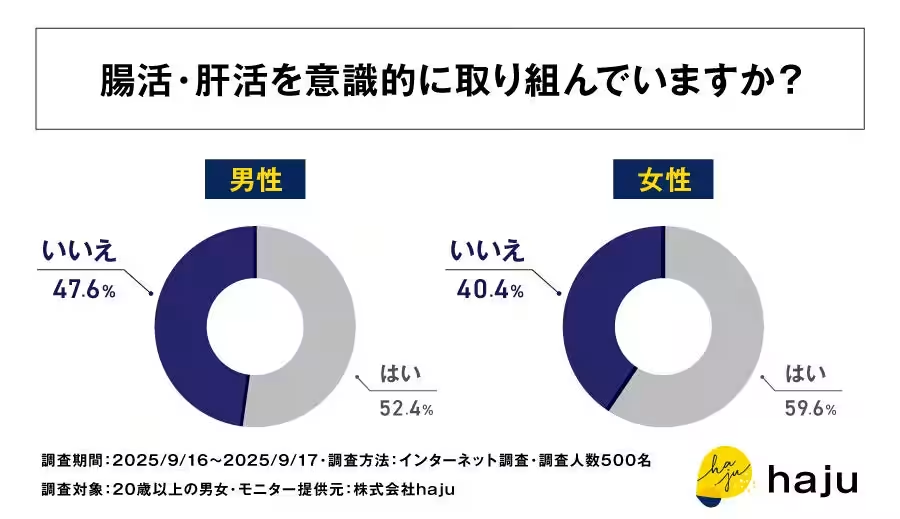
2. Practices: 58% of participants stated they actively work on gut and liver health, with women slightly more proactive at 59.6% compared to men at 52.4%.
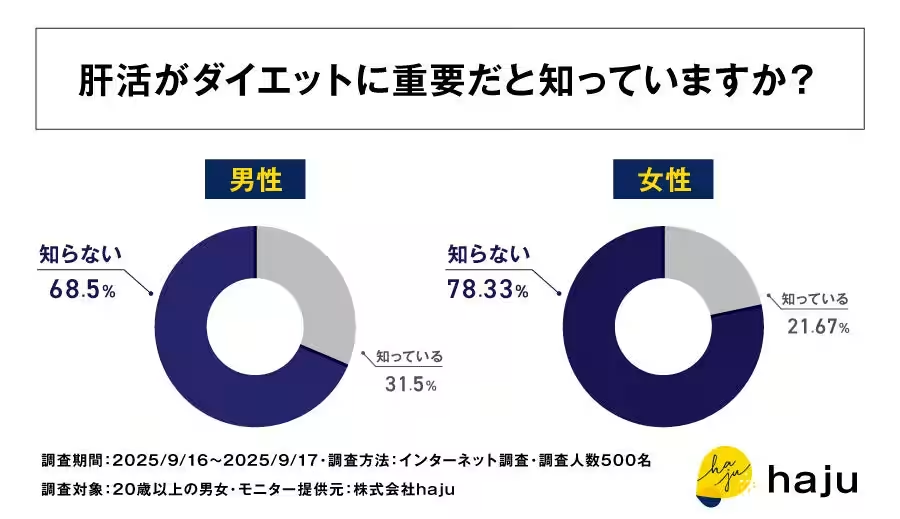
3. Knowledge Disparity: Just 25.6% of the respondents recognized the importance of liver health in weight management, with males leading at 31.5% and females at 21.7%.
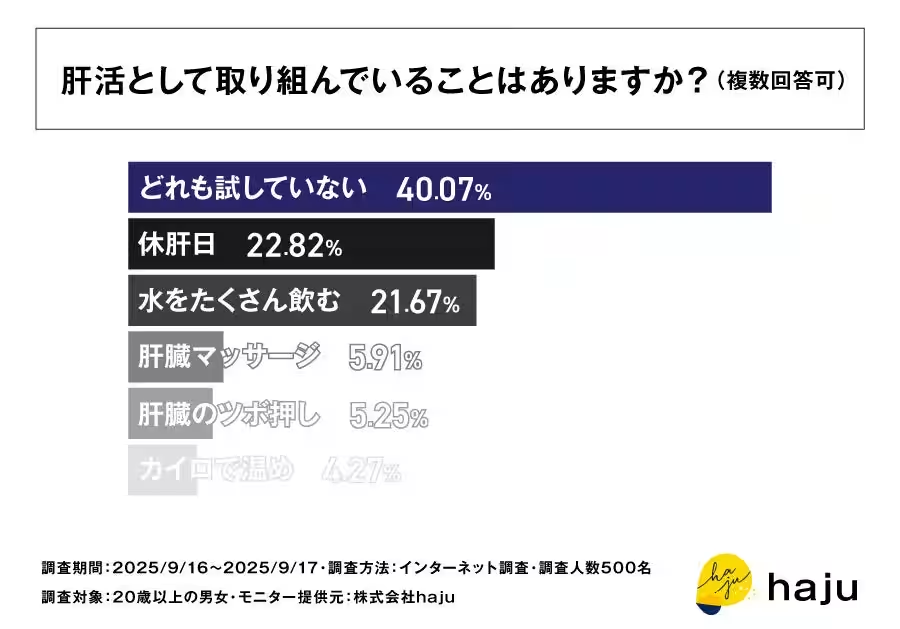
4. Responses to Engagement: When asked what liver health actions they took, 40.8% of respondents said they were trying nothing. The most common responses included taking rest days from alcohol (22.9%) and drinking plenty of water (21.7%), indicating that proactive engagement is still low.
Key Takeaways from the Findings
Despite the low recognition of liver health, this survey indicates an emerging trend. The majority of respondents are beginning to adopt some practices—suggesting a potential growth area for health education initiatives. Ultimately, better health communication can bridge the knowledge gap and foster a culture where liver care is seen as integral to overall health.
Moving Forward: Recommendations for Liver Health Practices
As liver health begins to gain traction following the gut health trend, here are four actionable tips Haju recommends for individuals seeking to improve their liver health:
1. Establish Rest Days: Aim for at least two alcohol-free days a week to allow the liver to recover.
2. Stay Hydrated: Ensure regular water intake, especially during caffeine or alcohol consumption.
3. Eat Early: Avoid heavy meals too close to bedtime to reduce digestive strain.
4. Combine Exercise with Protein: Support muscle mass through protein intake and regular activity, aiding liver metabolism.
As liver health stays under the radar, there is a need for companies like Haju to leverage these insights to educate consumers on both the importance of liver health and practical ways to achieve it. Fostering greater awareness can facilitate a shift in health practices to consider liver health as a cornerstone in overall well-being. With proper information dissemination, “liver health” may soon become the next buzzword in wellness after “gut health.”
Conclusion
In conclusion, the survey from Haju underscores a growing interest in liver health, even if awareness remains low. With increased education and emphasis on the practical benefits of liver care, we may be on the brink of a new health movement that places liver well-being at the forefront, alongside gut health. The journey towards collective awareness has begun, and the potential for a healthier future is bright.
Final Thoughts
As we've seen, liver health is poised to become a crucial topic in the wellness industry. Therefore, continuous education on this subject is vital for eliminating misconceptions and promoting effective health practices across the board.


Topics Health)
【About Using Articles】
You can freely use the title and article content by linking to the page where the article is posted.
※ Images cannot be used.
【About Links】
Links are free to use.