



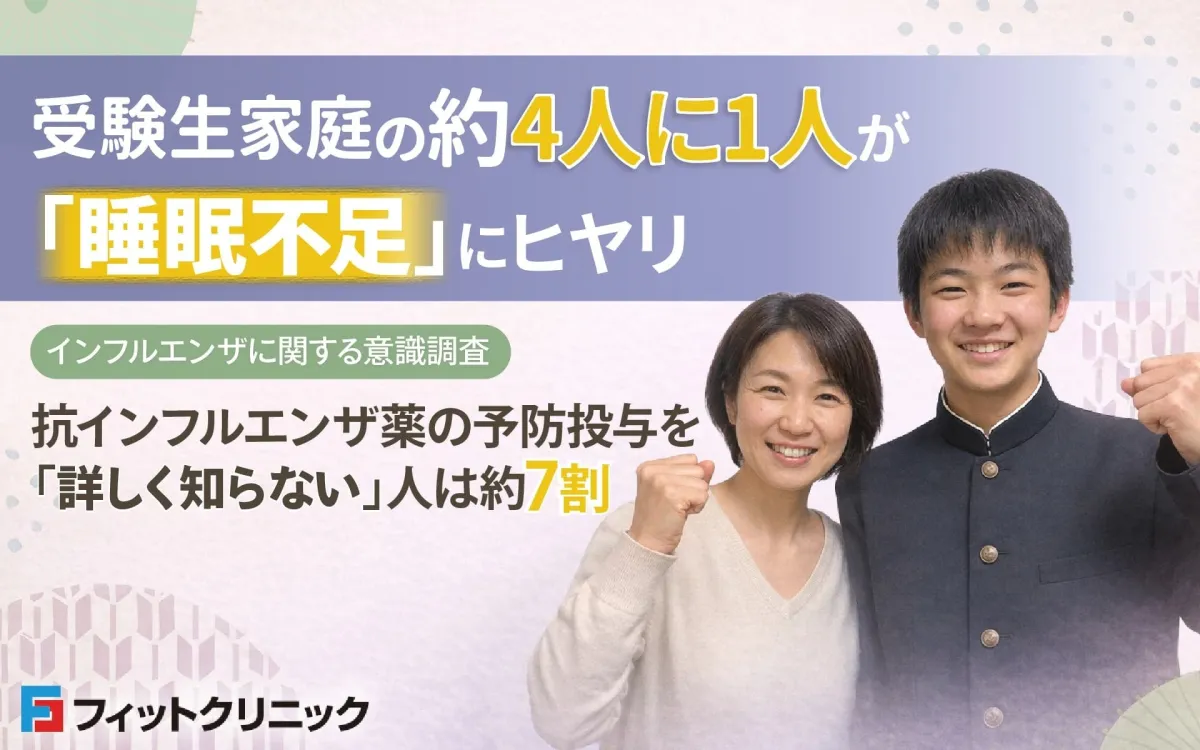
About 25% of Student Households Experience Sleep Deprivation During Exam Season
The Impact of Sleep Deprivation on Students During Exam Season
As the exam season approaches between January and March, both students and their families face the intense pressure of ensuring health and well-being during a critical time. This year's flu season coincides with exams, which could potentially exacerbate stress and anxiety for both students and their families.
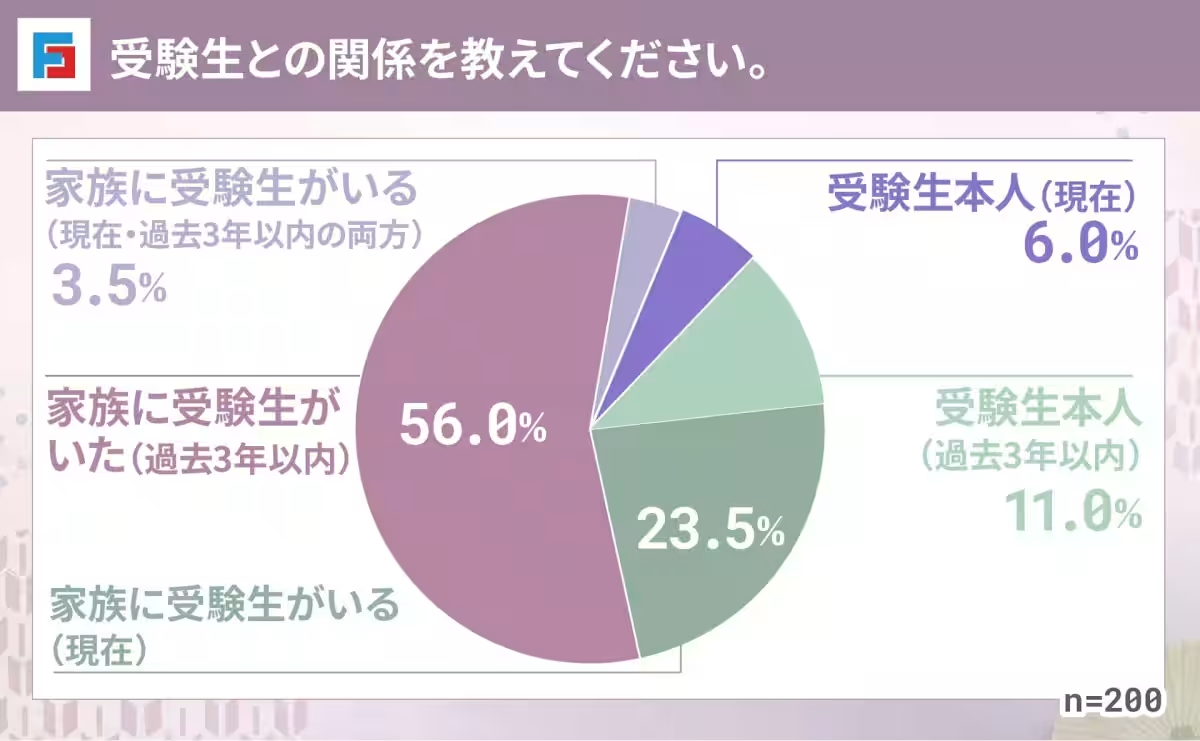
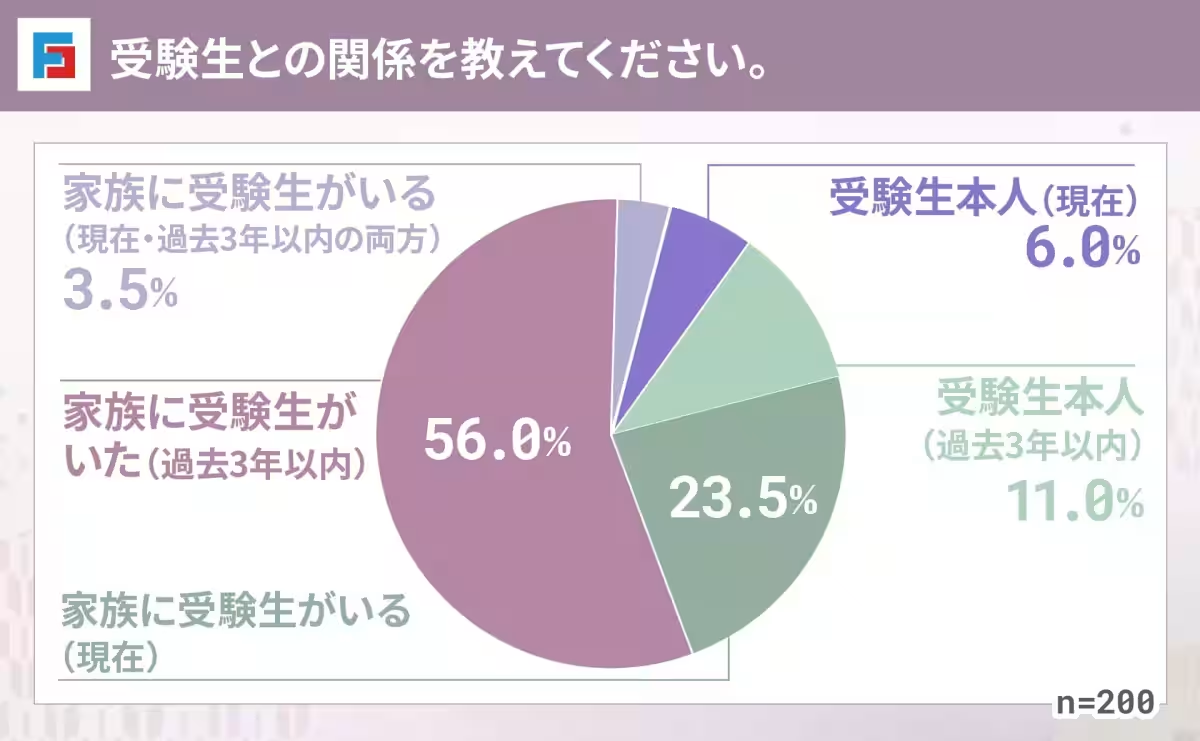
In light of these concerns, Fit Clinic, led by Director Keita Hattori in Shibuya, Tokyo, conducted a survey targeting families with students either currently in exams or who have had students in recent years. The purpose was to assess awareness regarding flu-related anxieties, preventive measures taken at home, and knowledge of antiviral prophylactic treatments.
Survey Findings
The survey revealed several crucial insights:
- - Approximately 25% of respondents reported experiencing sleep deprivation during the exam period.
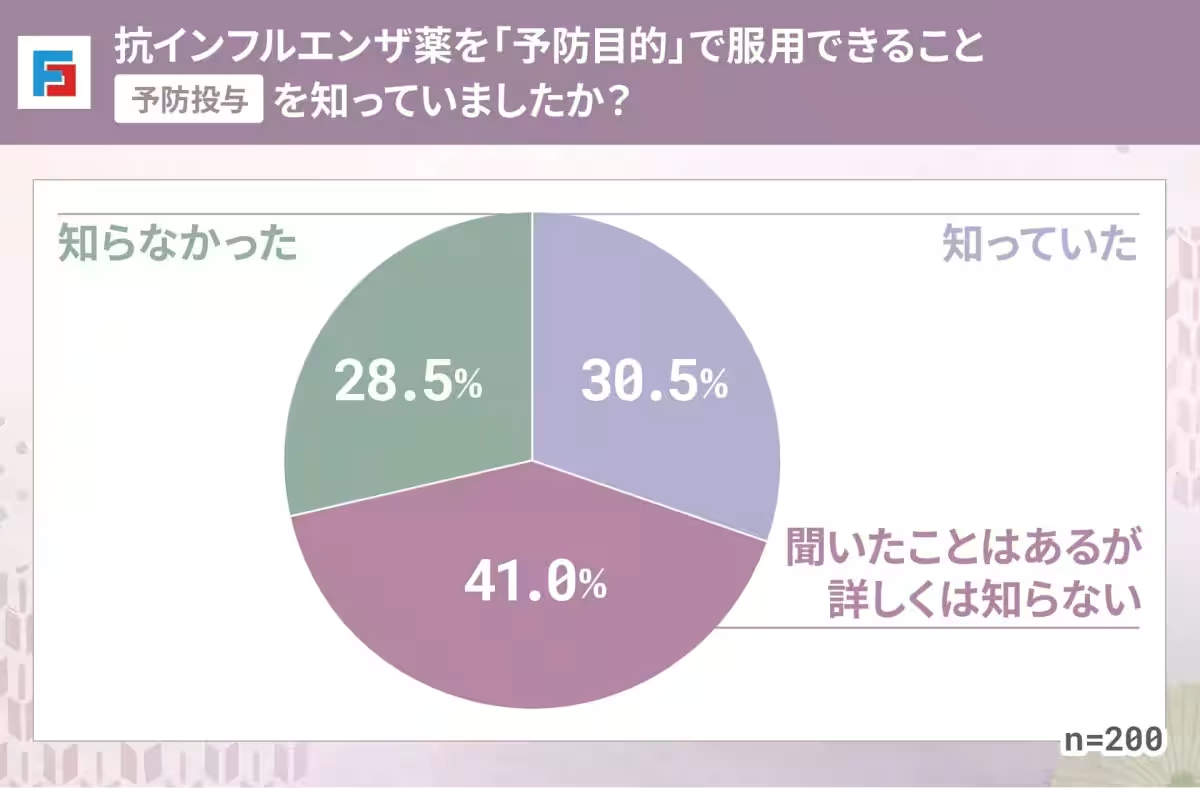
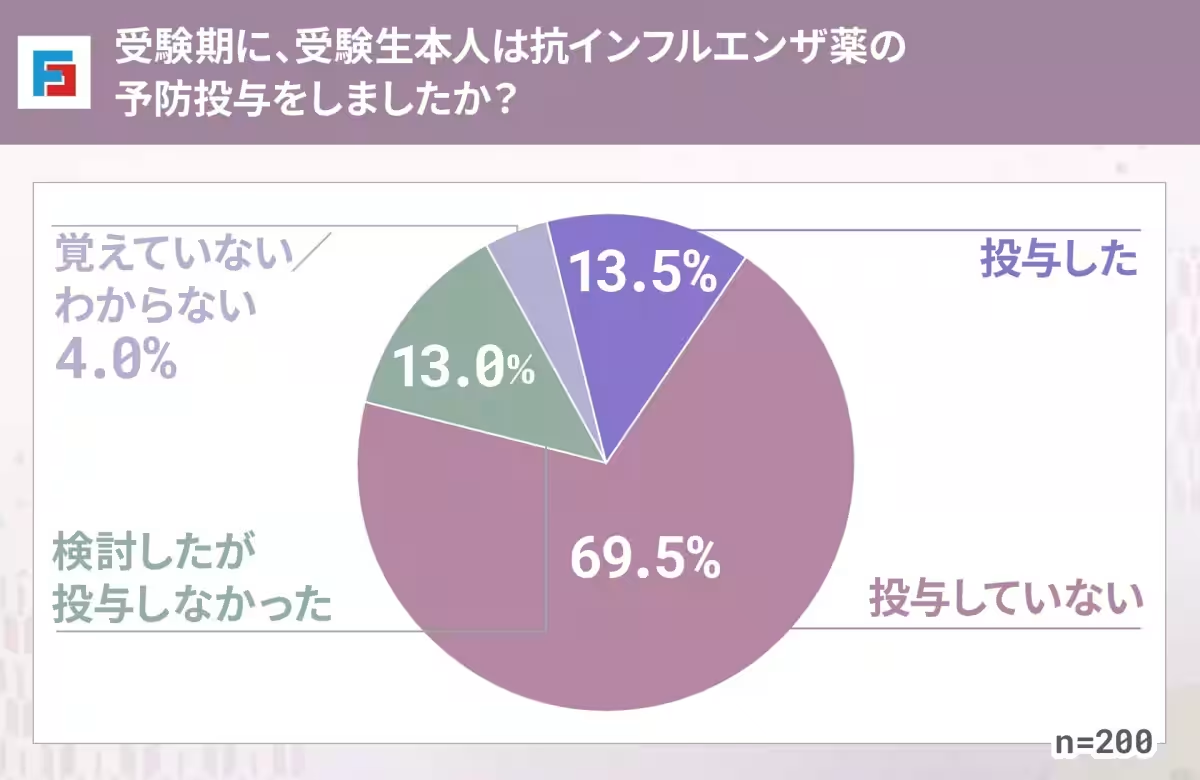
- - Around 70% of participants were not well-informed about the administration of antiviral prophylactics.
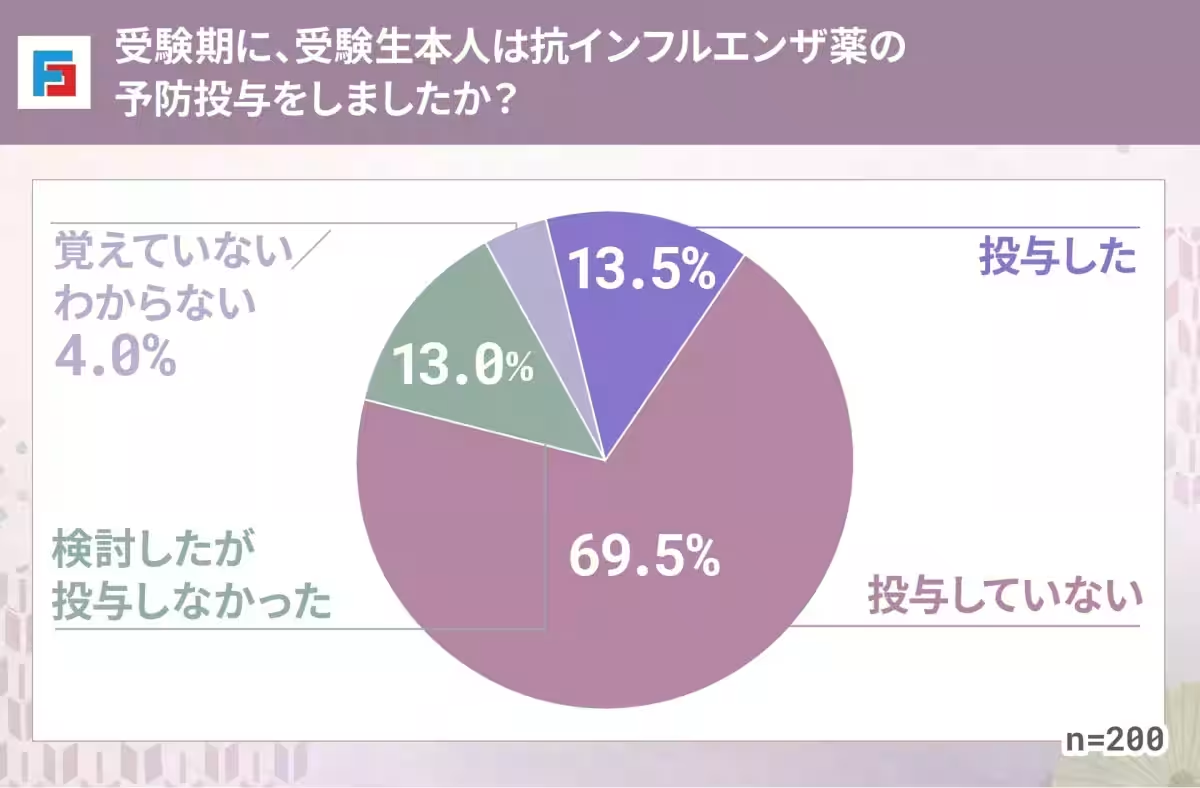
- - Only 13.5% had actually undertaken such preventative treatment.
- - Many respondents noted that maintaining manageable infection control measures is vital for student success.
Preventive Measures Adopted
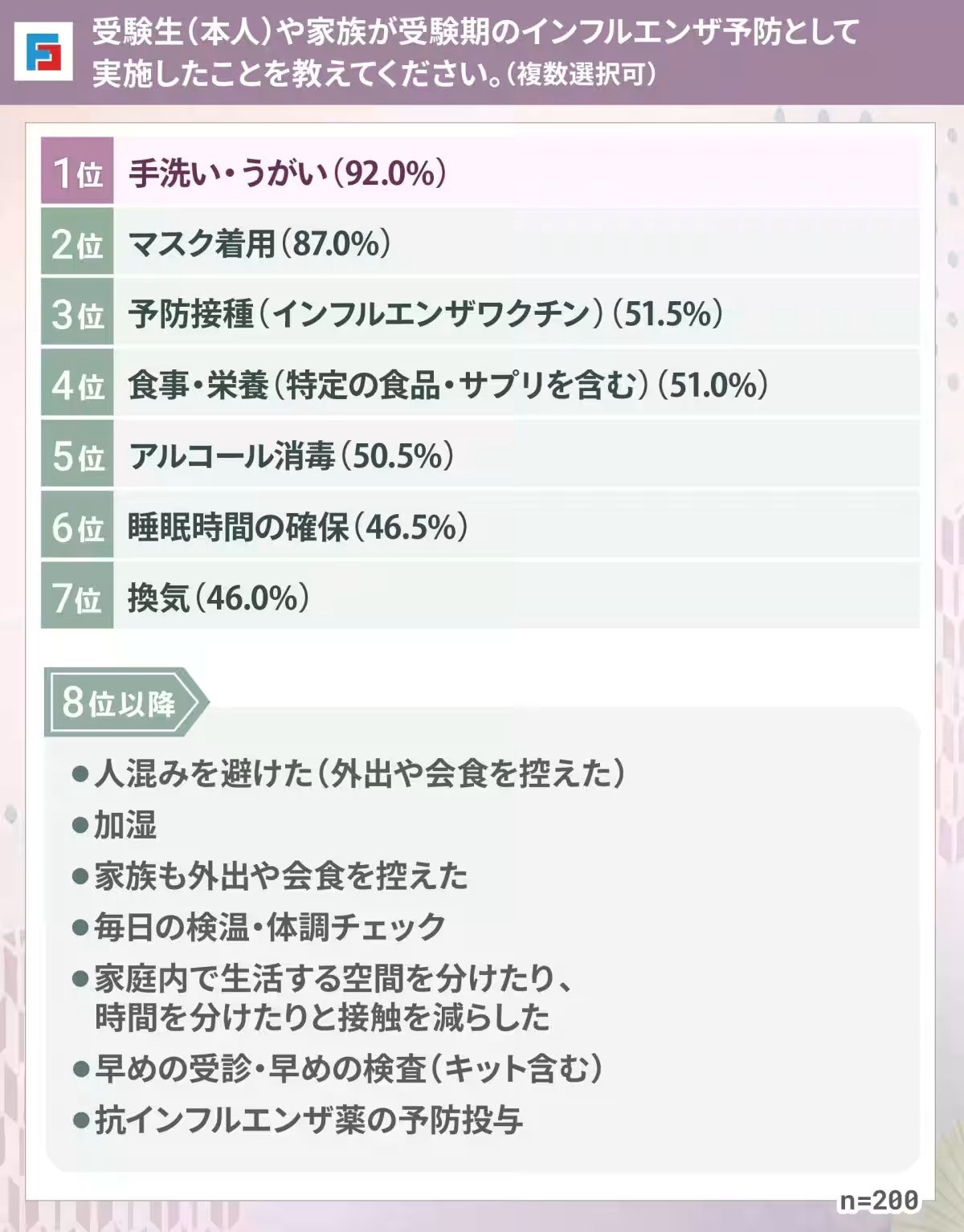
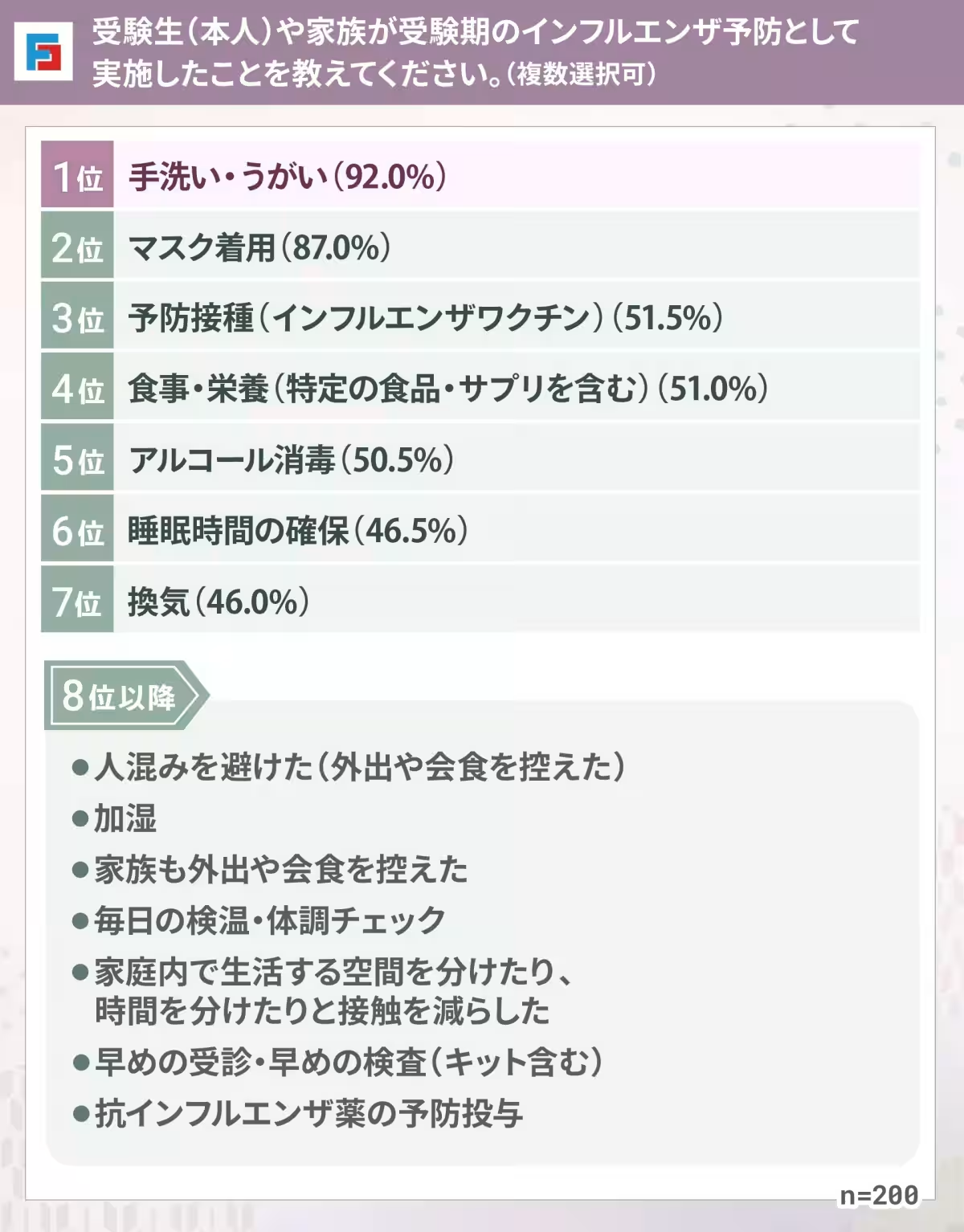
When asked what preventive actions they had taken during the exam period, families primarily engaged in basic hygiene practices. The leading responses included:
- - Handwashing and gargling (92.0%)
- - Wearing masks (87.0%)
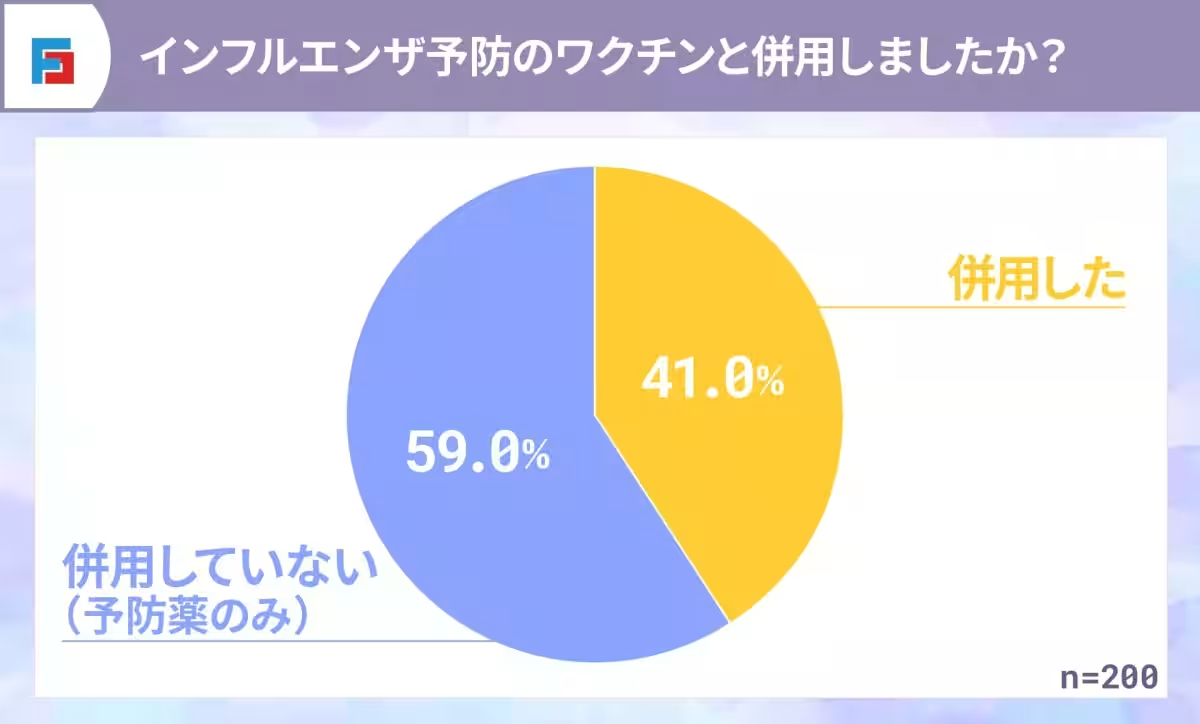
- - Receiving flu vaccinations (51.5%)
- - Paying attention to diet and nutrition (51.0%)
This data highlights a primary reliance on fundamental protective measures, like handwashing and mask-wearing, complemented by vaccinations and improved lifestyle habits.
Regrets During Exam Period
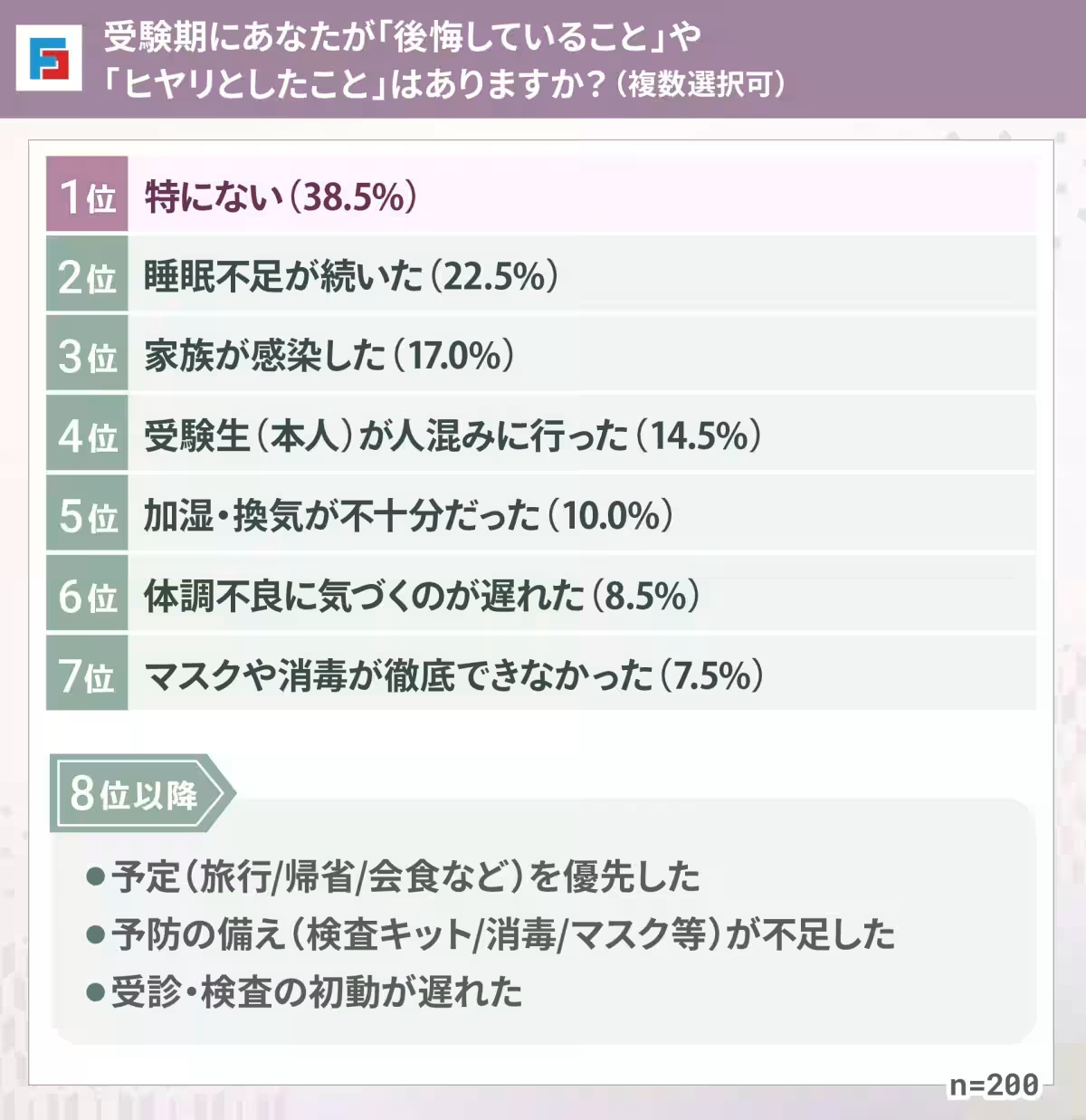
When queried about regrets or alarming experiences during the exam period, 38.5% reported having none, while others highlighted:
- - Continued sleep deprivation (22.5%)
- - Infection among family members (17.0%)
These results indicate that while a subset managed to navigate the exam period with minimal issues, others faced significant challenges related to fatigue and illness.
Knowledge of Antiviral Prophylactics
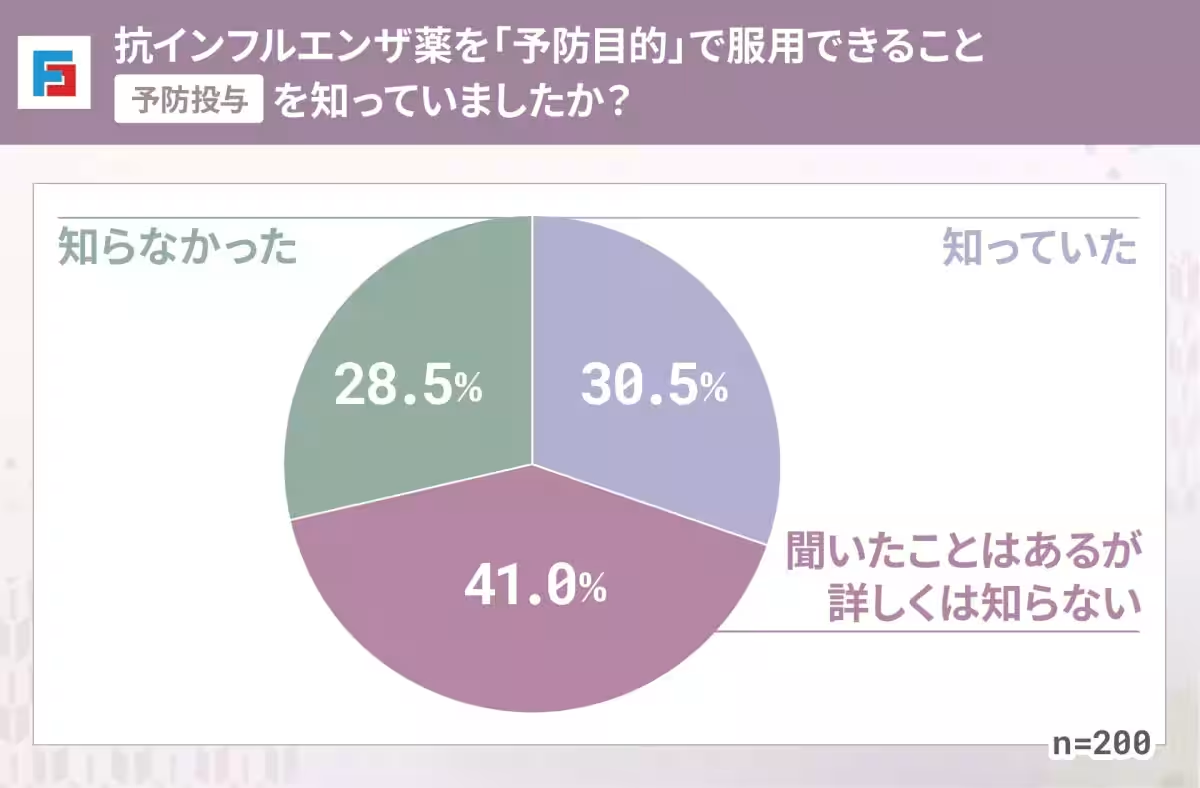
The survey also examined participants' knowledge regarding antiviral prophylactics. About 69.5% admitted to either having heard of the treatment but lacking detailed knowledge or being unaware altogether. The low comprehension level suggests a lack of dissemination of crucial information about the prevention of flu, particularly during exams. Only 13.5% had actually implemented these preventative measures themselves.
Timing of Prophylactic Treatments
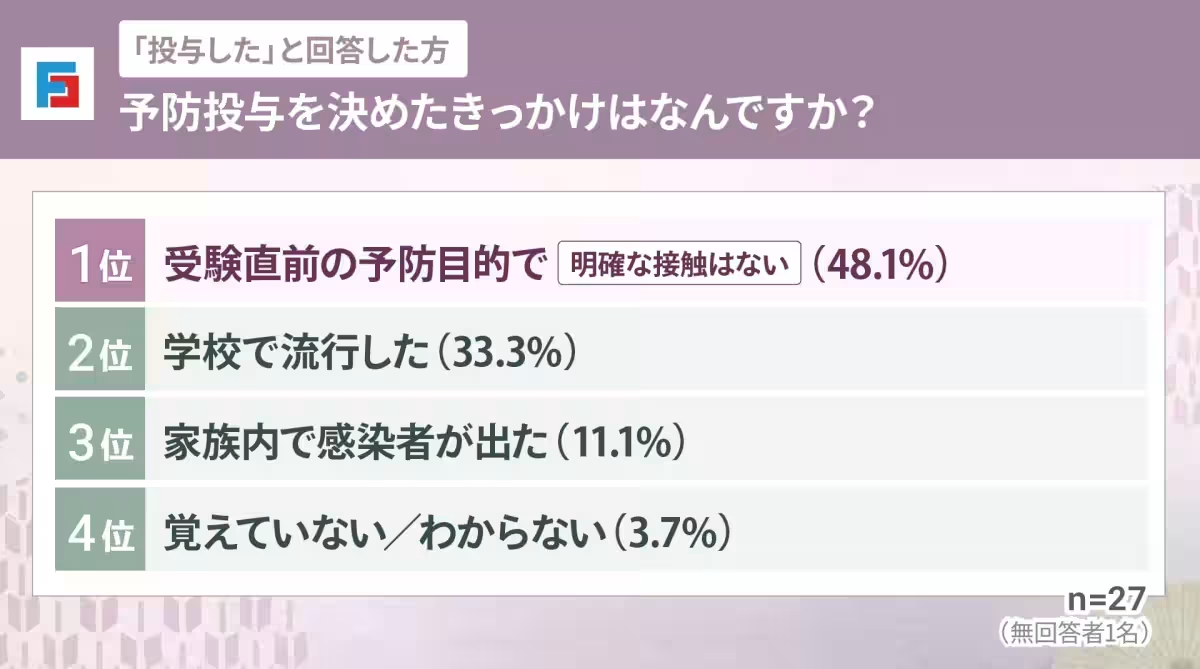
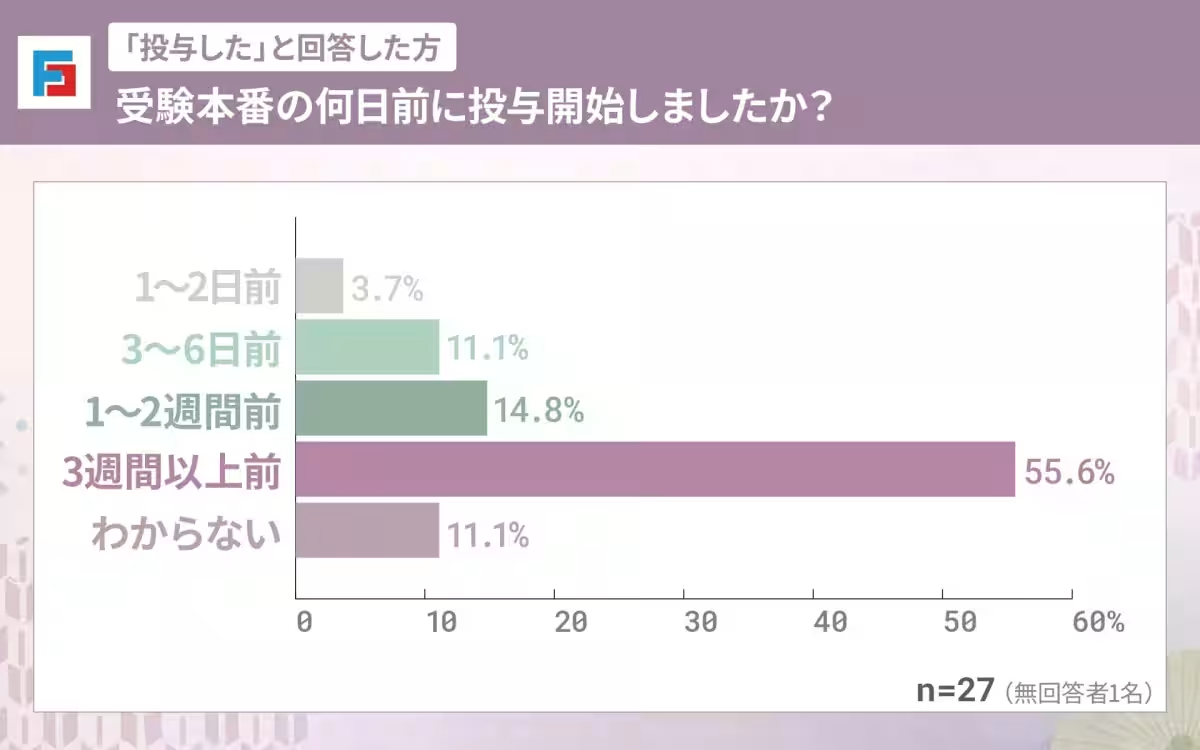
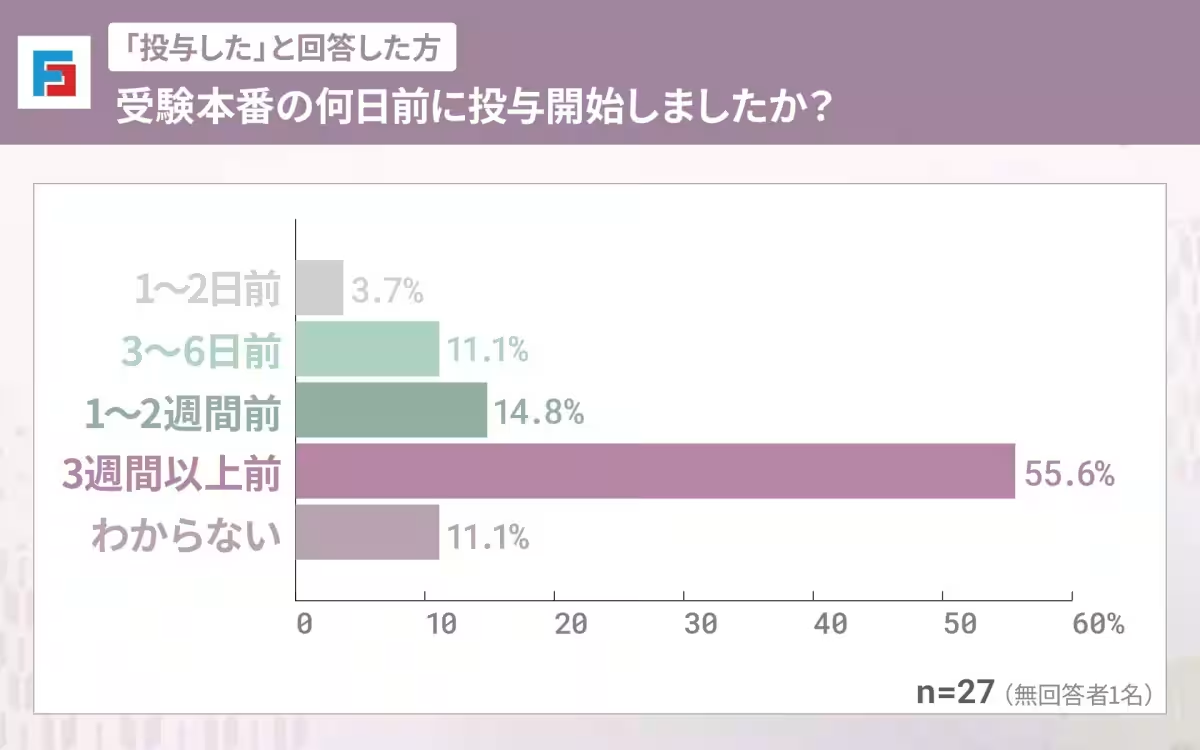
Those who pursued antiviral treatments often did so shortly before exams, with 55.6% stating they began treatment more than three weeks prior. However, other respondents reported starting within one to two weeks leading up to their exams, indicating a need for better access to accurate information surrounding flu treatments during critical times.
Response to Household Flu Infections
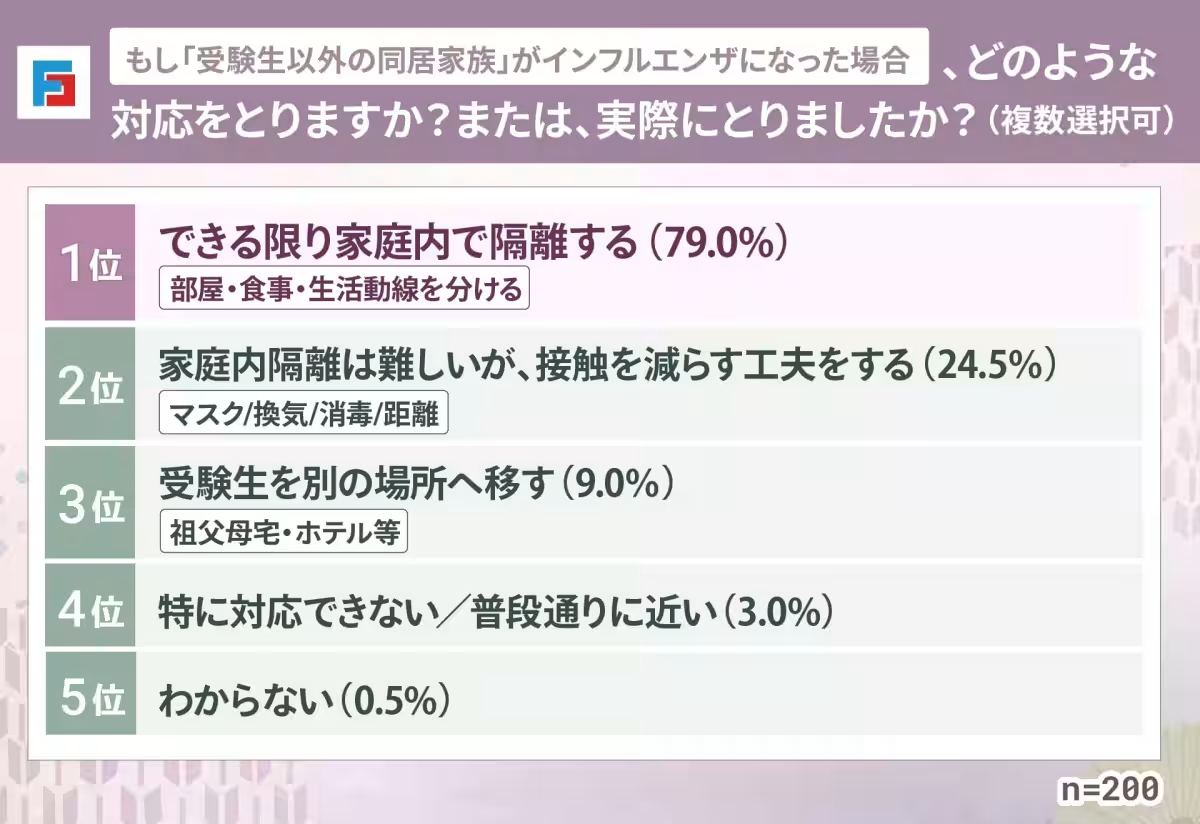
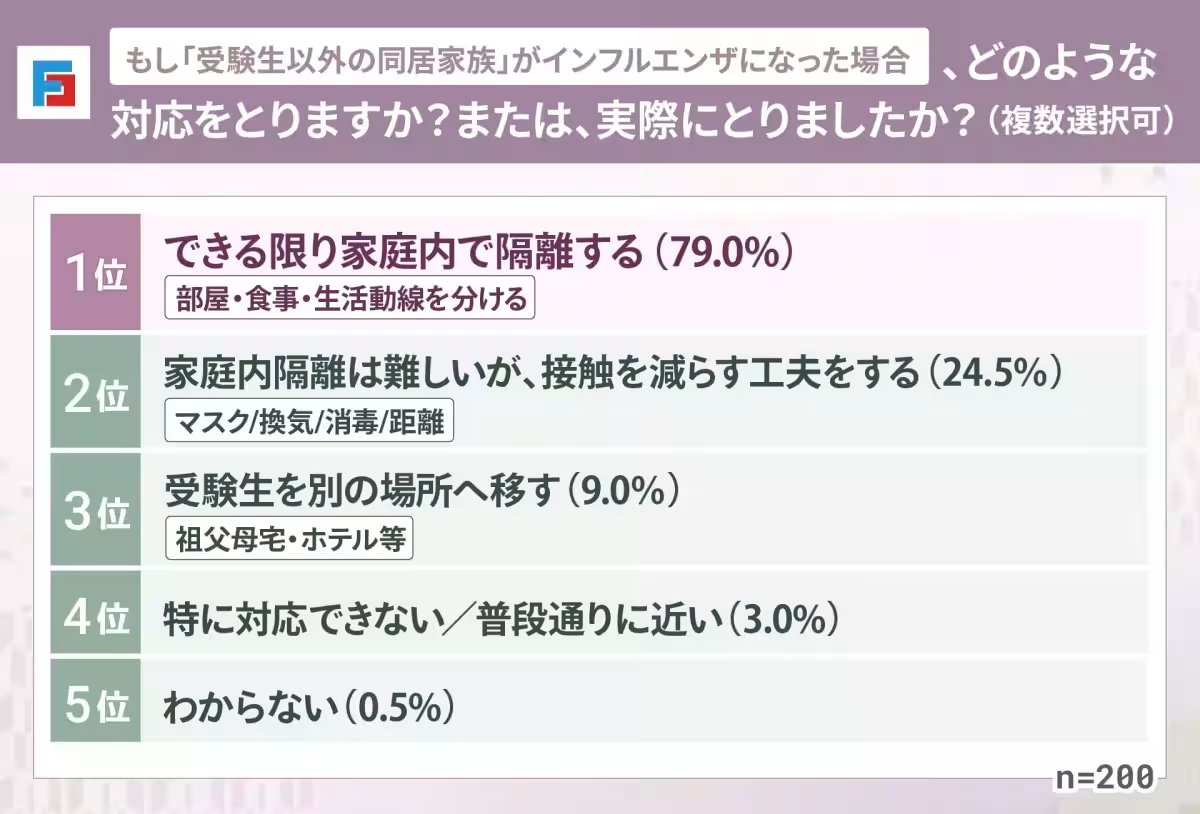
The survey also inquired how families react when a non-student household member contracts the flu. A significant 79.0% indicated they would attempt to isolate the infected individual as much as possible, while another 24.5% noted they would reduce contact where feasible. This reinforces the idea that families recognize the importance of minimizing the spread of infection during exam seasons.
Advice from Other Families
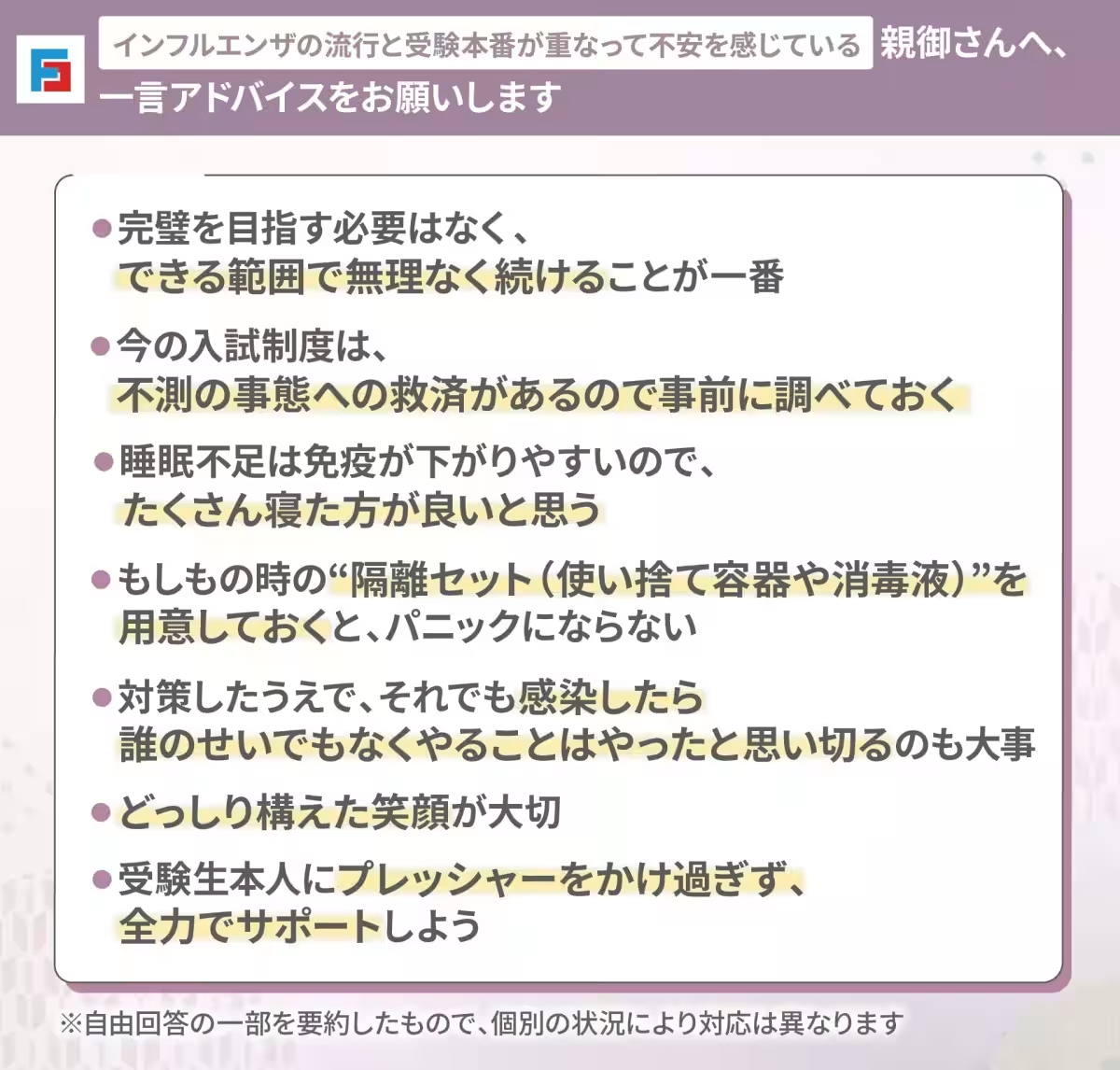
Respondents were also encouraged to share advice with families preparing for this year's exams. Many stressed that while infection control measures are crucial, it’s also important not to aim for perfection. Suggestions included ensuring mental resilience, preparing for contingencies like exam recovery procedures, and having emergency supplies for family infections.
Focusing on both infectious disease prevention and mental preparedness can significantly enhance family comfort and security during these challenging times.
Understanding Antiviral Prophylactics
Antiviral prophylactics are used when individuals are at high risk of flu exposure, particularly during close contact with infected persons. This post-exposure strategy is designed to suppress viral replication before symptoms manifest. In contrast, vaccines build up immunity before exposure, illustrating the benefits of combining both strategies to augment prevention efforts.
Conclusion
Given the survey, it is essential for families to be aware of flu prevention strategies and to prioritize rest and health during exam periods. Information surrounding antiviral treatments must be more widely available to ensure that families can make informed decisions during the flu season. At Fit Clinic, we emphasize the importance of proactive health measures and remain committed to supporting families through dedicated online consultations and treatment options.
For more information about our clinics, antiviral prescriptions, and our approach to other health issues, including mental well-being during exams, visit our website. Let us help you navigate these challenging times with the right support!





Topics Health)
【About Using Articles】
You can freely use the title and article content by linking to the page where the article is posted.
※ Images cannot be used.
【About Links】
Links are free to use.