




Expansion of Pre-Planting Contracts to Support Rice Producers in the U.S.
Expansion of Pre-Planting Contracts to Support U.S. Rice Producers
In a significant move to bolster the rice industry, the National Rice Sales Cooperative (ZNB) headquartered in Chuo-ku, Tokyo, has announced that it will be overseeing a crucial initiative funded by the Ministry of Agriculture, Forestry and Fisheries (MAFF). The project supports the expansion of pre-planting contracts, which will officially begin a second round of recruitment on July 27, 2026. This initiative is an essential step toward enhancing supply chain stability and ensuring that consumer demands are effectively met.
Understanding Pre-Planting Contracts
Pre-planting contracts are agreements formed before the actual sowing of rice. These contracts involve discussions among producers, distributors, and end-users, covering vital aspects such as quantity, price, quality, variety, and delivery methods. Given the cyclical nature of rice production, which generally sees one crop per year, pre-planting contracts help mitigate the long-term impacts of fluctuating supply and demand, which have become more unpredictable due to recent changes in food consumption patterns, declining populations, and climate change.
The Importance of Pre-Planting Contracts
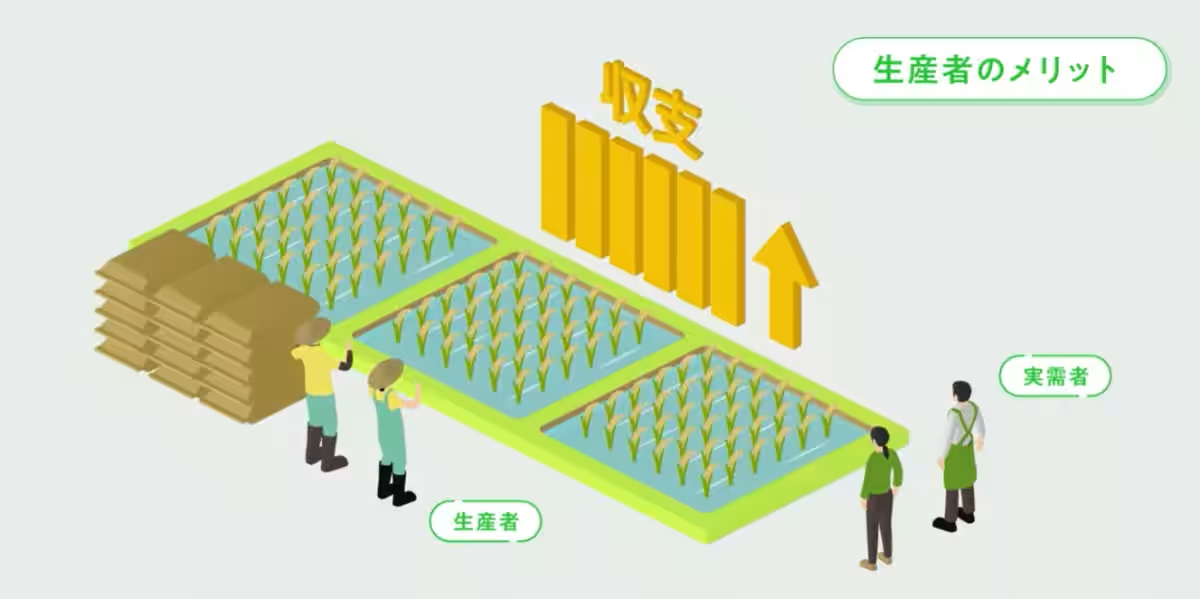
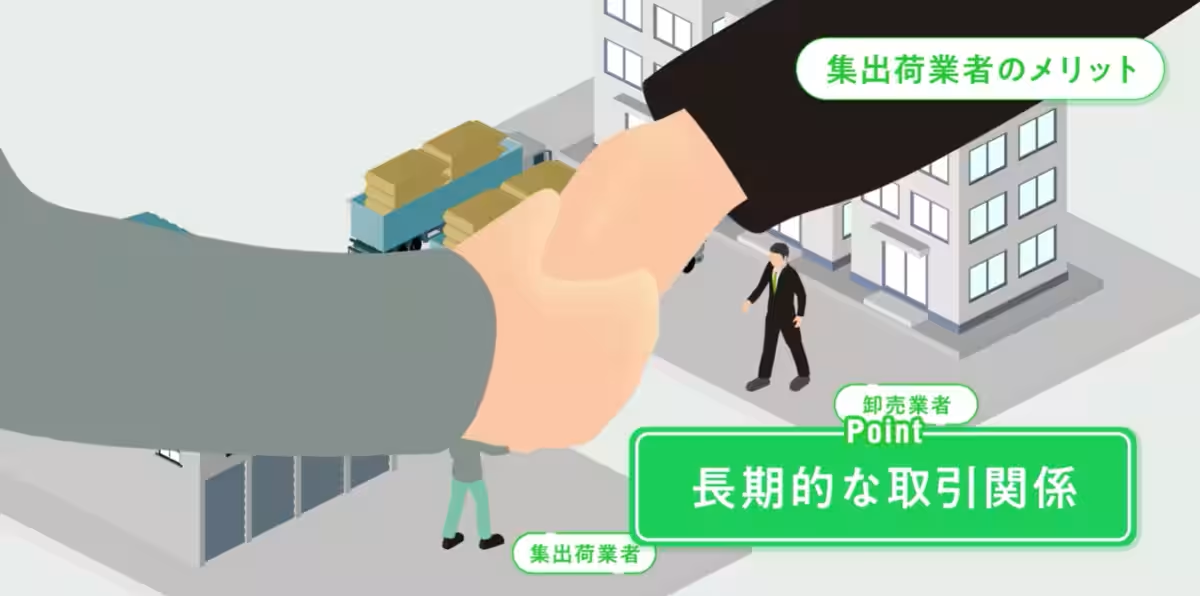
These contracts serve as an essential mechanism for aligning production with the real needs of consumers, promoting stable rice supply. For producers, securing buyers in advance means predictable income, allowing for better planning and investment in their farms. Additionally, distributors can leverage these agreements to secure desired quantities and qualities, while end-users can more reliably source rice that meets their specific requirements.
Primary Areas of Support
The project emphasizes several key areas of support aimed at strengthening the pre-planting contract framework:
1. Establishing Stable Supply Channels: This focuses on fostering stable supply relationships through meetings, farm visits, technical support, and informational seminars to broaden the reach of pre-planting contracts.
2. Product Development and Marketing: Financial assistance will be provided for the development of products utilizing rice bought under pre-planting contracts, including prototype creation, packaging design, promotional materials, and marketing efforts.
3. Equipment Development and Improvement: Subsidies will extend to the development and installation of necessary equipment for creating products that incorporate rice obtained via these contracts, excluding mere upgrades of existing machinery.
Financial Support Parameters
The support provided by the ZNB varies based on the nature of the initiatives undertaken. The funding guidelines indicate either fixed amounts or coverage of half the costs, with a cap of 10 million yen (about $100,000) per initiative. Eligible expenses can cover travel for farm visits, venue rental for seminars, advertising, raw materials for prototypes, and essential development costs.
Target Audience
The support targets initiatives that lead to new pre-planting contracts or expand existing ones for domestic rice production from the 2029 crop year onwards. Participants are encouraged to explore this opportunity and submit the necessary documentation by September 30, 2026. The expected announcement of grant decisions is scheduled for November 2026, ensuring that all selected initiatives can commence by March 1, 2027.
The Role of National Rice Sales Cooperative
The National Rice Sales Cooperative, represented by its RiceJ. mark, embodies the aspiration for unity among producers, sellers, and consumers in the rice industry. With a commitment to quality product creation and stable supply, the cooperative plays an invaluable role in addressing the complex needs of the market while enhancing the economic standing of its members.
This initiative marks a crucial turning point for rice growers in the U.S., paving the way for sustainable practices that effectively bridge the gaps between production and consumer expectations, and fostering resilience in the face of ongoing agricultural challenges. For more details, inquiries can be directed to the ZNB’s Business Department at their Tokyo headquarters.


Topics Business Technology)
【About Using Articles】
You can freely use the title and article content by linking to the page where the article is posted.
※ Images cannot be used.
【About Links】
Links are free to use.