



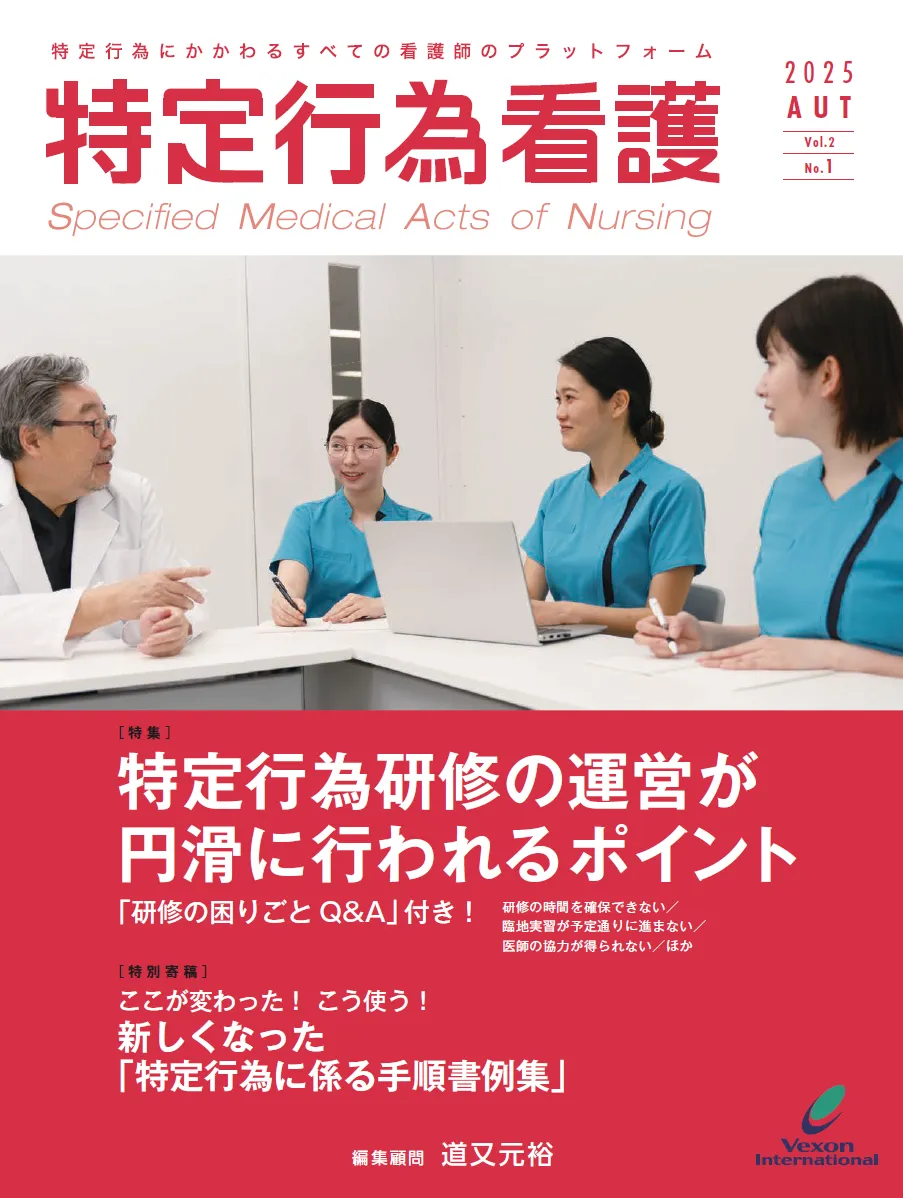
Unveiling the Essentials for Smooth Operation of Specific Act Training
Unlocking Efficient Specific Act Training Management
As the number of designated training institutions for specific act training continues to grow, many organizations grapple with operational challenges despite having established systems. This article highlights the significance of smooth operations within these institutions and shares insights from three facilities that excel in this area. They will detail their practical experiences and offer tips on how to navigate common hurdles while also discussing examples of effective external support that can enhance training processes.
Feature 1: Key Points for Smooth Operations
Training programs in the medical field, particularly those focusing on specific actions, require well-defined structures and strategies to function effectively. Here are some insights into how designated training institutions can achieve this:
1. Building a Comprehensive Educational Framework: Institutions should focus on creating a diverse and sustainable education system that addresses various needs. This approach helps in developing well-rounded training programs that benefit all participants.
2. Time Management for Trainees: Institutions have to create flexible training opportunities which allow trainees to balance their work commitments while participating in training sessions. Adopting a staggered schedule for sessions can facilitate this balance.
3. Leveraging Human Resources: Utilizing a variety of skilled personnel ensures that operations run smoothly and that ample learning opportunities are provided. Institutions can capitalize on their diverse talent pool to maintain efficiency and productivity.
4. Utilizing External Support: Engaging with consultants or implementing e-learning platforms can play an essential role in bolstering educational operations. This shift not only improves the efficiency of training delivery but also supports human-centric learning.
Q&A: Addressing Common Training Challenges
This article also features a Q&A section addressing key concerns that many institutions face:
1. How to Ensure Sufficient Trainee Numbers?
2. Strategies for Securing Training Time?
3. What if Field Training Schedule is Disrupted?
4. How to Secure Necessary Case Numbers for Practical Training?
5. What to Do When Physician Cooperation is Lacking?
Feature 2: Supporting Specific Nursing Activities
The second focus of this issue elucidates what effective support structures are in place for specific nurses within institutions. Two exemplary institutions will share their actionable strategies aimed at empowering specific nurses by aligning organizational structures to nurture their expertise in various wards.
Feature 3: Mastering Packages and Subject Separation
In response to numerous requests for practical examples from those who have completed specific act training, this section will delve into case studies around three different packages: common subjects, class-specific subjects, and area-specific packages. Each segment will unfold actual steps taken during the execution of these acts, supplemented by clinicians' assessments and insights.
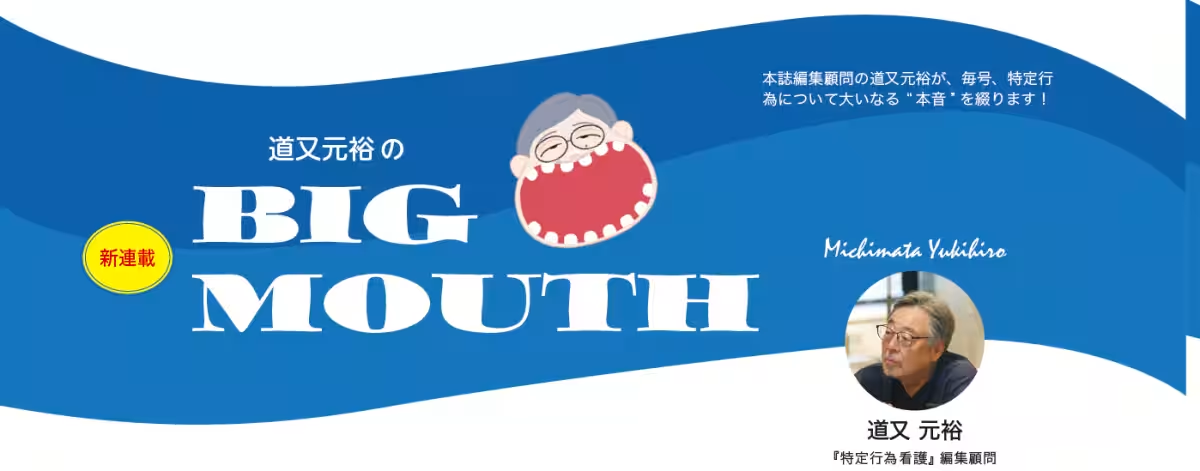
New Column: Hiroshi Michimata's Big Mouth
In a new regular feature, Hiroshi Michimata, our editorial advisor, will candidly share his honest perspectives on specific actions in each issue. His first entry tackles the often daunting title of “specific act training” as a rite of passage in a nurse's career.
This latest edition, titled '[Specific Act Nursing] Vol. 2 No. 1', is set for release on September 20, 2025. With a focus on operational efficiency and support within the nursing field, we are excited to share valuable content that will be instrumental for both current professionals and upcoming trainees in enhancing their practice.


Topics Health)
【About Using Articles】
You can freely use the title and article content by linking to the page where the article is posted.
※ Images cannot be used.
【About Links】
Links are free to use.