



Cooperative Unions Present Sustainable Rice Policy Proposal to Agriculture Ministry
Sustainable Rice Policy Proposal Presented to the Ministry of Agriculture
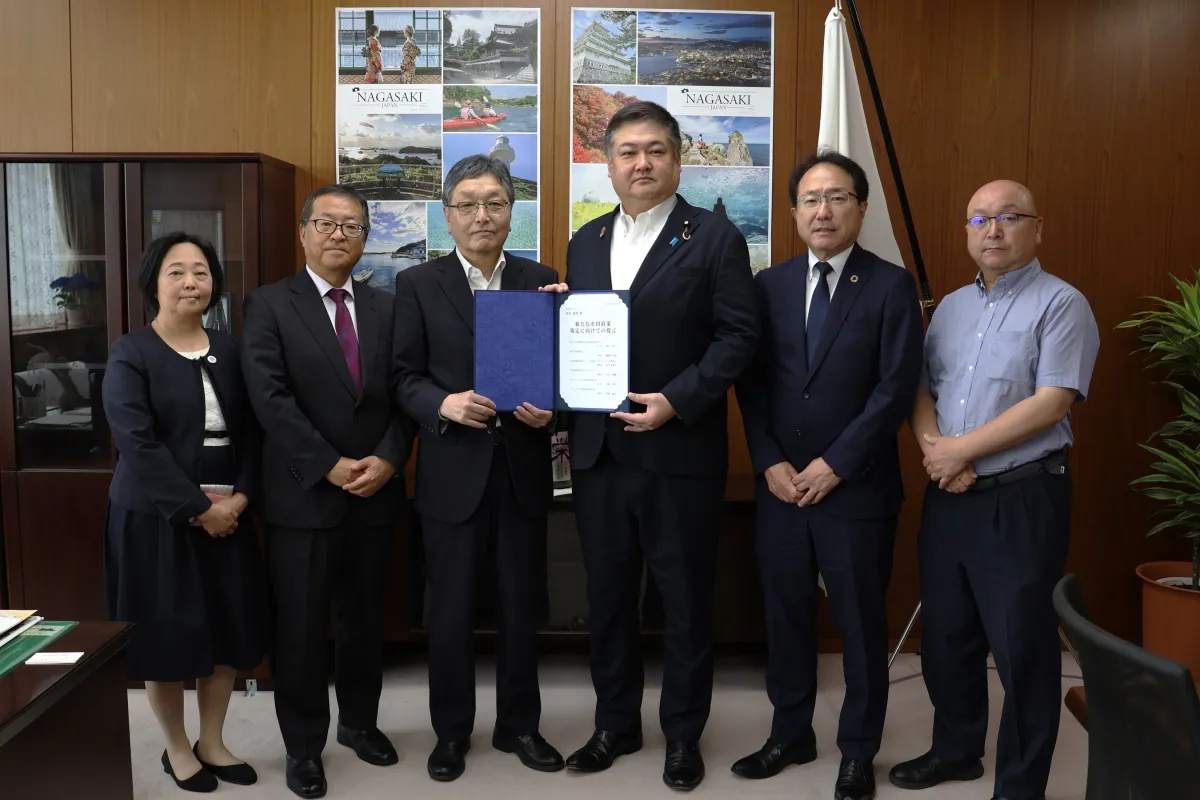
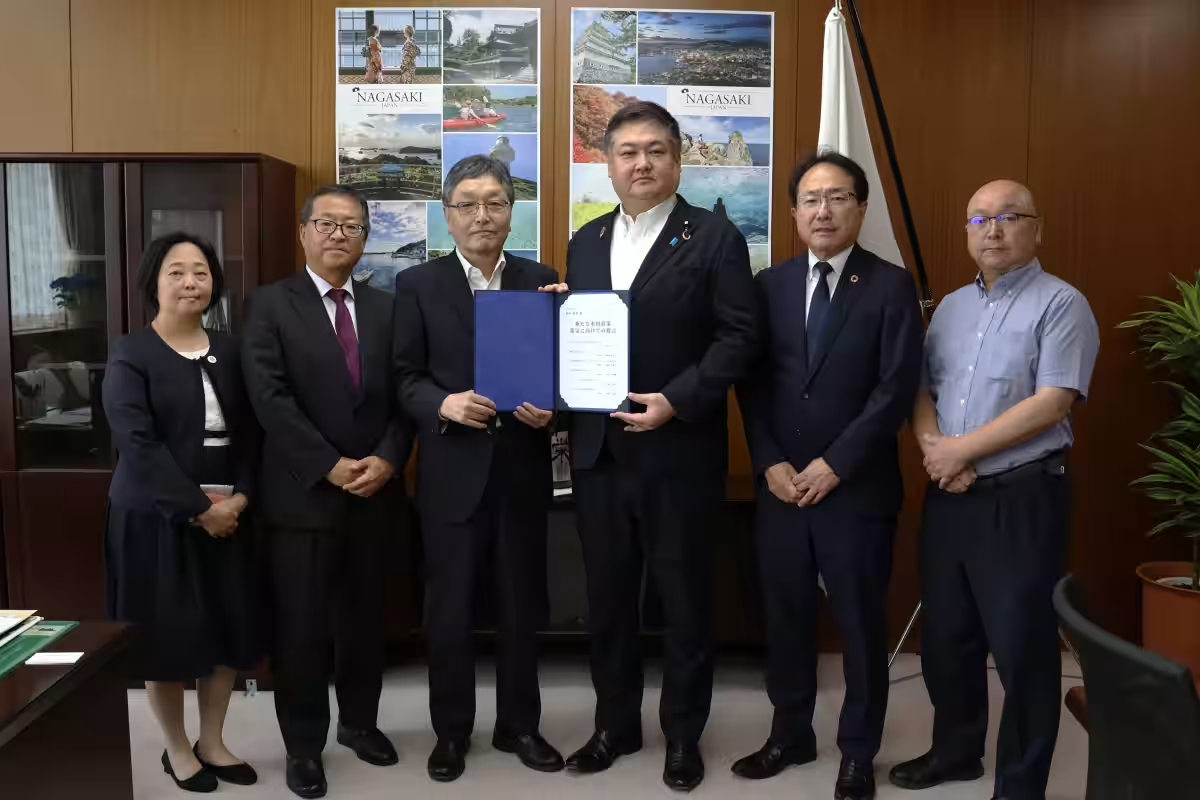
On June 23, 2026, six cooperative groups, led by the Seikatsu Club, visited the Ministry of Agriculture to submit a proposal titled "Recommendations for New Rice Paddies Policy." This initiative aimed to address food security and sustainable agricultural practices in response to upcoming policy revisions by the government. The proposal was presented to Keisuke Yamamoto, the Parliamentary Vice Minister of Agriculture, Forestry and Fisheries, who expressed gratitude for the cooperative's ongoing efforts to support both producers and consumers, emphasizing the importance of sustainable practices in building community foundations.
The six cooperatives, representing approximately 3.25 million households, each engage in partnerships with producers to create a cycle of support and resource efficiency, pursuing a sustainable society. With plans for a review of rice paddy policies by the government by 2027, the proposals presented covered crucial issues affecting both producers’ realities and consumer expectations regarding agricultural policies.
Key Recommendations
The key points highlighted in the proposal focused on three main areas:
1. Food Security: Ensuring Stable Rice Supply and Self-Sufficiency
- - Addressing Decreased Demand: Acknowledging the declining demand for staple rice due to population decrease, the proposal stressed the need for stable rice production amid natural disasters' unpredictability. It called for a robust strategy enhancing rice reserves and utilizing existing paddy fields fully.
- - Integrated Rice Production: The document suggested supporting not just staple rice but also processed and feed rice, ensuring a balanced production approach that meets diverse consumer needs. The cooperative unions have pushed for domestic feed rice production as a crucial part of the food self-sufficiency plan, aiming to replace imported feed with locally produced grains.
- - Continuity in Production: Reflecting on the recent rice shortages, the unions recognized the necessity of maintaining stable production levels of feed rice, which showed a significant drop recently. They urged the government to consider alternative solutions for overabundant rice and the need to avoid converting rice fields for other agricultural uses, preserving their multifaceted functions.
2. Sustainable Production and Consumption: Income Support and Price Stabilization
- - Rice Pricing Mechanisms: In line with consumer protection policies such as the Food System Law, the unions called for active government involvement to stabilize rice prices, ensuring fair compensation for producers. There exists a notable disparity between consumer and producer price expectations for rice, necessitating fiscal measures to bridge this gap.
- - Streamlined Supply Chain: With the decreasing number of rice farms, initiatives promoting both production and sustainable farming through direct income compensation were promoted to maintain numbers amid changing market dynamics. Policies that expand support not only to large-scale but also to small, family-run farms were highlighted for their importance in maintaining rural sustainability.
3. Environmentally-Friendly Agriculture: Promotion and Strengthening
- - Goal Alignment with Green Food System Strategy: The unions acknowledged the government’s ambitions to increase organic farming and reduce chemical inputs. They highlighted that transitioning towards an environmentally friendly approach requires ongoing investment in policies that support both producers and consumers.
- - Broaden Learning and Support: Increasing the area dedicated to organic farming is vital, along with fostering best practices among all agricultural players, especially small-scale and new farmers. The support mechanisms must evolve to encourage the adoption of organic practices, thereby assuring food safety and environmental sustainability.
Conclusion
The proposal presented outlines a strategic framework aimed at enhancing Japan's rice policy through a combination of secure production, consumer access, and environmental responsibility. The feedback from the Ministry of Agriculture underscored a commitment to considering these recommendations seriously, recognizing their potential impact on rural communities. The cooperative group's advocacy sheds light on the importance of stakeholder collaboration in shaping a sustainable food future for Japan, emphasizing the need for both immediate actions and long-term policies that facilitate these goals.

Topics Consumer Products & Retail)
【About Using Articles】
You can freely use the title and article content by linking to the page where the article is posted.
※ Images cannot be used.
【About Links】
Links are free to use.