



Gettysburg Museum Sheds Light on Hitler's Ancestry Through DNA Analysis
Gettysburg Museum Sheds Light on Hitler's Ancestry Through DNA Analysis
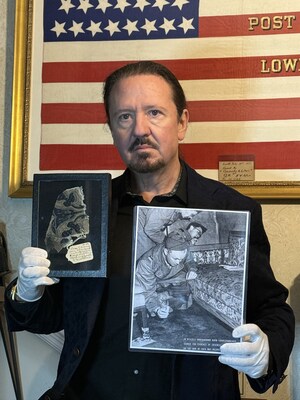
The Gettysburg Museum of History has recently sparked interest with its intriguing findings regarding Adolf Hitler's death and lineage. Released in conjunction with the new BBC documentary, Hitler's DNA: Blueprint of a Dictator, this investigation reveals crucial insights obtained from an authentic blood DNA sample. This DNA was derived from a bloodstain on the couch where Adolf Hitler is believed to have taken his own life in 1945, a testament to the museum's commitment to uncovering historical truths.
The authenticity of the findings is highly significant, as it not only dispels long-standing conspiracy theories surrounding Hitler's alleged escape but also thoroughly addresses questions about his ancestry. Over eight years, forensic researchers employed rigorous DNA sequencing and comparative analysis, leading to two pivotal conclusions emphasized throughout the documentary:
1. Official Confirmation of Hitler's Death: The investigation firmly establishes that Adolf Hitler indeed died in the Berlin bunker, rendering escape theories implausible.
2. Ancestral Findings: The DNA analysis revealed no evidence of Jewish ancestry in Hitler's paternal line, directly contradicting historical myths.
The couch from which the DNA was extracted was carefully preserved after the war by U.S. Army Colonel Roswell P. Rosengren, who documented its origin as crucial evidence from the Führerbunker. A team of independent forensic experts asserted the legitimacy of the blood sample, confirming it to be human blood associated with a gunshot wound, a significant detail that substantiates the claims made in the documentary.
Notably, journalist Jean-Paul Mulders also contributed valuable DNA samples from verified living relatives of Hitler, which were cross-referenced against the extracted DNA. Dr. Turi King, notable for her work in identifying the remains of King Richard III, played a crucial role in deciphering the results. Her expertise underlines the meticulousness and ethical responsibility taken by the researchers at the Gettysburg Museum and the documentary team.
Erik L. Dorr, curator of the Gettysburg Museum, expresses confidence in the findings, stating, "This research establishes beyond a shadow of a doubt that Hitler died in the bunker in 1945. The evidence directly disproves the escape theories that have circulated for decades." Dorr's commitment to presenting accurate historical narratives is reflective of the museum’s dedication to educational integrity.
However, it is essential to note that several media outlets have placed emphasis on speculative interpretations regarding potential medical conditions reflected in Hitler's DNA, such as hormonal or developmental issues. The museum highlights that these discussions diverge from the core historical findings, which focus on Hitler's demise and familial background rather than psychological or physical attributes.
Hitler's DNA: Blueprint of a Dictator is set to air in two parts on BBC Channel 4 in the United Kingdom this coming Saturday, with plans for an American broadcast to follow. This documentary promises to offer viewers an unprecedented glimpse into the investigation, enhancing public understanding of one of history's most infamous figures.
To delve deeper into the findings of this documentary and examine the full scope of evidence, a fact-checking article is available on the Gettysburg Museum of History's official website. It outlines not only the groundbreaking revelations but also the museum’s ongoing efforts to curate and disseminate historical data accurately, ensuring that future generations can engage with and learn from our past.
For more information or media inquiries, please contact Erik Dorr, Curator at Gettysburg Museum of History.
_Scheduled Airing: Hitler's DNA: Blueprint of a Dictator - BBC Channel 4, Saturday._
Visit the Gettysburg Museum of History
Topics Entertainment & Media)
【About Using Articles】
You can freely use the title and article content by linking to the page where the article is posted.
※ Images cannot be used.
【About Links】
Links are free to use.