




AI Era Highlights the Importance of Interpersonal Skills in Corporate Training
The Shift Towards Interpersonal Skills in Corporate Training: Findings from Human Academy
As we progress further into the AI era, the dynamics of the corporate training landscape are also evolving. A survey conducted by Human Academy Inc. between March 25 and 27, 2026, sheds light on these changes, demonstrating that despite the rise of artificial intelligence, communication skills training continues to be the most prevalent category of corporate training. This finding reaffirms that human-centric skills remain vital in an increasingly tech-driven world.
Key Highlights from the Survey
Human Academy carried out a Web-based questionnaire targeting 300 HR and training personnel from various companies.
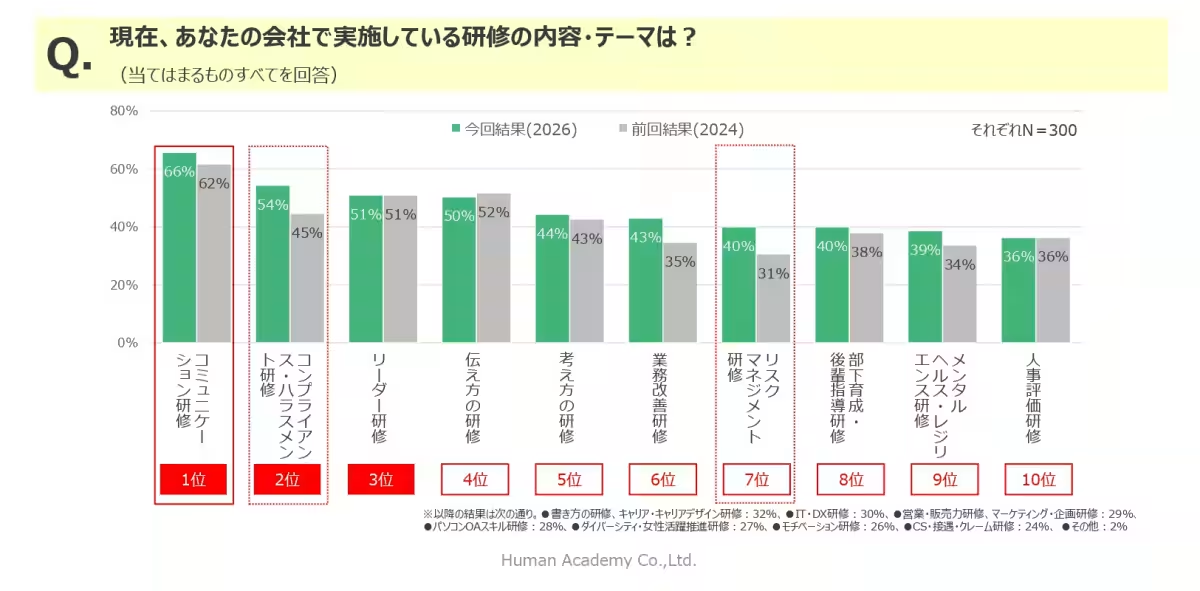
1. Continued Dominance of Communication Training: 66% of organizations reported focusing on communication skills training, which retains its top position from the previous survey conducted in 2024.
2. Resource Challenges: A significant 62% of respondents indicated budget constraints of under 100,000 yen, coupled with a persistent shortage of training personnel and time limitations, reflecting the complex challenges they face.
3. Human Capital Transparency: New regulations mandating public companies to disclose human capital information have prompted a shift in focus towards employee value enhancement, extending even to small and medium-sized enterprises.
The Changing Business Landscape
The corporate environment is undergoing rapid transformations. Starting from March 2023, public companies were required to disclose human capital information, emphasizing the need for a strategic link between skill development and business outcomes. This move highlights the growing recognition of human capital across the board, prompting companies of all sizes to take initiative in disclosing relevant information. Moreover, advancements in Generative AI and the acceleration of digital transformation demand that organizations adapt to new skills and competencies.
Survey Overview
The survey was commissioned to better understand the prevalent training topics and challenges faced by corporate training professionals. It was conducted by a reputable research firm and aimed at HR and training personnel working in private companies.
Survey Details:
- - Target Group: HR and training professionals from private companies
- - Conducted: March 25-27, 2026
- - Method: Web-based questionnaire
- - Sample Size: 300 respondents
Findings on Training Implementation
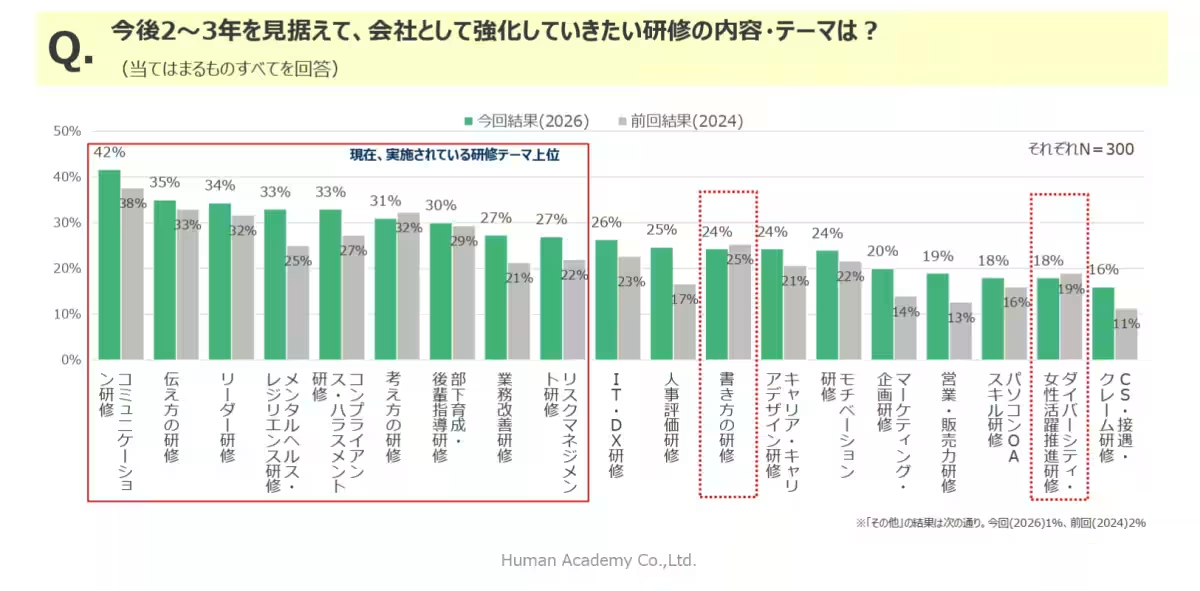
Communication training remains the most common form of training, pursued by 66% of organizations for the second consecutive year. A subsequent interest in enhancing these training programs is also reflected, as 42% expressed intentions to bolster emphasis on communication skills. These figures underscore a continued commitment to interpersonal skills development in corporate training.
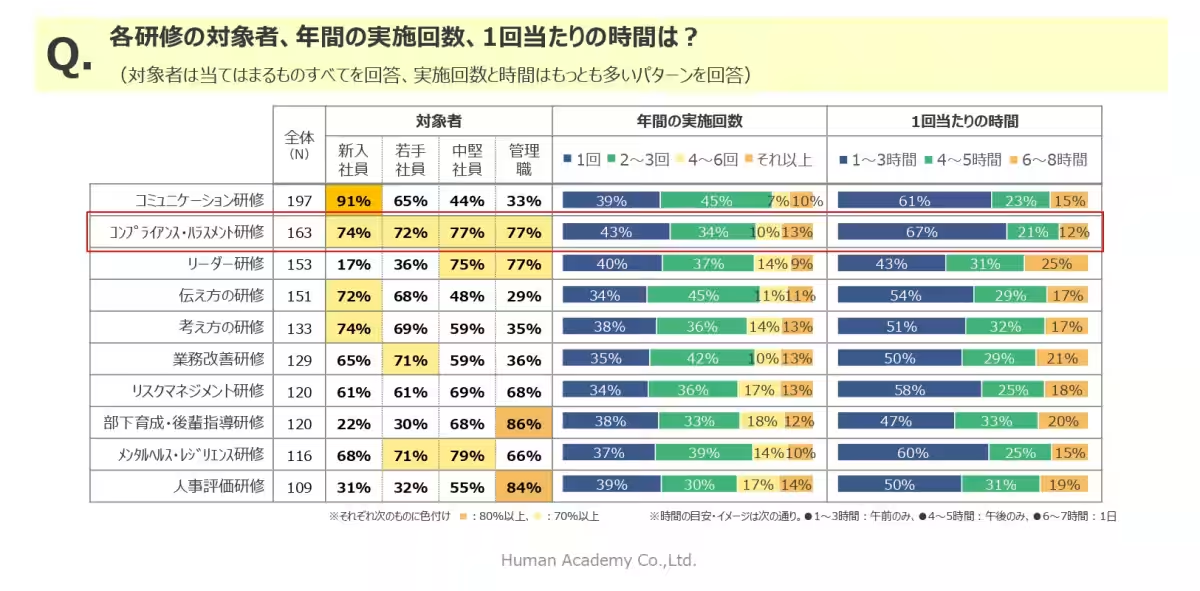
Contrastingly, compliance and harassment training are typically implemented at over 70%, highlighting a broad-based commitment to regulatory awareness across all employee levels. Notably, recent training offerings were designed following specific roles, catering primarily to mid-level and managerial executives through tailored leadership and staff development programs.
Challenges Faced in Training
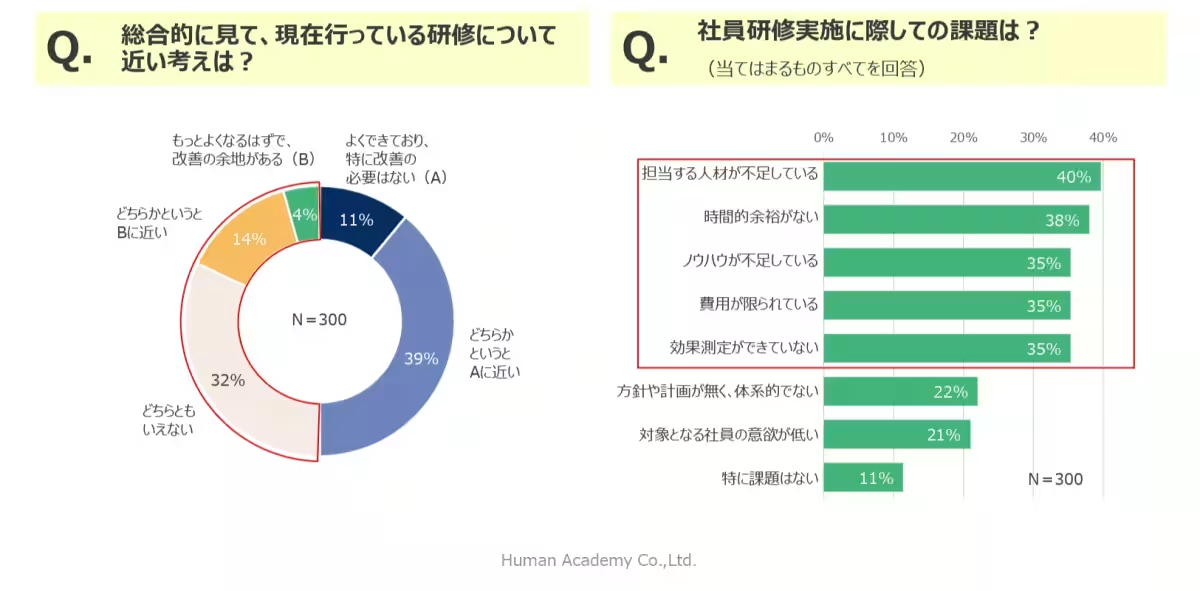
While there is a clear focus on enhancing skills, a staggering 40% of respondents noted a shortage of personnel dedicated to training, with 38% highlighting a lack of time as a significant barrier to effective training delivery. The effectiveness of current programs also presents challenges, with only 18% confident that improvements could be made, and a majority expressing uncertainty about the tangible impacts of training initiatives. Key hurdles include insufficient personnel, limited time, budget constraints, and difficulties in measuring training efficacy—all of which have compounded to create a multifaceted challenge for training leaders.
Future Directions for Training
Looking forward, communication training maintains its position as a top priority for skill enhancement, garnering 42% of votes as a key focus for the next two to three years. This reflects an ongoing dedication to improving these essential skills among employees. Interestingly, mental health and resilience training have also gained traction, emerging as a focus area reflecting a shift in workplace wellness priorities.
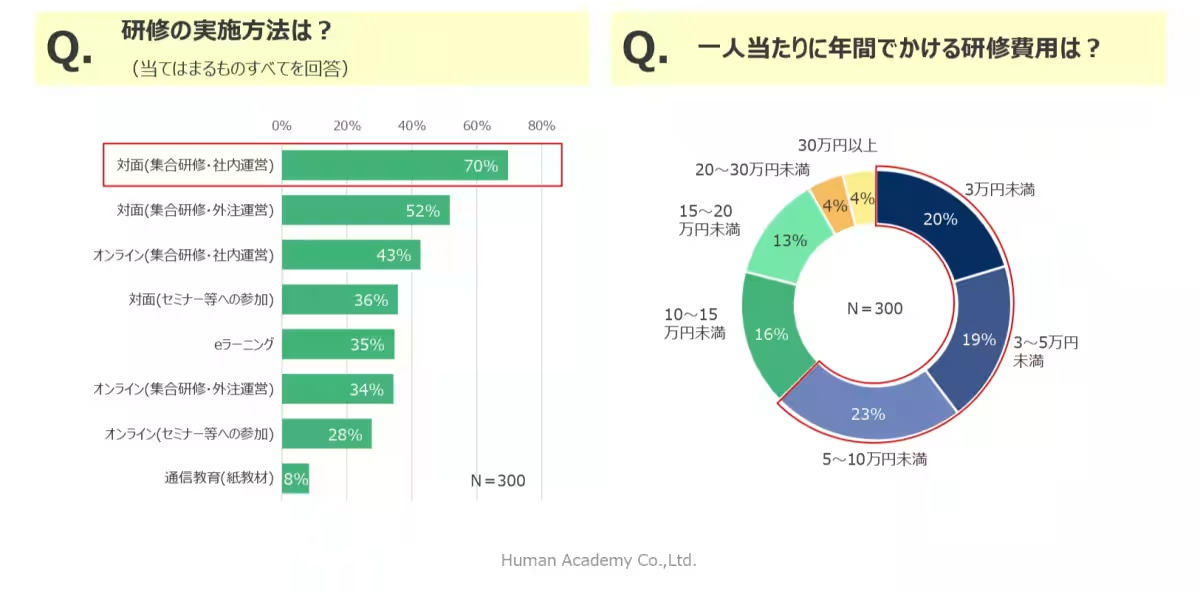
The survey reveals that face-to-face training remains the prevalent format, constituting 70% of all training efforts. Furthermore, many companies operate within tight budgetary constraints, with 62% reporting spending less than 100,000 yen per participant annually.
Conclusion
The survey conducted by Human Academy has highlighted substantial structural challenges that organizations face in their training endeavors. The persistent prioritization of communication training underscores the ongoing demand for interpersonal skills in the workplace. However, several factors—such as resource shortages, inadequate time, and financial constraints—affect training delivery and effectiveness. In these constrained circumstances, strategizing resource utilization and integrating both in-person and digital formats will be crucial for effective training management moving forward.
For more information on Human Academy's corporate training programs, visit here. Human Academy is dedicated to fostering employee development and enhancing organizational competitiveness through its educational initiatives.
About Human Academy
Established in 1985, Human Academy has served as an 'Edutainment Company' focusing on delivering engaging educational experiences. Over the years, it has developed a curriculum comprising more than 800 courses designed to support learning across all life stages. From preschool children to seniors, the academy remains committed to adapting educational content to meet evolving societal needs.




Topics People & Culture)
【About Using Articles】
You can freely use the title and article content by linking to the page where the article is posted.
※ Images cannot be used.
【About Links】
Links are free to use.