



Rising Humidity This Rainy Season Increases Acne Trouble Among Many People
Increased Acne During the Rainy Season: Insights from a Recent Survey
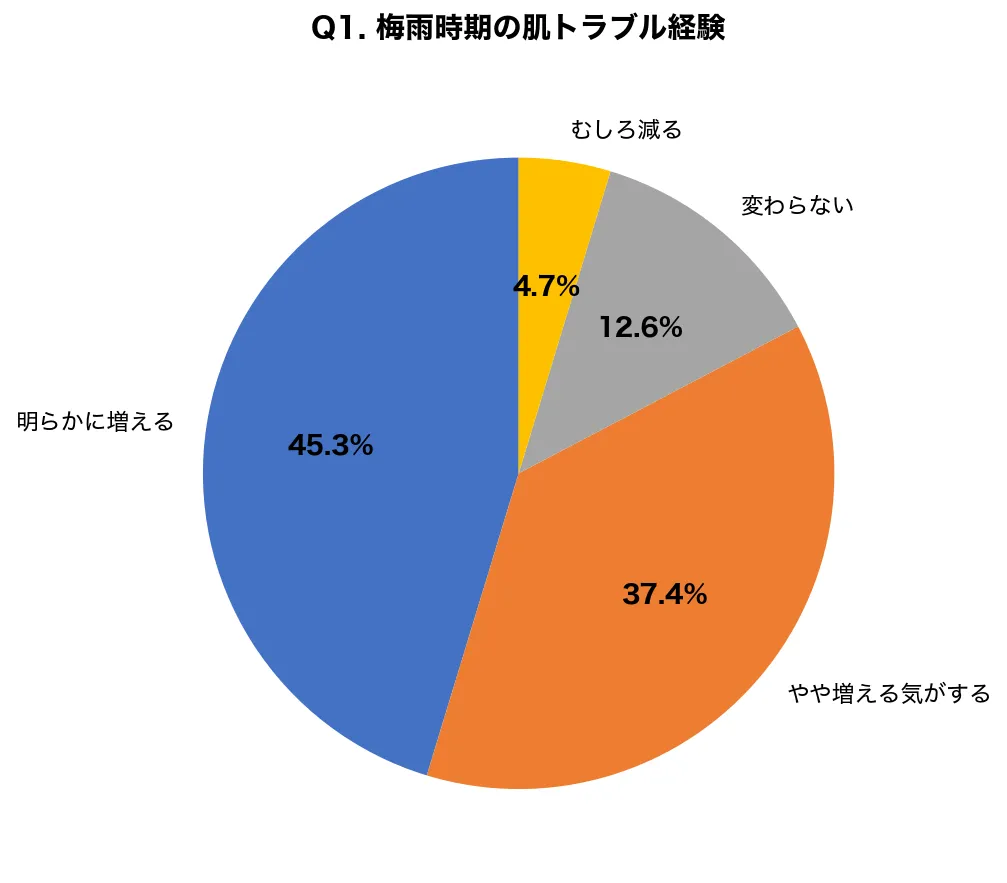
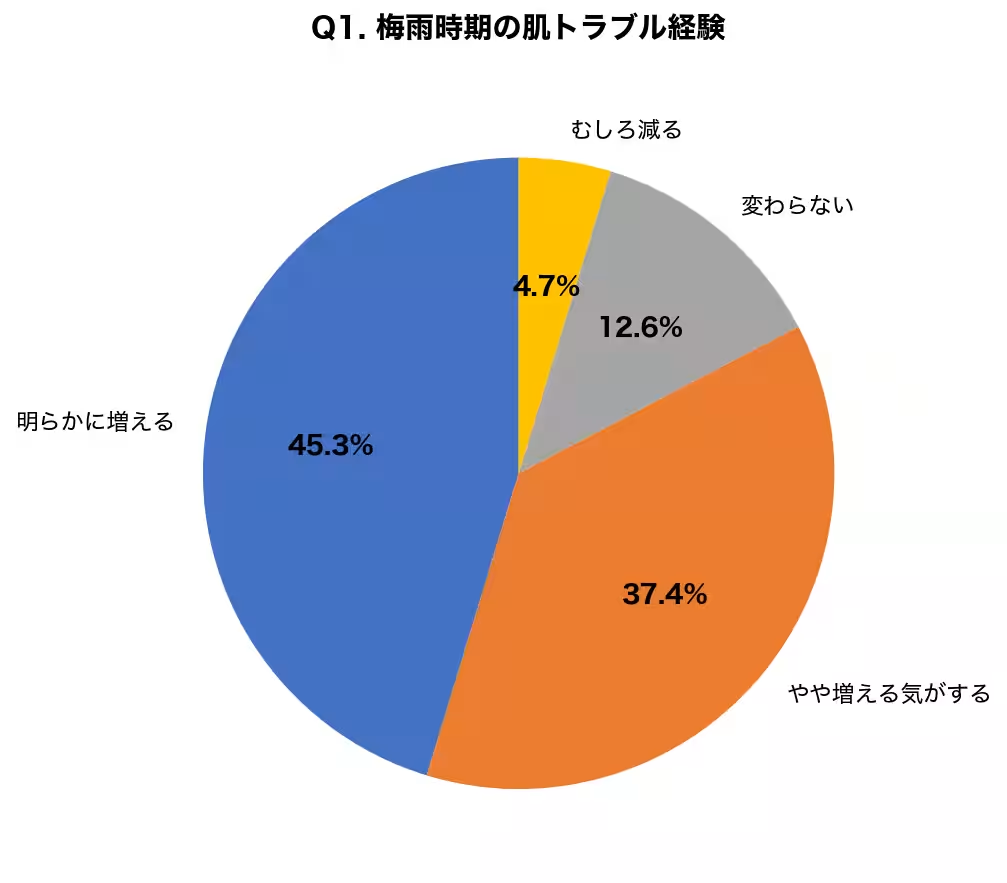
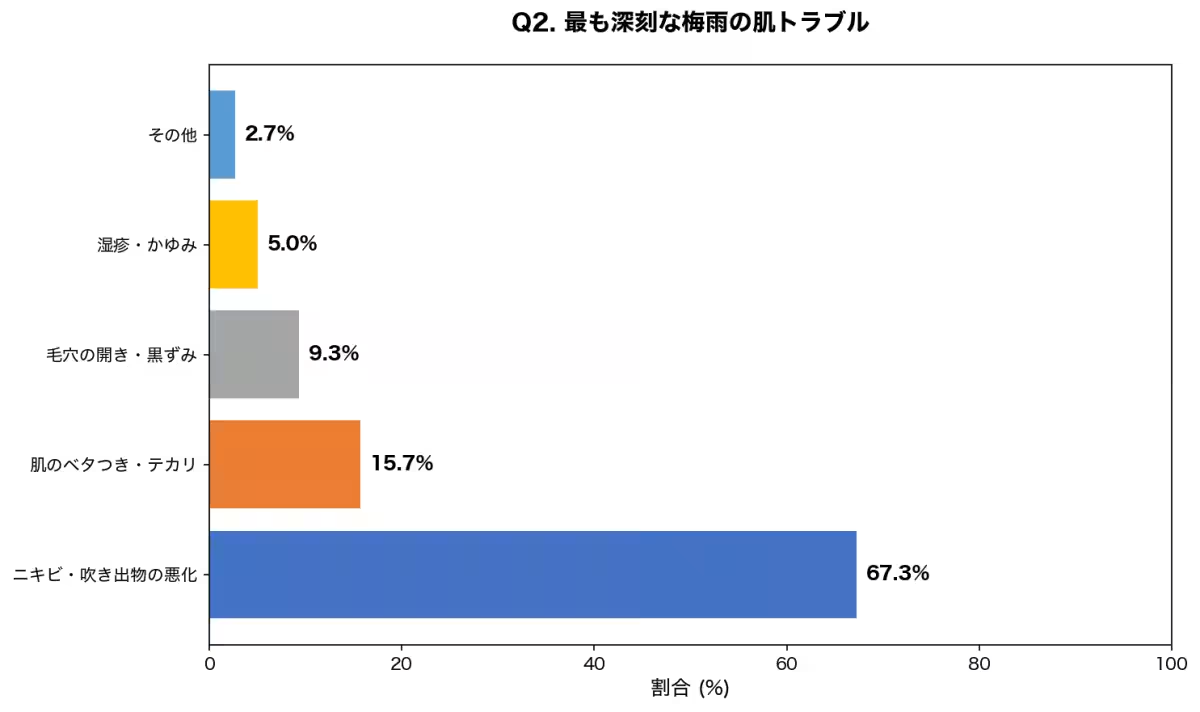
As the rainy season approaches, a recent survey conducted by the I.C. Clinic highlights a pressing skincare concern — an increase in acne troubles due to heightened humidity levels. Findings indicate that 82.7% of participants experienced skin issues during this time, with 67.3% reporting a worsening of acne and breakouts.
The Causes of Rainy Season Acne
The survey reveals that elevated humidity levels, which often exceed 70%, lead to increased sebum production and clogged pores due to sweat and oil accumulation. This combination creates a perfect environment for acne to thrive. Dermatologist Dr. Kouta Takakuwa emphasizes that proper skincare is essential during this season. The focus should be on maintaining moisturization while effectively removing excess oil rather than increasing cleansing power.
Survey Highlights
- - Skin Trouble Prevalence: 82.7% of respondents reported experiencing skin issues during the rainy season.
- - Acne Breakouts: Among this group, a notable 67.3% acknowledged a serious deterioration in their acne condition.
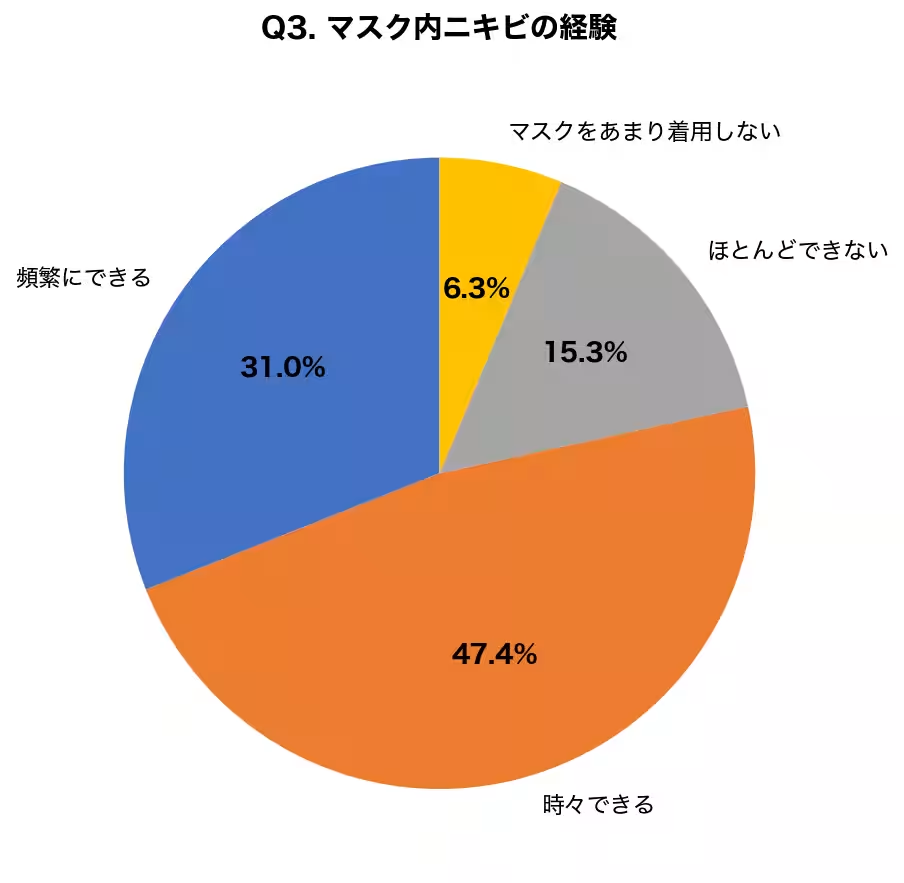
- - Maskne Concerns: A staggering 78.4% of mask-wearers experienced what is now commonly referred to as 'maskne,' with the risk doubling under humidity levels exceeding 70%.
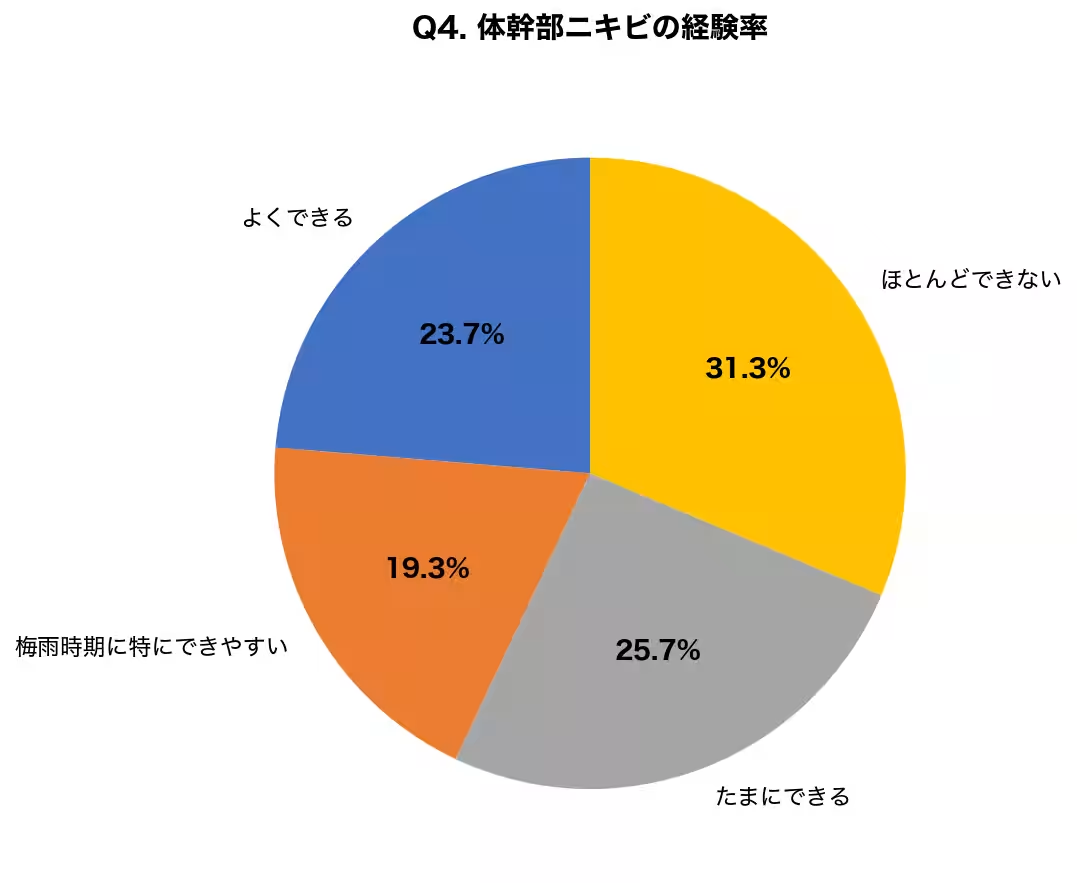
- - Body Acne: More concerning is that chest and back acne (termed as torso acne) surged by 1.8 times in the rainy season, with 61.5% of participants unaware of the correct care methods for these areas.
Understanding Rainy Season Skin Troubles
The term 'rainy season skin troubles' refers to a range of skin conditions that are likely to manifest in environments with humidity levels over 70%. These include acne, sweat rashes, and eczema. Dermatological science shows that the amount of sebum produced can increase by approximately 1.5 times normal levels during this season, making it crucial for individuals to adapt their skincare habits accordingly.
What is Maskne?
Maskne, or acne resulting from wearing masks, is primarily attributable to friction, moisture, and bacterial proliferation within the mask area. The humidity inside masks is typically 20-30% higher than that of the surrounding air, causing sweat and sebum to clog pores, especially around the chin, cheeks, and nose—a troubling increase since 2020.
Addressing Torso Acne
Torso acne surfaces on the chest and back. Unlike facial acne, it often requires differentiation from conditions like folliculitis or Malassezia folliculitis, which might not respond to standard acne treatment. This type of acne can worsen in humid conditions, warranting specific care strategies, especially since identical treatments for facial acne may not be effective.
The Importance of Adapting Skincare
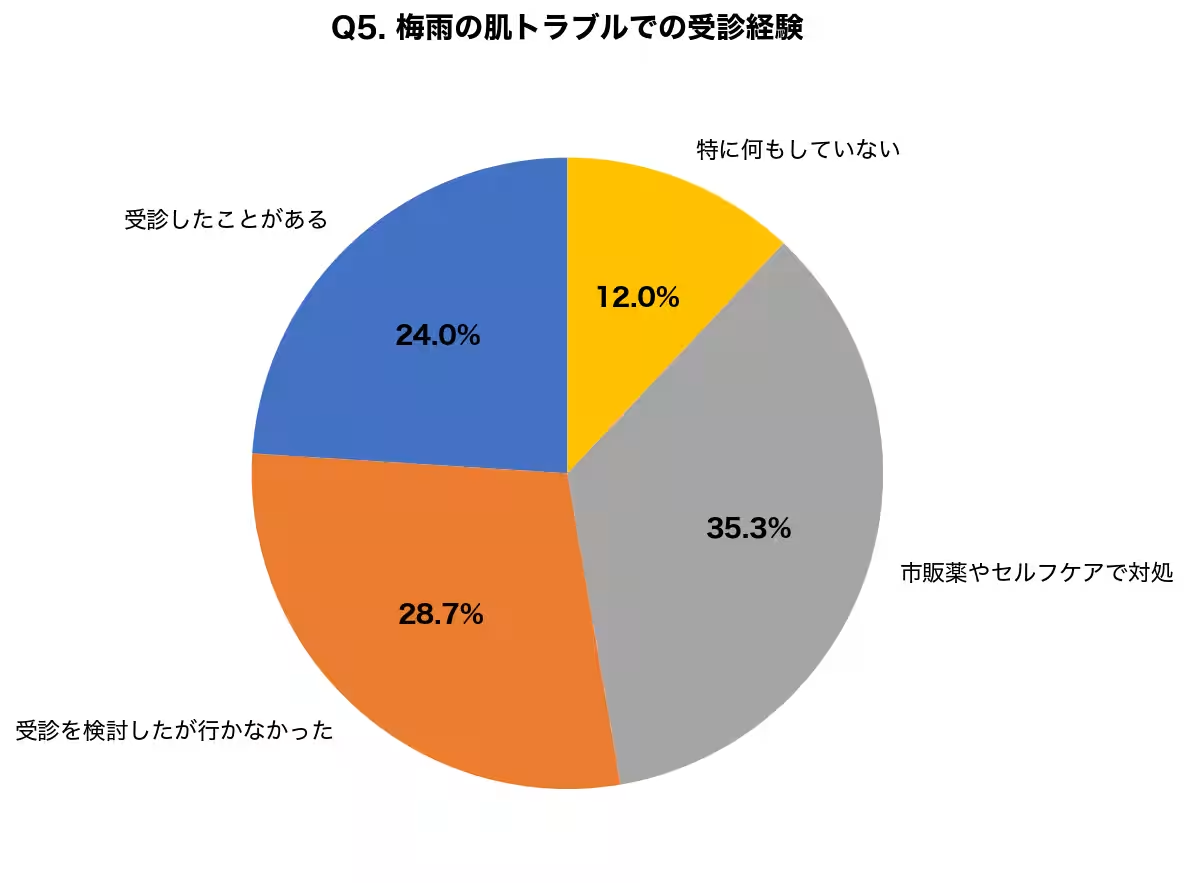
Despite the prevalence of skin issues during the rainy season, the survey reveals that many lack the knowledge for effective skincare. For instance, while 78.4% faced maskne, only 38.5% knew the appropriate care strategies to address chest and back acne. Furthermore, only 24.0% of respondents have sought treatment through a dermatologist, indicating a reliance on self-care.
Dr. Takakuwa advocates for a systematic approach to skincare:
1. Limit cleansing to twice daily to prevent excessive sebum production.
2. Maintain moisturization even in high humidity to balance skin hydration.
3. Avoid touching or squeezing pimples to reduce the risk of bacterial infection and potential scarring.
When to Seek Professional Help
For many, recognizing the need for dermatological intervention is crucial. If acne persists despite self-care for over two weeks or if large, painful breakouts occur, visiting a dermatologist should be prioritized. Understanding when to act can prevent long-term skin issues such as scarring and hyperpigmentation.
Conclusion
As we navigate the rainy season, awareness and education regarding skincare practices amidst humidity are essential. The statistics from this survey reveal not just a widespread issue but also an urgent need for improved skincare literacy. With the right strategies, individuals can mitigate the effects of high moisture levels on their skin, ensuring a more comfortable and healthy rainy season.
Topics Health)
【About Using Articles】
You can freely use the title and article content by linking to the page where the article is posted.
※ Images cannot be used.
【About Links】
Links are free to use.