



Continuing Analysis of COVID-19 in Okayama Prefecture: Insights from Okayama University
Continuing Analysis of COVID-19 in Okayama Prefecture
As of July 13, 2026, Okayama University has taken significant steps to compile and analyze COVID-19 infection data and healthcare provision systems in Okayama Prefecture. With the pandemic declared over by WHO, daily life has returned to a sense of normalcy; however, continuous monitoring and updates on infection rates and healthcare capabilities are crucial. This weekly initiative by Okayama University aims to provide valuable insights to the public and guide preventive measures in daily life.
Overview of the Current Situation
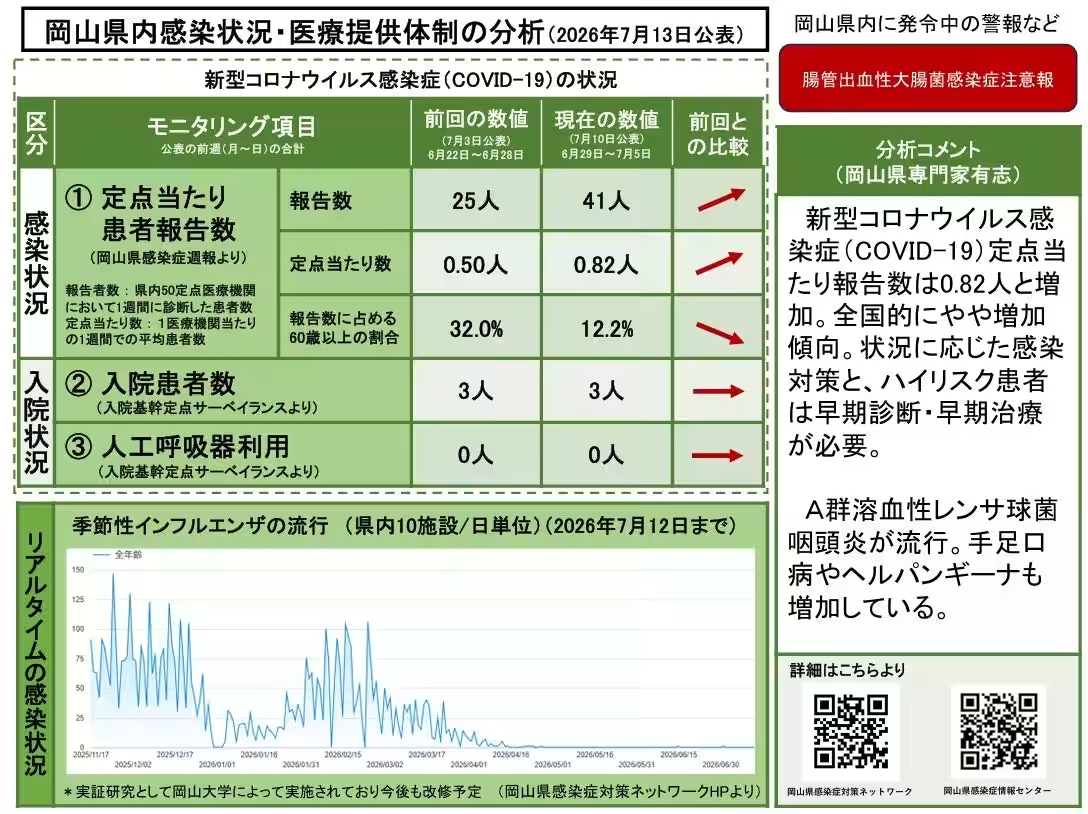
The COVID-19 surveillance data indicates an increase in case reports, with approximately 0.82 cases reported per monitoring point. There is a slight upward trend in positivity rates nationally as well. As we navigate this evolving situation, implementing appropriate infection control measures and ensuring early diagnosis and treatment for high-risk patients remains essential.
In addition to COVID-19, infections such as group A streptococcal throat infections are surging, as well as hand, foot, and mouth disease, and herpangina.
Expert Contributions
The recent analysis and commentary are provided by a group of local experts in epidemiology and healthcare, including:
- - Yasuhito Ichimura, National Institute of Health and Nutrition
- - Hidehiro Hagiya, Okayama University Hospital, Infectious Diseases
- - Koji Fujita, Tsuyama Central Hospital, General and Infectious Diseases
- - Haruki Yamada, Okayama City Hospital, Infectious Diseases
- - Daisuke Yoshioka, Kawasaki Medical University, Infection Management
- - Takashi Yaito, Okayama University Graduate School of Medicine, Epidemiology and Hygiene
Their collective expertise is pivotal in interpreting the data and advising the public on necessary health precautions.
Importance of the Weekly Updates
These updates not only serve to inform the residents of Okayama about the current state of infections but also provide a blueprint for necessary actions moving forward amidst fluctuations in infection rates. The public is encouraged to stay engaged with the information shared by the university, as it is continuously revised to reflect the most recent developments.
- - Data pertaining to infection cases is examined weekly, ensuring the information remains relevant and a reliable source for community health efforts.
- - As the analysis evolves, it assists healthcare providers in adjusting their strategies and prepares communities to take preventive measures in their daily activities.
The Okayama Prefecture health authorities aim to maintain transparency regarding infection rates, emphasizing that risk mitigation is a shared community responsibility. Moreover, local healthcare facilities and professionals are poised to respond swiftly to any surges in infection rates, guided by the continually reviewed data.
Future Directions
Going forward, the collaboration between academic institutions such as Okayama University and local health organizations is crucial. Enhancing the interoperability of health data across platforms could yield stronger preventive strategies. This is especially significant as experts highlight the ongoing pandemic's impact, noting that vigilance and preparedness must remain a priority.
As updates continue, residents can access valuable resources and guidance through the Okayama University website and regional health networks. Together, we must continue to navigate these challenges, armed with knowledge that empowers us to protect ourselves and our communities.
For more detailed reports and continuing updates, please refer to the following links:
Previous Reports - June 22, 2026
Previous Reports - June 29, 2026
Previous Reports - July 6, 2026
Continuous community engagement and proactive measures will be pivotal in managing health and safety as we work together forward.

Topics Health)
【About Using Articles】
You can freely use the title and article content by linking to the page where the article is posted.
※ Images cannot be used.
【About Links】
Links are free to use.